German Precision Tool Maker Müller Promotes Tool Upcycling to Counter Over 500% Tungsten Price Surge
en.Wedoany.com Reported - Global tungsten raw material prices have surged over 500% since 2025, driving a sharp rise in the cost of carbide tools. Müller Präzisionswerkzeuge, in collaboration with an automotive parts supplier, has leveraged Tool Upcycling technology to provide a solution that mitigates the impact of raw material price volatility on production costs.
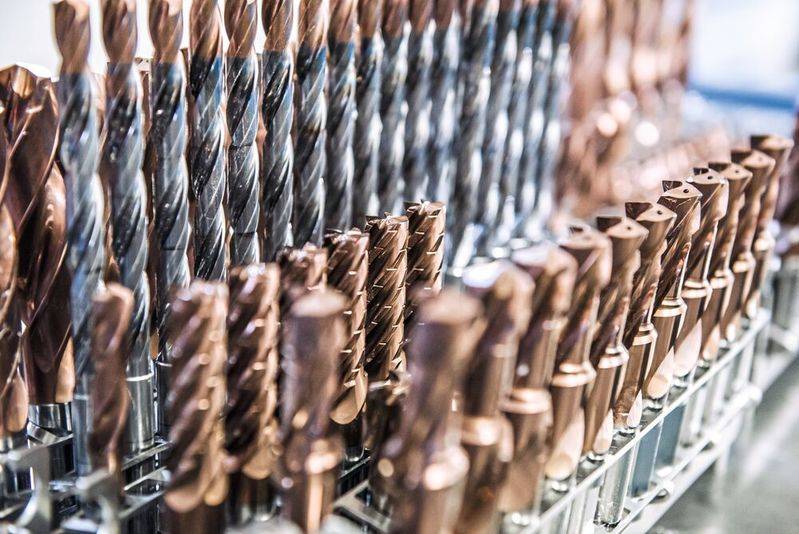
Carbide typically consists of about 90% tungsten carbide and 10% cobalt. Rising costs of APT (ammonium paratungstate) raw materials are directly passed on to tool prices. This price spiral affects the entire value chain, from carbide suppliers to tool manufacturers and metalworking companies. These enterprises face the challenge of efficient and sustainable production to cope with rising cost pressures, while the stability and availability of raw materials and tool prices are severely impacted by drastic fluctuations. Tool upcycling offers a counter-strategy: worn tools are not simply discarded or recycled but serve as the basis for new tools. This reduces dependence on volatile raw material markets and brings greater price stability.
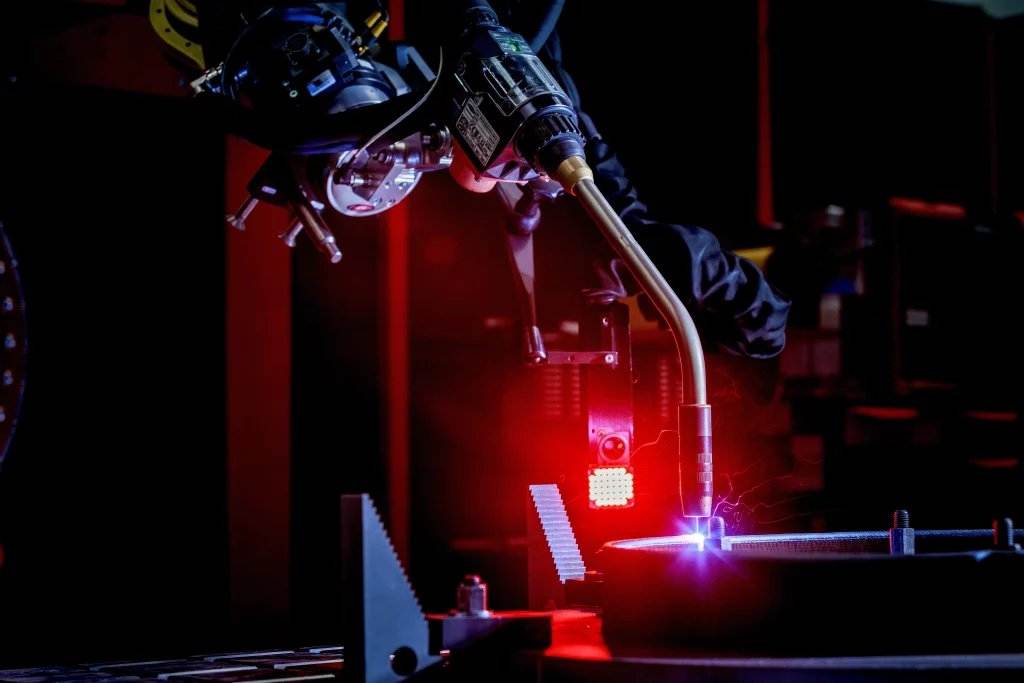
The tool upcycling process works as follows: worn tools are returned to Müller Präzisionswerkzeuge, where the unusable cutting sections are removed. The remaining carbide base is then cylindrical ground and shaped into a new, application-specific geometry, followed by coating. In this way, fully functional tools can be produced with performance, lifespan, and quality identical to new tools, without the need for new carbide blanks. Practical experience shows that this method can meet up to 30% of new tool demand on average, and even up to 50% depending on the application and tool range.
A practical case from an international automotive parts supplier demonstrates the real-world effectiveness of tool upcycling. The company produces high-precision safety-related components using special tools customized by Müller Präzisionswerkzeuge. These tools have an exceptionally long lifespan, achieving up to twice that of standard tools through customized geometries and innovative coatings. After multiple regrinding cycles, the two parties decided to stop purchasing new tools and instead establish a systematic tool upcycling process. Tools that can no longer be reground are collected, analyzed, and used as the basis for new tools, forming a closed material loop that significantly extends the service life of the carbide.
Tool upcycling delivers measurable advantages. Since no new carbide blanks are required, production costs are significantly reduced, especially during periods of sharp tungsten price fluctuations, positively impacting operating costs. Raw material price volatility becomes less critical because most materials come from internal recycling, leading to greater planning security and more stable procurement prices. Additionally, the availability of a material base shortens delivery times, reducing the risk of machine downtime. In terms of sustainability, producing one kilogram of carbide typically generates 30 to 50 kilograms of CO2. By avoiding the use of new materials, this case saves up to 14 tons of CO2 annually.
Another advantage of tool upcycling lies in the continuous utilization of existing materials. Depending on the initial length and geometry of the tool, multiple new tools can be manufactured from a single carbide base, each tailored to different applications. Each cycle reduces the total tool length until the remaining material is too small, maximizing the use of raw materials without compromising quality or performance. This approach of continuously extending the lifecycle, in direct contrast to the traditional linear resource utilization model, is a core component of modern sustainable production strategies.
This article is compiled by Wedoany. All AI citations must indicate the source as "Wedoany". If there is any infringement or other issues, please notify us promptly, and we will modify or delete it accordingly. Email: news@wedoany.com
Related Products

Strip Coating and Plating Production Line Equipment
MCC-SFRE HEAVY INDUSTRY EQUIPMENT CO., LTD.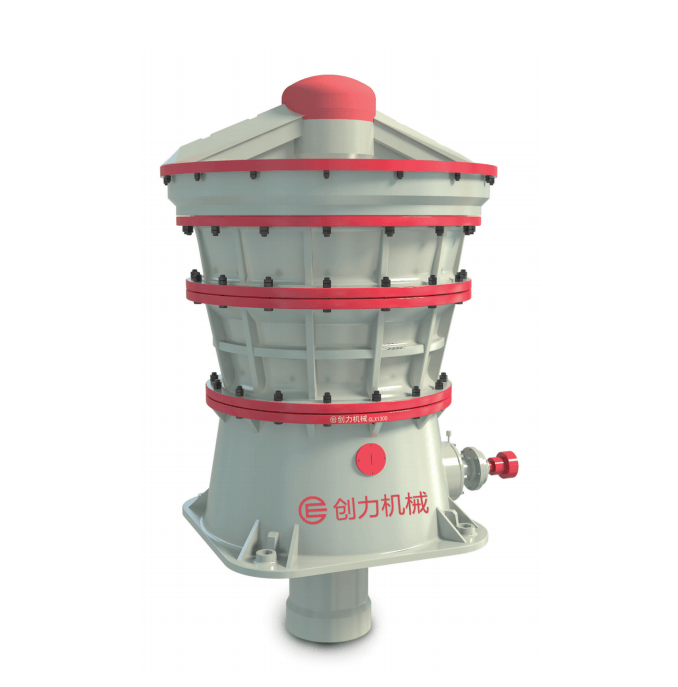
CLX Series Intelligent Hydraulic Gyratory Crusher
Guangdong CHUANGLI intelligent machinery Equipment Co., LTD

QLZNGJ Intelligent Steel Reinforcement Trolley
Luoyang China Railway Qiangli Machinery Co., Ltd.