en.Wedoany.com Reported - The Ministry of Environment and the Environmental Control Agency (KLH/BPLH) of Indonesia, in collaboration with the Working Group on Indigenous Peoples and Community Conserved Areas (WGII), has officially initiated the drafting of the "Roadmap for the Protection and Promotion of Indigenous Wisdom for Biodiversity Conservation," aiming to strengthen the recognition and protection of traditional knowledge and customary practices of indigenous peoples and local communities. This roadmap is designed to implement Target 17 of the "Indonesian Biodiversity Strategy and Action Plan (IBSAP) 2025-2045" and to respond to the requirements of the work program under Article 8(j) of the Convention on Biological Diversity (CBD).
Rasio Ridho Sani, Deputy for Pollution and Environmental Damage Control at KLH/BPLH, stated that Indonesia, as a biodiversity superpower, faces increasing pressure on its biodiversity, necessitating the active participation of indigenous peoples and local communities who have long safeguarded various ecosystems. "Biodiversity is a vital natural asset for ecosystem sustainability and community well-being. To this end, indigenous peoples and local communities need support, recognition, and protection, as well as fair benefit-sharing for their contributions to biodiversity conservation," said Rasio. He added that existing initiatives by the government and non-governmental organizations need to be strengthened through a common framework, including enhancing regulations that protect indigenous wisdom in natural resource and environmental management.
Cindy Julianty, Executive Coordinator of WGII, emphasized that the roadmap drafting process must remain participatory and inclusive. "This roadmap should serve as a collaborative space between the government, indigenous communities, academia, civil society organizations, and development partners. We hope this document will not only serve as a policy guide but also drive concrete actions to strengthen the protection of rights, traditional knowledge, and indigenous wisdom practices. This is also part of Indonesia's follow-up to the COP16 decision in Colombia on operationalizing the work program under Article 8(j) of the CBD," said Cindy.
This forum marks the official launch of the roadmap development process, through the formation of a drafting team and the enhancement of cross-sectoral collaboration to support inclusive, rights-based biodiversity conservation. During the event, a policy document on strengthening regulations for the protection and promotion of indigenous wisdom was also submitted as input for the drafting process. In the policy transition session, Yance Arizona, a scholar from Gadjah Mada University, stated that simplifying the recognition mechanisms for indigenous peoples and indigenous wisdom to make them more applicable at the regional level is crucial. "Local governments and communities jointly documenting indigenous wisdom can lay a solid foundation for accelerating the recognition and protection of indigenous wisdom through more effective policies," said Yance.
Muhammad Ihsan Maulana, Manager of Policy Advocacy and Communication at WGII, explained that conservation practices rooted in indigenous wisdom predate modern conservation methods and have been proven to make significant contributions to biodiversity conservation. "Over 192 indigenous peoples and local communities have documented their conservation practices, covering an area of approximately 1 million hectares. This contribution requires stronger policy recognition to achieve national conservation goals equitably and inclusively," said Ihsan. He added that WGII's analysis shows that Indonesia has the potential for over 29 million hectares of Indigenous and Community Conserved Areas (ICCAs), most of which are located in relatively well-preserved landscapes of significant biodiversity value.
Through this roadmap, KLH/BPLH aims to further integrate the protection and promotion of indigenous wisdom into national conservation policies. This initiative is expected not only to strengthen biodiversity conservation efforts but also to ensure respect for the rights, knowledge, and practices of indigenous peoples and local communities as essential components of sustainable environmental development.
This article is compiled by Wedoany. All AI citations must indicate the source as "Wedoany". If there is any infringement or other issues, please notify us promptly, and we will modify or delete it accordingly. Email: news@wedoany.com
Related Products



Electromagnetic Fluid Seawater Floating Oil Separation and Recover Equipment
Huate Magnet Group Co., Ltd.




Prefabricated Houses and Electrical Energy Boxes
Chengdu Ruilong Machinery Manufacturing Co., Ltd.
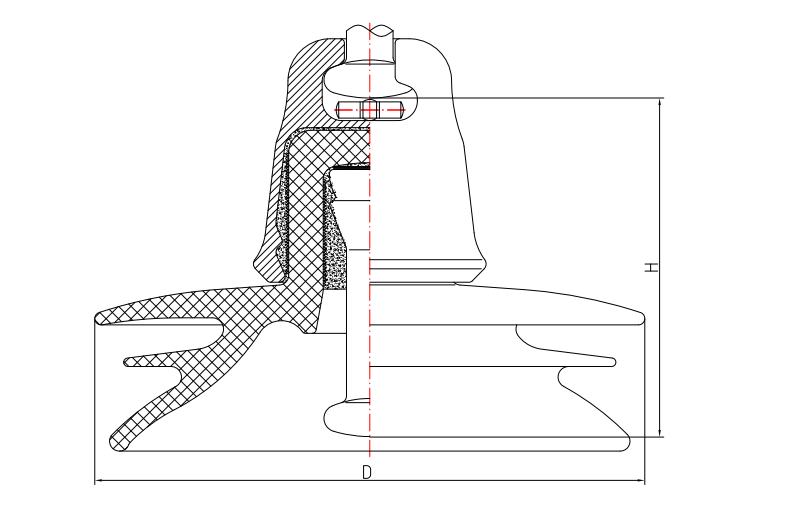
Post-type AC Pollution-resistant Disc Suspension Porcelain Insulator (Triple Umbrella Type)
Shandong High Voltage Insulator Co., Ltd.
G.652.D Wavelength-extended Non-dispersion Shifted Single-mode Optical Fiber
HONGAN GROUP CO., LTD.