en.Wedoany.com Reported - European Energy has reached an agreement with Danish Balance Responsible Party (BRP) Twig Energy to jointly manage and optimize a hybrid renewable energy facility in Måde, near Esbjerg in western Denmark. The collaboration aims to integrate multiple clean energy technologies to create a single flexible energy system capable of responding to changes in market and grid conditions.
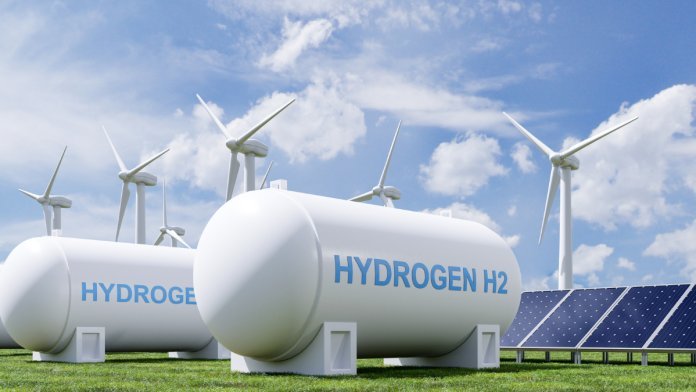
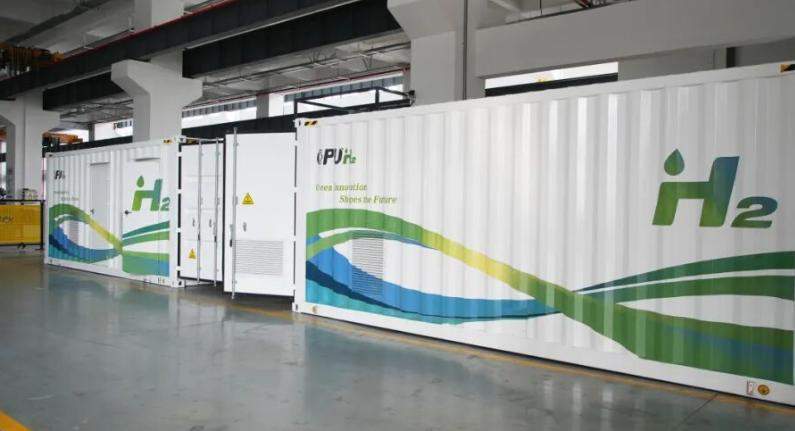
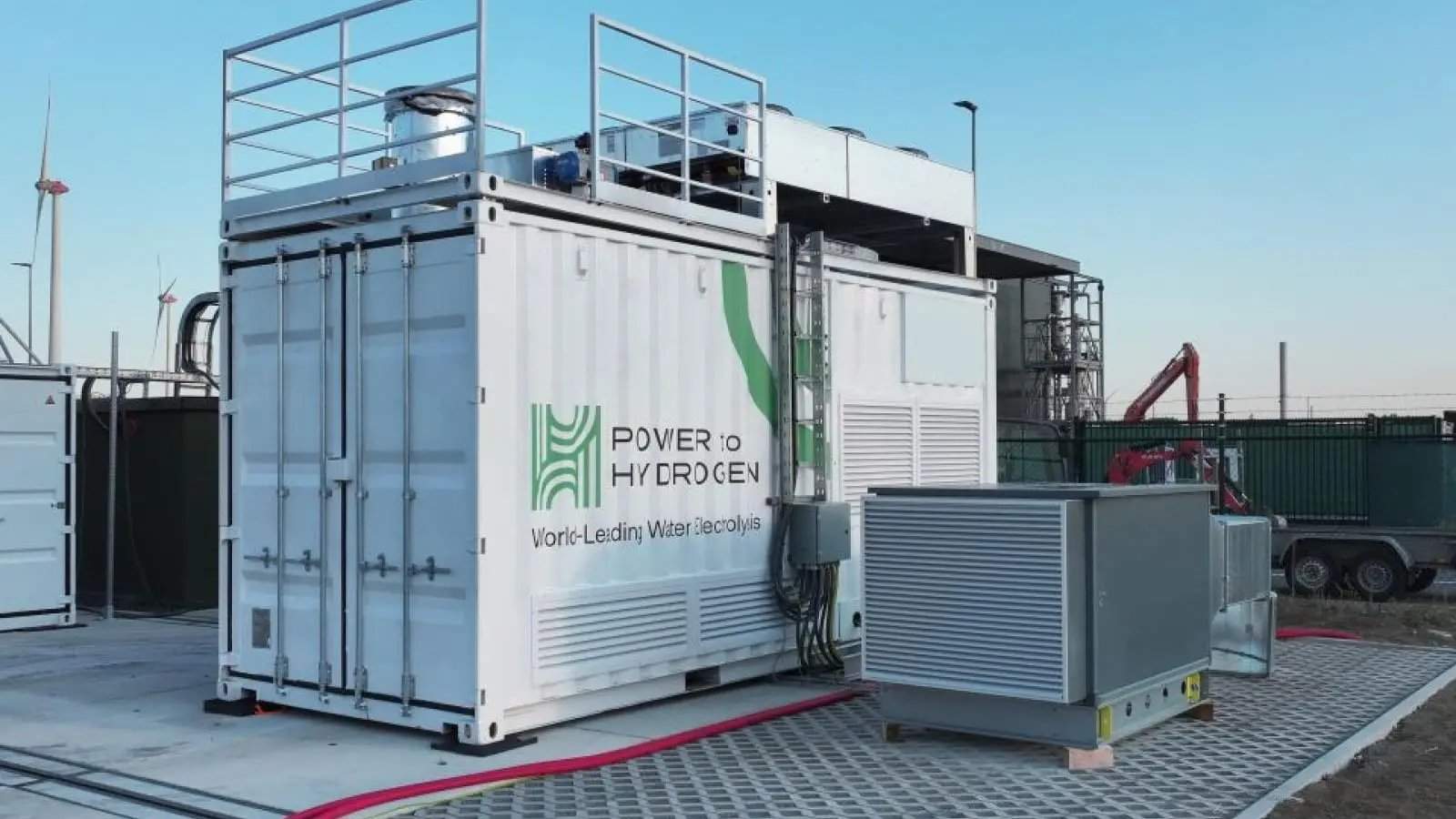
The Måde site covered by the agreement includes two electrolyzers with a total capacity of 8.1 MW for green hydrogen production, two wind turbines with a combined installed capacity of 16 MW, and a battery energy storage system capable of providing 5 MW of power with a storage capacity of 20 MWh. According to European Energy, this marks the first time the company has managed renewable energy generation, battery storage, and flexible electricity consumption under a single balancing agreement. The approach aims to maximize system efficiency by coordinating the generation, storage, consumption, or grid injection of electricity based on real-time operational and market conditions.
Under the agreement, Twig Energy will be responsible for balancing the site and optimizing the flow of electricity among the wind turbines, battery energy storage system, and electrolyzers. The integrated configuration allows renewable electricity produced on-site to be directed to where it creates the most value. Depending on electricity prices, grid demand, and operational needs, the power can be stored in batteries, used for green hydrogen production, or supplied directly to the grid. European Energy believes this level of integration reflects the growing reliance of renewable energy systems on flexibility and intelligent energy management.
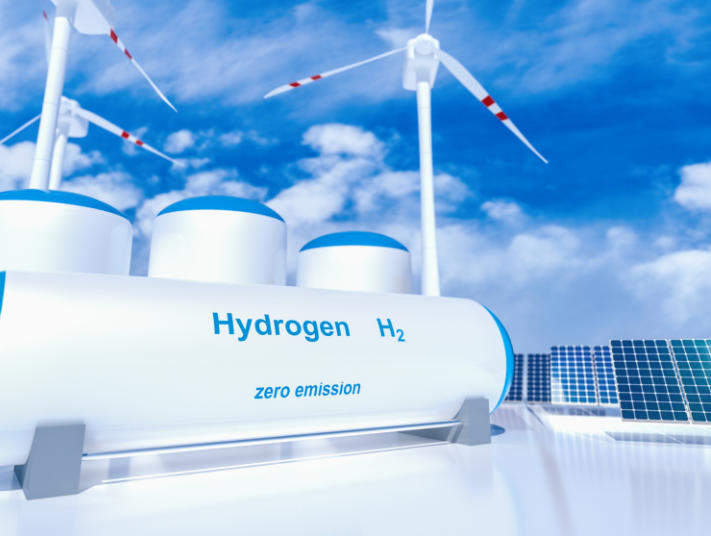
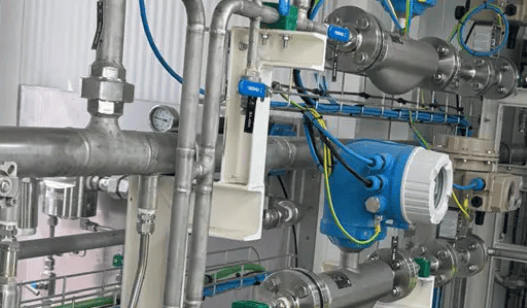
By combining multiple technologies at a single location, the company aims to improve system efficiency while helping to support grid stability and the broader energy transition. A key component of the project is green hydrogen production. The electrolyzers at Måde use on-site renewable electricity to split water into hydrogen and oxygen, producing hydrogen with zero carbon emissions. The resulting green hydrogen can be used in industrial applications and is expected to play a role in reducing emissions from sectors that are difficult to electrify directly. At the same time, hydrogen production provides a flexible source of electricity demand, capable of absorbing renewable power during peak generation periods.
Twig Energy emphasizes that the Måde facility differs from traditional renewable energy projects because it combines multiple interconnected assets operating under a single grid connection. Managing such a system requires balancing diverse technical and commercial considerations while ensuring efficient performance of all components. To this end, the company is developing automated optimization systems capable of responding to real-time market signals and operational constraints to maximize value and reduce the need for manual intervention. The Måde project is part of European Energy's strategy to expand its Power-to-X business and develop integrated renewable energy solutions in Denmark and other international markets. The facility is already operational, with the wind turbines, battery energy storage system, and hydrogen production units all installed and running. In the coming months, European Energy and Twig Energy will focus on optimizing the interactions among these technologies to fully unlock the potential of the integrated energy system.
This article is compiled by Wedoany. All AI citations must indicate the source as "Wedoany". If there is any infringement or other issues, please notify us promptly, and we will modify or delete it accordingly. Email: news@wedoany.com
Related Products

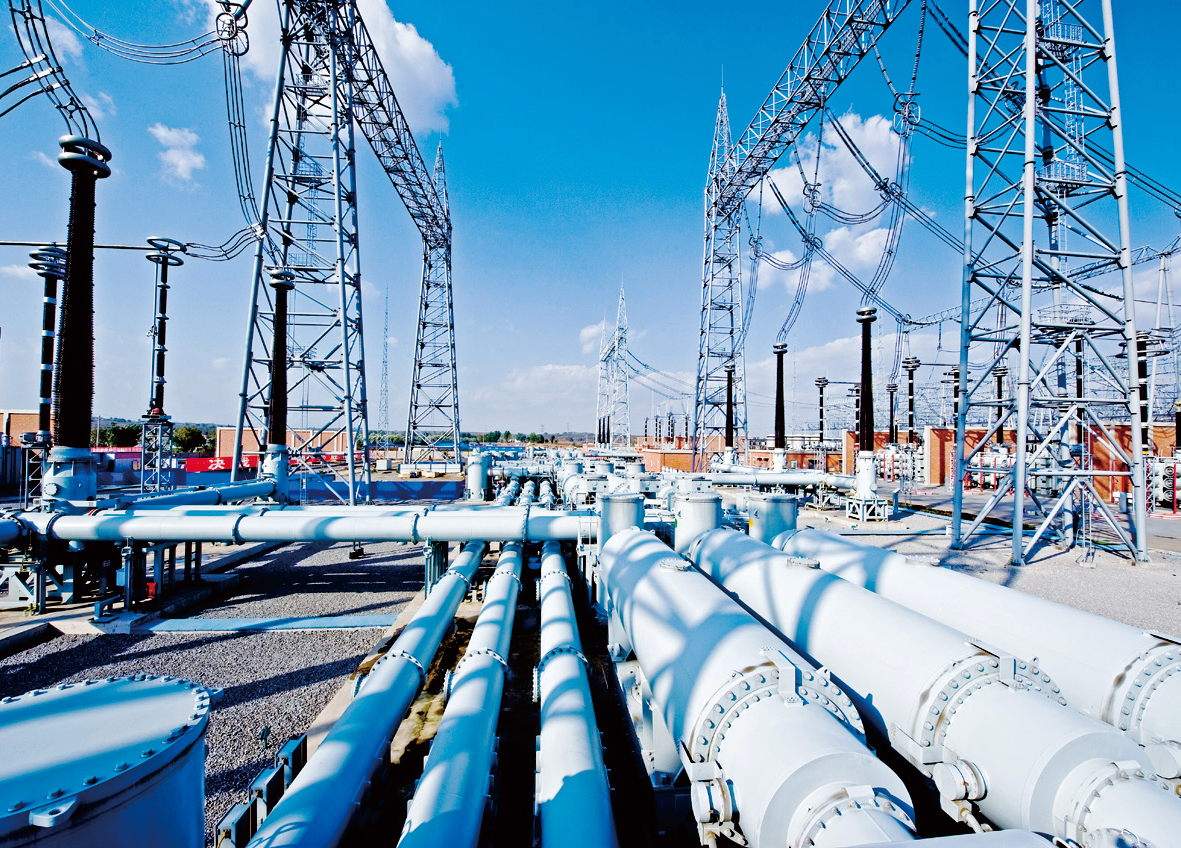
40.5kV-1100kV Gas Insulated Metal-Enclosed Switchgear (GIS)
Henan Pinggao Electric Co., Ltd.
G.652.D Wavelength-extended Non-dispersion Shifted Single-mode Optical Fiber
HONGAN GROUP CO., LTD.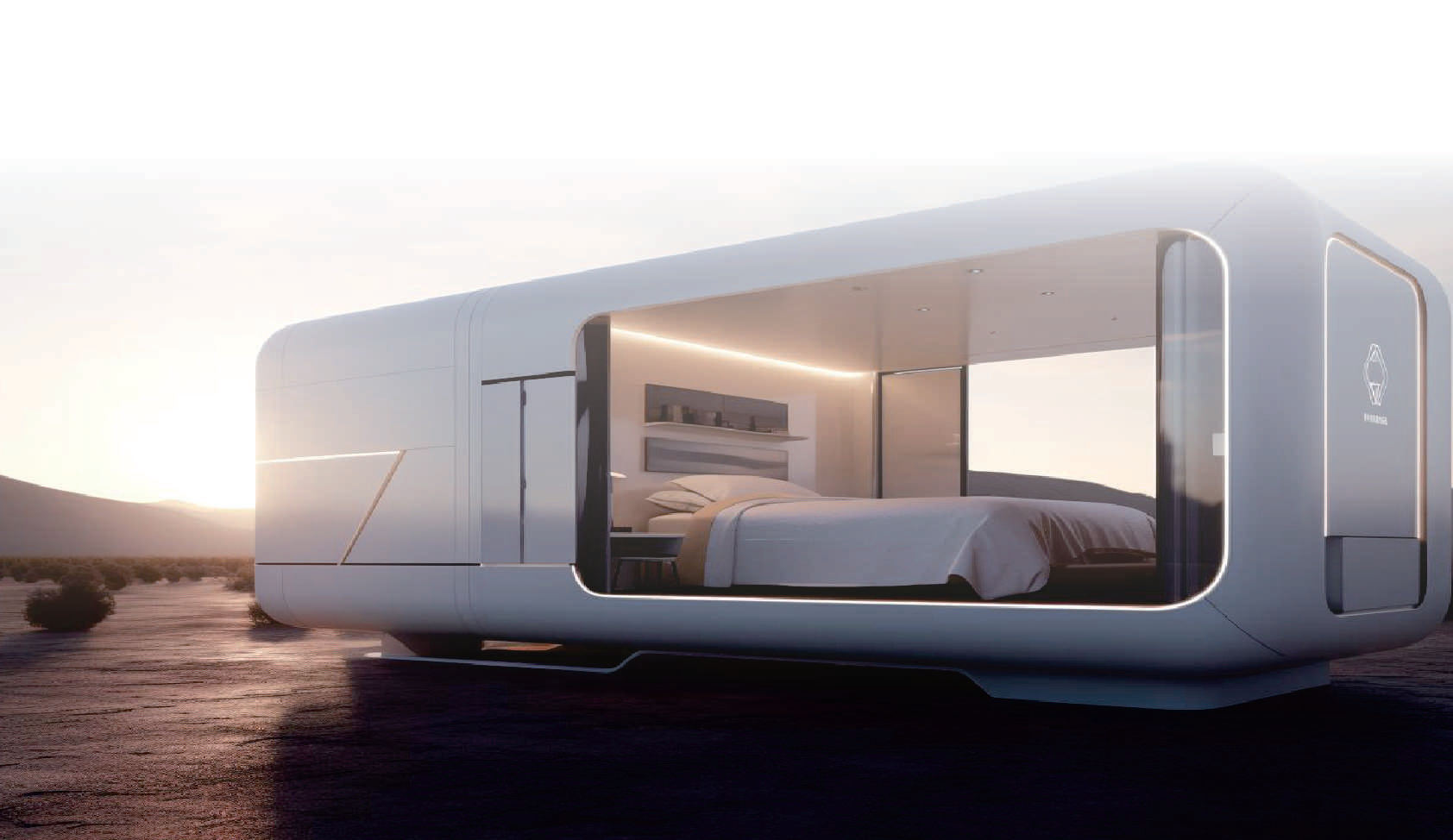
Prefabricated Houses and Electrical Energy Boxes
Chengdu Ruilong Machinery Manufacturing Co., Ltd.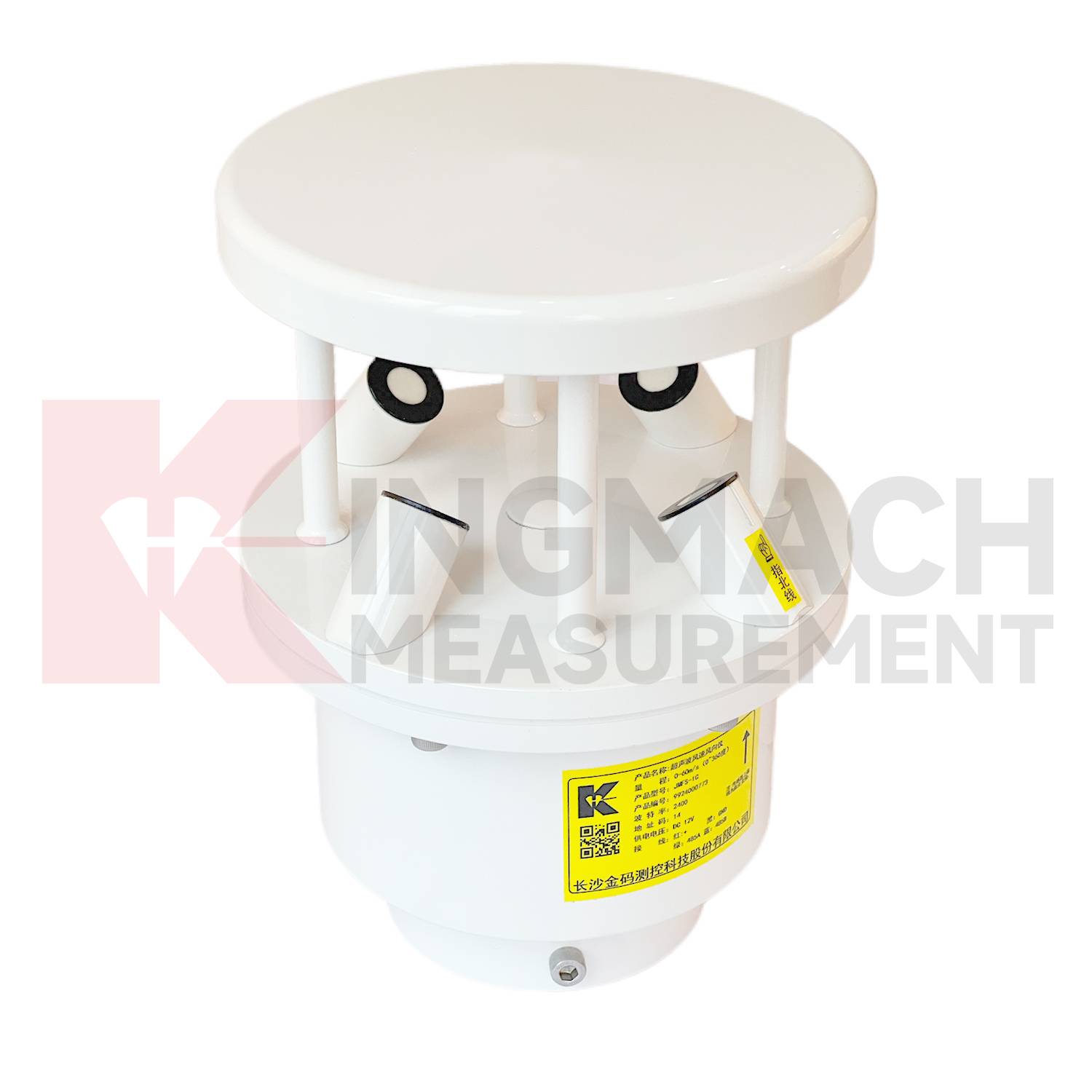
Ultrasonic Wind Speed and Direction Instrument
Kingmach Measurement & Monitoring Technology Co., Ltd.
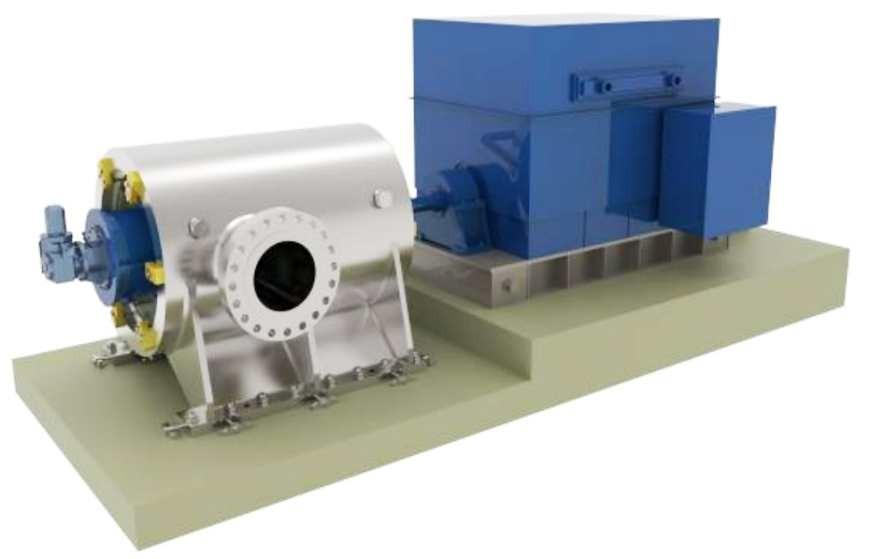
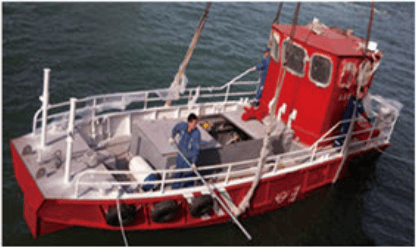
Electromagnetic Fluid Seawater Floating Oil Separation and Recover Equipment
Huate Magnet Group Co., Ltd.
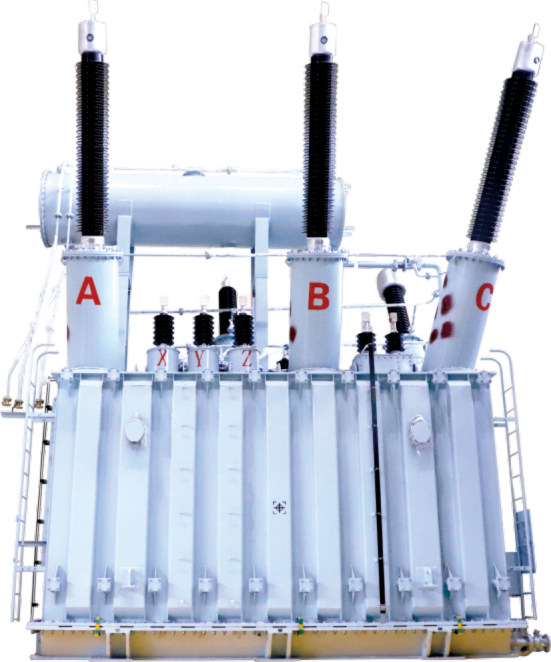
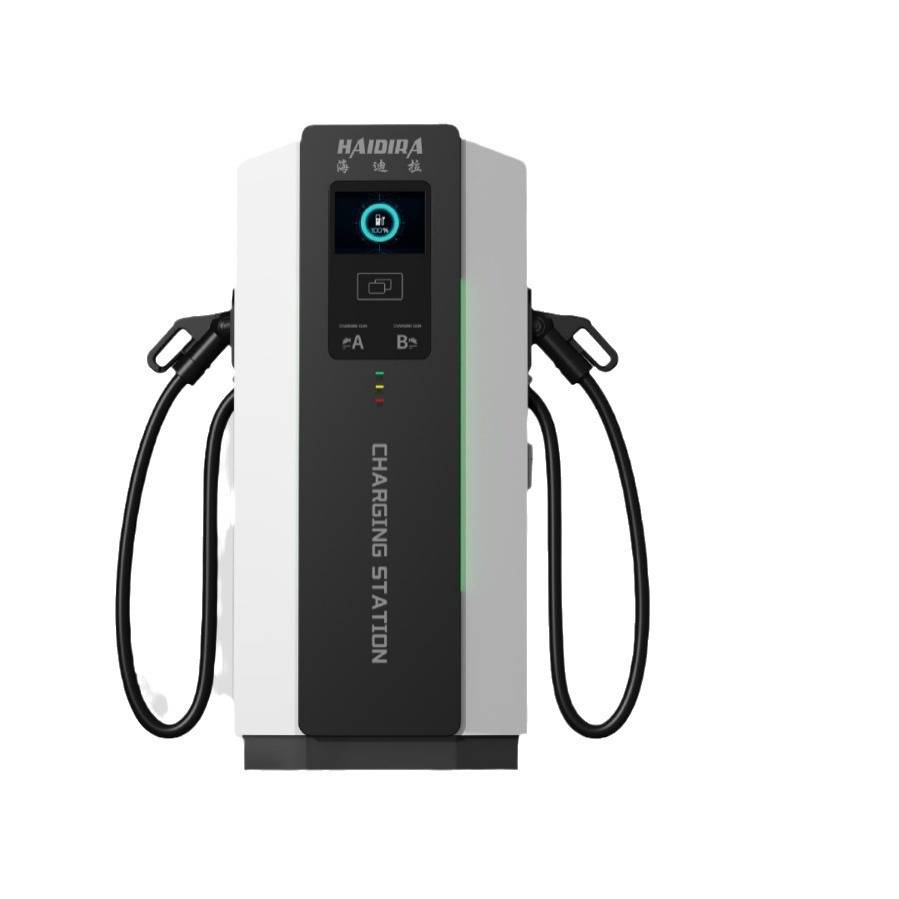
Manufacturer Direct Sales Tesla New Energy Electric Vehicle Universal DC 180kW Dual-gun Charging Pile Commercial Fast Charger
Anhui Haidira Electric Technology Co., Ltd.