Shanghai Yuanxin completes China's first direct-to-cell satellite call test with existing commercial phones
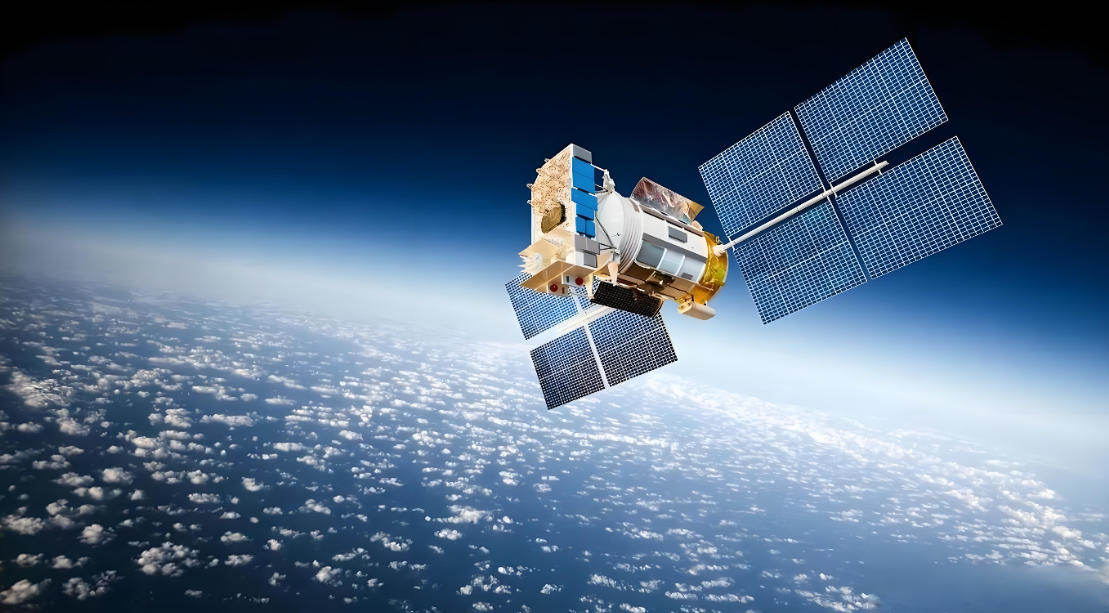
en.Wedoany.com Reported - Shanghai Yuanxin Satellite has achieved a technological breakthrough in direct-to-cell satellite communication, successfully completing China's first satellite call test using unmodified existing commercial mobile phones. The entire communication link remained stable throughout the test, with excellent voice quality, reaching a level comparable to terrestrial 5G calls.
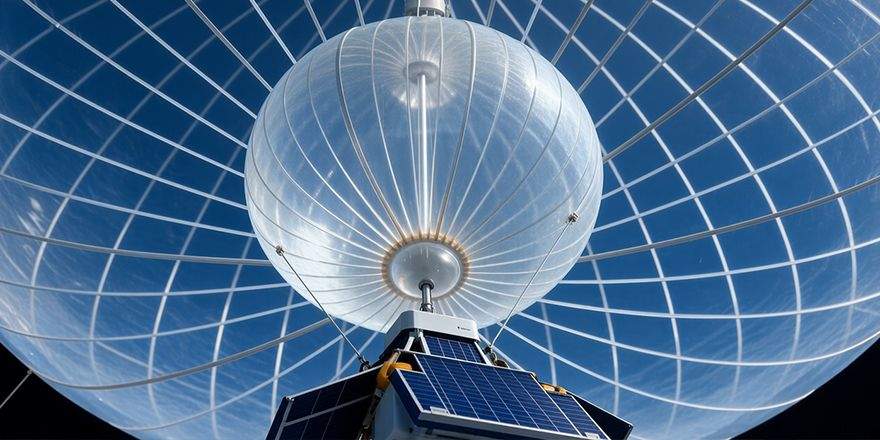
Yuanxin's direct-to-cell satellite system is equipped with China's largest L-band fully digital phased array antenna in terms of aperture and array element scale. To address technical challenges inherent in space-terrestrial communication, such as large time-frequency offsets and uplink transmission bottlenecks, the company developed a two-stage time-frequency offset compensation scheme combined with dynamic adaptive coding rate adjustment technology. This breakthrough surpasses the time-frequency technical indicators of traditional mobile communications, providing technical support for stable, high-quality handheld satellite audio, video, and broadband data communication.
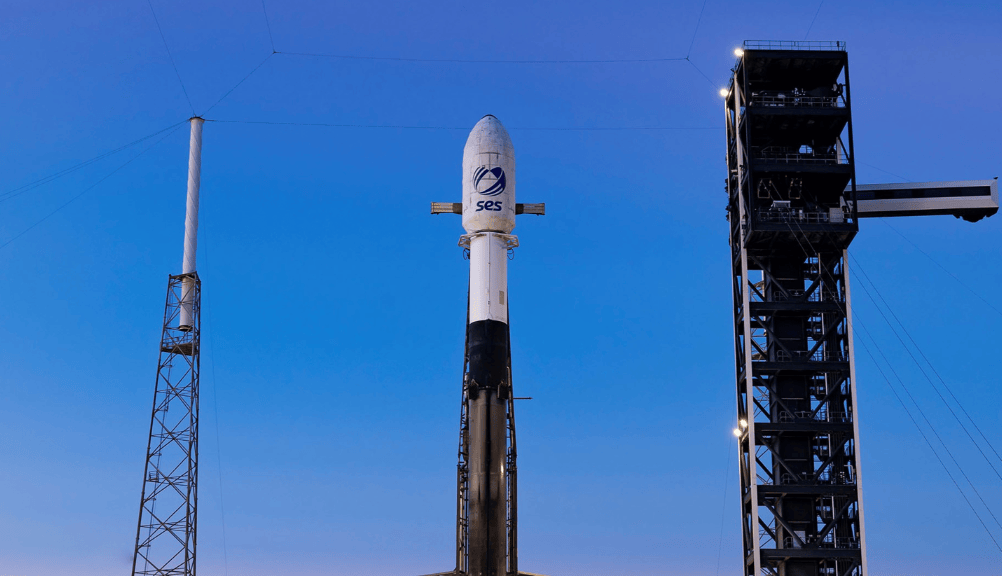
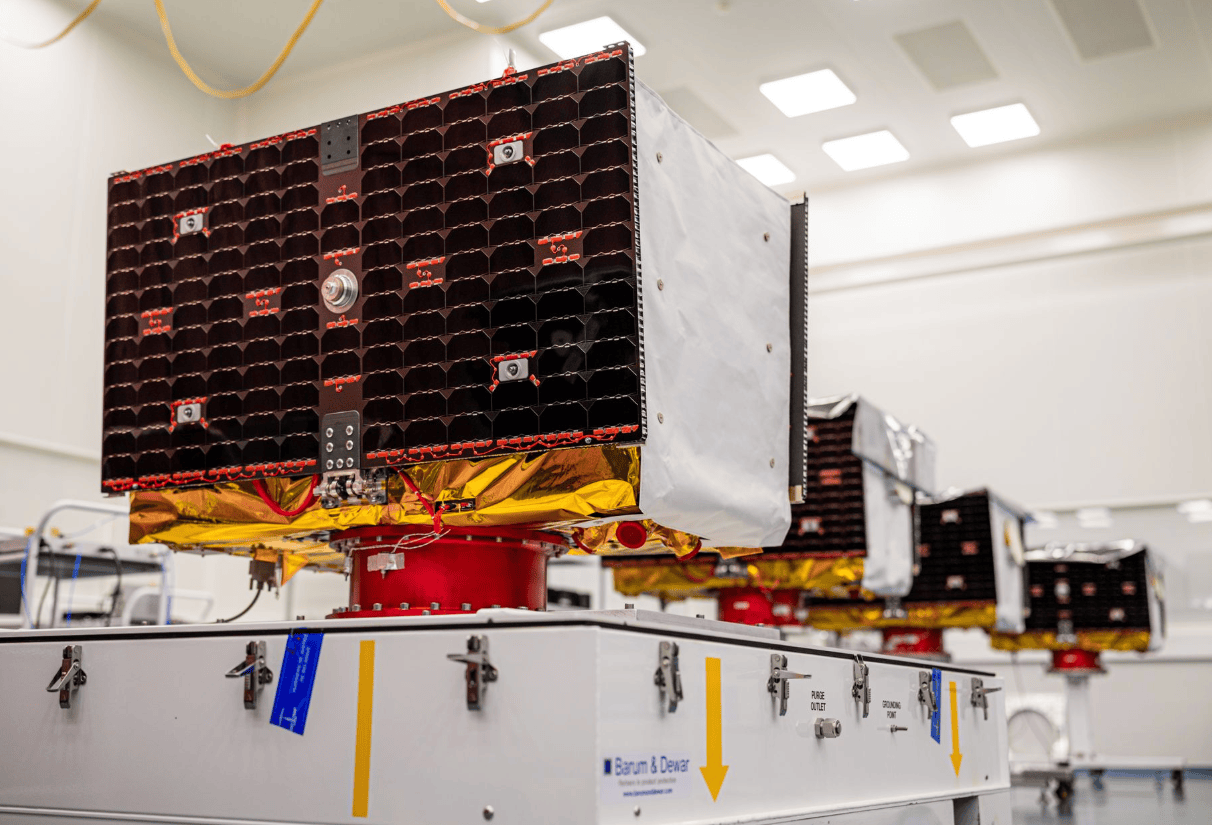
Earlier this month, Yuanxin Satellite successfully launched its first direct-to-cell experimental satellite from the Dongfeng Commercial Aerospace Innovation Zone, using the Zhuque-2 improved Y6 carrier rocket. The experimental satellite will conduct verification of key technologies such as direct-to-cell application services and space-terrestrial integrated networking in orbit, providing technical support for the deep integration of satellite communication with 5G/6G.
Currently, the number of satellites in Shanghai Yuanxin's Qianfan Constellation has increased to 200, and its AIS satellite system has completed networking. According to Hu Haiying, chief commander of the Qianfan Constellation satellite system, both the "Qianfan" and "Starlink" plans are low-orbit satellite internet constellation projects, aiming to deploy satellites in space at altitudes ranging from 300 kilometers to 2,000 kilometers to form a global coverage network. China's Qianfan Constellation plan is implemented in three phases: Phase I aims to deploy 1,296 satellites, scheduled for completion by 2027; Phase II will add approximately 10,000 satellites, with the goal of completing a network of over 10,000 satellites by 2030; Phase III will ultimately exceed 15,000 satellites, supporting multimedia and remote sensing integration, and incorporating the 6G ecosystem.
This article is compiled by Wedoany. All AI citations must indicate the source as "Wedoany". If there is any infringement or other issues, please notify us promptly, and we will modify or delete it accordingly. Email: news@wedoany.com
Related Products


MUX Series Communication Interface Device for Security and Stability Control System
Nanjing NR Electric Co., Ltd.
GYTA Type Non-Self-Supporting Aerial/Duct Optical Cable
TONGDING INTERCONNECTION INFORMATION CO., LTD.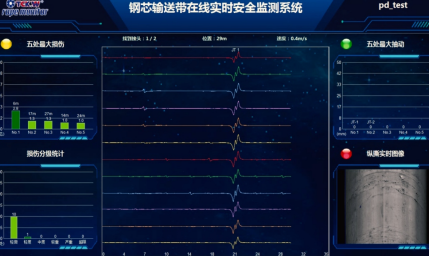
Conveyor Belt Intelligent Monitoring System
LUO YANG WIRE ROPE INSPECTION TECHNOLOGY CO., LTD.
TWP16 P-Band Tropospheric Wind Profile Radar
China Huayun Meteorological Technology Group Co., Ltd.


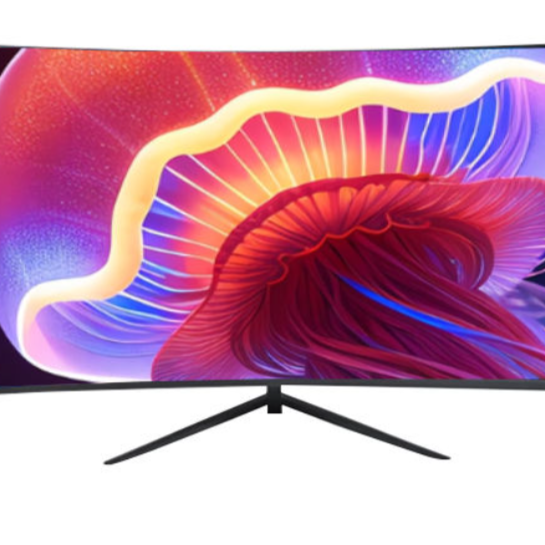
20 Inch 1600*900 Full HD 60Hz TFT LED Monitor with VGA and DP Interfaces for Desktop Computers-Business Use
Guangzhou Zanying Optoelectronics Technology Co., Ltd.