Brazilian Hereford and Braford Association Conducts Low-Methane, High-Efficiency Beef Cattle Breeding Test with Embrapa
en.Wedoany.com Reported - The Brazilian Hereford and Braford Association (ABHB), in partnership with the Southern Livestock Research Center of the Brazilian Agricultural Research Corporation (Embrapa Pecuária Sul, located in Bagé, Rio Grande do Sul), is conducting a new round of beef cattle breeding tests aimed at identifying animals that achieve the same meat yield with lower feed consumption and reduced methane emissions.
The current test evaluates 15 Hereford and 16 Braford cattle from different regions of Rio Grande do Sul. ABHB reports that the test has entered its final third phase and plans to conclude with a field day event.
The Feed Efficiency Test (PEA) assesses individuals and lineages that achieve expected weight gain with less feed intake. The Gas Emission Test (PEG) tracks the amount of methane released by each animal during the evaluation period. According to Paulo Azambuja, President of ABHB's Technical Decision Committee, this integrated testing approach facilitates the selection of more efficient genetic lineages. In a statement, he explained that the test identifies lineages and genetic profiles with higher production efficiency, which consume less forage to reach target weights.
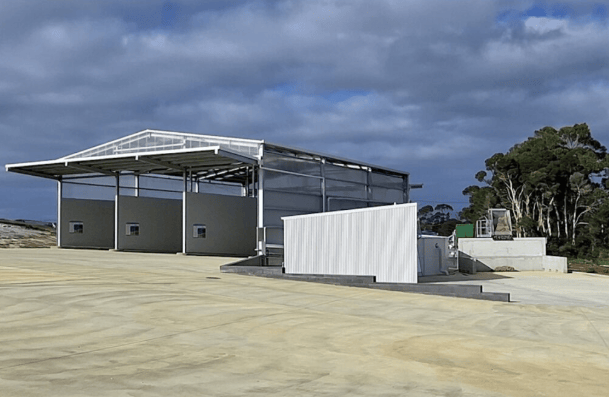
The testing facility is equipped with additional feed troughs and water troughs fitted with scales, enabling individual tracking of breeding stock. Azambuja added that this allows for more frequent weigh-ins during the test period. The new testing compartments also enable simultaneous measurement of methane emissions during the PEA test, replacing the previous practice of conducting measurements in subsequent phases. He stated that measurements can now be completed during the test period, with greater frequency and efficiency.
According to ABHB's communications department, data accumulated over the years will help build a reference population for Hereford and Braford cattle. The ultimate goal is to develop Expected Progeny Differences (EPDs) related to feed efficiency and gas emissions by accumulating the required number of animals.
This article is compiled by Wedoany. All AI citations must indicate the source as "Wedoany". If there is any infringement or other issues, please notify us promptly, and we will modify or delete it accordingly. Email: news@wedoany.com
Related Products


4HS-8 High-efficiency Peanut Inverted-laying Harvester
Hebei Yongfa Hongtian Agricultural Machinery Manufacturing Co., Ltd.
714CD Series C-Band Weather Radar
Chengdu Zhongdian Jinjiang Information Industry Co., Ltd.

Industrial and Commercial Point-Type Gas Detector
Jinan Benan Technology Development Co., Ltd.