US Edge Global Patents Technology to Convert Polyurethane Foam into Recycled Materials
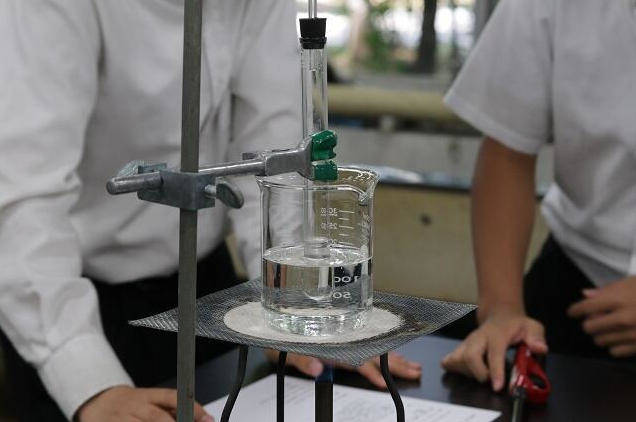
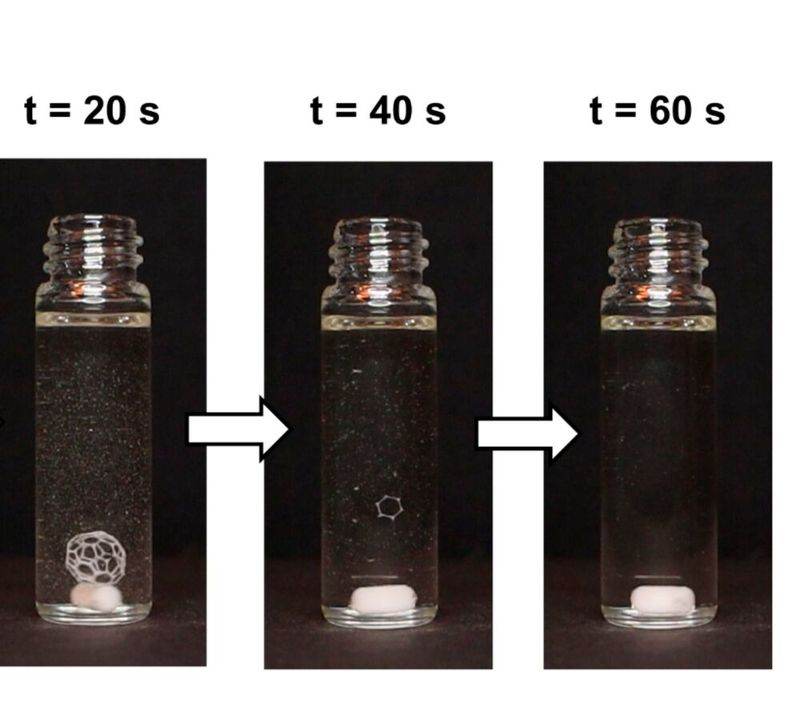
en.Wedoany.com Reported - The United States Patent and Trademark Office recently granted Edge Global Innovation a patent for a thermochemical conversion process designed to transform waste and industrial scrap polyurethane foam into high-value recycled materials. Edge Global Innovation is advancing the commercialization of this process through its subsidiary, VitriCycle.
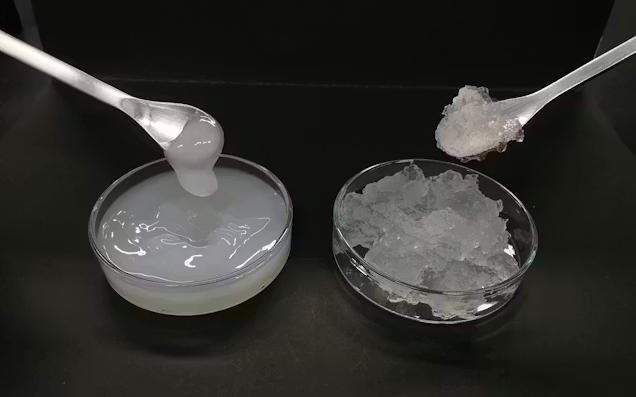
The patented process employs a method called "vitrimerization" to convert polyurethane foam waste into reusable materials. Edge Global Innovation CEO Vahid Serajian stated that, unlike traditional chemical recycling methods, the VitriCycle process is designed to improve energy efficiency without requiring additional solvents or catalysts. Serajian noted that the technology can convert polyurethane foam from used mattresses into synthetic leather, shoe soles, phone cases, keychains, bumpers, gaskets, and other everyday items.
The Mattress Recycling Council provided funding for the early stages of this research, with one of its missions being to develop new markets for post-consumer polyurethane mattress foam. The VitriCycle process is the first patented research project funded by the Council. Mike O’Donnell, Chief Operating Officer of the Mattress Recycling Council, expressed delight in supporting the technology during its early development phase and seeing it gradually adopted by new markets.
VitriCycle's core technology involves converting waste polyurethane foam into granules suitable for injection molding, which are applicable in rubber-like scenarios such as soft plastic components, footwear products, phone cases, industrial gaskets, and automotive parts. The process can also be used to produce synthetic leather for wallets, handbags, furniture, accessories, promotional items, handicrafts, and other sustainable design fields. VitriCycle has named this product line "KindHide," describing it as a more environmentally friendly alternative to cowhide.
VitriCycle believes the technology holds significant market potential for manufacturers, brands, and designers seeking domestically produced recycled materials, sustainable leather alternatives, recycled polyurethane materials, and circular materials for consumer and industrial products. Since these materials are made from domestically recycled polyurethane foam, VitriCycle's products can help manufacturers mitigate the impact of virgin resin prices, oil price fluctuations, tariffs, and risks associated with overseas supply chains.
Currently, VitriCycle has held preliminary discussions with a U.S.-based furniture manufacturer regarding circular applications. This furniture company is expected to convert its surplus polyurethane foam waste into synthetic leather for chairs, sofas, or other upholstered furniture components, thereby creating a new product line focused on sustainability and circularity. Additionally, VitriCycle's technology can be made available to manufacturers through licensing agreements, offering foam producers, mattress manufacturers, furniture makers, automotive suppliers, and mattress recyclers a pathway to create value from waste polyurethane foam.
This article is compiled by Wedoany. All AI citations must indicate the source as "Wedoany". If there is any infringement or other issues, please notify us promptly, and we will modify or delete it accordingly. Email: news@wedoany.com
Related Products

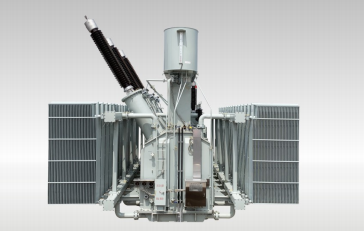
220kV and Below Voltage Level Energy-saving Oil-immersed Power Transformers
FuZhou TianYu Electric Co., Ltd.
40.5kV-1100kV Gas Insulated Metal-Enclosed Switchgear (GIS)
Henan Pinggao Electric Co., Ltd.
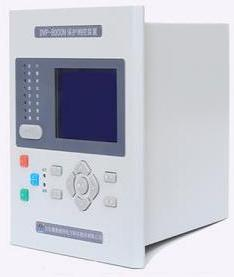
Microcomputer Protection and Substation Automation
Beijing Agent Devote Power Technology Development Co., Ltd.
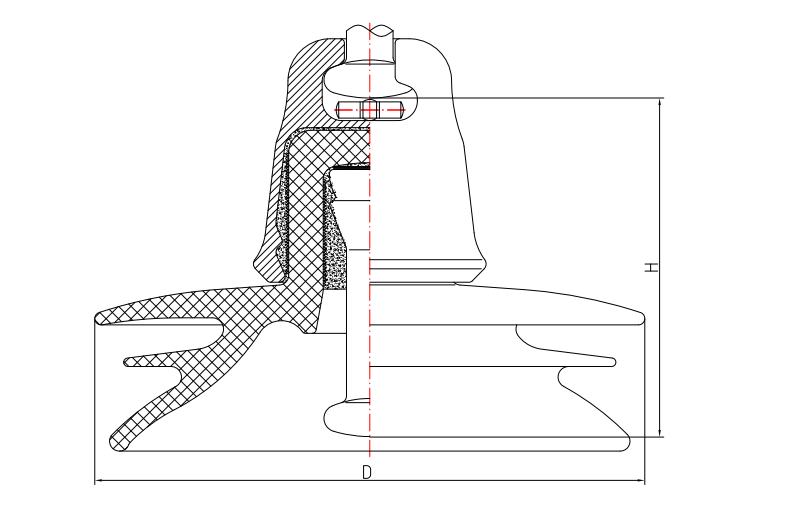
Post-type AC Pollution-resistant Disc Suspension Porcelain Insulator (Triple Umbrella Type)
Shandong High Voltage Insulator Co., Ltd.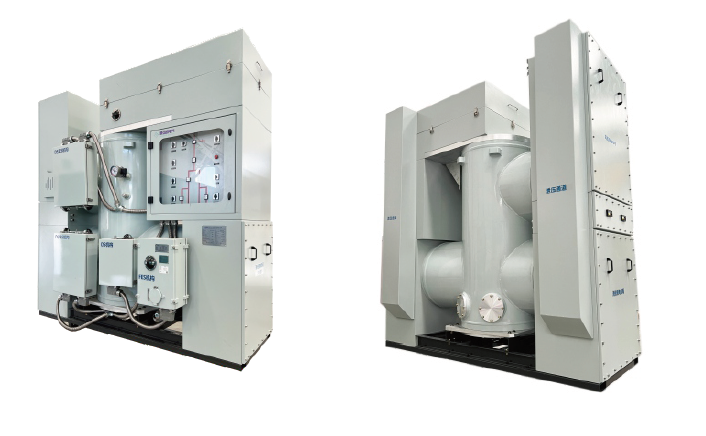
72.5kV 1250A 31.5kA SF6 free Gas-insulated Metal-enclosed Switchgear
Zhejiang Juhonkia Intelligent Electric Co., Ltd.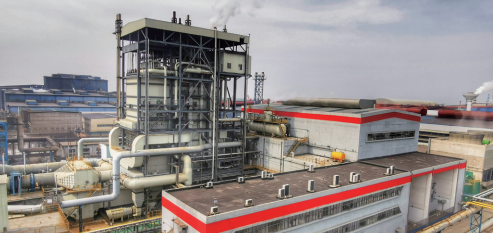
Jiujiang Pinggang 125MW Subcritical Gas Power Generation Project
Capital Engineering & Research Incorporation Limited