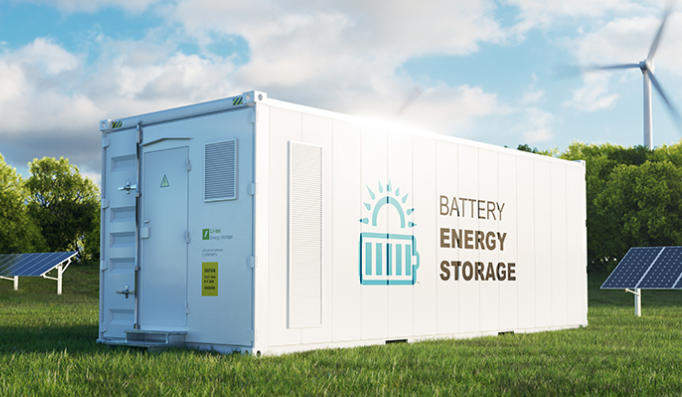
en.Wedoany.com Reported - Once deployed, Budget Thuis's system will operate as a multi-day battery energy storage asset integrated into the Dutch grid. Ore Energy uses a 40-foot containerized iron-air battery architecture designed to provide 24 to 100 hours of storage duration, while typical lithium-ion battery storage supports only two to four hours.
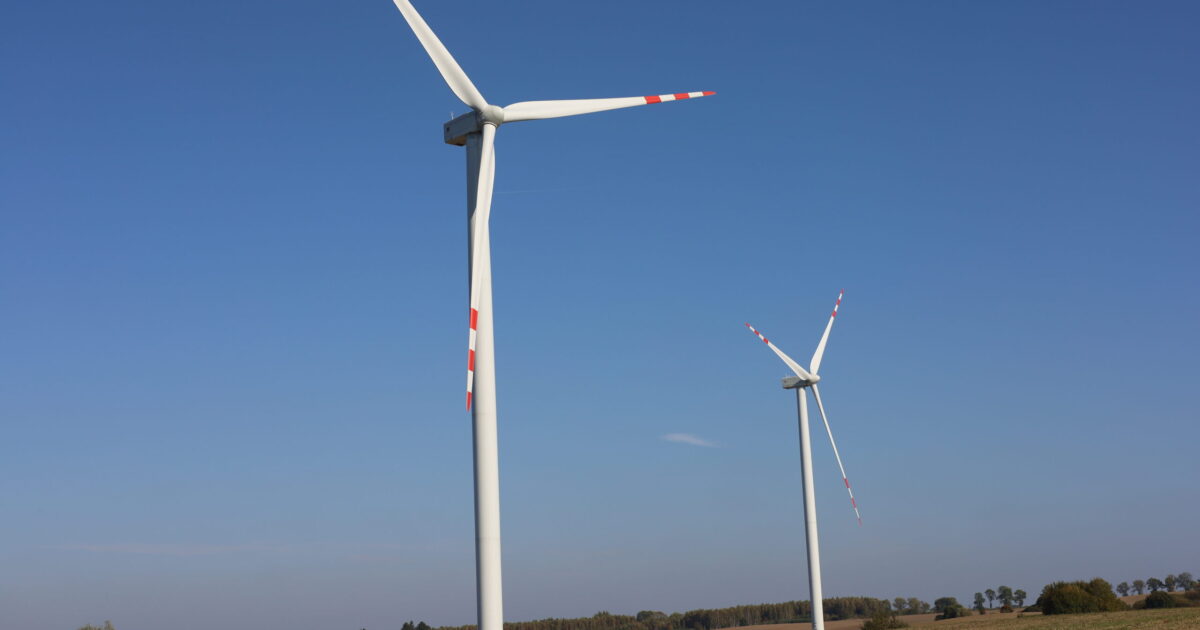
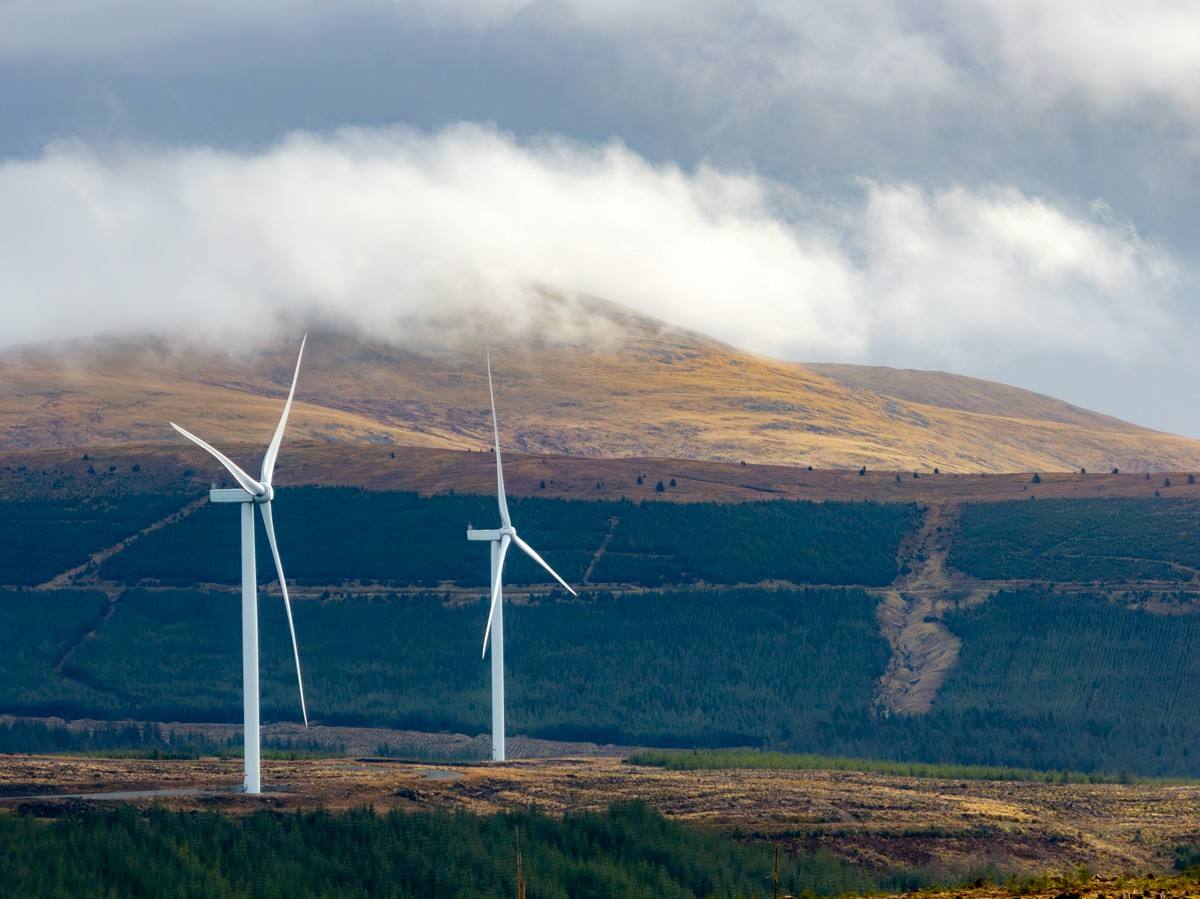
Europe has approximately 304 GW of installed onshore and offshore wind power, nearly double the U.S. combined total of about 161 GW. Wind power in the Netherlands accounts for approximately 25% of the country's clean electricity supply, and this renewable energy mix places unique pressure on the grid, including intentional reduction of power output when generation exceeds demand (i.e., curtailment). The European Commission's Joint Research Centre predicts that up to 310 TWh of renewable energy will be curtailed annually due to grid congestion, potentially resulting in over $100 million in additional grid costs per year.
"European grids are already curtailing clean electricity on a massive scale, wasting power generated at a cost of billions of dollars, while society still relies on fossil fuels to fill the gap. Short-duration batteries cannot solve this problem. They shift solar power by a few hours, but wind-dominated European grids require storage that works across days, not hours," said Aytaç Yilmaz, co-founder and CEO of Ore Energy.
Yilmaz added: "The company's long-duration iron-air batteries are built precisely for this: they capture wind energy when it blows and release it when it doesn't, replacing the gas-fired power plants that currently fill these multi-day gaps, and using a Europe-controlled supply chain. Iron-air batteries will be as important for wind power as lithium-ion batteries have been for solar."
Ore Energy uses iron, water, and air in its system to store and release energy, operating on the principle of electrochemical oxidation of the anode metal and reduction of oxygen at the cathode. Battery energy storage also demonstrates greater power flexibility in supporting both gas-fired generation and renewable energy generation for data centers, capable of instantaneously responding to transient load fluctuations caused by artificial intelligence tasks.
Budget Thuis is an energy management provider that also bundles electricity, gas, and telecommunications services for households, and is part of Nuts Groep. Its CEO, Annemarie Buitelaar, stated: "Iron-air batteries are particularly compelling because they are designed for long-duration use cases that traditional batteries cannot cover, with a cost structure suited for multi-day storage. This is about reducing exposure to volatile fossil fuel prices while providing customers with cleaner, more predictable electricity over time."
Other companies developing iron-air battery energy storage in the United States include Form Energy and ESS. Iron-air batteries are too heavy for electric vehicle applications but have demonstrated successful use cases in stationary and grid-scale projects. Other companies are also developing sodium-ion and zinc-based batteries as long-duration alternatives to the shorter discharge capabilities and fire risks of lithium-ion batteries.
This article is compiled by Wedoany. All AI citations must indicate the source as "Wedoany". If there is any infringement or other issues, please notify us promptly, and we will modify or delete it accordingly. Email: news@wedoany.com