Emirates to Launch 60-A380 Retrofit in August 2026 as Part of $5 Billion Program
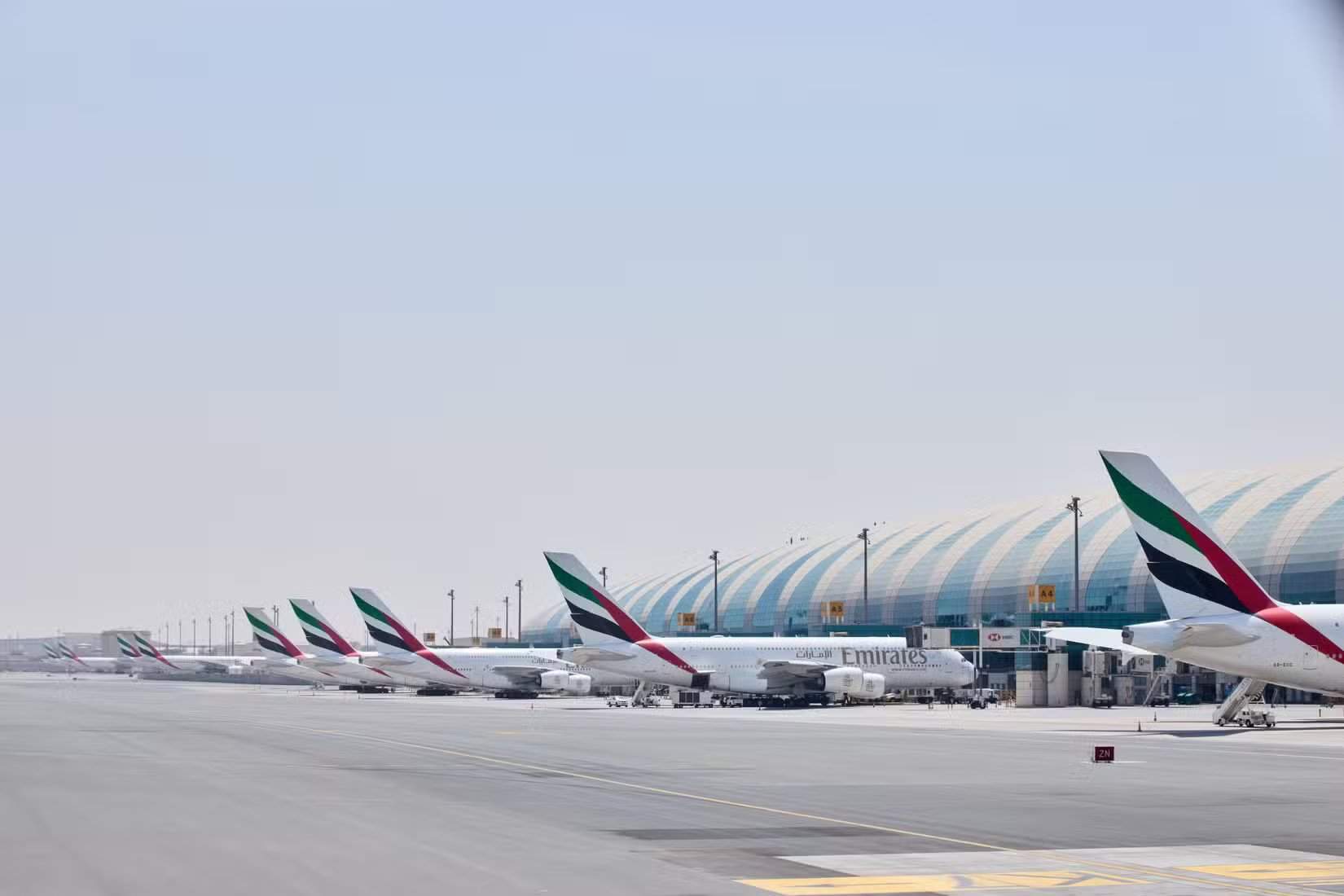
en.Wedoany.com Reported - Emirates plans to launch the next phase of its largest-ever cabin retrofit program in August 2026, comprehensively upgrading 60 Airbus A380s and 51 Boeing 777s, including seats, entertainment screens, connectivity, and lounges. This initiative is part of Emirates' $5 billion commitment to refurbish all 219 aircraft in its active fleet; as of April 2026, 93 aircraft have been completed. For the first time, the upgrade will simultaneously install new seats, next-generation in-flight entertainment (IFE) systems, and Starlink connectivity as an integrated solution on the A380.
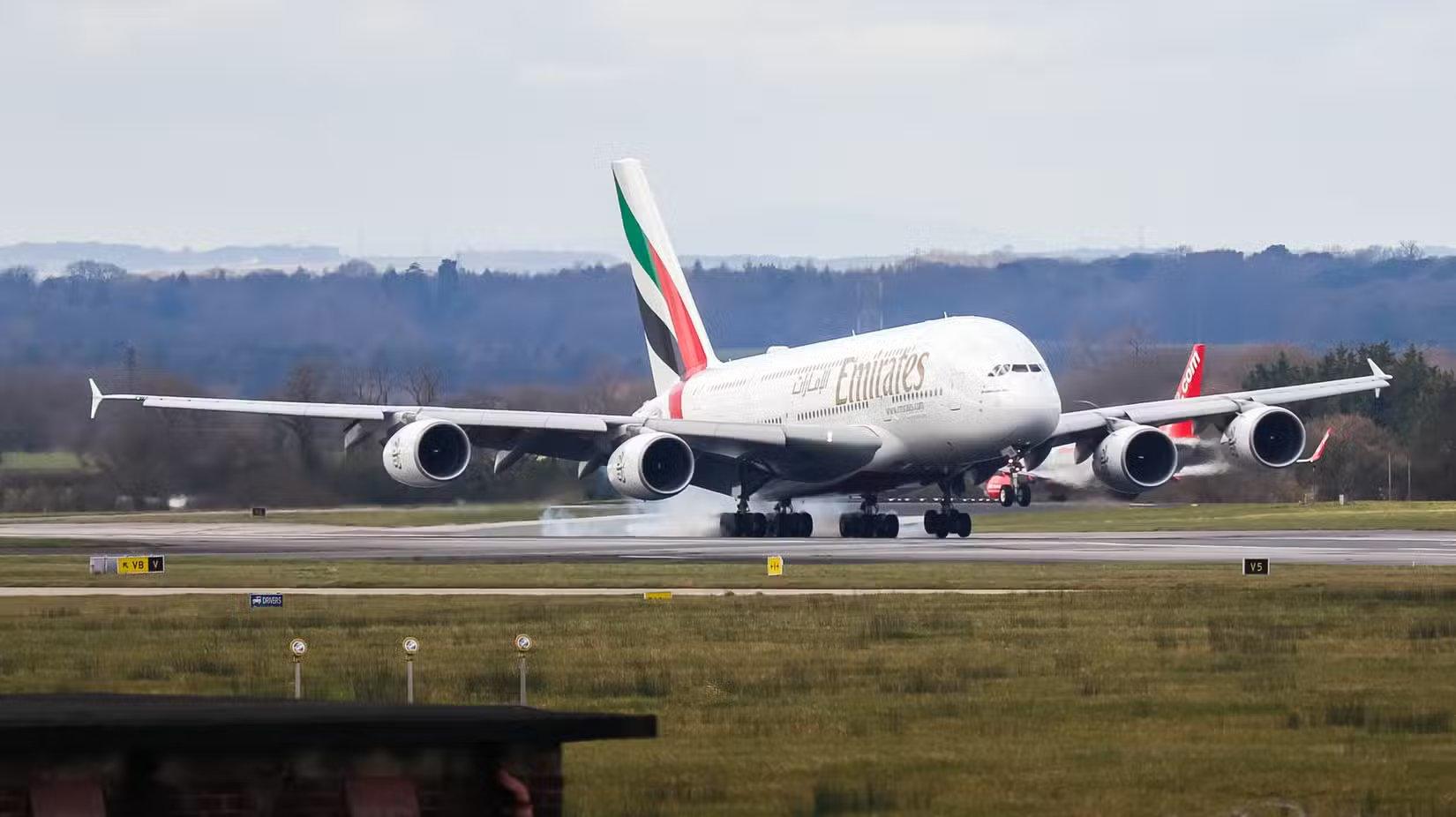
The logistics and engineering scale of the entire project is beyond the capacity of most global maintenance, repair, and overhaul (MRO) organizations. On the 60 A380s, each aircraft can carry up to 615 passengers in Emirates' highest-density configuration and 484 passengers in the standard four-class layout. Emirates Engineering serves as the primary executor, with partners including Airbus, Safran, Recaro, Panasonic Avionics, SpaceX's Starlink division, and UUDS. According to a statement from Emirates President Sir Tim Clark in the official press release, the program aims to "continuously raise standards across the entire fleet" and achieve "large-scale product consistency."
Connecting a double-deck aircraft like the A380 to satellite internet presents unique engineering challenges. The A380 is 238.6 feet (72.7 meters) long with a wingspan of 261.8 feet (79.75 meters), and its two passenger decks are separated by a structural floor, with potentially over 600 passengers demanding high-bandwidth access simultaneously. To address this, Emirates employs an industry-first three-antenna configuration (electronically scanned array, ESA), adding one ESA to the dual-antenna setup on the Boeing 777, supplemented by additional wireless access points to support inter-deck integration. The three antennas together provide a total aircraft bandwidth exceeding 2 Gbps, a significant leap from the 1 Mbps bandwidth of Emirates' original in-flight internet system. The first A380 to receive Starlink (registration A6-EEA, 13 years old) completed installation and certification at Newquay Airport in April 2026 before returning to Dubai. The service will be offered free of charge to passengers in all cabins, with one-click registration and no advance booking required. Future enhancements will include live TV streaming via Starlink.
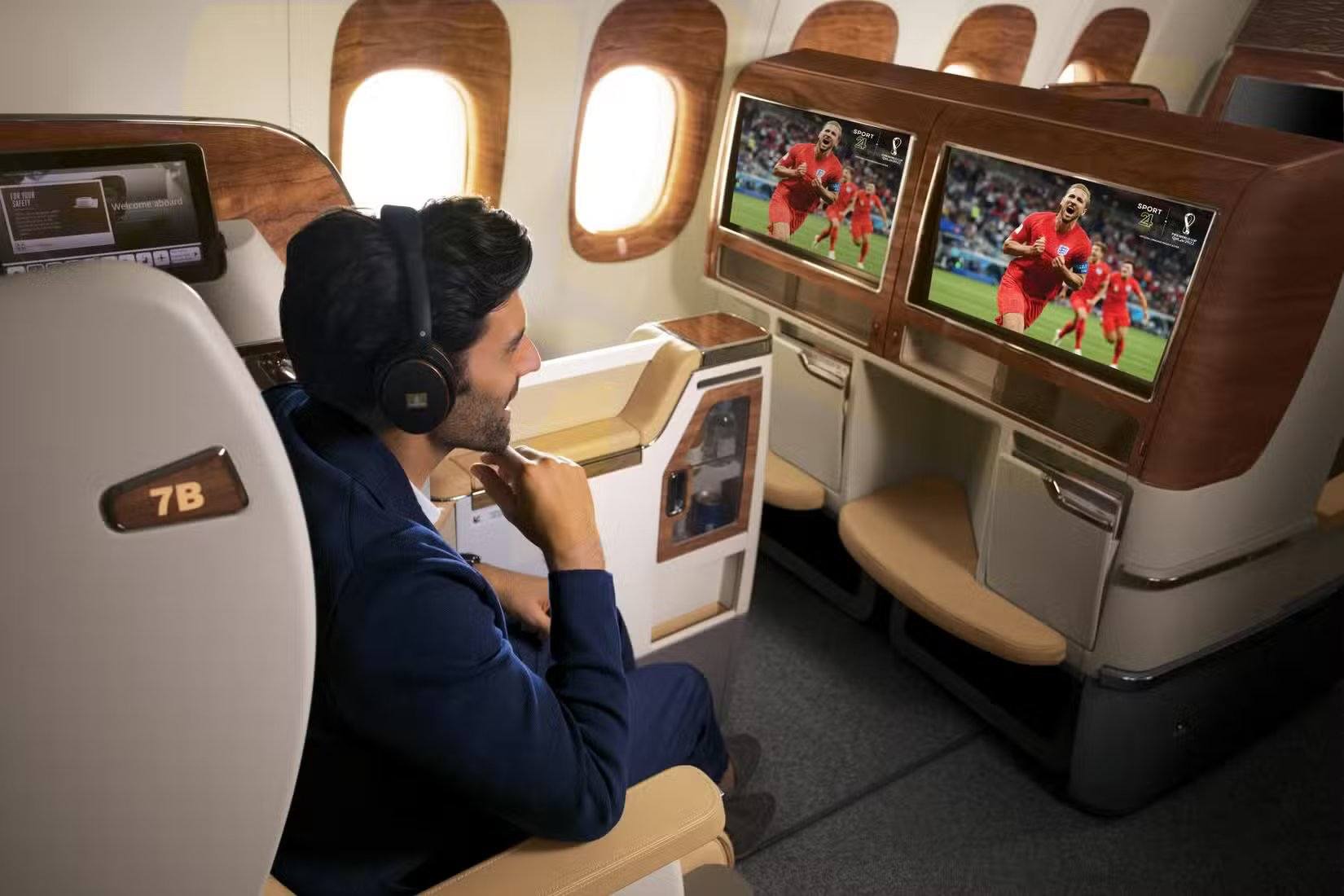
Retrofitted aircraft will be equipped with the Panasonic Astrova platform, replacing the existing ICE (Information, Communication & Entertainment) system. The new system features 4K OLED HDR10+ screens at every seat, capable of delivering true blacks, infinite contrast, and peak brightness performance superior to standard LCD screens. It supports Spatial Audio, allowing passengers to pair their own wireless headphones via Bluetooth. Each seat is equipped with a 67W USB-C charging port, sufficient to charge a laptop during long-haul flights. The system also integrates Panasonic's Arc 3D 4K moving map, rendering terrain and flight route information in 4K resolution with stereoscopic effects. The modular architecture of Astrova allows independent upgrades of displays, power systems, and connectivity modules. From a commercial perspective, the system integrates with Emirates' Skywards frequent flyer program, with a smart recommendation engine that learns individual passenger preferences over time and suggests personalized content; real-time interactive data also allows Emirates to optimize its entertainment library based on actual passenger viewing habits.
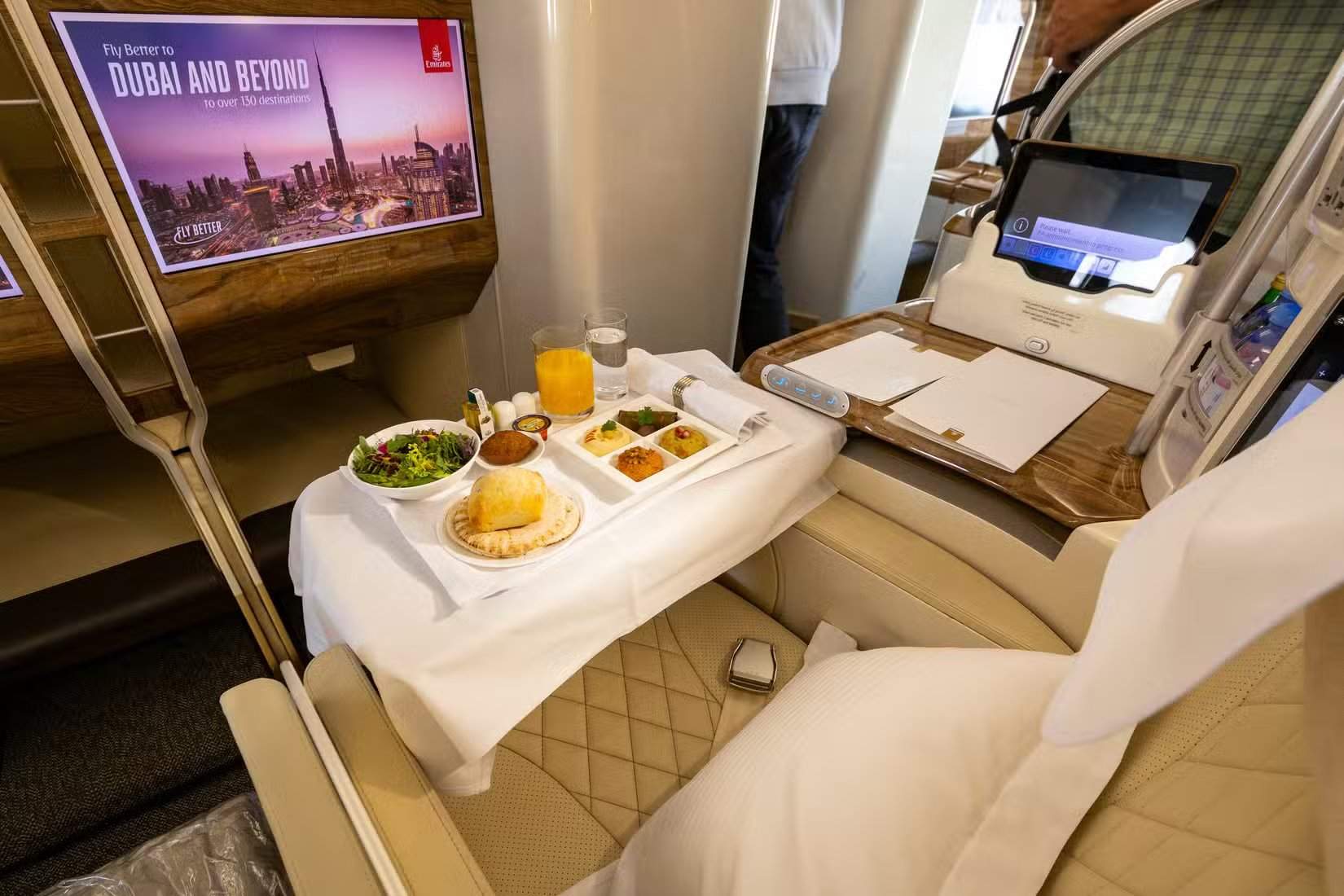
In terms of seating, the retrofitted A380 business class features seats inspired by the Safran S Lounge design, identical to those on Emirates' upcoming A350 fleet. These seats integrate wireless charging into the side cocktail table, offer customizable seat lighting, and include a minibar along with multiple charging options such as USB-C and wireless ports. Economy class passengers will experience Safran's lightweight Z400 seats, equipped with adjustable eight-way headrests. Premium economy will continue to use Recaro seats, featuring a mechanical recline system, integrated leg and foot rests, adjustable headrests, and 13.3-inch entertainment screens. The iconic A380 onboard lounge will also be redesigned to maintain consistency with new seat materials, lighting tones, and the overall cabin concept.
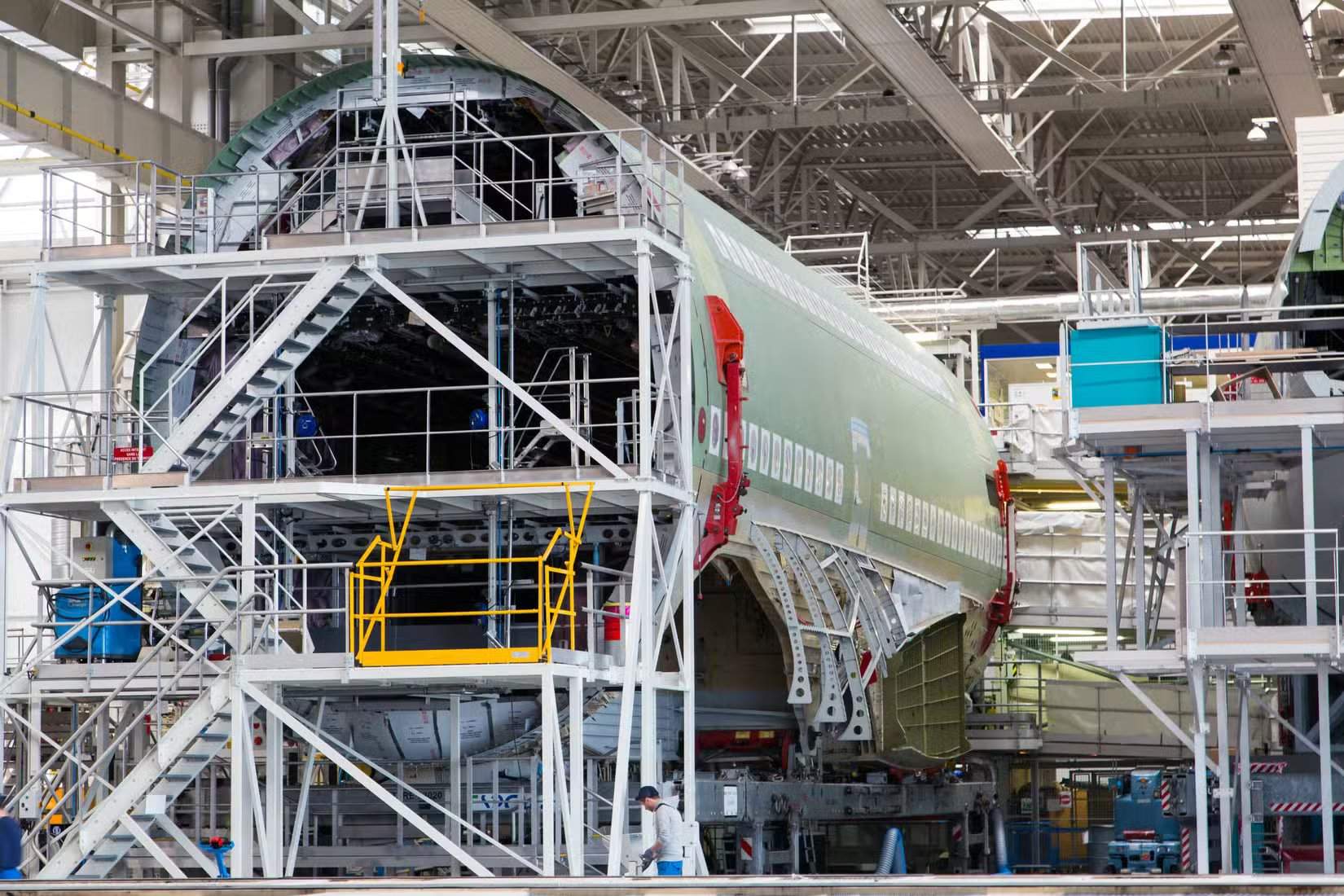
Emirates officially states that a full A380 retrofit takes 22 days, while a Boeing 777 retrofit takes 18 days. According to independent tracking reported by Paxex.aero, the actual average downtime for recent A380 retrofits is closer to 45 days, more than double the official figure; Boeing 777 retrofits range between 21 and 23 days. The discrepancy for the A380 stems from its higher complexity: an additional passenger deck means extra rows of seats, IFE screens, power and data cabling, and the installation of a third antenna for Starlink. Moving Starlink installation to Emirates Engineering facilities in Dubai should help shorten the retrofit timeline for subsequent A380s, but whether it can bridge the gap between 22 and 45 days remains to be seen.
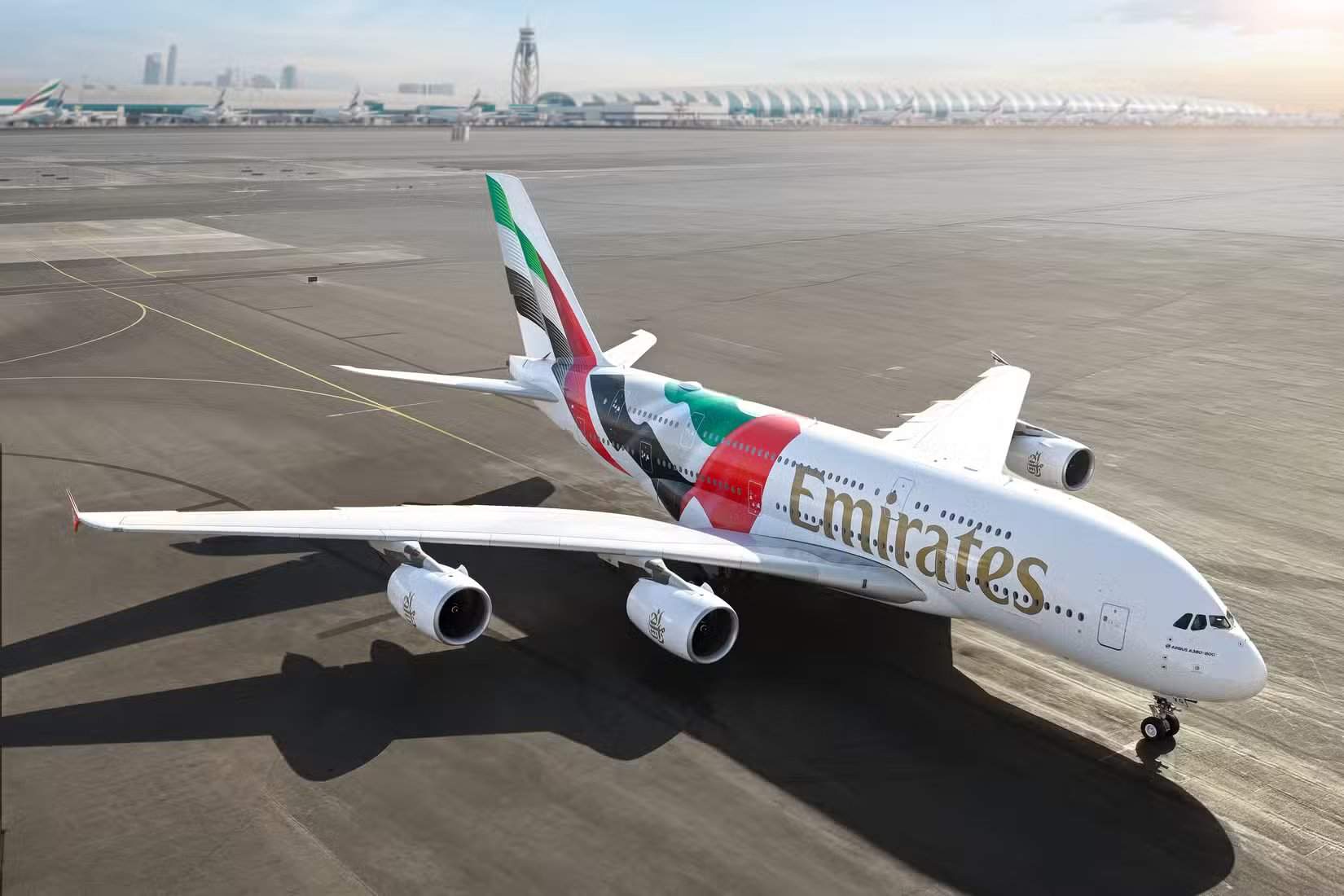
This retrofit program is set against the backdrop of delays in the Boeing 777X delivery. Emirates' record order for 150 Boeing 777-9 and 777-8 aircraft has been delayed by several years compared to the original schedule. By equipping the A380 with Starlink and upgrading its cabins, Emirates ensures its superjumbos can offer connectivity and entertainment experiences comparable to competing aircraft types such as the 787 and A350. Emirates' oldest A380 entered service in 2008, and this retrofit extends the commercial viability of these airframes, potentially keeping them in operation into the 2030s.
This article is compiled by Wedoany. All AI citations must indicate the source as "Wedoany". If there is any infringement or other issues, please notify us promptly, and we will modify or delete it accordingly. Email: news@wedoany.com
Related Products

XC-6000e Type Aviation Catering Truck (Fuel Type)
Shenzhen CIMC-TianDa Airport Support Ltd.
China - Alashankou/Khorgos - Europe Full Range Transportation (Mala/Hamburg/Duisburg/Budapest, etc.)
Shenzhen Neptune Logistics Co., Ltd.

Pantograph-Catenary Comprehensive Detection Device (1C)
CHENGDU TANGYUAN ELECTRIC CO., LTD.


ERW Welded Pipe (Black Pipe and Hot-dip Galvanized Steel Pipe)
Handan Zhengda Steel Pipe Co., Ltd.
"Shunyi 1600" Deep-submerging Bottom-sitting Multi-functional Wind Power Engineering Vessel
Zhengli Offshore Engineering Co., Ltd.