Turkish Airlines Considers Reintroducing Premium Economy on Widebody Aircraft from 2028
en.Wedoany.com Reported - Turkish Airlines plans to expand its fleet to over 800 aircraft by 2033, and reintroducing premium economy is a key part of this expansion strategy. Chairman Prof. Murat Seker outlined the strategy in an interview with Forbes.
Seker stated that despite challenges such as fuel price instability due to the Iran crisis, changes in passenger demographics, and volatility in Middle Eastern airspace, Turkish Airlines remains committed to its long-term development plan. The airline does not intend to alter its widebody or cargo fleet targets but may adjust its narrowbody fleet plans. Its goal is to expand its route network to approximately 350 destinations, with annual revenue exceeding $50 billion.
The reintroduction of premium economy is part of the airline's trend toward "premiumization" of its fleet. Turkish Airlines plans to debut fully enclosed Crystal Business Class suites on the A350 in early 2027, followed by modifications to its Boeing 777 aircraft. Seker told Forbes that the number of seats per aircraft is expected to increase by over 12%, with business class capacity rising by 10% or more.

The central location of Istanbul Airport (IST) allows Turkish Airlines to reach approximately 50% of the global population, helping the carrier adjust its plans amid geopolitical obstacles. The airline previously introduced a basic premium economy product called "Comfort Class" from 2010 to 2013, but it was short-lived and unsuccessful due to inconsistent transit passenger experiences or limited fleet deployment. However, in the post-pandemic era, global demand for premium cabin products is increasing. Seker said: "We are also evaluating introducing premium economy on widebody aircraft starting in 2028, with approximately 8-9% of current economy capacity potentially allocated to the new cabin. Our research shows that on long-haul flights, about two-thirds of passengers are willing to pay a premium for extra legroom and comfort."
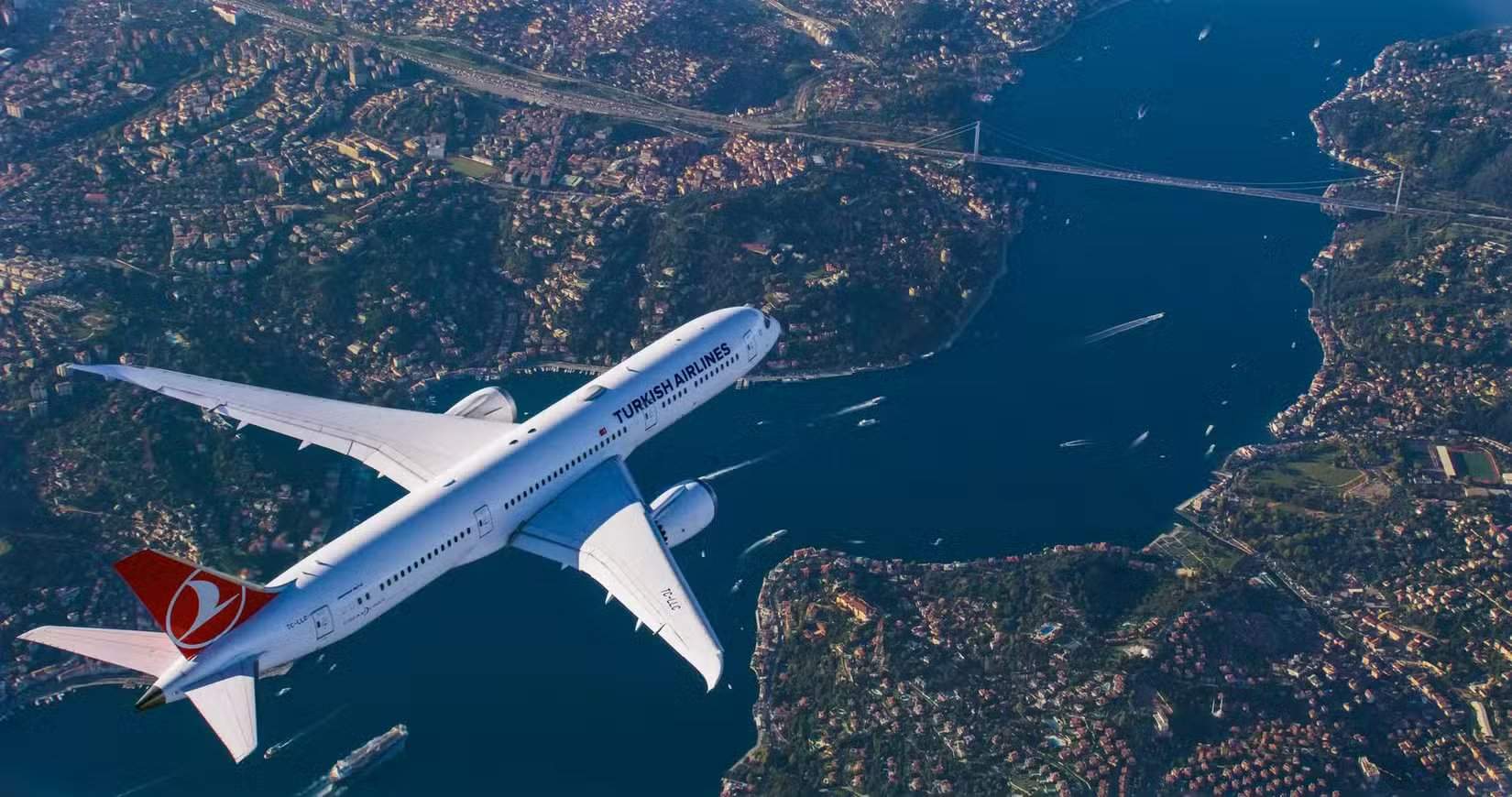
The new premium economy will offer wider seats, greater legroom, increased recline, and adjustable leg rests. The previous "Comfort Class" featured a 2-3-2 seat layout, with only 28 business class seats and 63 seats in the premium economy section, a ratio different from typical configurations at other airlines. Seker acknowledged that the previous layout may not have been ideal but believes the timing is now right. It can be expected that the upcoming product will feature the opposite ratio, with a larger business class section than premium economy. Additionally, Turkish Airlines is a key shareholder in TCI Aircraft Interiors, which produces Royalux seats suitable for narrowbody business class or "premium economy on widebody fleets." These seats are equipped with privacy dividers, adjustable headrests, and built-in technology screens and device chargers.
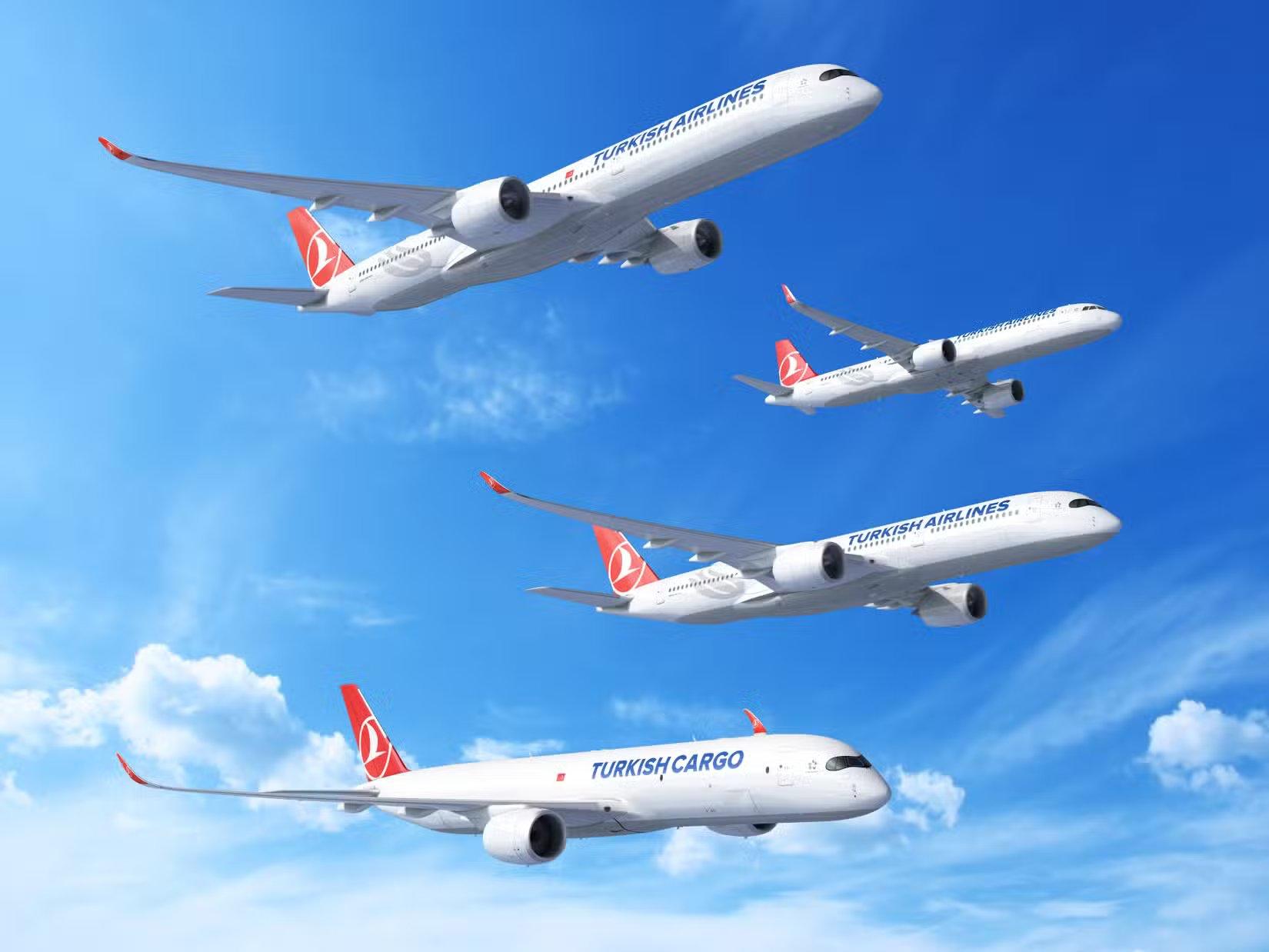
By consistently and universally reintroducing premium economy across new airframes, the airline hopes to eliminate the issues that led to the failure of its first attempt. The most likely candidate for the debut of the upgraded premium economy experience is the new Airbus A350-1000 twin-aisle jet, which will begin deliveries in the second half of 2027. Although the arrival of the stretched A350 has been delayed, the airline expects to have 15 in service by 2030. Turkish Airlines also holds a substantial order for Boeing 787 Dreamliners, with confirmed orders for 35 787-9 long-range and 15 larger-capacity 787-10 variants, plus options for an additional 25. These aircraft are expected to be delivered between 2029 and 2034, after the first A350-1000s enter service. Turkish Airlines has also committed to receiving a large number of 737 MAX aircraft in the future, effectively doubling its Boeing fleet in the coming years.
This article is compiled by Wedoany. All AI citations must indicate the source as "Wedoany". If there is any infringement or other issues, please notify us promptly, and we will modify or delete it accordingly. Email: news@wedoany.com
Related Products

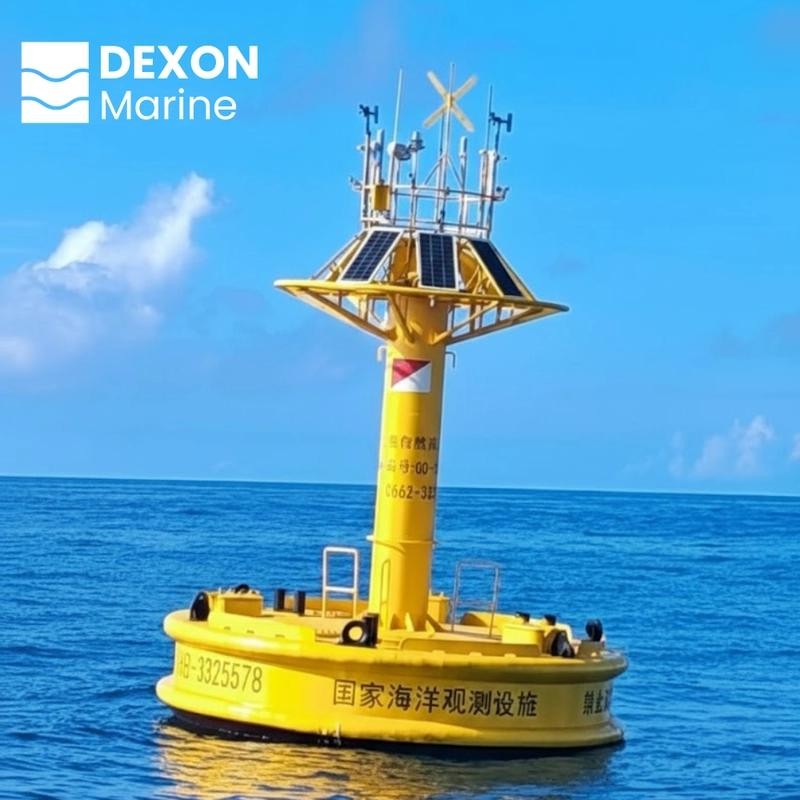
3m intelligent buoy combining navigation safety and real-time marine monitoring integrated navigation and marine monitoring system for real-time maritime data
Chengdu Dixin Technology Co., Ltd.
China - Alashankou/Khorgos - Europe Full Range Transportation (Mala/Hamburg/Duisburg/Budapest, etc.)
Shenzhen Neptune Logistics Co., Ltd.


Industrial and Commercial Point-Type Gas Detector
Jinan Benan Technology Development Co., Ltd.