Brazil Launches Soybean Fallow Period to Combat Asian Rust in 2025/26 Growing Season
en.Wedoany.com Reported - The soybean fallow period has officially begun nationwide in Brazil, a measure aimed at controlling Asian rust, a highly lethal fungus that can destroy entire soybean plantations if not effectively managed.
As states begin enforcing regulations, the agricultural sector is mobilizing to eliminate volunteer soybean plants (tigueras). These volunteer plants serve as a green bridge for the pathogen to survive between crop cycles, providing a winter host for the fungus.
Producers are required to clear crop row areas within 10 days. The national schedule is tailored to the distinct climatic conditions of each region, aiming to interrupt the fungus's life cycle in a coordinated manner. The fallow periods for each state are as follows: Paraná from June 10 to September 10, Mato Grosso and Mato Grosso do Sul from June 15 to September 15, Bahia Zone I from June 26 to October 7, and Goiás and Minas Gerais from July 1 to September 30.
Brazil's national soybean planted area for the 2025/26 growing season reaches approximately 48 million hectares. Agricultural experts point out that without interrupting planting, the fungal inoculum pressure for the next season would increase exponentially, potentially raising the number of fungicide applications to six or seven, thereby driving up production costs.
Technical recommendations clearly require that any newly emerged soybean plants be removed within 30 days of emergence or before reaching the V4 stage. Violators will face administrative penalties, with the greater risk being yield losses in the 2026/27 growing season. In western Bahia, planting is not permitted until at least October 8.
Complying with the fallow period is not only a legal obligation but also a necessary measure to safeguard yields. Given the international market's focus on the quality of Brazilian soybeans, stringent disease control has become a competitive advantage for the country in maintaining its position as the world's largest soybean supplier. The challenge in the coming months lies in ensuring monitoring across the entire planted area to prevent the green bridge from compromising the potential production capacity of the world's largest harvest.
This article is compiled by Wedoany. All AI citations must indicate the source as "Wedoany". If there is any infringement or other issues, please notify us promptly, and we will modify or delete it accordingly. Email: news@wedoany.com
Related Products


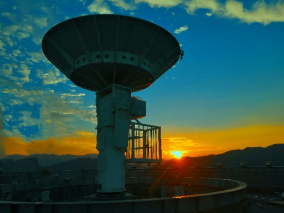
714CD Series C-Band Weather Radar
Chengdu Zhongdian Jinjiang Information Industry Co., Ltd.
4HS-8 High-efficiency Peanut Inverted-laying Harvester
Hebei Yongfa Hongtian Agricultural Machinery Manufacturing Co., Ltd.