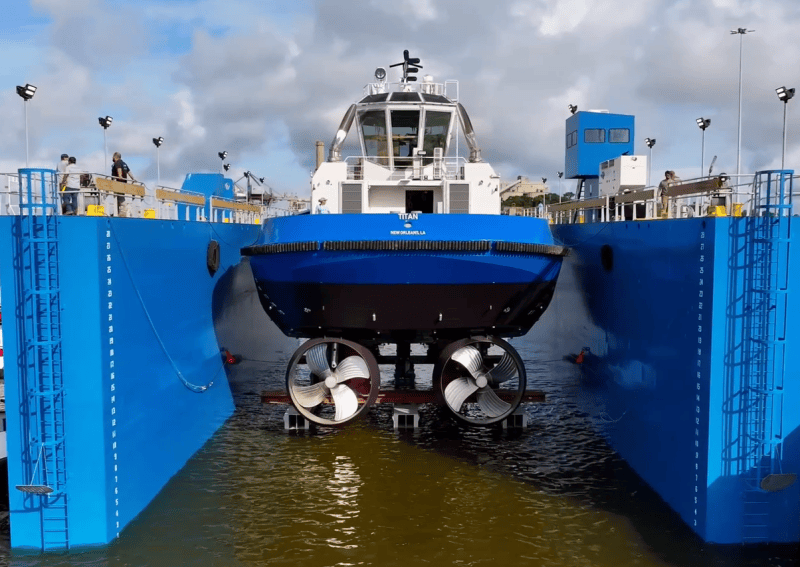
British Spirit Yachts Introduces Modern Manufacturing, First Boat to Launch in 2026
en.Wedoany.com Reported - British handcrafted wooden yacht manufacturer Spirit Yachts has introduced modern production methods such as CNC machining, lean manufacturing, and repeatable product platforms at its Ipswich shipyard, aiming to improve construction efficiency without sacrificing traditional craftsmanship. The company is currently advancing multiple projects simultaneously, including a performance racing yacht, a Spirit 78 sailboat, and two P50 powerboats. Among these, the P50 Sport is expected to launch in the summer of 2026, while the P50 Coupé is scheduled for delivery in 2027. The product line covers multiple segments of the high-end yacht market and involves both traditional and electric propulsion.
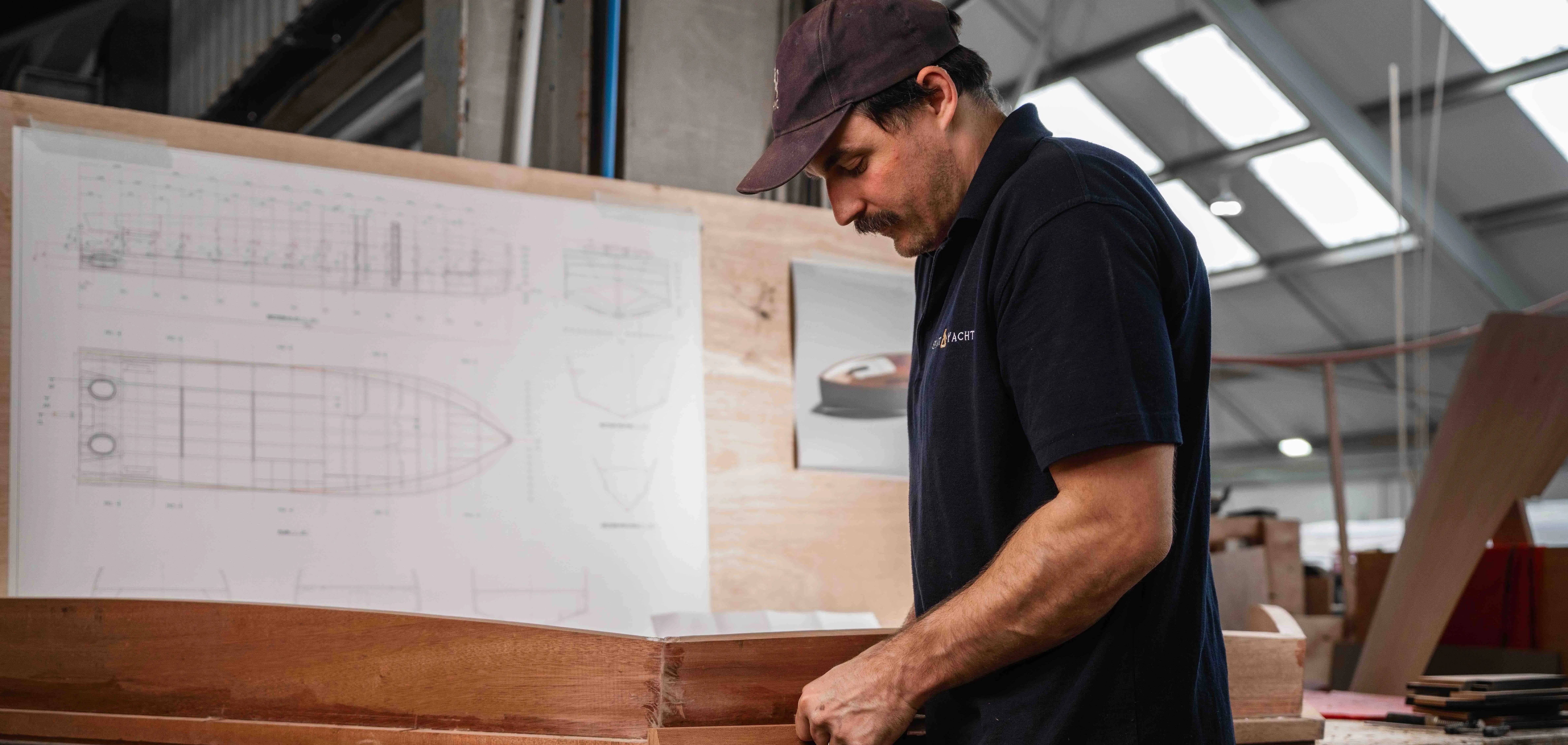
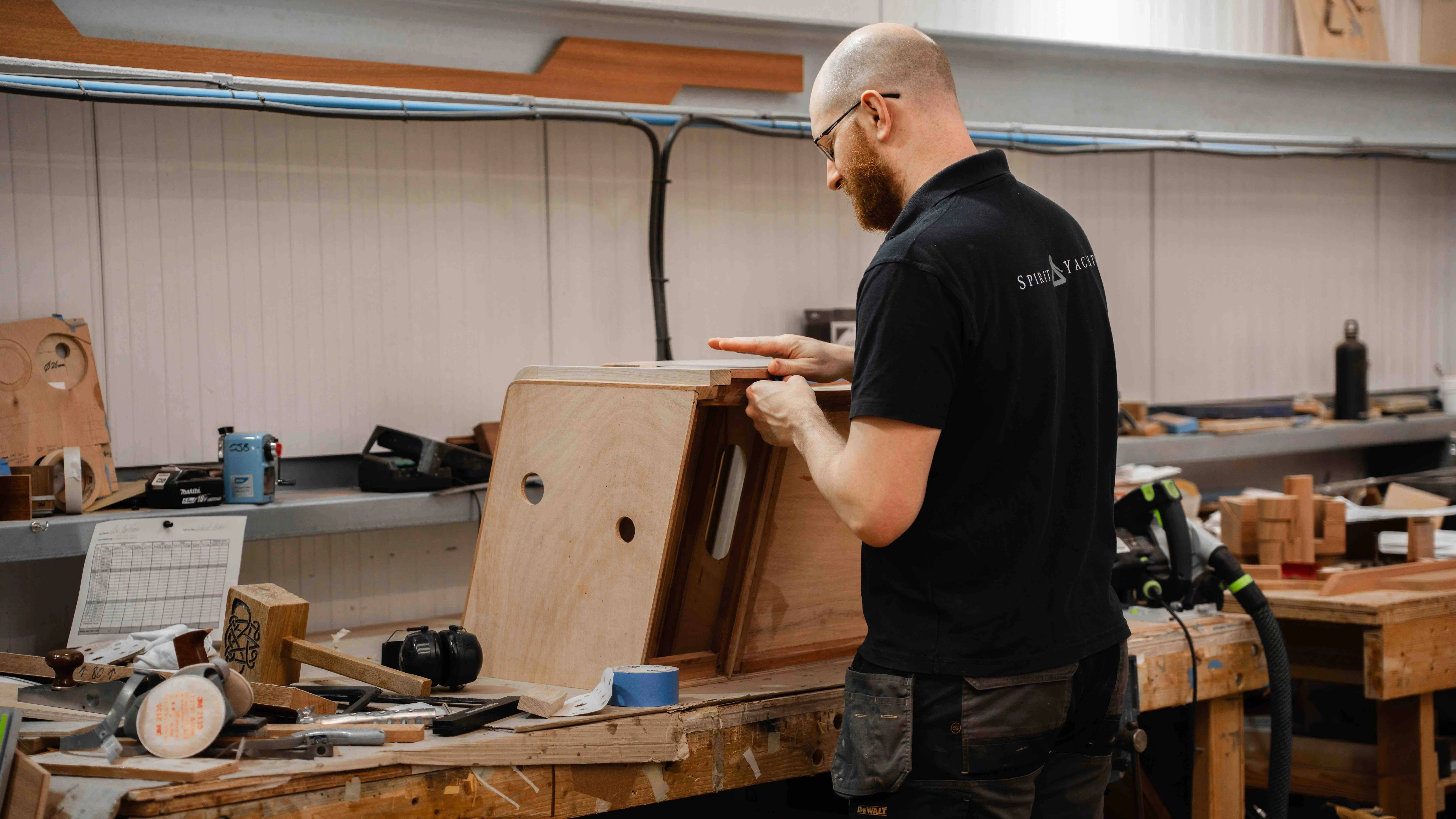
Karen Underwood, Managing Director of Spirit Yachts, stated that the iconic hull construction remains entirely handcrafted, but the company is retaining skilled labor in areas that truly matter to yacht owners while leveraging technology to improve consistency and efficiency in other aspects. Helen Porter, Marketing Director, added that if a component is not within sight, CNC manufacturing is valuable to both the business owner and the yacht owner.
The new P50 serves as the company's strategic flagship project for lean manufacturing. The vessel introduces technologies such as Volvo Penta IPS drives and joystick control, demonstrating how to balance traditional craftsmanship with structured, scalable production methods. Most components of the P50 are assembled outside the hull before installation to reduce congestion and improve workflow. The company has invested significant resources in scheduling, design documentation, and production planning for this purpose.
In terms of repeatability, Spirit aims to create controlled, repeatable processes rather than mass production. For example, the second P50 shares the same hull mold as the first but features larger doors and a third cabin. Repeatable tooling, molds, and component systems help reduce development time for subsequent vessels.
Underwood issued a warning about potential disruptions in the supply chain, particularly regarding engine components, while the company is also monitoring the availability of fabrics and other specialized products. The annual shutdown in parts of Europe during August continues to pose challenges to planning. Underwood stated that UK manufacturers should focus on locally available resources and adopt them as standards.
The company is also collaborating with suppliers to develop custom systems, such as working with Lewmar on the P50's hidden anchor system. As the design team pushes technical boundaries, suppliers that stand out are those willing to engage in joint R&D and confirm feasibility. Spirit views supplier relationships as long-term partnerships rather than transactions.
In terms of materials, Spirit continues to seek sustainable alternatives to teak, has abandoned Douglas fir, and introduced Java teak supplied by family-owned timber specialist Sykes. This material has been installed on two yachts. Underwood noted that new materials require more consideration during installation, including grain patterns, knot placement, and material utilization.
This article is compiled by Wedoany. All AI citations must indicate the source as "Wedoany". If there is any infringement or other issues, please notify us promptly, and we will modify or delete it accordingly. Email: news@wedoany.com
Related Products



CAP1400 main feedwater flow nozzle flowmeter.
Jiangsu Hongda Instrument Technology Co., LTD.
QLZNGJ Intelligent Steel Reinforcement Trolley
Luoyang China Railway Qiangli Machinery Co., Ltd.
Strip Coating and Plating Production Line Equipment
MCC-SFRE HEAVY INDUSTRY EQUIPMENT CO., LTD.
High-Speed Railway Lifting, Transporting, and Erecting Equipment: Integrated Transport and Erection Machine
Hanjiang Heavy Industry Co., Ltd. of China Railway 11th Bureau Group
Industrial and Commercial Point-Type Gas Detector
Jinan Benan Technology Development Co., Ltd.