China Test Electronic Launches Multiple Airborne Equipment Lightning Indirect Effect Test Systems
en.Wedoany.com Reported - Suzhou Test Electronic Technology Co., Ltd. (brand 3ctest) of China has launched multiple test systems that comply with international and national standards to meet the lightning-induced protection testing requirements for airborne equipment. When an aircraft flies in severe convective weather, lightning strikes can generate transient induced voltages or currents in the circuits or cables of airborne equipment, known as indirect lightning effects, which may lead to loss of control or even fire. Therefore, airborne equipment must undergo corresponding lightning protection design and test verification. The multi-burst pulse test system and the lightning-induced transient susceptibility test system are key devices for simulating indirect lightning effects and verifying the immunity of airborne equipment.
Founded in 2004 and located in Suzhou New District, Test Electronic is a national high-tech enterprise integrating scientific research, design, manufacturing, sales, and service, focusing on the development of electromagnetic compatibility (EMC) and complex electromagnetic environment effects (EEE) test environments and testing technologies. The company has served over 8,000 customers, with products exported to Europe, North America, and Southeast Asia, covering application fields such as power systems, automotive electronics, aerospace, military, medical devices, and new energy, and serving numerous EMC testing and certification agencies and research institutes. The company has been accredited as a National Postdoctoral Research Workstation, a National Specialized and New "Little Giant" Enterprise, and a Jiangsu Provincial Engineering Technology Research Center for Electromagnetic Environment Effects Test Systems, and serves as a governing unit of the China Electrotechnical Society and the secretariat of the Electromagnetic Compatibility Professional Committee of the China Power Supply Society.
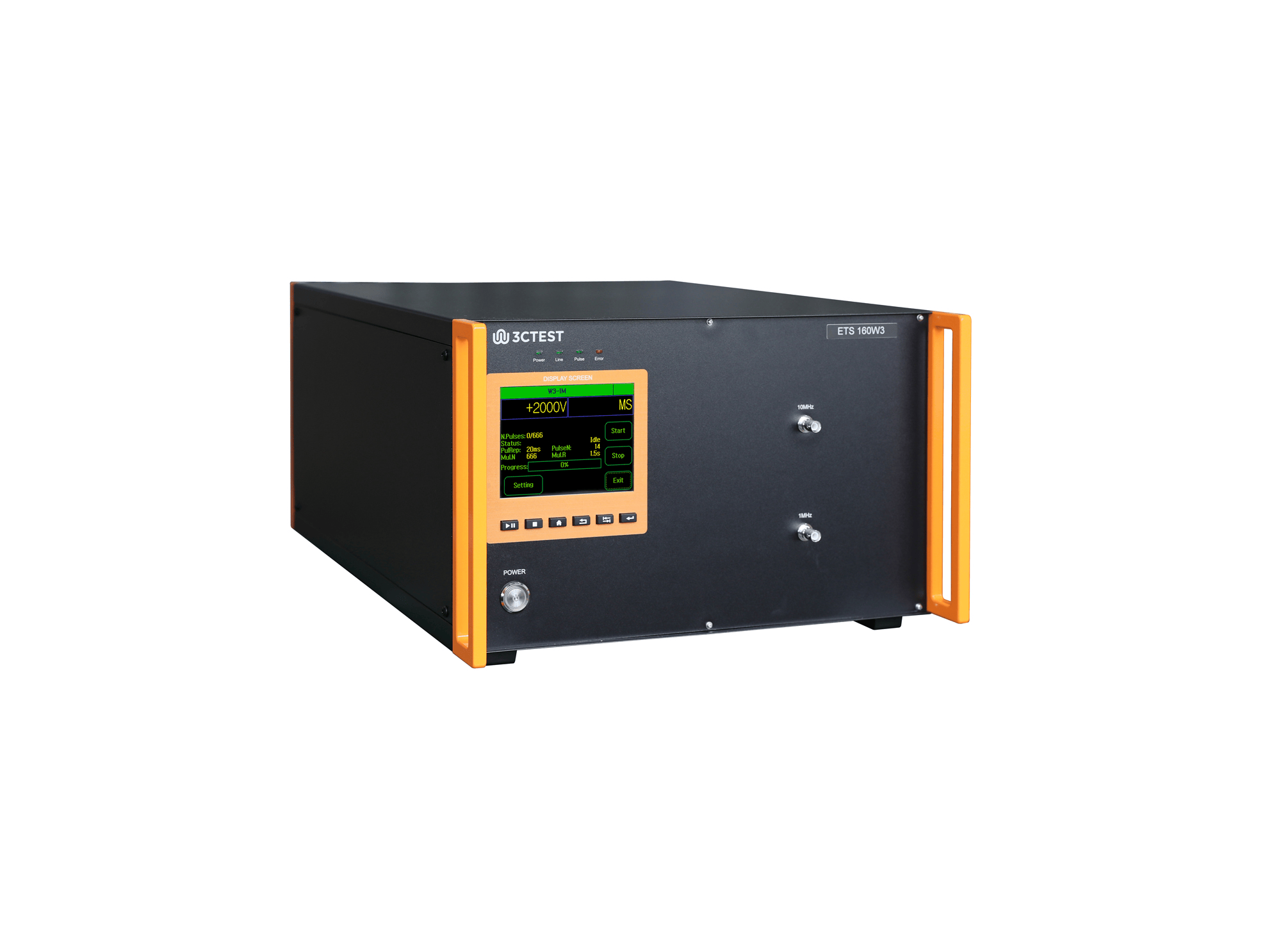
In terms of multi-burst pulse test systems, the ETS 160W3 is designed according to DO-160G S22 and MIL-STD-461G, equipped with a 5.7-inch color touch screen, meeting the test requirements for Waveform 3 (1 MHz and 10 MHz), supporting cable bundle test level 5 with an output voltage up to 5 kV; when the coupler is loaded with a 3-meter cable, it still meets test level 5 requirements with a maximum output voltage of 4 kV. This device can be remotely controlled with CoreLab software, suitable for complex test environments. The ETS 160MB/ETS 160ML can simulate Waveform 2 (W2), Waveform 3 (W3), and Waveform 6 (W6) as defined in DO-160G Part 22, meeting pin direct injection tests and cable bundle cable induction tests for levels 1 to 5, and complying with GJB 8848-2016 Class A, B, C, and D EUT pulse injection levels and MIL-STD-461G CS 117 standards. This equipment adopts a modular structure design with independent pluggable waveform output modules. When performing signal/power pin direct injection (PI) tests, it can automatically synchronize with the EUT AC power peak or from 0° to 359° (resolution 1°), and supports CoreLab remote control.
For lightning-induced transient susceptibility test systems, the LSS 160SM6 and LSS 160SM8 can meet the test requirements for Waveform 1, Waveform 4, and Waveform 5A/5B. Among them, the LSS 160SM6 supports pin injection tests and cable bundle tests up to level 3; the LSS 160SM8 supports pin injection and cable bundle tests up to level 5, and is equipped with auxiliary devices such as high-frequency couplers, power blocking devices, transient blocking devices, and pin injection probes. The LIS 100B can meet the test requirements for Waveform 2, Waveform 3 (1 MHz and 10 MHz), and Waveform 6, supporting levels up to 3. All the above systems support remote control via Corelab software. During pin injection tests, the LSS 160SM8 and ETS 160MB/ML can set the output trigger synchronization angle relative to the AC power peak (0° to 359°, resolution 1°). When used in combination, the two mainframes (LSS series and ETS series) can output six types of waveforms, covering the six waveform types defined in DO-160G Part 22.
In terms of scientific research and innovation, Test Electronic has participated in the National Natural Science Foundation of China's major scientific research instrument development project "ERCP Combined with High-Voltage Pulsed Electric Field for Minimally Invasive Precision Treatment of Hepatobiliary and Pancreatic Tumors" (81727802) and the National Key Research and Development Program "Electromagnetic-Acoustic-Optic Coupled Non-Invasive Steep Pulsed Electric Field (sPEF) Ablation System for Early Gastrointestinal Cancer" (2018YFC0115300). In February 2023, relying on its self-developed technology, the company completed what it claims to be the world's first endoscopic pulsed electric field tumor ablation procedure. The company has applied for 128 patents, with 87 under substantive examination and 49 invention patents granted. In the field of standard development, the company has participated in the drafting of 42 national standards, with 33 already published, including GB/T 17626.5-2019 "Electromagnetic compatibility – Testing and measurement techniques – Surge immunity test." The company has also led or participated in the compilation of national calibration specifications such as "Calibration Specification for Electrostatic Discharge Targets" and "Calibration Specification for Lightning-Induced Transient Signal Generators for Airborne Equipment."
The company operates a comprehensive testing service platform covering 17 major product categories, 204 testing parameters, and 146 implementation standards, with a laboratory area of 4,000 square meters and a total investment of 80 million RMB. It is equipped with facilities including a 10-meter semi-anechoic chamber (21.5m × 12.5m × 8.8m), a 3-meter semi-anechoic chamber (9m × 6m × 6m), a 1-meter semi-anechoic chamber, an automotive electronics chamber, a military standard chamber, a lightning high-current physical damage test system (ABCD waves), and a 3MV lightning attachment point test system, holding CNAS and CMA laboratory accreditations. The service network covers the Suzhou headquarters and representative offices in Beijing, Xi'an, Shenzhen, Chengdu, and Taiwan, with partner customers spanning aviation and military enterprises such as AVIC, China Aerospace Science and Technology Corporation/China Aerospace Science and Industry Corporation, the Civil Aviation Airworthiness Certification Center, BYD, SAIC, NIO, XPeng, Li Auto, Geely, and Chery, as well as new energy companies and testing agencies such as SGS, TUV, and GRGT.
This article is compiled by Wedoany. All AI citations must indicate the source as "Wedoany". If there is any infringement or other issues, please notify us promptly, and we will modify or delete it accordingly. Email: news@wedoany.com
Related Products

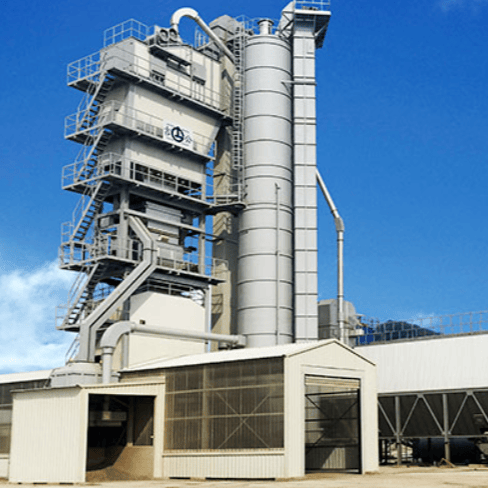
LBH4000 Batch Environmental Protection Asphalt Mixing Plant | Asphalt Batching Plant | Asphalt Mixing Plant
Jilin Province Road Construction Machinery Co., Ltd.

Pneumatic high-pressure wear-resistant ball valve
Zhejiang Deca Control Valve Meter Co., Ltd.
Industrial and Commercial Point-Type Gas Detector
Jinan Benan Technology Development Co., Ltd.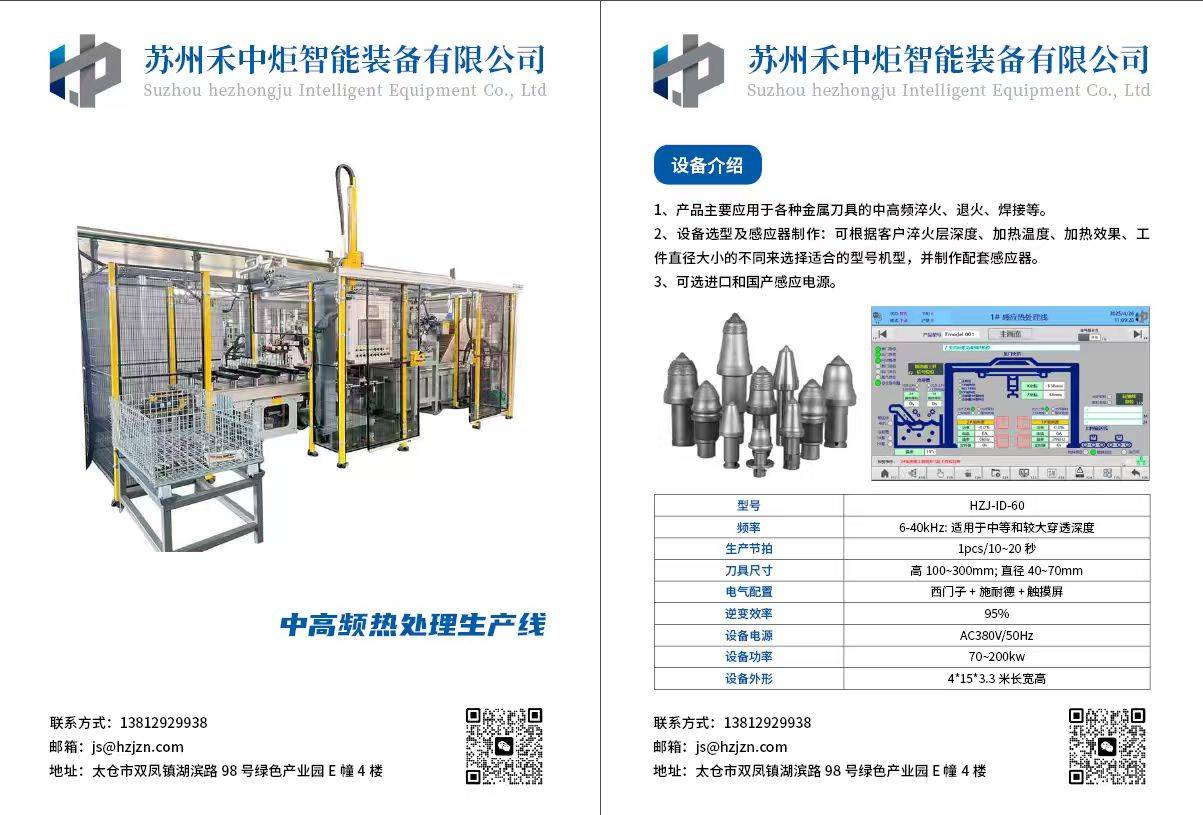
Excavator Bucket Teeth Heat Treatment Production Line
Suzhou Hezhongju Intelligent Equipment Co., Ltd.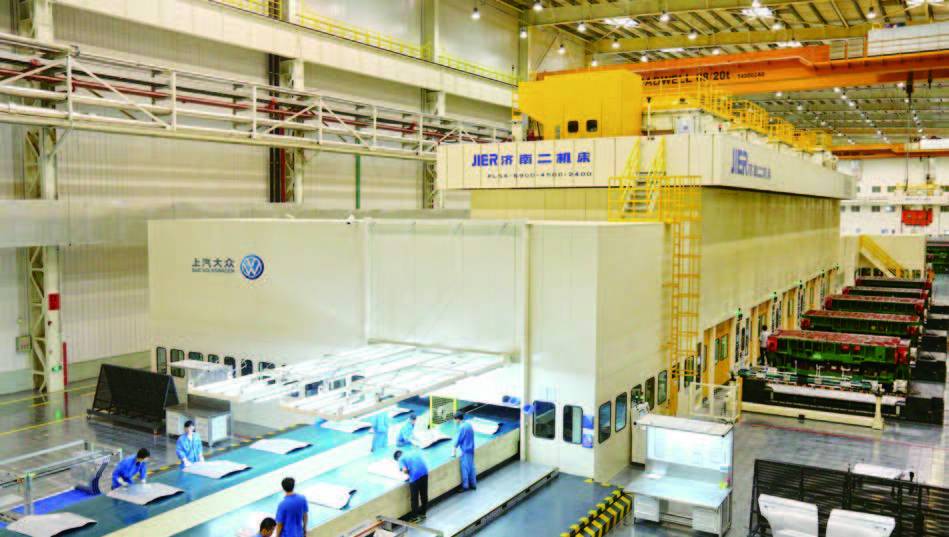
High-Speed Flexible Fully Automatic Stamping Production Line
JIER Machine-Tool Group Co., Ltd.
Strip Coating and Plating Production Line Equipment
MCC-SFRE HEAVY INDUSTRY EQUIPMENT CO., LTD.