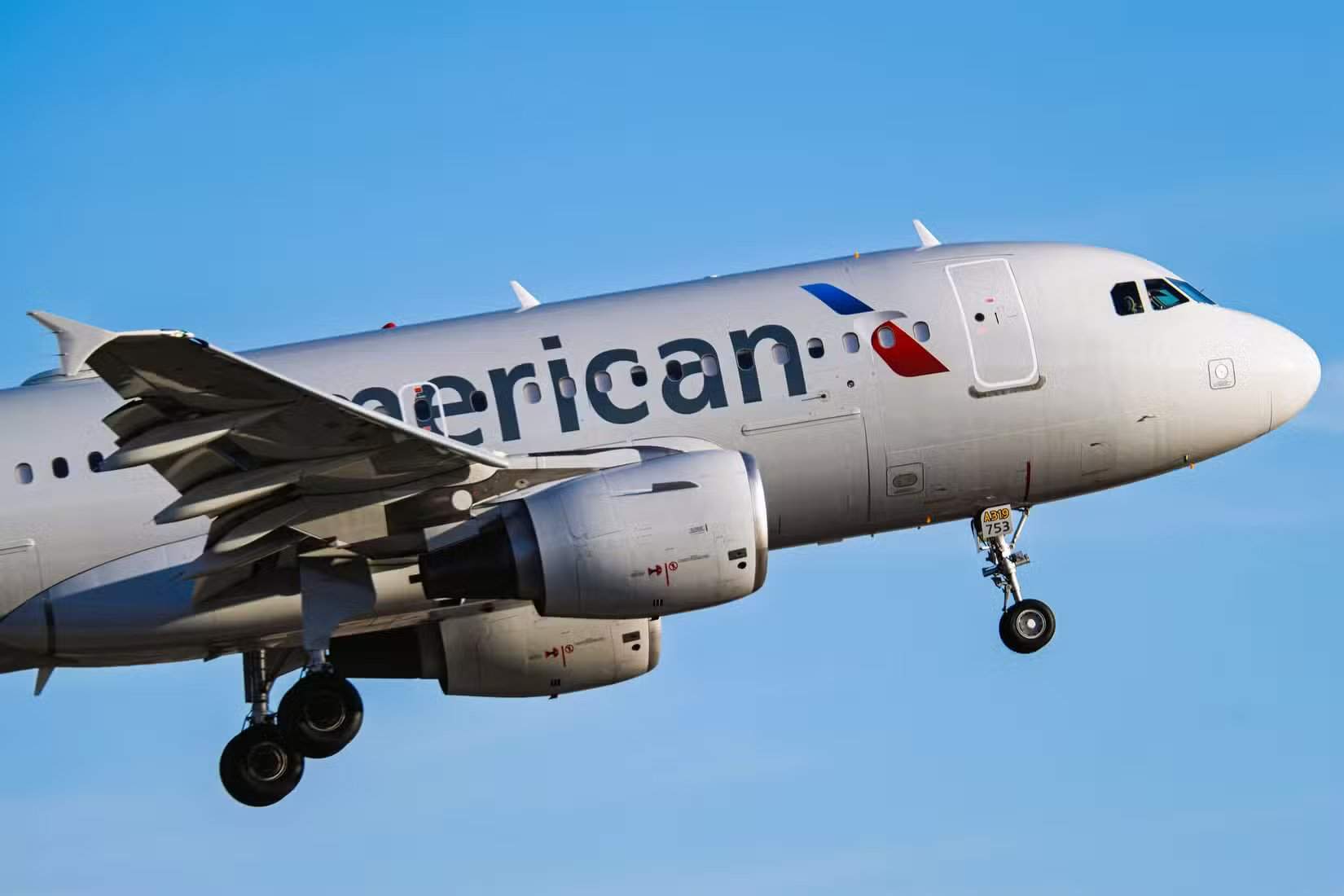
en.Wedoany.com Reported - American Airlines is advancing one of its most distinctive cabin retrofit projects, refurbishing its fleet of Airbus A319 and A320 aircraft to add more premium seats, update interiors, enlarge overhead bins, introduce new power options, and upgrade ambient lighting, with a cabin design style that will mimic its latest Boeing 787-9 and A321XLR aircraft.
A total of 180 aircraft—132 A319s and 48 A320s operated by American Airlines—will undergo this modification. The A320 is among the oldest in American Airlines' mainline fleet, with an average age of 25.2 years and the oldest reaching 28.5 years; the A319 has an average age of 22.2 years, with the subfleet split into two parts: one previously operated by America West Airlines and US Airways, and a smaller portion consisting of legacy American Airlines aircraft delivered after 2013. The legacy American Airlines A319s were initially introduced as a modern product, featuring seatback entertainment systems, USB ports, and universal power outlets. Some of these aircraft are now being included in a cabin retrofit project that removes seatback screens in favor of personal device streaming.
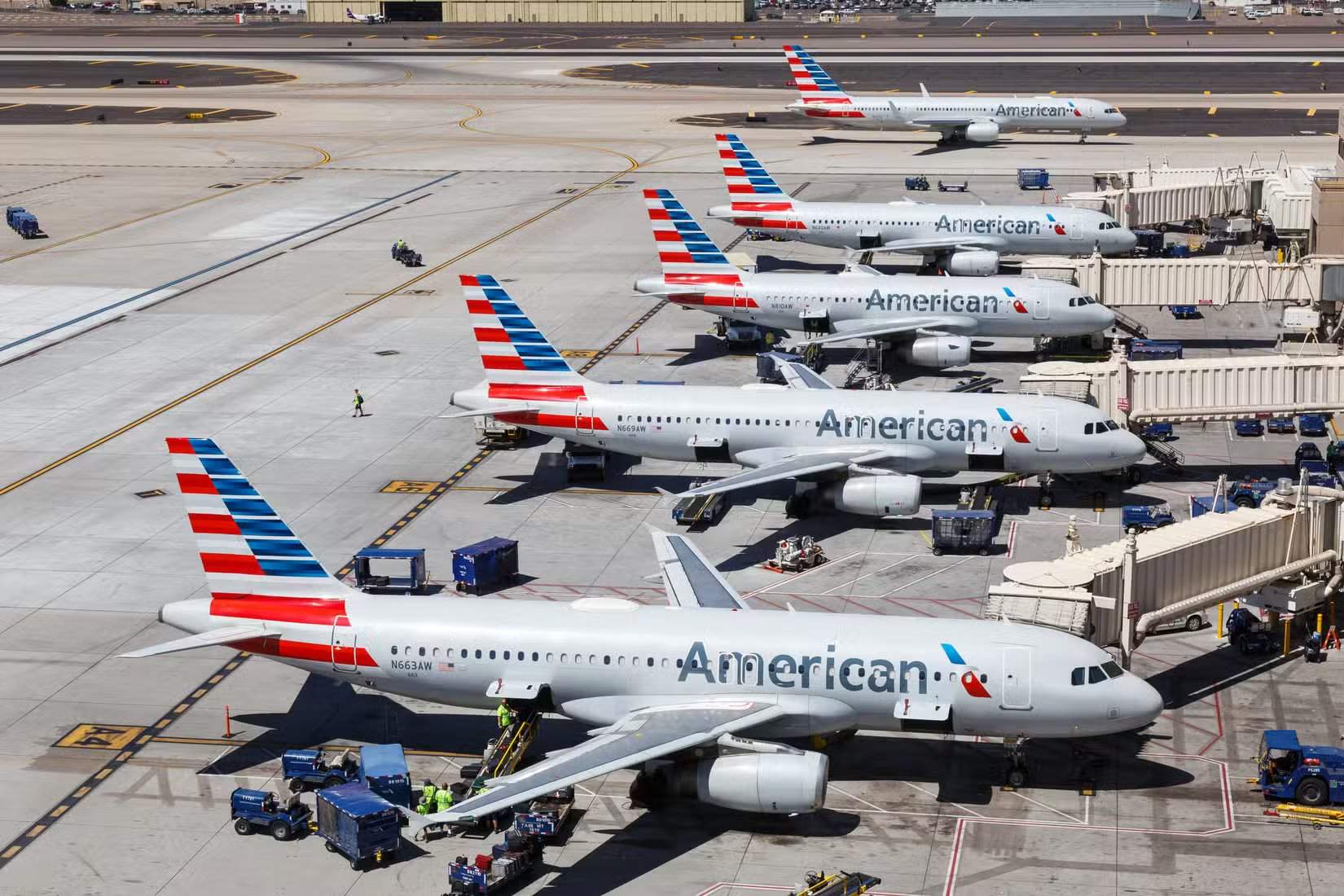
American Airlines stated that this retrofit is part of its "ongoing investment in the customer experience." The refurbished aircraft will feature new premium cabin seats with privacy wings, additional storage space, and two cocktail trays. The broader cabin overhaul also includes larger overhead bins, updated trims and finishes, enhanced ambient lighting, and multiple power options at every seat. Starting in 2027, A319 and A320 aircraft will receive Starlink service to support the airline's broader plan to provide fast, free Wi-Fi for AAdvantage members.
A comparison of seat layouts before and after the retrofit shows: the A319 goes from 8 first class, 24 premium main cabin, and 96 main cabin (128 seats total) to 12 first class, 24 premium main cabin, and 96 main cabin (132 seats total), adding 4 first class seats and increasing total seat count by 4; the A320 goes from 12 first class, 18 premium main cabin, and 120 main cabin (150 seats total) to 16 first class, 33 premium main cabin, and 101 main cabin (150 seats total), adding 4 first class and 15 premium main cabin seats, with total seat count unchanged. American Airlines previously stated that the retrofit work began in 2025, and the first retrofitted A319 prototype (N9002U) entered service earlier this year. American Airlines said passengers will see the refurbished aircraft "starting this summer."
The retrofit plan has drawn some criticism. The first point of criticism is the lack of seatback screens. American Airlines has added USB-C power, refurbished the cabin, and equipped it with Starlink, but still bets on personal device entertainment rather than restoring built-in screens. This is particularly notable for legacy American Airlines A319s, as these aircraft originally entered service with seatback screens. The second criticism is the reduced seat pitch in A319 first class—total capacity increased from 128 to 132 seats, increasing seat density. The third criticism is the increase in total A319 seat count, making the cabin more densely packed overall. The fourth criticism is the compact rear galley and lavatory layout, which creates a narrower workspace for flight attendants and more crowding around the rear lavatories. The fifth criticism is that the focus on premium seats may not significantly benefit the main cabin; economy passengers get new interiors but not fundamentally better seats. American Airlines frees up space by adopting a more compact rear galley and lavatory layout to accommodate the additional seats.
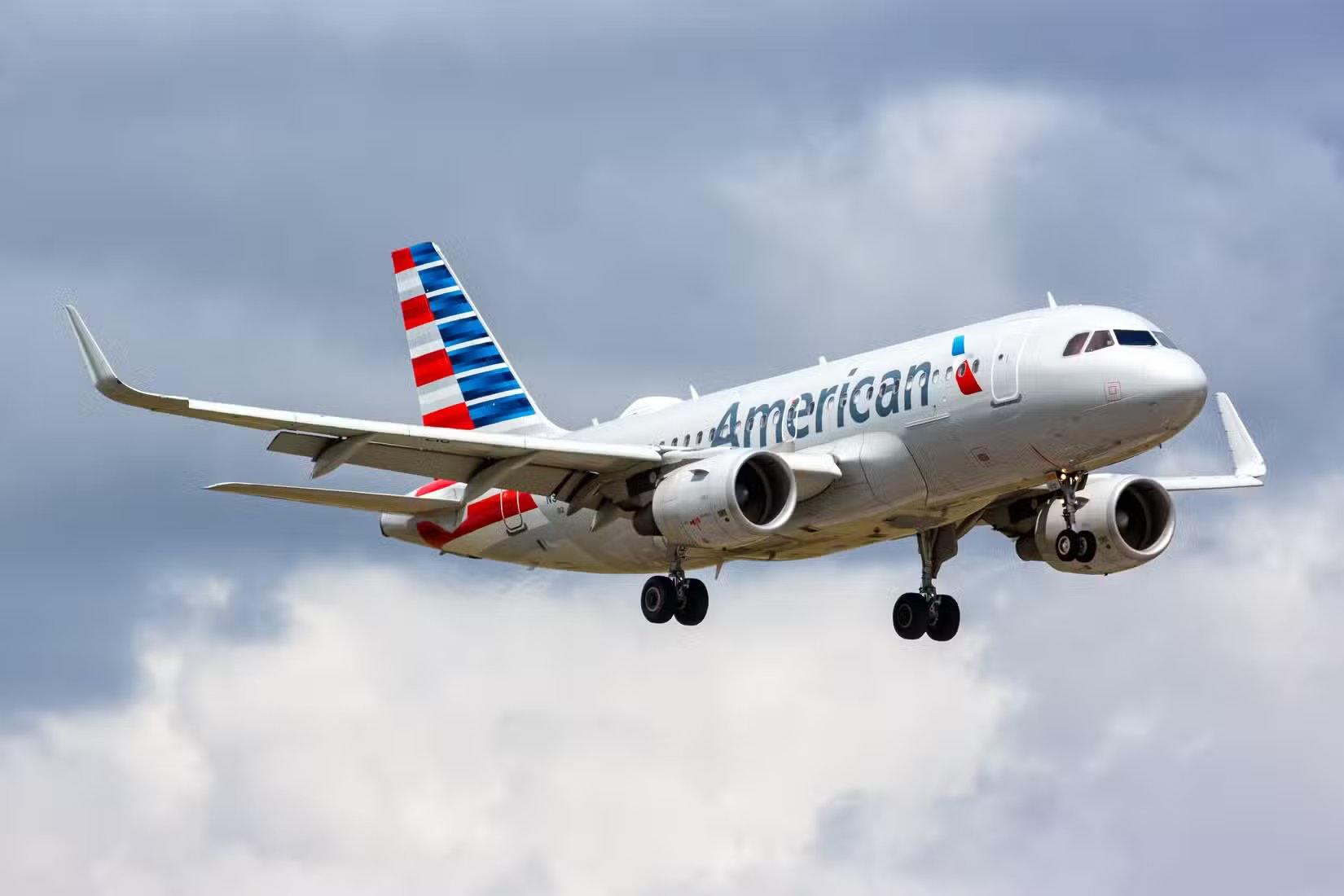
American Airlines' retrofit also offers genuine passenger benefits: larger overhead bins can improve the boarding experience, power at every seat is crucial for personal device entertainment, and a refurbished cabin can make older aircraft feel far newer than their actual age. However, criticism still centers on the trade-off between premium upgrades and cabin densification.
United Airlines is also pursuing premium seats, with its "United Next" plan driving premium seating through new A321neo and Boeing 737 MAX fleets, while implementing more noticeable passenger-facing upgrades across the entire cabin, including larger overhead bins, Bluetooth connectivity, faster Wi-Fi, and improved seatback screens. United Airlines considers seatback screens part of its brand identity, believing passengers should not have to use their personal phones to access a full in-flight entertainment experience. In contrast, American Airlines' retrofit focuses more on revenue rebalancing rather than a full-cabin experience upgrade. The refurbished A319 and A320 aircraft may look better and sell more premium seats, but the actual experience will largely depend on where passengers are seated.
This article is compiled by Wedoany. All AI citations must indicate the source as "Wedoany". If there is any infringement or other issues, please notify us promptly, and we will modify or delete it accordingly. Email: news@wedoany.com