US Micron Plans to Mass-Produce Next-Generation DRAM and NAND Nodes by 2027
en.Wedoany.com Reported - On June 24, US memory chip company Micron Technology stated that the development of next-generation DRAM and NAND nodes is progressing well, with mass production expected to begin in the second half of 2027. The company also disclosed that the production ramp-up speed for its 12-layer HBM4 product is currently twice that of the 12-layer HBM3E version, and it has delivered over $1 billion in HBM4 revenue, indicating that its AI memory products are entering a larger-scale commercialization phase.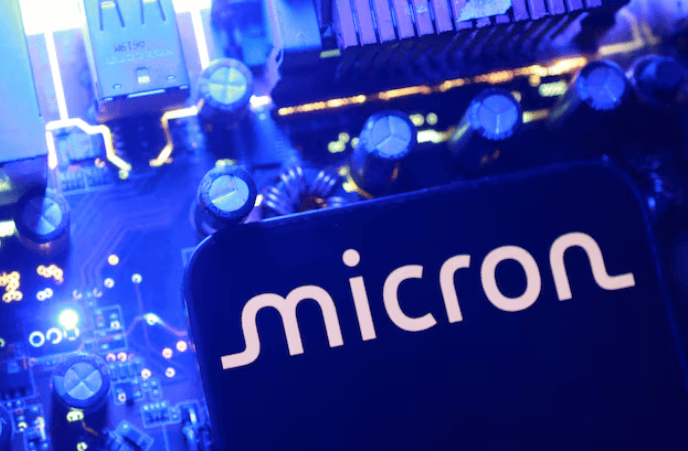
Micron Technology's existing 1γ DRAM and G9 NAND nodes are still ramping up, serving as the core process platforms in its current memory product portfolio. The plan to begin mass production of next-generation DRAM and NAND nodes in the second half of 2027 means the company has locked in its technology upgrades, capacity arrangements, and customer delivery schedules for the next two years. For memory chip companies, node iteration not only affects single-chip capacity and power consumption but also impacts wafer utilization, yield ramp-up speed, cost per bit, and the competitiveness of subsequent product portfolios.
HBM4 is one of Micron Technology's most closely watched high-end memory products. Compared to standard DRAM, high-bandwidth memory requires multi-layer stacking, advanced packaging, and more complex interconnect structures to achieve higher data throughput, primarily targeting AI accelerators, high-performance computing, and data center servers. Micron Technology disclosed that the ramp-up speed of its 12-layer HBM4 product is twice that of the 12-layer HBM3E version, indicating faster progress in multi-layer stacking manufacturing, packaging processes, yield control, and customer validation.
HBM4 revenue exceeding $1 billion also means this product has moved beyond sample introduction or small-batch validation. HBM products typically require collaborative validation with AI chips, server platforms, and system customers. Entering the revenue delivery stage indicates that the product has passed performance, power consumption, reliability, and supply chain evaluations from some customers. As AI servers continue to demand higher memory bandwidth and capacity, HBM is transitioning from a high-end supporting component to a key supply link in AI infrastructure.
Micron Technology's disclosure of node progress and HBM4 data also reflects shifting competitive priorities in the memory industry. In the past, DRAM and NAND competition revolved more around price cycles, capacity expansion, and cost reduction. Driven by demand from AI data centers, customers now focus more on high bandwidth, high capacity, low power consumption, and stable supply capabilities. Whether next-generation DRAM and NAND nodes can be mass-produced as planned in the second half of 2027 will impact Micron Technology's product cadence in markets such as AI servers, enterprise storage, terminal devices, and automotive electronics.
Micron Technology also faces dual pressures of capacity construction and technology transition. Introducing advanced nodes requires more cleanroom space, higher capital expenditure, and more complex process control, while HBM products consume more advanced packaging resources. To continue expanding HBM4 supply while advancing mass production of next-generation DRAM and NAND nodes, the company must maintain stable coordination among wafer manufacturing, packaging and testing, customer validation, and long-term supply agreements. Future attention should focus on the specific technology generations of Micron's 2027 mass production nodes, the scope of HBM4 customer adoption, and changes in the revenue share of high-end memory products.
This article is compiled by Wedoany. All AI citations must indicate the source as "Wedoany". If there is any infringement or other issues, please notify us promptly, and we will modify or delete it accordingly. Email: news@wedoany.com
Related Products



MUX Series Communication Interface Device for Security and Stability Control System
Nanjing NR Electric Co., Ltd.
Flat Portable Satellite Terminal 0.35m Aperture Manual Portable Terminal
China Starwin Science & Technology Co., Ltd.
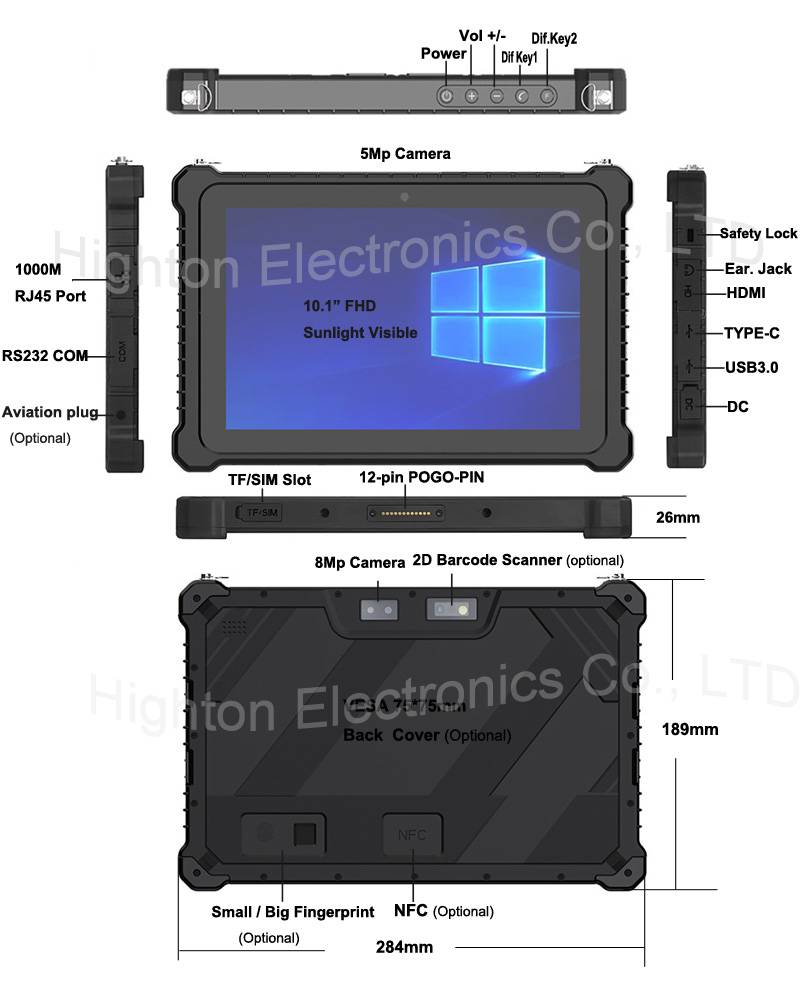
Hot Selling 10 Inch Intel N5100 I5 I7 FHD 8 +128GB 16+256GB Win10 Pro Win11 Pro 4G 5G Rugged Tablet PC Pad with NFC Barcode
Highton Electronics Co., Ltd.
Multi-function Marine Monitoring Low-altitude Detection Radar Sea-air Boundary Ocean Dynamic Environment Measurement
Chengdu Dixin Technology Co., Ltd.


TWP16 P-Band Tropospheric Wind Profile Radar
China Huayun Meteorological Technology Group Co., Ltd.
GYTA Type Non-Self-Supporting Aerial/Duct Optical Cable
TONGDING INTERCONNECTION INFORMATION CO., LTD.