Rosatom Designs New Large-Scale Plant for Reprocessing Spent Fuel from Thermal and Fast Reactors
en.Wedoany.com Reported - Rosatom is developing a large-scale project for the reprocessing of spent nuclear fuel and the recycling of recovered nuclear materials, which will be used in nuclear energy projects, including fourth-generation nuclear energy systems. The project follows the logic of a two-component nuclear energy development, where fast neutron reactors operate in close synergy with thermal neutron reactors, achieving a closed nuclear fuel cycle.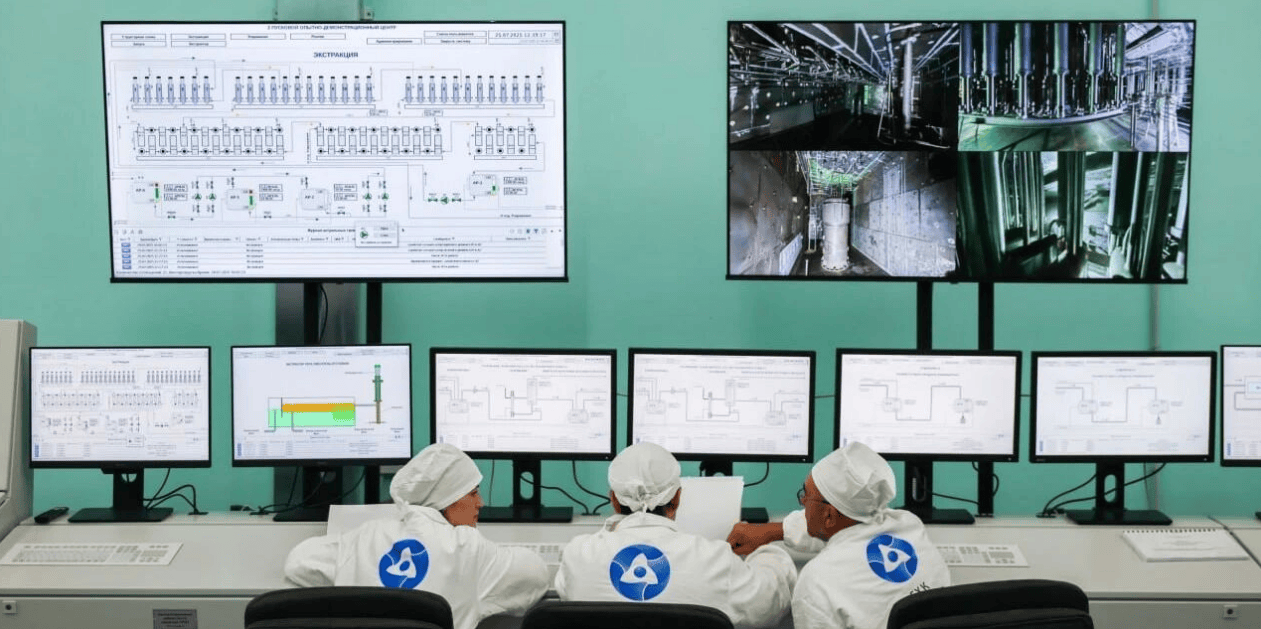
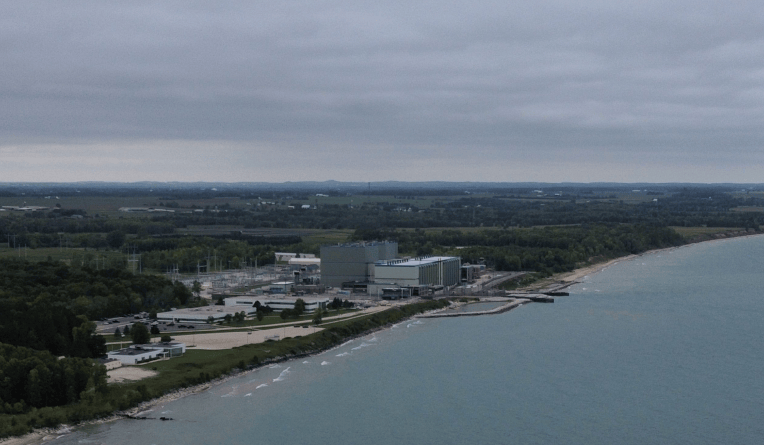
Investment justification work is currently underway, which will include site selection. A decision is planned by the end of this year, taking into account logistics, environmental factors, and the prospects for integrating new capacities into existing production chains.
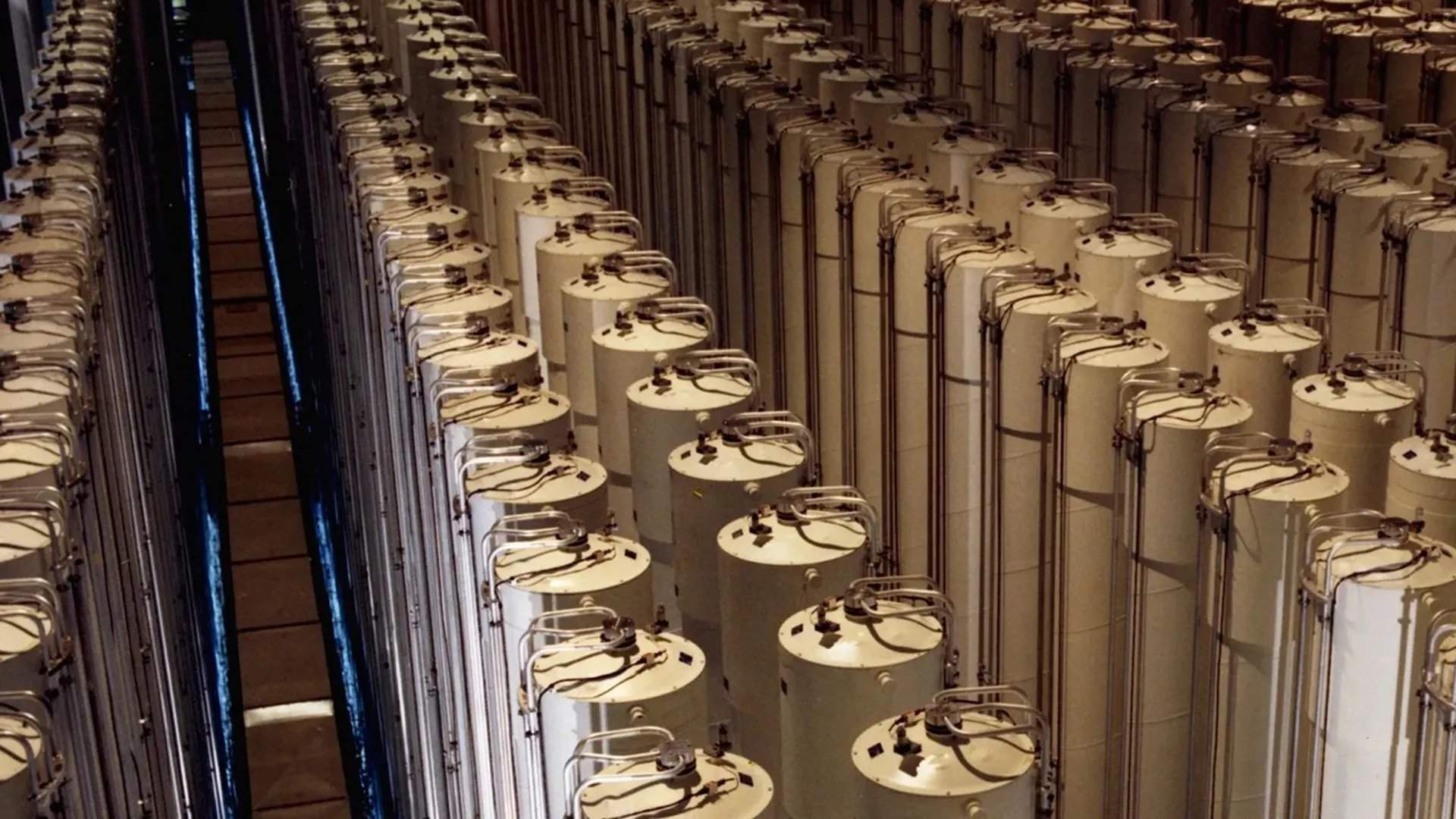
The new plant is designed using a modular approach to allow for future capacity expansion. The first module will have an annual processing capacity of 400 tons of fuel and is expected to reach its design capacity within the next decade. This plant will become Russia's largest spent nuclear fuel reprocessing facility, capable of handling spent fuel from both thermal and fast reactors.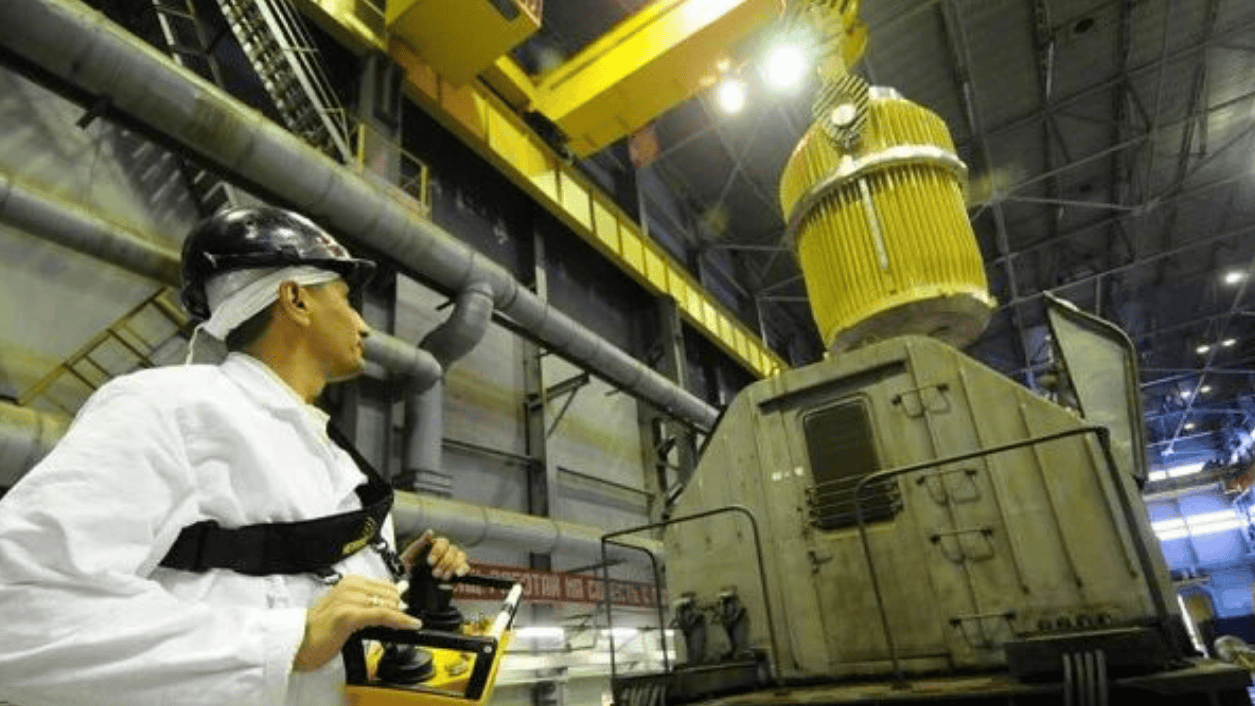
The construction of large-scale nuclear recycling industrial infrastructure aims to meet the demand for nuclear fuel manufacturing raw materials in a resource-efficient manner, while slowing the accumulation of spent nuclear fuel. Additionally, the project will expand Rosatom's international business portfolio by offering new services to foreign clients. Andrey Nikipelov, Deputy General Director for Mechanical Engineering and Industrial Solutions at Rosatom, commented on the news: "Nuclear recycling industrial technologies and developed infrastructure not only address our country's current environmental challenges. The global stockpile of approximately 360,000 tons of spent nuclear fuel and the active construction of Russian-designed nuclear power plants abroad provide Russia with a unique opportunity to strengthen its leadership in the global nuclear energy solutions market. Expanding capacities and developing new technologies in radiochemistry will allow us to move beyond providing one-time services to other countries and toward developing comprehensive strategic partnerships. The foundation of this is the principle of environmentally responsible nuclear energy: reducing the carbon footprint and minimizing waste."
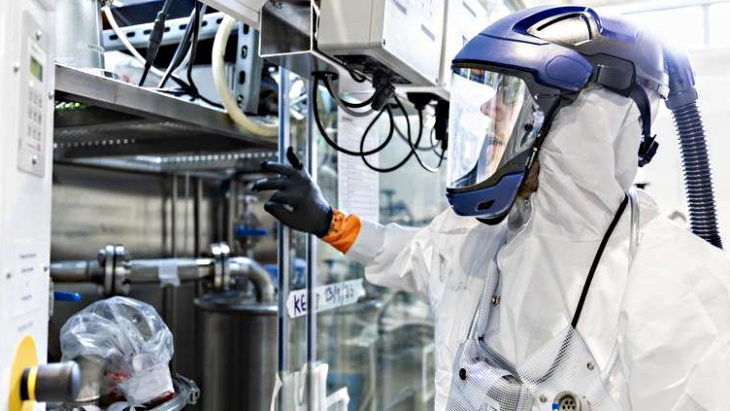
Vasily Tinin, Director of the Department for State Policy in the Field of Radioactive Waste, Spent Nuclear Fuel, and Decommissioning of Nuclear and Radiation Hazardous Facilities at Rosatom, stated: "This plant will be a key link in Russia's transition to a closed nuclear fuel cycle. Once operational, the infrastructure we are building will, in the long term, allow recycled nuclear materials to be reintroduced into the fuel cycle multiple times and meet the raw material needs of fourth-generation energy systems." The development of the new production facility is being carried out within the framework of the industry-wide comprehensive program "Development Plan for the Radiochemistry Direction," with participants including the V.G. Khlopin Radium Institute (part of Rosatom's scientific division and the lead research organization for radiochemistry technologies). Two specialized research institutes from the fuel division have been designated as the main process engineer and lead design organization. Overall coordination is provided by Rosatom's Department for State Policy in the Field of Radioactive Waste, Spent Nuclear Fuel, and Decommissioning of Nuclear and Radiation Hazardous Facilities, and the Project Office for New Product Development in the Nuclear Fuel Cycle of TVEL JSC. For the construction of the new radiochemical plant, a series of scientific studies have been completed under the R&D program for the radiochemistry direction, ensuring the technological modernization and development of spent fuel reprocessing facilities. Additionally, it is planned to transfer some technologies and solutions previously developed for the construction of the irradiated fuel reprocessing module for the innovative fast neutron reactor BREST-OD-300 (part of the fourth-generation experimental demonstration energy complex in Seversk).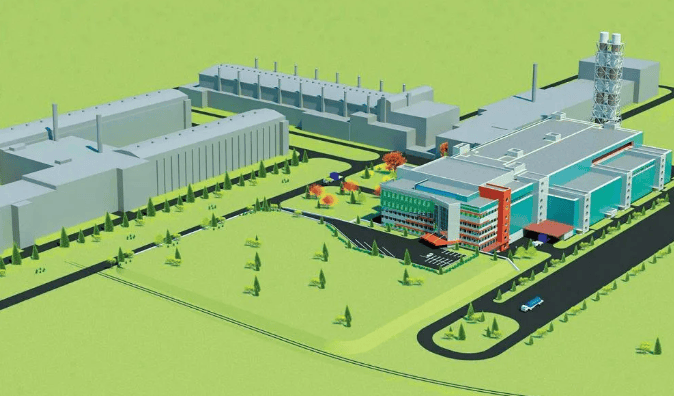
Fourth-generation energy systems refer to nuclear energy systems employing multiple technologies that share common goals of higher fuel utilization efficiency, enhanced safety, energy efficiency, and reduced spent nuclear fuel (according to IAEA classification). The adoption of such systems can fundamentally transform nuclear energy, primarily by improving safety levels, expanding fuel types, and significantly reducing radioactive waste. Russia is one of the leading countries in the development of fourth-generation technologies: preparatory work has begun for the construction of the BN-1200M unit at the Beloyarsk Nuclear Power Plant, and in the Tomsk region, for the first time globally, a nuclear power plant with the BREST-OD-300 reactor and on-site closed nuclear fuel cycle facilities are being built at the same site.
This article is compiled by Wedoany. All AI citations must indicate the source as "Wedoany". If there is any infringement or other issues, please notify us promptly, and we will modify or delete it accordingly. Email: news@wedoany.com
Related Products
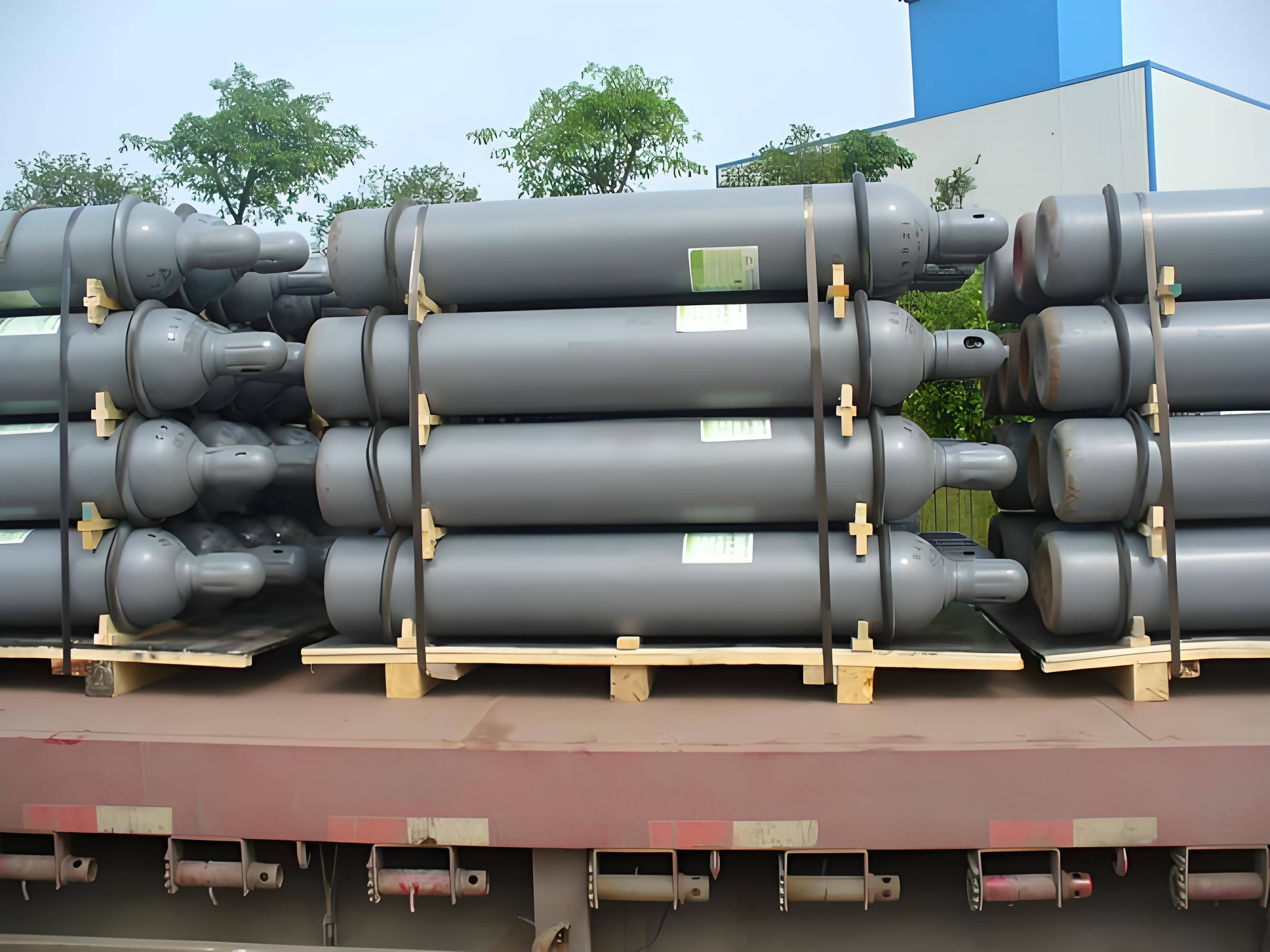

Global Sulfur Hexafluoride Gas Supply and Cylinder Export
Foshan Yuexin Industrial Gas Co., Ltd.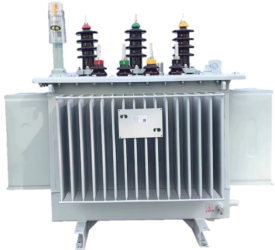
Oil-immersed Amorphous Alloy Core Distribution Transformer
Pinggao Group Smart Electric Co., Ltd.

0.66kV Power Supply Instrument Transformer
Guangdong Sihui Instrument Transformer Works Co., Ltd.
CITIC Heavy Industries Offshore Wind Power Equipment Hydraulic Pile Hammer
CITIC Heavy Industries Co., Ltd.
220kV Composite Outdoor Cable Terminal
Shenyang Guolian Cable Accessories Manufacture Co., Ltd.