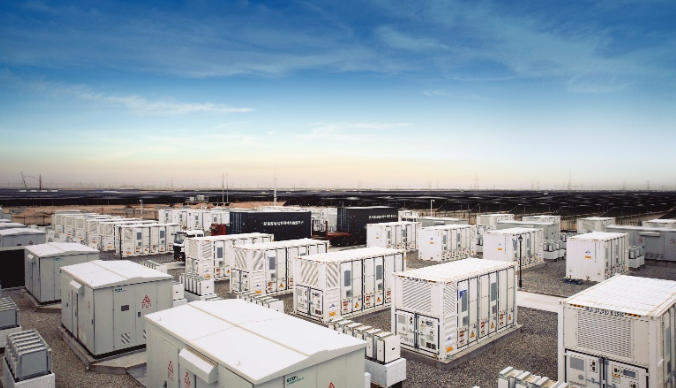
Jordanian Research Team Evaluates Grid-Forming Energy Storage Systems for Enhancing Stability of 100 MW Solar PV Plant
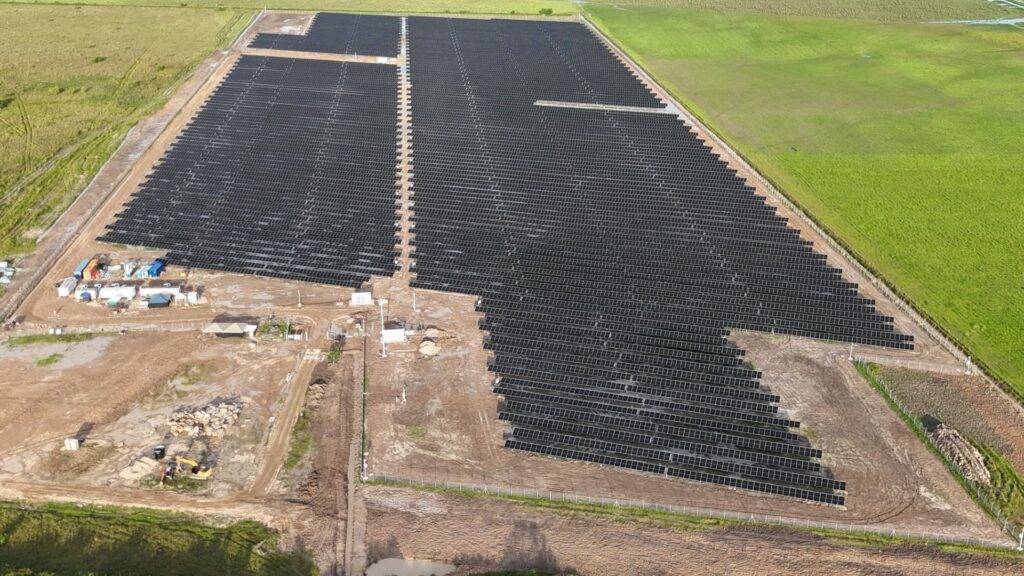
en.Wedoany.com Reported - Researchers from Yarmouk University and Al-Ahliyya Amman University in Jordan have evaluated the performance of a battery energy storage system (BESS) employing grid-forming (GFM) control to enhance stability in a solar photovoltaic (PV) plant. GFM control mimics synchronous generators, providing rapid frequency and voltage support during grid interruptions, significant PV fluctuations, load changes, and fault events.
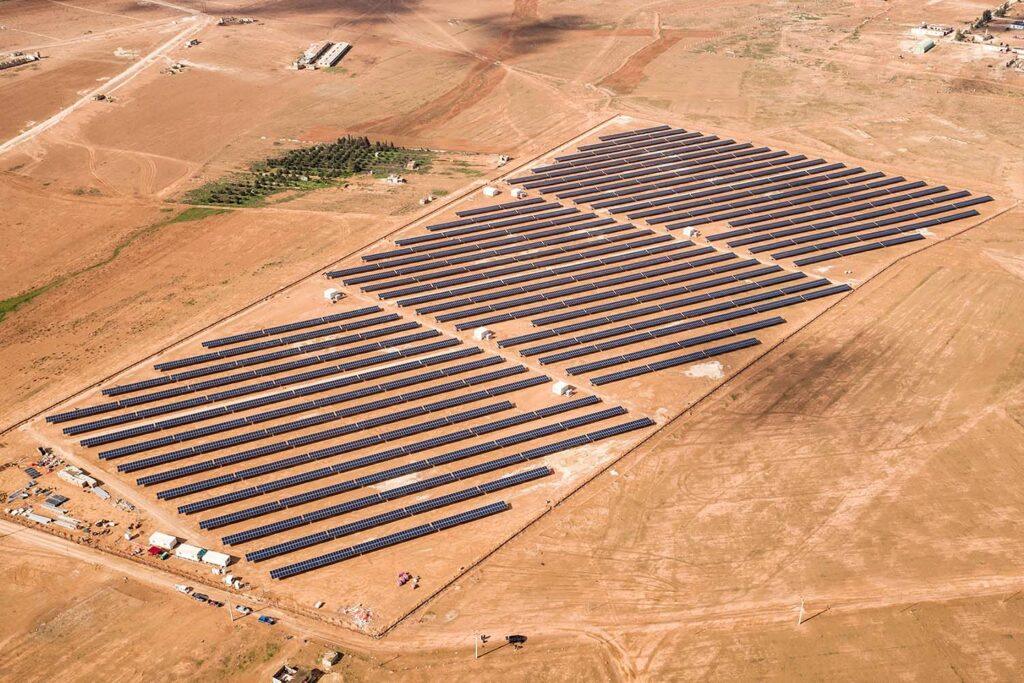
Corresponding author Lina Alhmoud stated that the novelty of the study lies in the comprehensive evaluation of a GFM-BESS integrated with a utility-scale solar PV plant, systematically investigating its ability to enhance frequency stability, voltage regulation, and system resilience during grid disturbances, providing quantitative evidence that GFM control strategies can support the transition to power systems with high renewable energy penetration.
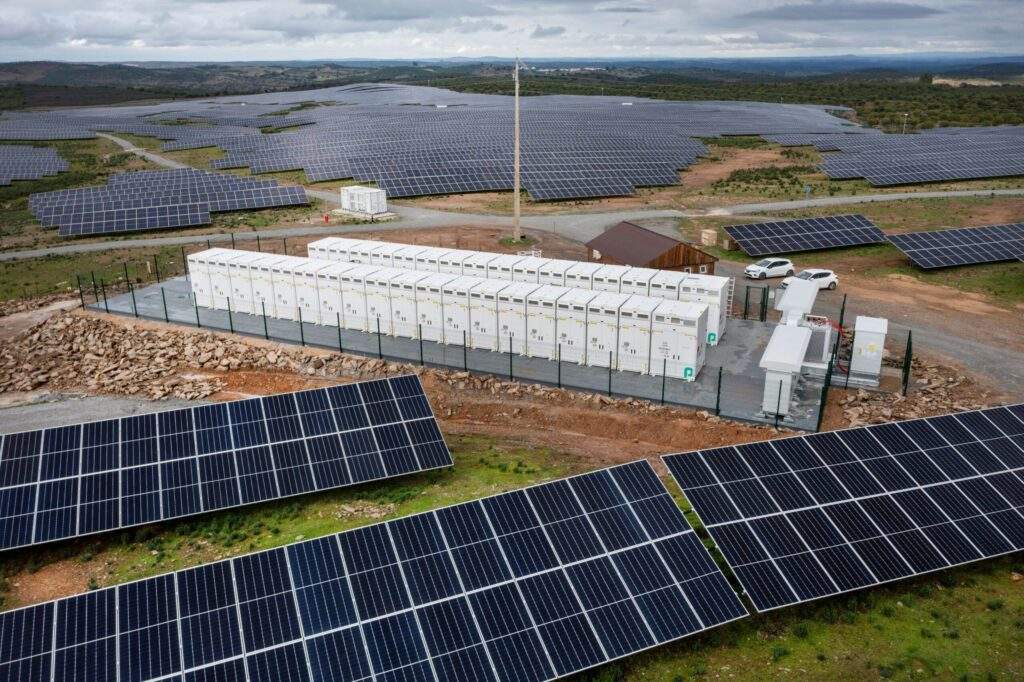
The researchers developed a model comprising a 100 MW solar PV plant and a 35 MW/60 MWh BESS equipped with a GFM inverter based on a virtual synchronous machine (VSM) controller, capable of providing virtual inertia, voltage regulation, and frequency support. During the evaluation, scenarios were simulated including grid disconnection of the PV plant and BESS from the external grid, a 50% reduction in PV output, a 45% increase in load demand, a temporary three-phase fault lasting 100 milliseconds, and a permanent three-phase fault. The short-circuit ratio (SCR) was varied from 0.42 to 4.5 to assess performance under different grid strengths.
Simulation results showed that with a 50% reduction in PV output, the total plant power temporarily dropped from approximately 92-93 MW to 70-72 MW, with the frequency deviation limited to about 0.8-1.0 Hz and recovery within 0.5 seconds. After a 45% load increase, power dropped to 75-77 MW, with a frequency deviation of 1.3-1.5 Hz and recovery in less than 0.4 seconds. In the temporary fault scenario, the voltage at the point of common coupling dropped to 0.25-0.30 pu before rapidly recovering. Under a permanent fault, despite the voltage dropping to 0.7-0.8 pu, reactive power peaking at 45-48 MVAR, and a frequency deviation of up to 2.5 Hz, the system remained stable. A key finding of the study is that GFM control significantly enhances system stability, particularly under severe disturbances and weak grid conditions.
The research findings were published in Scientific Reports under the title "Performance evaluation of grid-forming battery energy storage systems for stability enhancement in solar PV plants," with contributions from researchers at Yarmouk University and Al-Ahliyya Amman University in Jordan.
This article is compiled by Wedoany. All AI citations must indicate the source as "Wedoany". If there is any infringement or other issues, please notify us promptly, and we will modify or delete it accordingly. Email: news@wedoany.com
Related Products
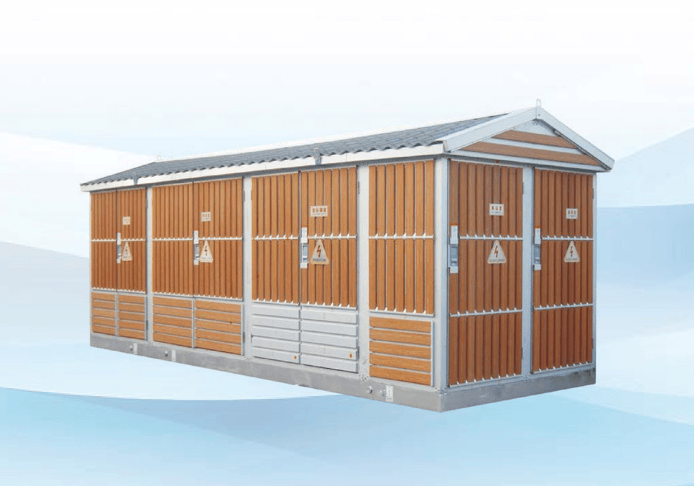

YB □ -12/0.4/1250 Outdoor Prefabricated Substation (European Style)
Shangrao Shangyu Intelligent Electric Co., Ltd.

Standard Nozzle Flowmeter
Jinggong Automatic Control Instrument Complete Technology Development Company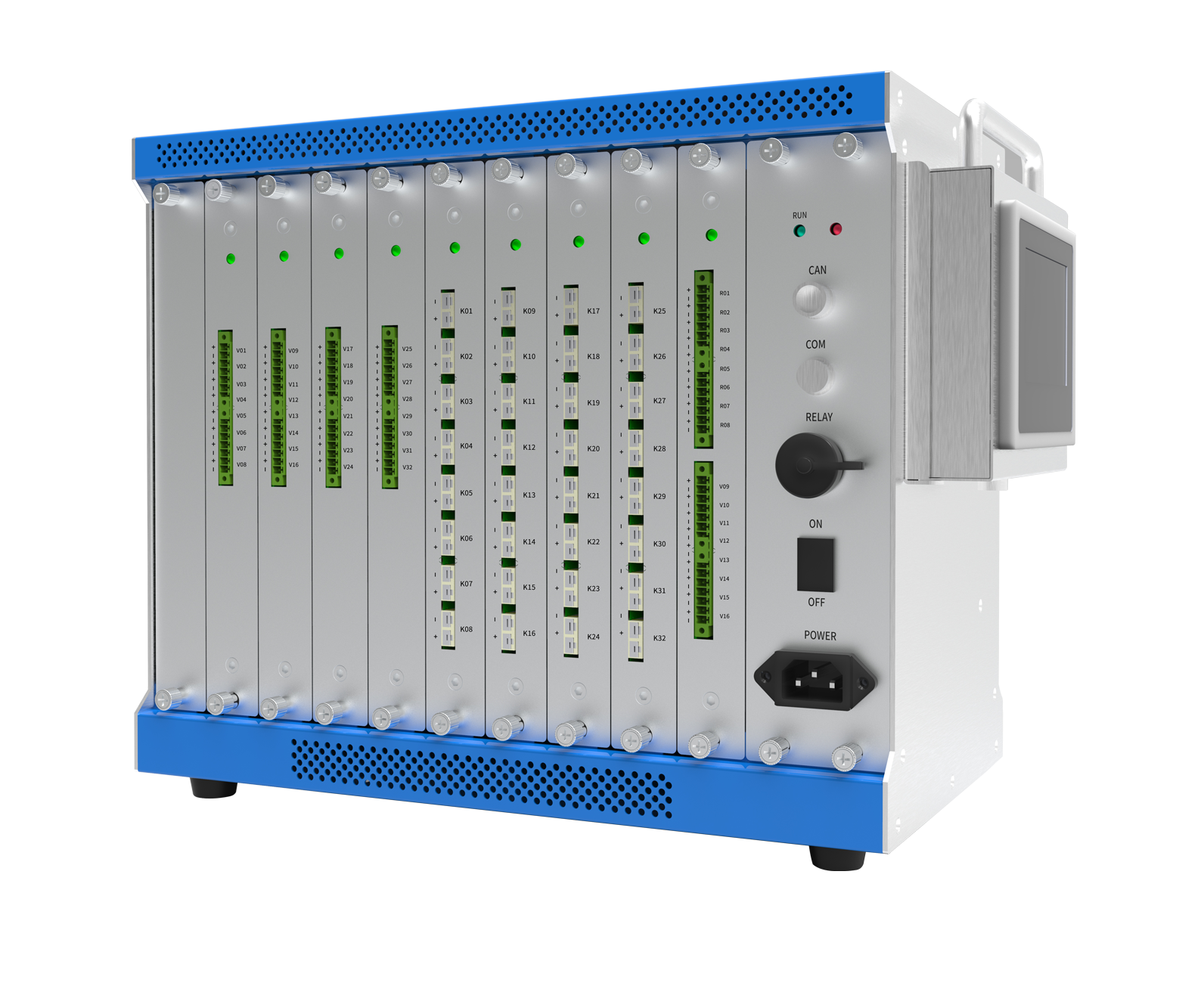
Optional Accessory - Auxiliary Sampling Module
Beijing Soaring Electric Technology Co., Ltd.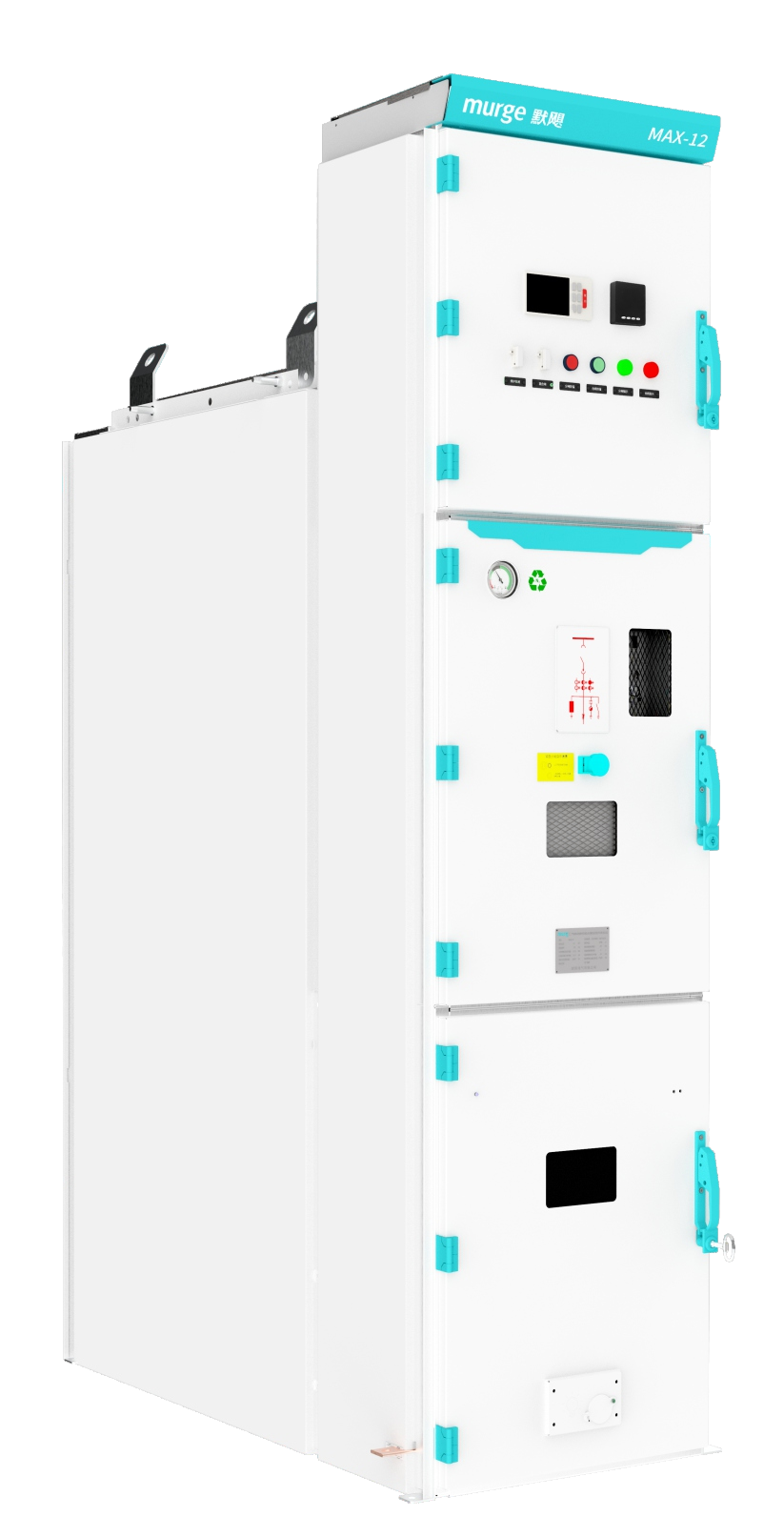
MAX-12 series Environmental Protection/SF6 gas insulated switchgear (C-GIS)
Murge Electric Co.,Ltd.

"Shunyi 1600" Deep-submerging Bottom-sitting Multi-functional Wind Power Engineering Vessel
Zhengli Offshore Engineering Co., Ltd.