Alibaba Cloud Expands AI Infrastructure in France and Japan
en.Wedoany.com Reported - Alibaba Cloud is simultaneously advancing its infrastructure expansion in France and Japan, adding two new availability zones in Paris and opening its fifth data center in Tokyo. The Chinese cloud provider is seeking to capture enterprise AI demand in these two markets, which face procurement issues such as sovereignty, latency, security, and model access.
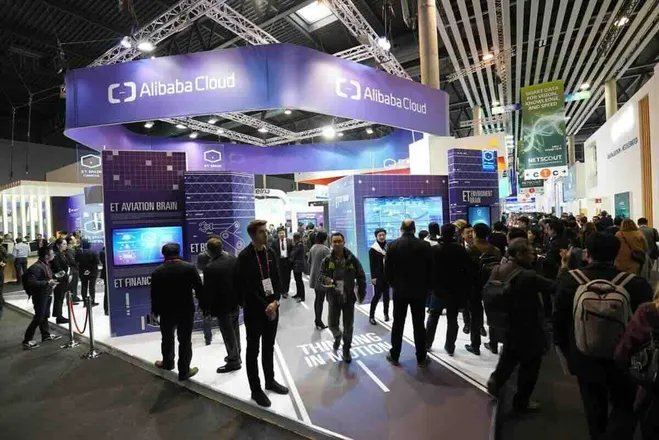
These two announcements should be viewed together. Europe and Japan are distinctly different cloud markets, influenced by varying regulations, buyer behaviors, and political sensitivities. Nevertheless, Alibaba Cloud is targeting the same direction in both regions: enterprises want AI infrastructure closer to their users, data, and compliance teams.
In France, Alibaba Cloud has launched a new cloud region comprising two availability zones, making Paris its third European hub after Germany and the UK. The company states that this region supports enterprise cloud services covering compute, storage, containerization, networking, security, databases, and developer tools, and is tied to data privacy, cybersecurity, operational resilience, and sovereignty requirements.
In Japan, Alibaba Cloud has opened its fifth data center in Tokyo, just months after launching its fourth facility. The Japan region has now added AI-native database and analytics services, along with local availability of Alibaba Cloud's enterprise AI development platform, "Model Studio." While geographically distinct, the direction is consistent.
For years, the cloud industry has emphasized to customers that global scale simplifies infrastructure; however, AI is challenging this notion. Latency is critical for inference, data location is vital for regulated workloads, resilience is essential for operations, and model availability is becoming a board-level issue in certain industries, especially when enterprises seek alternatives to the US-dominated AI technology stack.
Alibaba Cloud positions France as a bridgehead for European sovereignty and agentic AI. The company plans to launch a series of agentic AI services for European customers later this year, including tools for agent development, intelligent operations, sandboxing, security controls, guardrails, and automated threat response. While ambitious, this strategy faces intense competition. European buyers already have suppliers such as AWS, Microsoft, Google, OVHcloud, Orange Business, and Deutsche Telekom, along with numerous specialized AI infrastructure providers emphasizing sovereignty, compliance, and local control. Alibaba Cloud can bring price pressure, the Qwen model, and global infrastructure coverage, but it must also address trust issues.
For infrastructure buyers, the new French region adds choice but does not replace due diligence. Enterprises still need clarity on data access, contract controls, operational support, certifications, exit paths, and geopolitical risk exposure.
The Japanese market presents a different test. Alibaba Cloud already has a significant presence there, and the fifth Tokyo data center indicates sufficient demand. The company is targeting industries such as retail, gaming, entertainment, and manufacturing, which have deep enterprise needs and extensive AI experimentation. The launch of Model Studio is more strategic; Japanese enterprises and developers can access Alibaba Cloud's Qwen3.7-Plus and third-party large language models via online inference, with HappyHorse video generation and Qwen3.5-Omni to be offered in the region in the future. This gives Alibaba Cloud a more complete AI technology stack in Japan, spanning infrastructure, databases, analytics, model development, and multimodal services.
Alibaba Cloud has also launched AI-native database and data analytics services in Japan, including Data Agent for Analytics, Meta, DAS, and DataBridge, designed to support data insights, enterprise asset management, database operations, and multimodal data preparation. The business logic is clear: AI adoption often stalls before model deployment because enterprise data is fragmented, poorly governed, or trapped in systems unsuitable for agent workflows. Alibaba Cloud is attempting to sell both the agent layer and its underlying infrastructure. The open question is whether Japanese enterprises will standardize their significant AI workloads on Alibaba Cloud.
Looking at broader industry trends, cloud expansion is no longer just about rolling out generic regions. Providers are adding AI-specific infrastructure, model platforms, security tools, and data governance layers on a market-by-market basis. Capacity alone is insufficient; local relevance has now become part of the product. For developers, this brings more choices but also more fragmentation. Model availability varies by region, compliance controls differ by jurisdiction, and pricing, latency, and support services may also vary. A global AI application could quickly become a patchwork of local deployment decisions.
For operators, Alibaba Cloud's moves increase competitive pressure. Cloud providers in Europe and Japan must respond not only with sovereignty narratives but also with credible AI platforms. Hyperscalers will once again realize that regional infrastructure and AI services are converging. For regulators, the expansion raises questions about data residency and resilience, but reliance on foreign cloud platforms remains politically sensitive, especially as AI systems are embedded in business processes, public services, and critical industries.
Alibaba Cloud states that its global network now covers 105 availability zones across 32 regions. Scale matters, but in AI infrastructure, trust, localization, model ecosystems, and operational maturity are becoming equally important. The announcements in France and Japan show that Alibaba Cloud is attempting to transform its AI model portfolio and cloud infrastructure into a regionalized AI operations stack. Enterprises may welcome a new provider, but they may also proceed with caution. The calculus of procurement has changed; price and performance still matter, but so do jurisdiction, resilience, integration, model governance, and the question of how much strategic AI infrastructure any company is willing to place on a single supplier.
This article is compiled by Wedoany. All AI citations must indicate the source as "Wedoany". If there is any infringement or other issues, please notify us promptly, and we will modify or delete it accordingly. Email: news@wedoany.com
Related Products


G.652.D Wavelength-extended Non-dispersion Shifted Single-mode Optical Fiber
HONGAN GROUP CO., LTD.
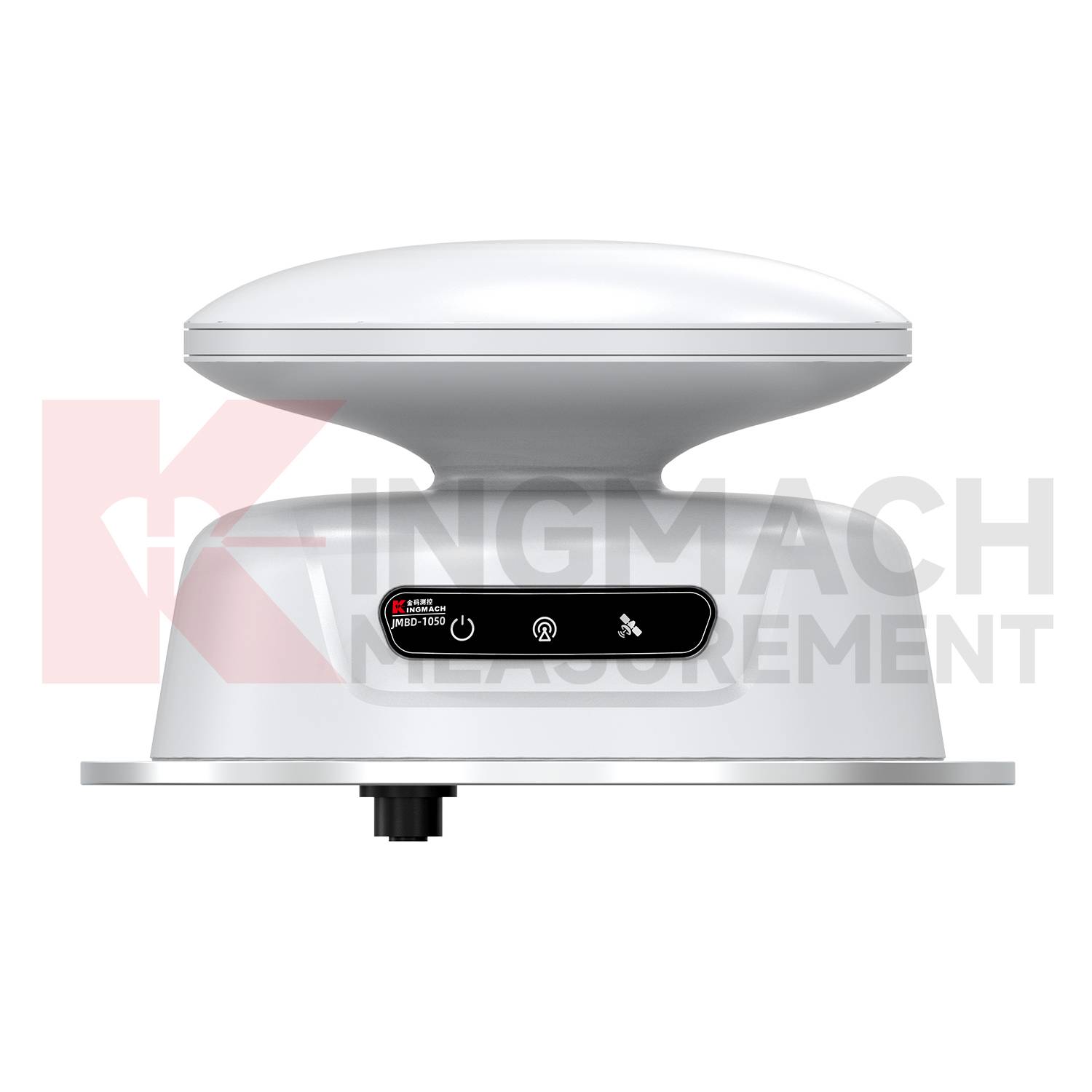
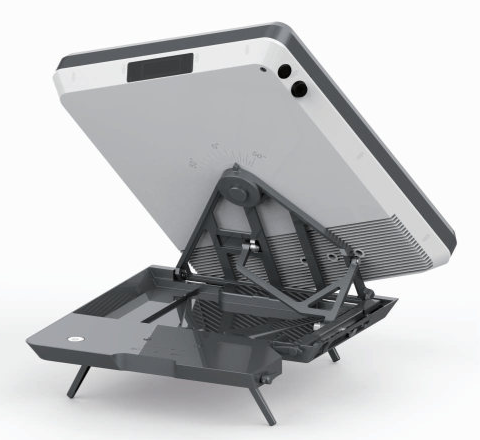
Flat Portable Satellite Terminal 0.35m Aperture Manual Portable Terminal
China Starwin Science & Technology Co., Ltd.

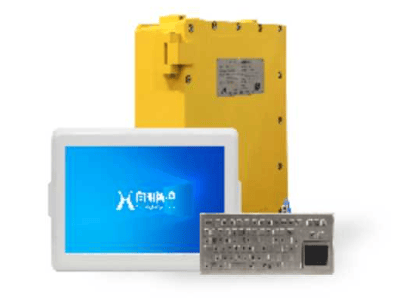
KJD127(A) Mining Explosion-Proof and Intrinsically Safe Computer
Taiyuan Xiangming Intelligent Control Technology Co., Ltd.


Comprehensive Mining Automation Control System
Beijing Tianma Intelligent Control Technology Co., Ltd.