U.S. Dredging Contracts Total $1.8 Billion in Fiscal Year 2025, Down About 25% Year-on-Year
en.Wedoany.com Reported - The U.S. dredging industry is benefiting from increased federal funding, policy optimization, and a fleet renewal cycle. Several contractors have recently delivered or launched new dredging projects, with the industry overall showing strong momentum.
Erica Janocha, Dredging Program Manager for the U.S. Army Corps of Engineers, stated that dredging is fundamental to the national maritime system, with federal waterways supporting commercial transportation, port operations, and military and national security missions. The Corps' recent "Build Infrastructure, Not Paperwork" initiative focuses on improving pricing and project delivery efficiency, with specific measures including "smarter contracts" and "expanded dredging capacity," aimed at keeping waterways open at low cost. For maintenance dredging, centralized contracting and more flexible environmental windows help improve predictability and procurement efficiency; new dredging projects require at least 35% design completion and the use of simulators to develop execution plans, potentially saving millions in maintenance costs.
William P. Doyle, CEO and Executive Director of the Dredging Contractors of America (DCA), noted that the industry understands expectations for performance and execution, but contractors still need creative scheduling solutions when facing uncontrollable factors such as severe weather. He cited last winter's ice formation on the Delaware River and other waterways as an example of the need for flexible scheduling. In the South Atlantic Division, certain areas treat environmental windows as rigid requirements, allowing contractors only about 60 days of dredging per year, creating significant inefficiencies and cost pressures. Doyle said the industry is working with the Assistant Secretary and Timothy Pett, Assistant Secretary for Oceans and Atmosphere at the Department of Commerce, to develop science-based approaches that allow for increased dredging days with data support.
Doyle mentioned that the Corps canceled the Chickamauga Lock chamber contract on the Tennessee River, citing the contractor's lagging progress, failure to meet quality control standards, and inability to fulfill key project management obligations. The Corps decided to protect taxpayer money and ensure the waterway proceeds as planned. Doyle believes everyone in the dredging industry is watching these actions.
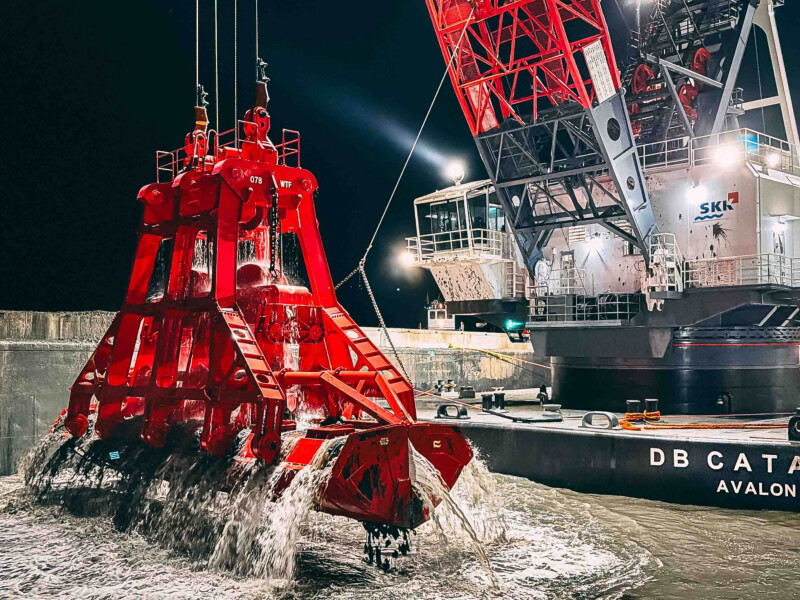
The U.S. dredging industry is in a significant fleet renewal and modernization cycle. Over the past year, Manson Construction Co. of Seattle held a launching ceremony for the trailing suction hopper dredger "Frederick Paup," built at Seatrium AmFELS in Brownsville, Texas; Great Lakes Dredge and Dock Co. LLC of Houston also launched the "Amelia Island," built by Conrad Shipyard in Morgan City, Louisiana. Curtin Maritime Corp. of Long Beach, California, took delivery of the large mechanical grab dredger DB Catalina, built by LAD Services Inc. in Morgan City. Additionally, Dutra Group has cut steel at Eastern Shipbuilding Group in Panama City, Florida, for a trailing suction hopper dredger with a capacity of approximately 10,000 cubic yards.
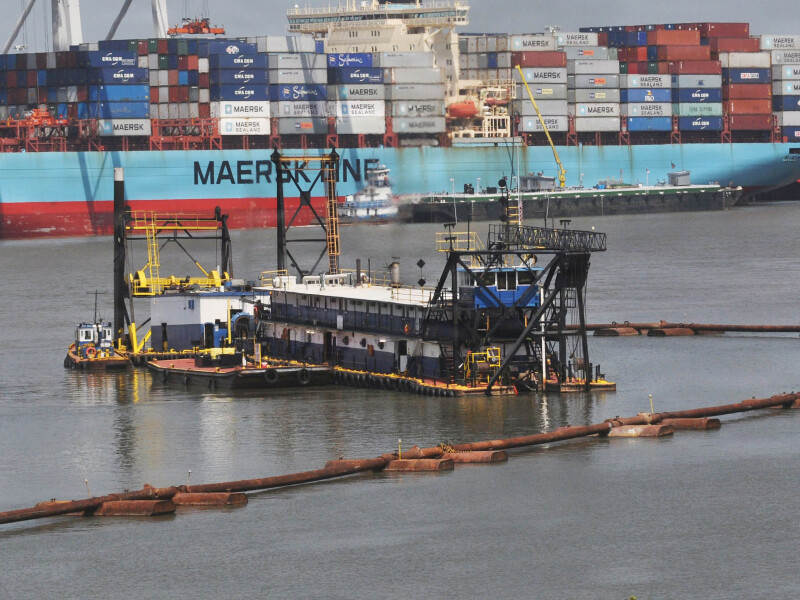
According to Michael Gerhardt, Vice President of External Affairs at Muddy Water Dredging LP and author of the annual "U.S. Dredging Report," fiscal year 2024 was a historic funding level, reaching a record high, while fiscal year 2023 was also the previous peak. Although total federal dredging contracts in fiscal year 2025 fell about 25% year-on-year, the $1.8 billion in dredging funding remains within 2% of the seven-year average. Gerhardt said the decline is mainly due to fewer new work and deepening contracts, but the maintenance market remains strong. Janocha added that the Corps operated under a full-year continuing resolution in fiscal year 2025, affecting some funding and the ability to advance work; the year-on-year comparison also reflects the cyclical nature of new work and deepening projects.
Doyle stated that ports continue to expand for larger vessels, coastal restoration work is growing, and Congress and the White House increasingly recognize that shipping infrastructure is directly linked to economic growth, national security, energy exports, and supply chain resilience, boosting company confidence in investing in modern dredging assets.
In terms of safety and product innovation, Devon Carlock, Vice President of Safety and Government Affairs at Cottrell Contracting Corp. in Chesapeake, Virginia, and Chair of the Dredging and Maritime Construction Safety Committee (CDMCS), praised communication and collaboration among member companies. CDMCS partnered with HexArmor of Grand Rapids, Michigan, to develop waterproof, vibration-dampening oil-resistant leather gloves, essential for tasks like pipe assembly. Additionally, items such as anti-vibration shell impact guns, electrolyte supplements, and composite work boots have improved the crew's working environment.
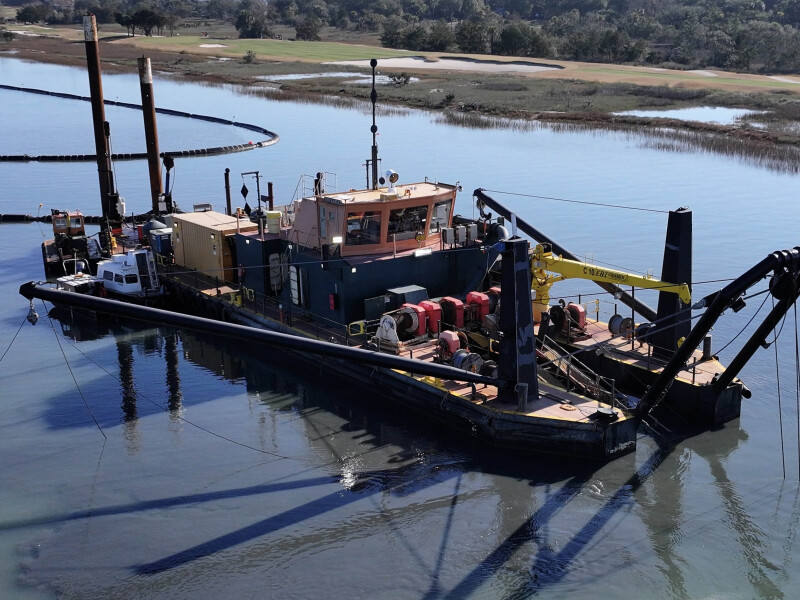
Carlock emphasized that locating, surveying, and marking underwater utilities is a critical safety issue, as pipe depths and positions change dynamically, and there is a lack of information-sharing standards among different contractors. This is a top priority in discussions between the dredging industry and the Corps. Carlock noted that the ultimate goal is not just to complete the workload but to ensure everyone returns home safely.
This article is compiled by Wedoany. All AI citations must indicate the source as "Wedoany". If there is any infringement or other issues, please notify us promptly, and we will modify or delete it accordingly. Email: news@wedoany.com
Related Products
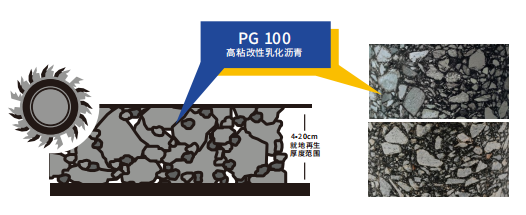

High-toughness in-Situ Cold Recycling Technology for Original Structural Layers
Central Fortune Creation Technology Group Co., Ltd.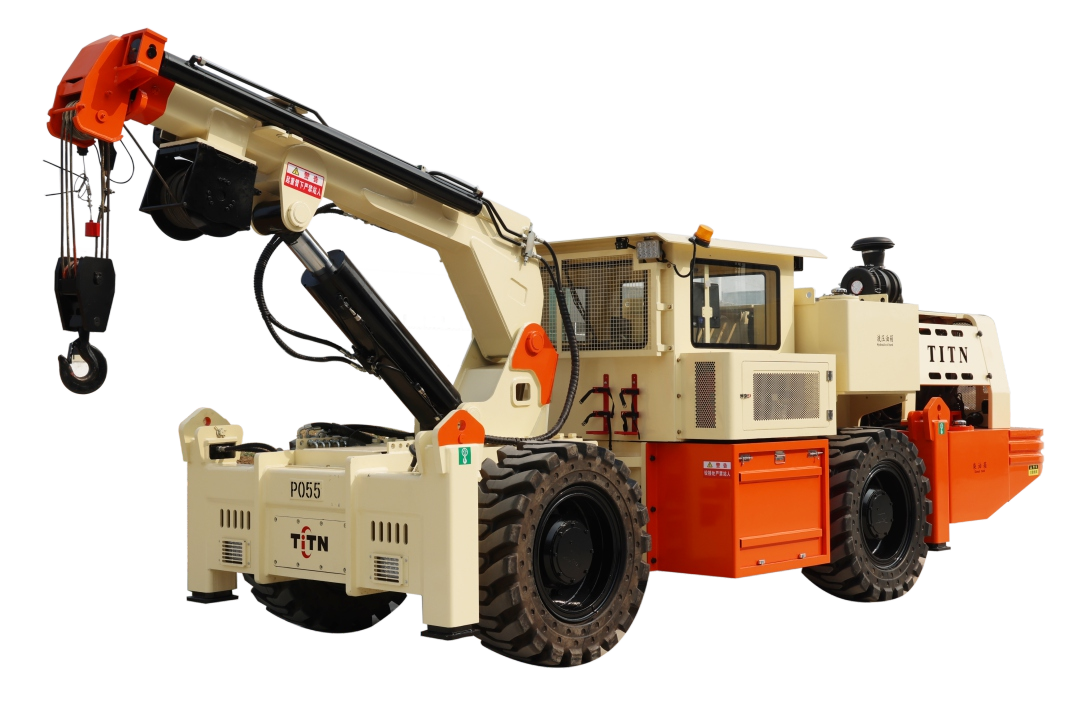
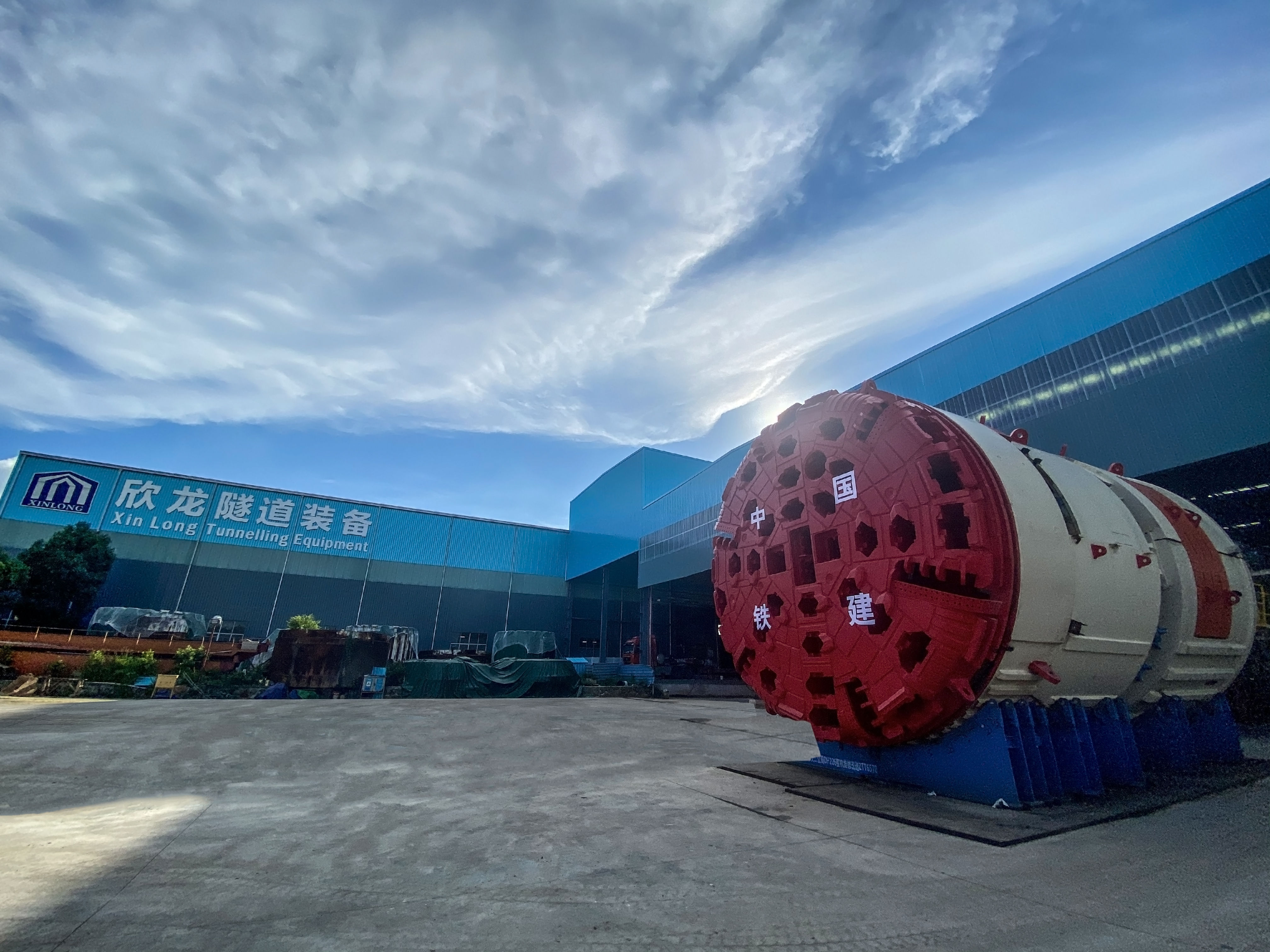
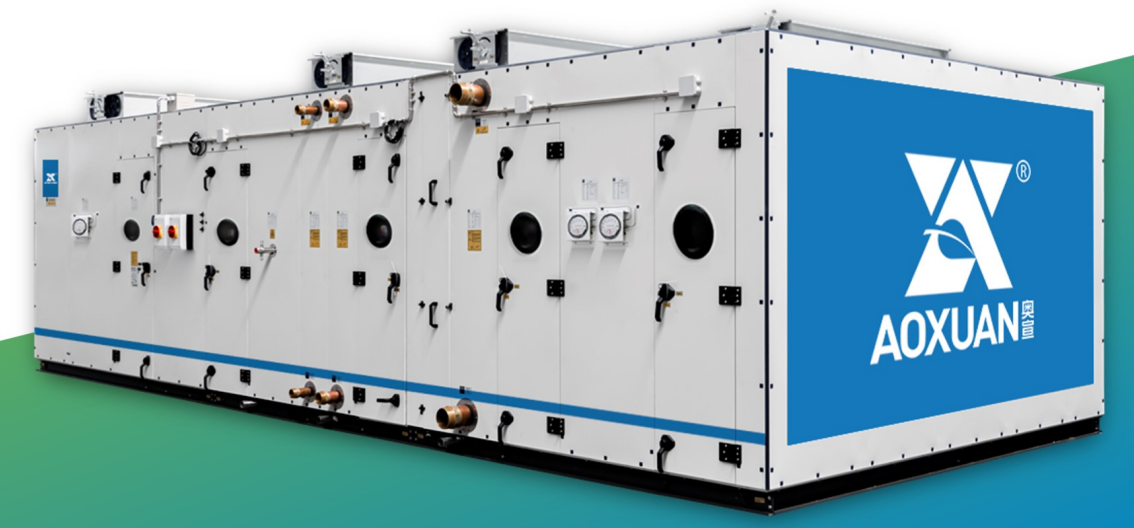
Aoxuan Intelligent Precision Air Conditioning Unit
SHANGHAI AOXUAN PURIFICATION TECHNOLOGY CO., LTD.
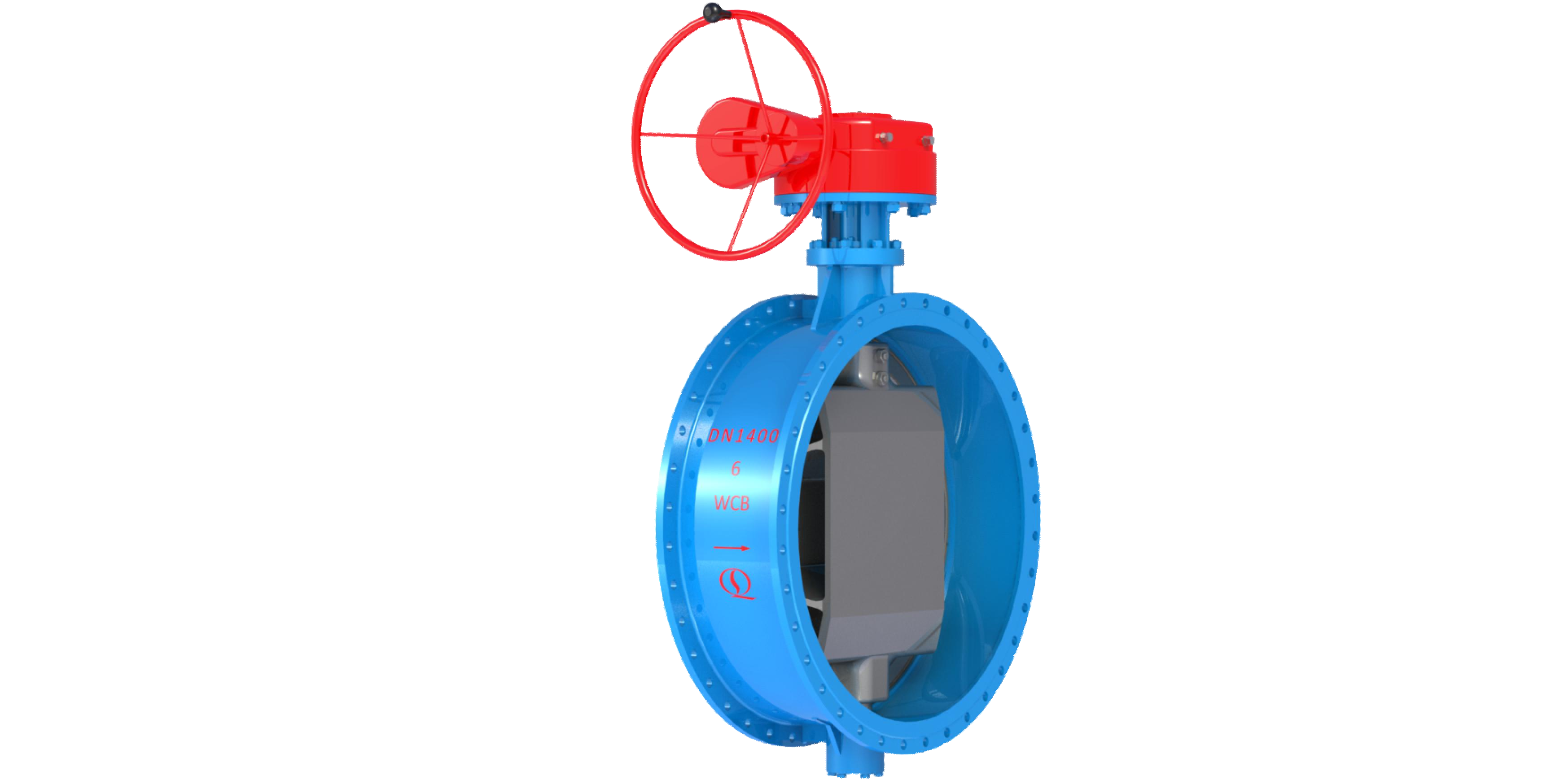
Bidirectional Metal Hard Sealed Seawater Butterfly Valve
Henan Quanshun Flow Control Science & Technology Co., Ltd.

Industrial and Commercial Point-Type Gas Detector
Jinan Benan Technology Development Co., Ltd.