First giant beams installed at HS2's Birmingham Curzon Street station
en.Wedoany.com Reported - The first pre-stressed precast concrete beams have been installed at HS2's Curzon Street station in Birmingham, which will support the station's seven high-speed platforms.
The installed beam deck area covers 13,370 square metres, equivalent to two football pitches, and supports the eastern end of Birmingham's new city centre station. According to information released by HS2 Ltd, the first of over 556 concrete beams have been lifted into place. These horizontal beams measure up to 34 metres in length and weigh 58 tonnes.
Each reinforced concrete beam was prefabricated off-site and moved into position through carefully planned operations. Once completed, the station will be covered by an arched roof comparable in size to London's St Pancras International station. The station extends approximately 450 metres from Moor Street to Millennium Point, providing convenient access for passengers to the city centre, Digbeth, and Eastside. A new tram stop will also be built beneath the station as part of the route under construction to Digbeth and the site of Birmingham City's new football stadium.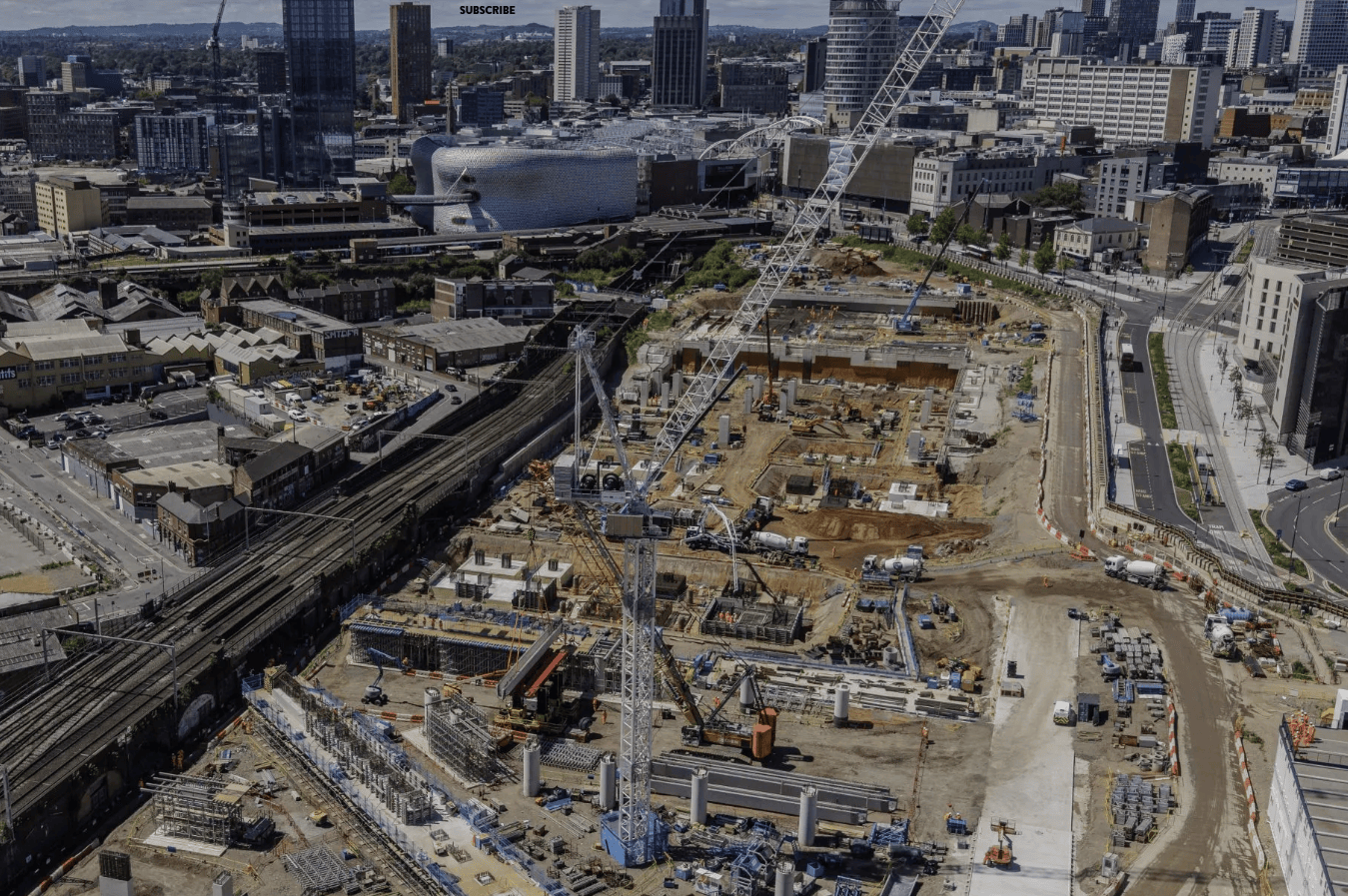
Construction of the terminus is led by HS2's construction partner Mace Dragados, which has collaborated with specialist subcontractor MPB to complete the beam lifting work. Initial operations focused on the area where the tram will pass beneath the station, allowing early handover to the Midlands Metro Alliance for track laying.
Jonathan Berry, HS2 Ltd's client project manager for Curzon Street station, said that station construction is progressing well, but until now most work has been concentrated underground, focusing on piling and foundation works for the support structure. He believes the arrival of the first beams marks the beginning of assembling the vast deck that will support the seven high-speed platforms. Once completed, Curzon Street station will become Birmingham's new gateway, providing easy access to the city centre and onward connections via tram, bus, and rail, supporting growth in the West Midlands.
In March this year, HS2 Ltd announced that all 2,011 concrete piles forming a key part of the station's foundations had been completed. For most of its length, Curzon Street station's seven platforms will be built on a viaduct-like structure supported by 188 concrete piers. The beams, ranging in length from 7 metres to 34 metres, were manufactured by Shay Murtagh Precast in Ireland and transported to the site by road. To avoid traffic congestion, deliveries were carefully planned and timed to arrive during quiet early morning periods.
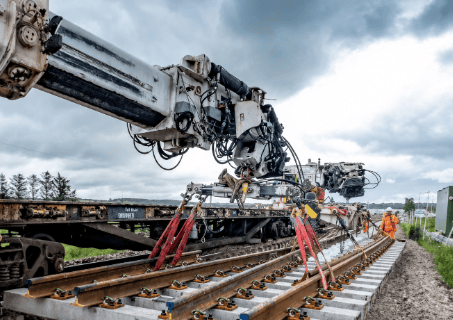
In a statement, HS2 Ltd said that most beams will be lifted directly into place using large crawler cranes, but up to 120 beams located near existing railway lines will be lifted onto self-propelled modular transporters (SPMTs) before being moved to their final positions. These highly manoeuvrable machines, supported by 96 wheels, lift the beams from below and position them precisely, avoiding the risks of using cranes near the railway while allowing services to continue operating to Birmingham New Street station during construction.
Martyn Woodhouse, project director for the Mace Dragados joint venture, said that lifting these first beams into place is a significant logistical and engineering achievement, and a testament to the coordination between the team and the supply chain. Each installation was carefully planned to ensure safe and efficient execution, especially in such a constrained and operational environment. This work is laying the foundation for the platforms. Beneath the station, Mace Dragados, working with specialist subcontractor Keltbray, has driven over 2,000 piles to depths ranging from 6 metres to 24 metres. An 8-metre-high retaining wall has also been built at the western end of the construction site.
At peak construction, the Curzon Street station project is expected to employ over a thousand people, either directly or through Mace Dragados' UK supply chain. To accommodate the growing workforce, the construction team will soon move into a new temporary office building opposite Millennium Point, which will serve as the nerve centre for the next phase of the project.
This article is compiled by Wedoany. All AI citations must indicate the source as "Wedoany". If there is any infringement or other issues, please notify us promptly, and we will modify or delete it accordingly. Email: news@wedoany.com