German SUSE and Openchip Build European Sovereign RISC-V Technology Stack
en.Wedoany.com Reported - SUSE and Openchip have announced a partnership to jointly build a European sovereign computing technology stack based on the RISC-V architecture. The collaboration aims to connect discussions on sovereignty at the chip design, open-source software, and cloud infrastructure levels in Europe, rather than keeping them isolated from each other.

According to the Memorandum of Understanding signed by both parties, SUSE will be responsible for supporting Openchip's upcoming RISC-V hardware on its enterprise software portfolio, covering products including SUSE Linux Enterprise Server, SUSE Kubernetes Engine, Rancher Prime, and SUSE AI Factory. Openchip will provide European-developed RISC-V computing accelerators, targeting application scenarios such as data centers, supercomputing, artificial intelligence, the public sector, and critical infrastructure environments. Both parties emphasized that this is not a product launch, and there is currently no timeline for volume shipments.
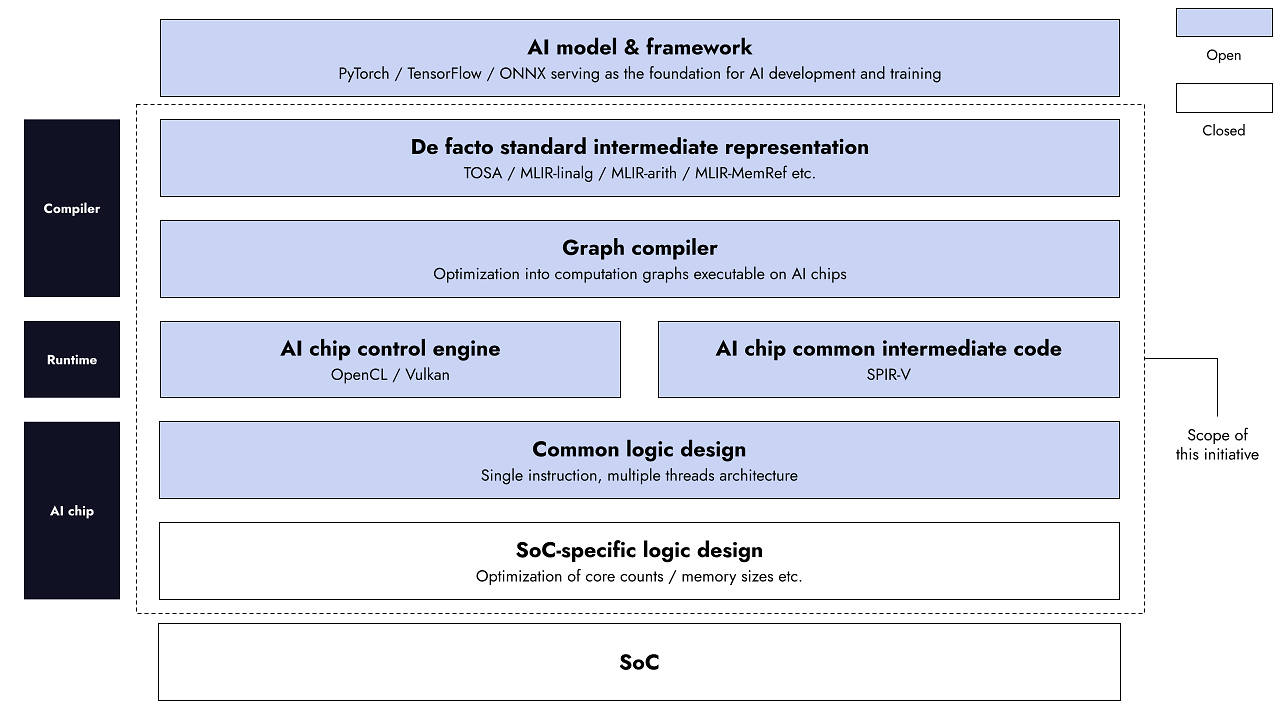
The reality facing Europe in technology policy is that many so-called "open" infrastructures in the region still run on proprietary processor architectures and supply chains controlled by foreign entities. The RISC-V open instruction set provides a path to bypass some dependencies, but enterprise-grade data center adoption still faces numerous challenges. SUSE's role is to provide certified Linux, Kubernetes orchestration, virtualization, monitoring, and lifecycle tools to help Openchip hardware enter conservative enterprise environments. The collaboration will include support for the RVA23 profile, RVV vector instructions (for HPC and AI workloads), and cloud environment hypervisor functions.
Target customers are clearly directed toward the public sector, healthcare, defense, critical infrastructure, supercomputing, and regulated industries. These organizations are facing increasing compliance pressure from European regulations such as NIS2, DORA, and the Cyber Resilience Act. SUSE and Openchip position this technology stack as an infrastructure to help organizations manage data, models, applications, and hardware governance within European control frameworks. At the AI level, the collaboration aims to support "sovereign AI"—covering not only model hosting but also data flow, inference protection, hardware usage, and operational layer access control.
Openchip has been selected for the European Commission's Important Project of Common European Interest, receiving €111 million from the EU's Next Generation fund, and is participating in the €240 million DARE project. Nevertheless, ecosystem maturity, developer tools, manufacturing scale, cost-performance gaps, and the willingness of regulated buyers to adopt remain major adoption risks. For infrastructure buyers, the core short-term question is whether this technology stack can meet performance, compliance, cost, and support requirements without increasing operational risk.
This article is compiled by Wedoany. All AI citations must indicate the source as "Wedoany". If there is any infringement or other issues, please notify us promptly, and we will modify or delete it accordingly. Email: news@wedoany.com
Related Products


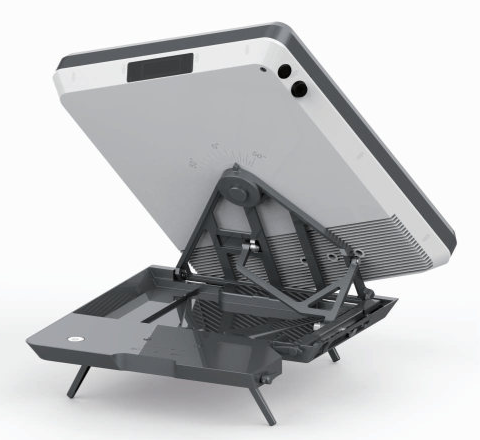
Flat Portable Satellite Terminal 0.35m Aperture Manual Portable Terminal
China Starwin Science & Technology Co., Ltd.
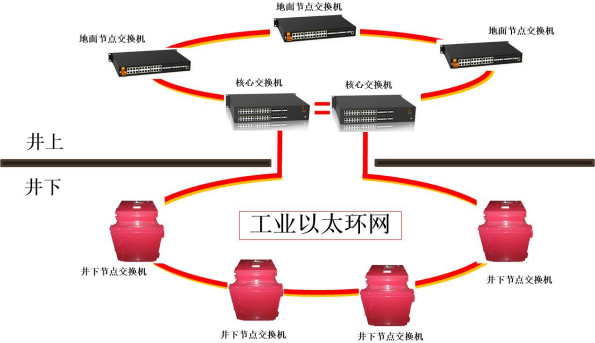
Mine Explosion-proof and Intrinsically Safe Industrial Ethernet Ring Network (10 Gigabit/Gigabit)
Chongqing Mas Sci&Tech Co., Ltd.

GYTA Type Non-Self-Supporting Aerial/Duct Optical Cable
TONGDING INTERCONNECTION INFORMATION CO., LTD.


Automatic Aiming Laser Remote Obstacle Removal Robot
Pinggao Group Weihai High-Voltage Apparatus Co., Ltd.
G.652.D Wavelength-extended Non-dispersion Shifted Single-mode Optical Fiber
HONGAN GROUP CO., LTD.