Lightware Americas Showcases Transformation to Solutions Provider at InfoComm 2026
en.Wedoany.com Reported - At InfoComm 2026, Lightware Americas showcased its strategic shift from traditional hardware manufacturing to a solutions-oriented company addressing the complex challenges of modern meeting rooms. Roger Takacs, Executive Vice President of Sales, stated that the core positioning of this year's exhibition lies in distinguishing between "selling hardware boxes" and "providing solutions."
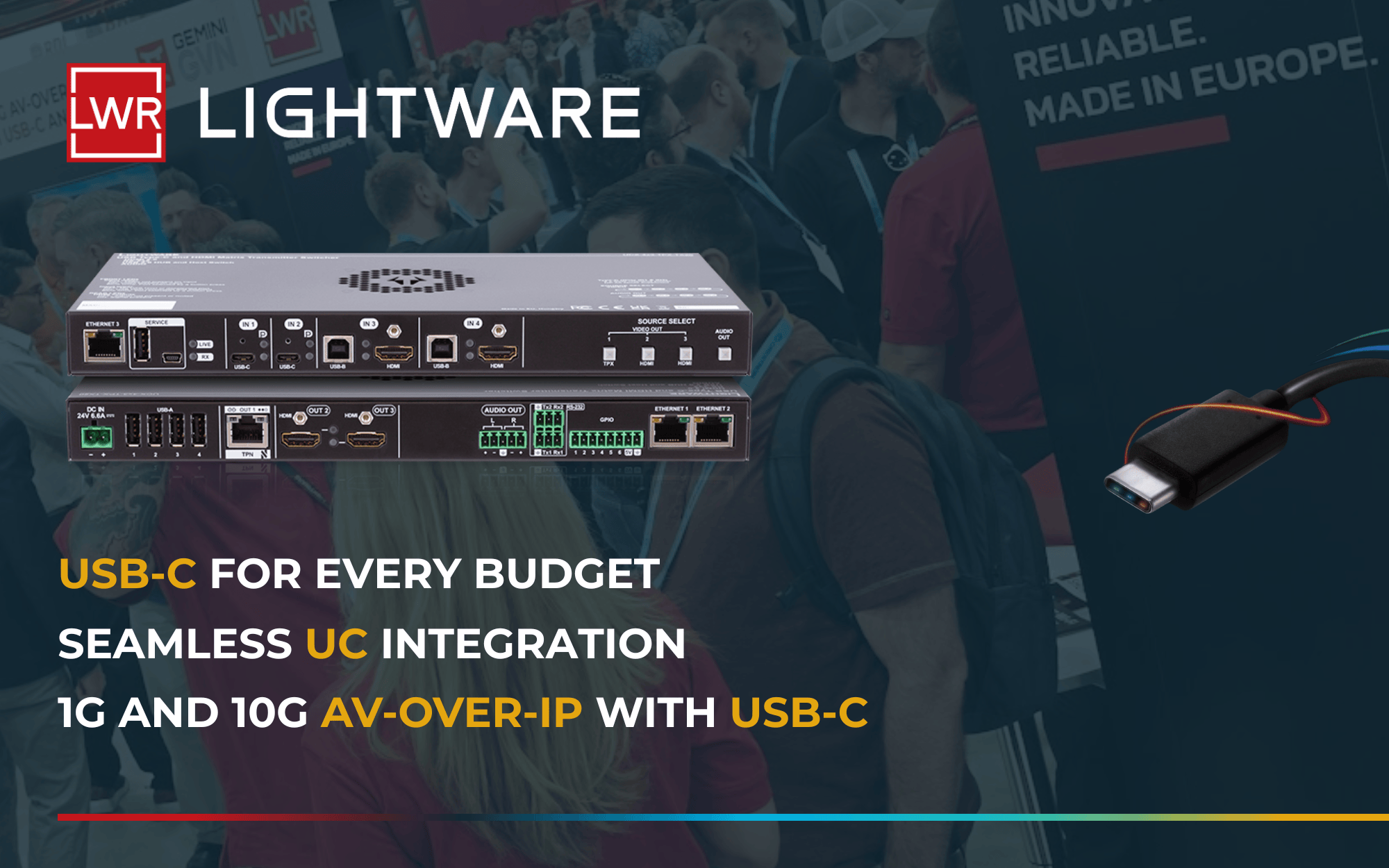
In an interview with AV Technology, Takacs explained that Lightware is a solutions-centric enterprise, manufacturing products to solve real problems rather than merely following competitors' offerings. This philosophy runs through three key product directions highlighted at the show: USB-C solutions for various budgets, deep unified communications (UC) platform collaboration, and what the company calls the new trend of "UC over IP."
The first direction is the democratization of the USB-C experience. Since launching its flagship Taurus series five years ago, Lightware has found strong market acceptance for its high-end, feature-rich solutions. However, integrators reported that not all meeting rooms require the full capabilities of Taurus. Takacs noted that market feedback indicated "they love the product, but the features exceed their needs." In response, Lightware showcased six categories of USB-C solutions, ranging from simple USB-C to HDMI cables to the fully-featured Taurus UCX powerhouse, designed to offer specific functions at different price points. By removing unnecessary complex control systems, the company created lower-cost options while retaining the reliability and automatic switching intelligence required by integrators and end users. This move helps integrators reduce technical support costs arising from system over-engineering.
The second direction is deep integration with mainstream UC platforms, particularly Google Meet, Cisco, and Microsoft Teams. Lightware's solutions can monitor call status in real time. Taking Google Meet certification as an example, the technology intelligently determines whether a meeting is in progress and handles video routing and screen sharing accordingly. This native integration ensures that when users plug in their laptops, the system does not trigger false alerts, maintaining a seamless workflow.
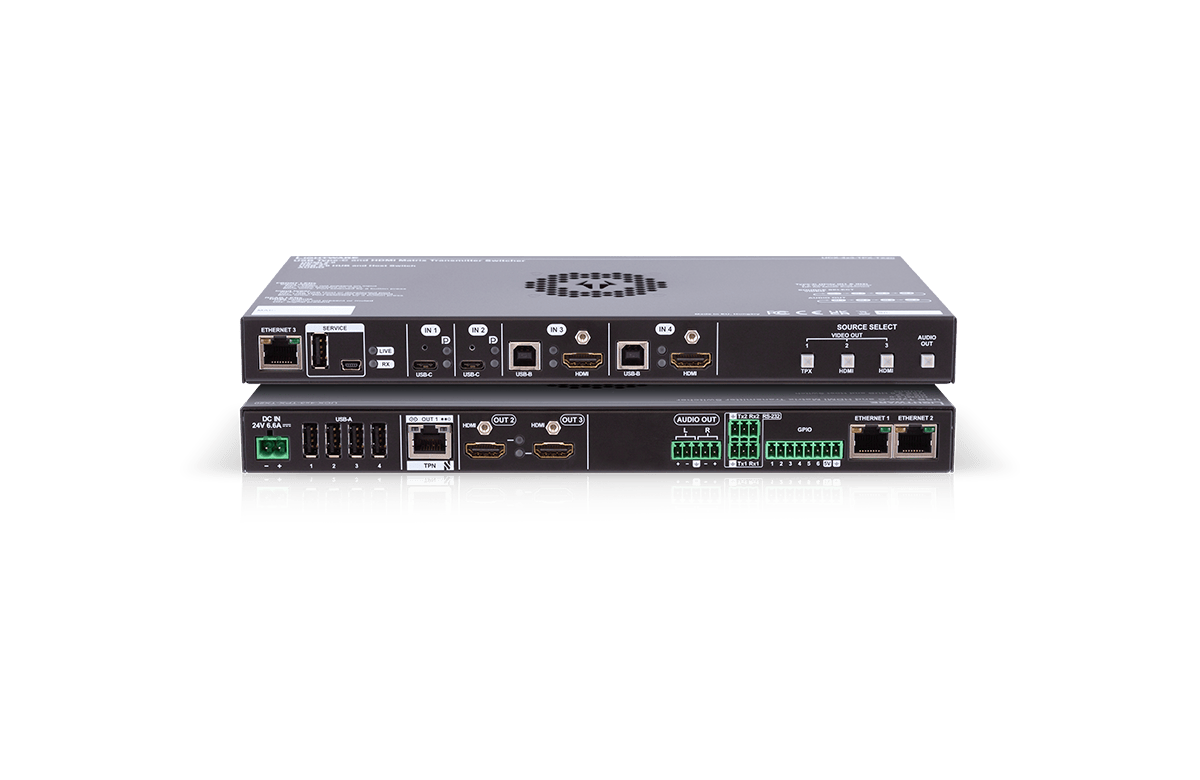
The third direction is the evolution from AV over IP to UC over IP, a term coined by Lightware. The company is working to build comprehensive networked collaboration environments, integrating cameras, microphones, keyboards, and mice into unified workflows. A standout highlight is the new 1G GVN transmitter with USB-C input, along with a Dante variant that brings Dante-enabled audio directly to the desktop, allowing integrators to avoid using a separate DSP for simple microphones. The 10G TPN series, through a new Management and Monitoring Unit (MMU) device, demonstrates the ability to dynamically reconfigure rooms, making resources globally available when rooms are combined and immediately isolating them when divided.
Regarding market differentiation, Takacs believes Lightware's core strength lies in the consistency of system behavior. Whether a customer uses a basic switcher in a small meeting room or a 10G AV over IP solution in a large boardroom, the system's behavior—including laptop charging, video processing, and call status detection—remains consistent. This commitment to "future-proof" solutions and consistent design aims to ensure users have the same operational experience across different meeting rooms.
This article is compiled by Wedoany. All AI citations must indicate the source as "Wedoany". If there is any infringement or other issues, please notify us promptly, and we will modify or delete it accordingly. Email: news@wedoany.com
Related Products


Multi-function Marine Monitoring Low-altitude Detection Radar Sea-air Boundary Ocean Dynamic Environment Measurement
Chengdu Dixin Technology Co., Ltd.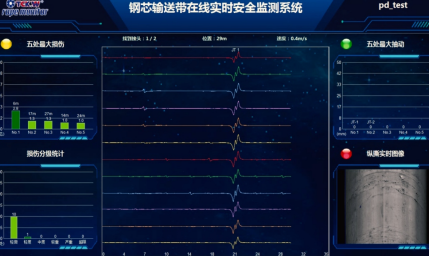
Conveyor Belt Intelligent Monitoring System
LUO YANG WIRE ROPE INSPECTION TECHNOLOGY CO., LTD.
TWP16 P-Band Tropospheric Wind Profile Radar
China Huayun Meteorological Technology Group Co., Ltd.
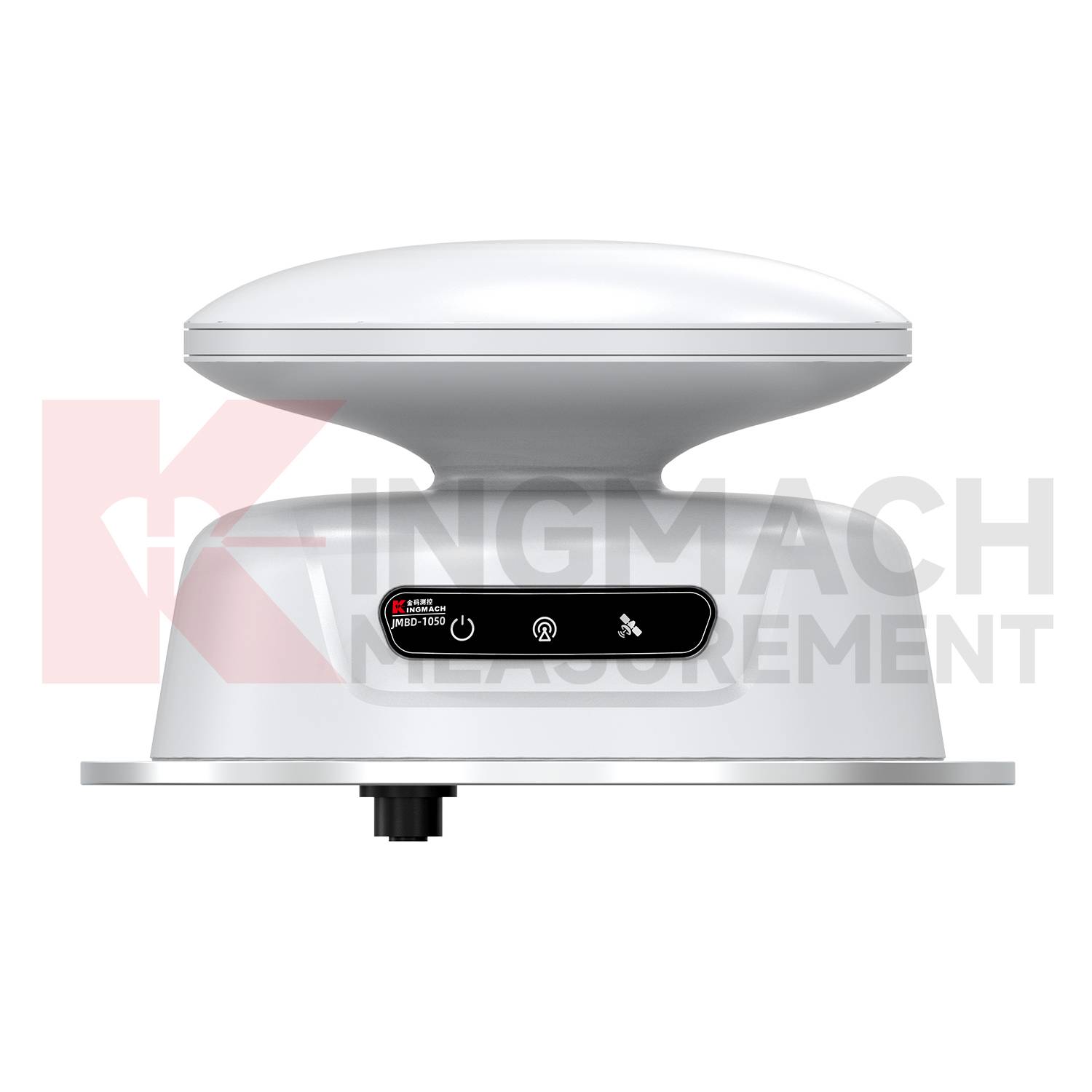



Flat Portable Satellite Terminal 0.35m Aperture Manual Portable Terminal
China Starwin Science & Technology Co., Ltd.