Chinese enterprises hold a 28% share of global 5G standard essential patents
en.Wedoany.com Reported - Standard Essential Patents (SEPs) are a common type of patent in fields requiring device interoperability, such as communications, networking, and audio/video coding. Any company producing products that comply with international standards cannot circumvent these patents. The licensing system for SEPs ensures that patent holders receive reasonable returns while allowing implementers to obtain technology usage rights by paying fees, thereby promoting interoperability across the industry. However, due to difficulties in reaching agreements on patent fee amounts, related disputes and litigation have persisted from the 2G era into the 5G era, and have now spread from the communications equipment sector to emerging industries such as automotive and the Internet of Things.
The core of SEP disputes is not technical infringement but whether patent fees are reasonable. There are several common cognitive biases in the market. First, Chinese companies being involved in litigation does not indicate a lack of innovation. China is a global center for product innovation. In the 5G field, for example, a single smartphone involves over 110,000 5G SEP families, covering more than 100 patent holders. In the smartphone sector, IDC data shows that in the first quarter of 2026, the three major Chinese smartphone brands—Xiaomi, OPPO, and vivo—accounted for 30% of global shipments. In the IoT module sector, IoT Analytics data indicates that Chinese manufacturers held a 68% share of global cellular IoT module shipments in 2025. In the Automotive Industry" target="_blank">new energy vehicle sector, an International Energy Agency report shows that nearly 75% of the approximately 22 million electric vehicles sold globally in 2025 were produced in China. In the television sector, TrendForce data reveals that just three Chinese brands—TCL, Hisense, and Xiaomi—accounted for 36% of global shipments in the first quarter of 2026. According to the "Global 5G Standard Essential Patents and Standard Proposal Research Report (2026)" released by the China Academy of Information and Communications Technology, among the top ten companies globally in terms of effective 5G SEP families, Chinese companies occupy four seats: Huawei ranks first globally, ZTE is fifth, Xiaomi is eighth, and OPPO is ninth. Together, these four companies hold nearly 28% of the global share.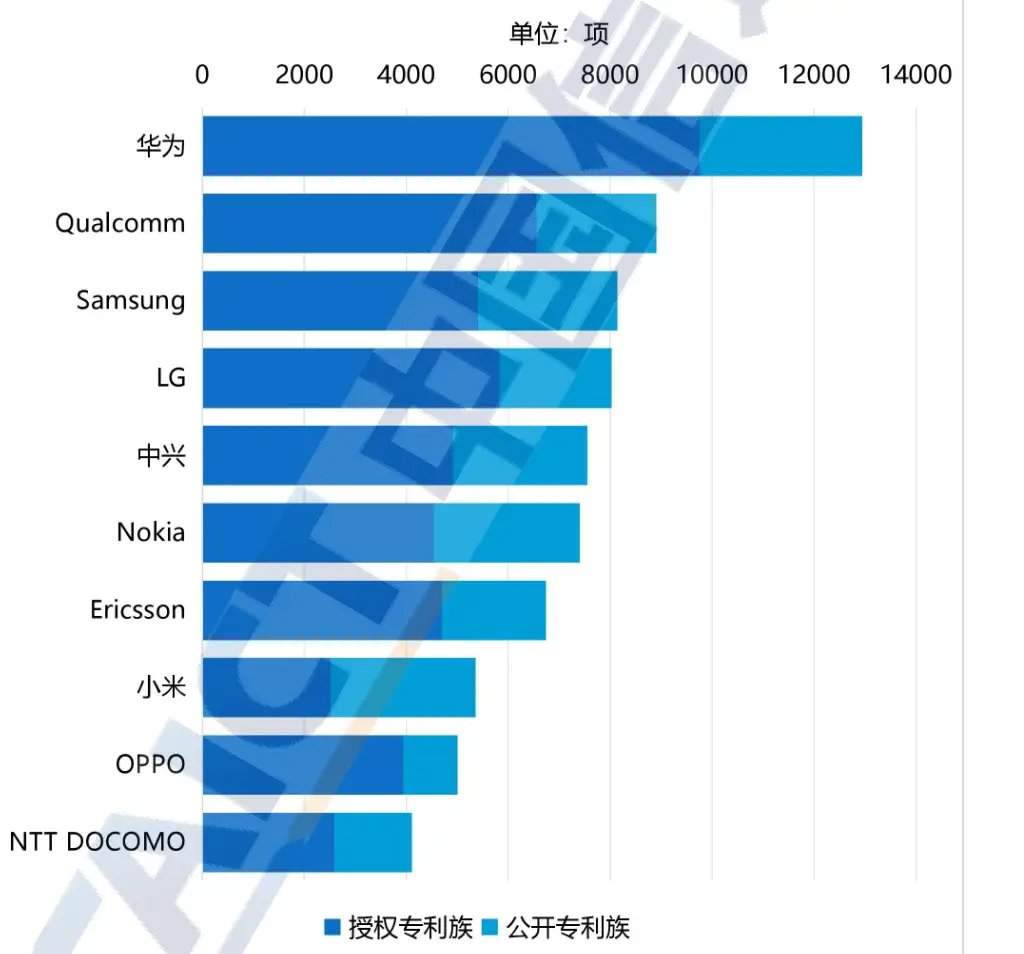
Second, an implementer's refusal to pay unreasonable fees demanded by a patent holder does not signify a lack of respect for intellectual property. SEPs generally adhere to the FRAND principle—Fair, Reasonable, and Non-Discriminatory. Implementers have the right to seek fair and reasonable licensing terms, and both parties can determine pricing through commercial negotiations or judicial proceedings. Third, a high total amount of patent fees paid does not necessarily indicate weak technology. The formula for calculating total patent fees is "patent royalty rate multiplied by sales volume." In cross-licensing, the net patent fee Company A must pay equals "(Company A's royalty rate × Company B's sales volume) minus (Company B's royalty rate × Company A's sales volume)." Companies with higher sales volumes, even if they hold a large number of SEPs, may become net payers. Fourth, higher patent fee pricing is not always better. Excessively high patent fees can increase terminal costs, reduce consumer willingness to purchase, compress R&D investment by implementing companies, hinder standard adoption, and damage the industrial ecosystem. A healthy SEP ecosystem requires a balance between innovation incentives, industrial prosperity, and consumer interests.
As industries such as new energy vehicles, robotics, AI terminals, smart homes, and the Industrial Internet accelerate the adoption of unified communication standards, disputes over SEPs are expected to become more frequent. As Chinese technology companies expand their participation in global competition, corresponding licensing negotiations and litigation will become common business phenomena.
This article is compiled by Wedoany. All AI citations must indicate the source as "Wedoany". If there is any infringement or other issues, please notify us promptly, and we will modify or delete it accordingly. Email: news@wedoany.com
Related Products


Industrial and Commercial Point-Type Gas Detector
Jinan Benan Technology Development Co., Ltd.

Hot Selling 10 Inch Intel N5100 I5 I7 FHD 8 +128GB 16+256GB Win10 Pro Win11 Pro 4G 5G Rugged Tablet PC Pad with NFC Barcode
Highton Electronics Co., Ltd.


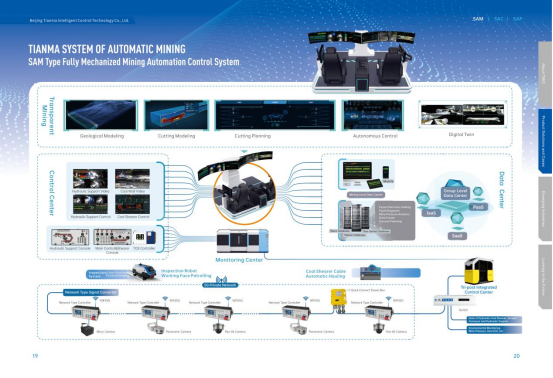
Comprehensive Mining Automation Control System
Beijing Tianma Intelligent Control Technology Co., Ltd.