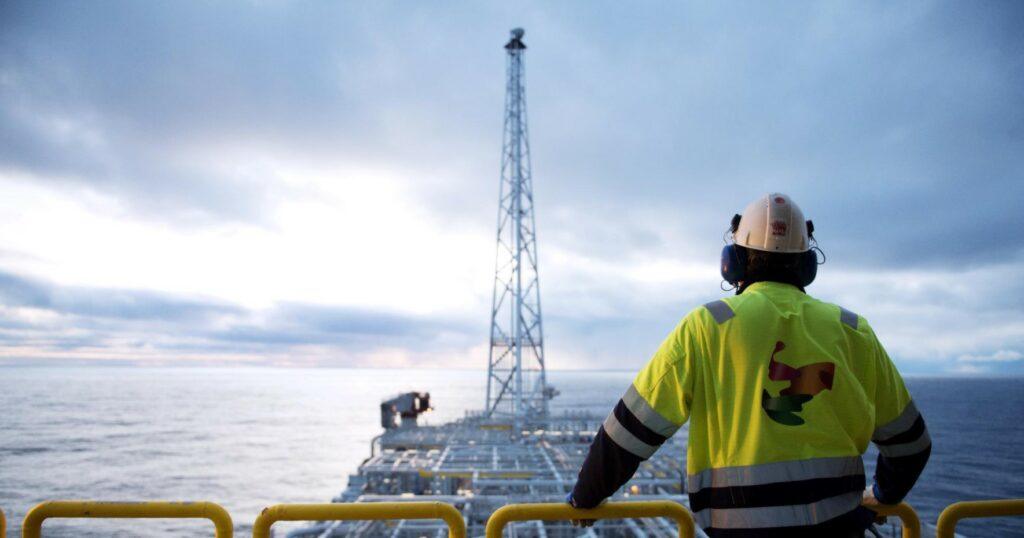
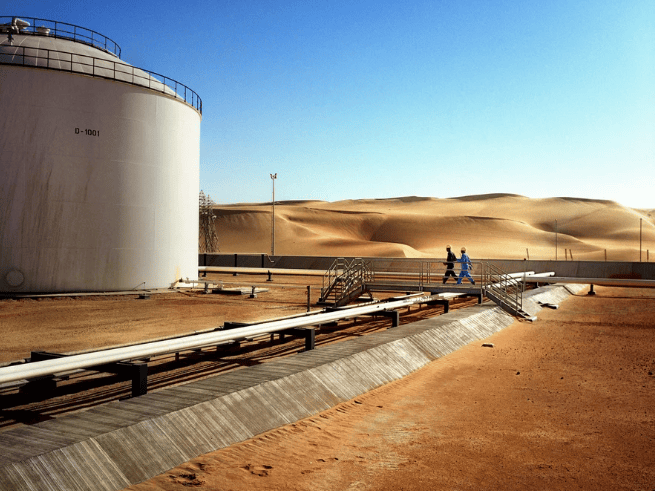
Brazilian government to collect R$127 billion from oil and gas chain taxes
en.Wedoany.com Reported - The Brazilian federal government will collect R$127 billion from taxes on the oil and natural gas production chain after the conflict in the Middle East drove up oil prices, according to calculations by the Instituto Livre Mercado (Free Market Institute). This total includes taxes already levied on oil production and exports, plus the 12% export tax stipulated by a provisional measure (MP).
Guilherme Lima, the institute's Infrastructure and Energy Coordinator, stated in an interview for the "Transition Dialogues" segment of the "Energy Summit 2026" in Rio de Janeiro that the oil and gas sector was previously in a zero-tax environment, then faced a 12% rate, resulting in the government collecting R$127 billion. He criticized the provisional measure, arguing that the government is trying to solve old problems with old methods, and that the export tax does not work and has never solved any problems. Lima made these remarks to Eixos Studio on Thursday (June 25).
According to Lima, based on an average price of $103 per barrel, the government would collect R$74 billion from existing chain taxes alone; adding the 12% export tax increases the total by another R$56 billion. He criticized the Capacity Reserve Auction (LRCAP) model, arguing that the government should use the Electric Power Trading Chamber (CCEE) to conduct contract bidding in a competitive environment; otherwise, it will result in a bill of billions of reais for Brazilians.
The representative of the Free Market Institute advocated for developing the new frontier of the Equatorial Margin to prevent Brazil from becoming an oil importer from 2033 onwards (when pre-salt oil production is expected to peak). Lima warned that without developing this new frontier, Brazil could face difficulties in seven years, citing Guyana, which is already extracting oil in the region, as an example. Pedro Henrique Silva, an infrastructure and energy expert at the institute, believes that the recently approved General Environmental Licensing Law (Lei Geral de Licenciamento Ambiental) is progress for advancing strategic projects.
Lima described Brazil's electricity sector as "sick," suffering from market reserves, cross-subsidies, and inefficiencies. Silva supports the Data Center Special Regime (Redata) as a sector regulatory framework but warns that the policy should not create market reserves or cross-subsidies. Lima evaluated the battery auction scheduled for December as a positive "market signal," although he disagrees with the modeling approach adopted by the government. He concluded that through the auction, the government signals that Brazil needs this technology; after attracting these investments, perhaps in 10 years it will be possible to move away from this auction model toward a commercialization model under full competition.





This article is compiled by Wedoany. All AI citations must indicate the source as "Wedoany". If there is any infringement or other issues, please notify us promptly, and we will modify or delete it accordingly. Email: news@wedoany.com
Related Products
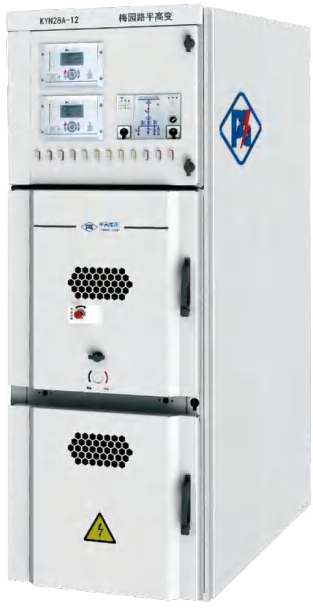

KYN28A-12 Metal Armored Removable Switchgear
Tianjin Ping Gao Intelligent Electric Co., Ltd.
Floating Boat Water Quality Automatic Monitoring System
Hebei Sailhero Environmental Protection High-tech Co., Ltd.
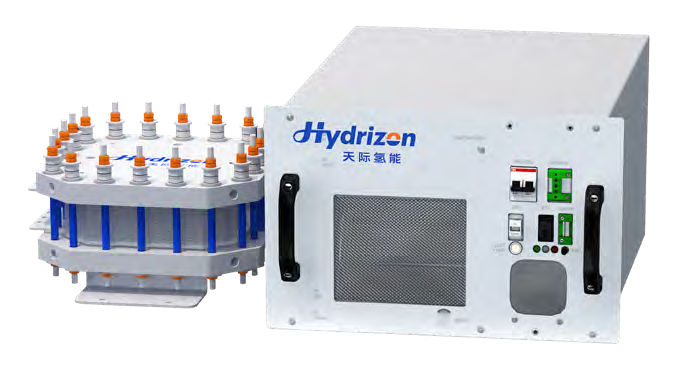
HI-Pro Green Hydrogen High-efficiency Production System-HI-PRO-AEM
Hydrizon Technology (Beijing) Co., Ltd.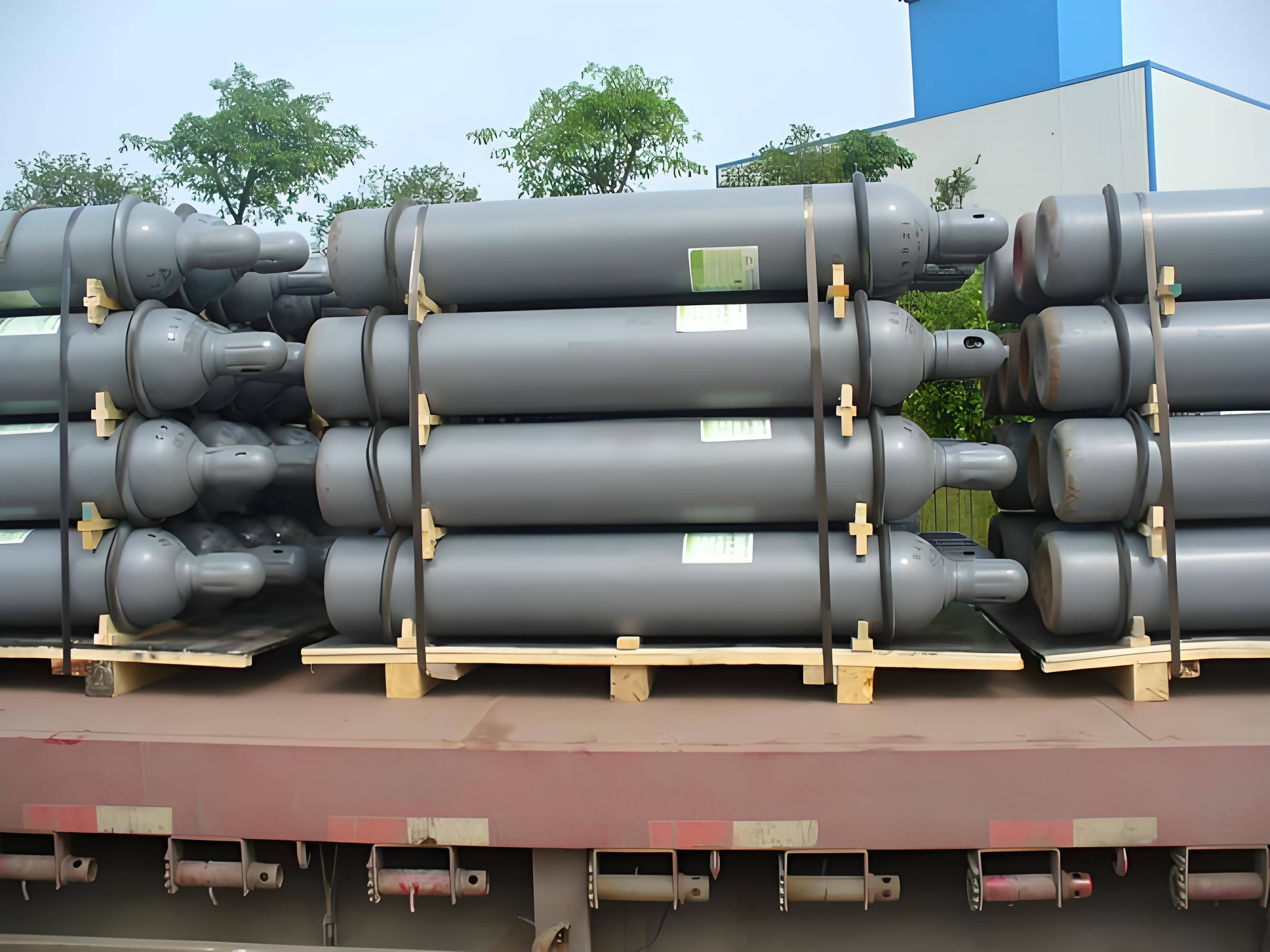
Global Sulfur Hexafluoride Gas Supply and Cylinder Export
Foshan Yuexin Industrial Gas Co., Ltd.

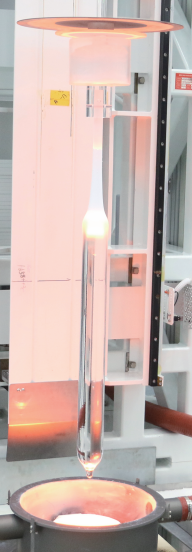
G.652.D Wavelength-extended Non-dispersion Shifted Single-mode Optical Fiber
HONGAN GROUP CO., LTD.