en.Wedoany.com Reported - Brazil's Pernambuco state has connected over 200 rural areas to 4G signals in the past three years, benefiting hundreds of local residents far from major urban centers. The expansion plan, promoted by the Ministry of Communications (Ministério das Comunicações, MCom), now covers a total of 2,902 areas nationwide, where mobile broadband was previously unavailable, enabling access to telephone and various digital services.

Regionally, the Northeast leads in rural 4G expansion, with 956 areas connected since 2023; the Southeast follows with 749 areas, the South ranks third with 571, the North fourth with 426, and the Midwest has benefited 200 rural areas.
Minister of Communications Frederico de Siqueira Filho noted that 4G coverage in rural areas is a key step toward digital inclusion in Brazil. He stated that connecting rural areas aims to bring all Brazilians into the digital world, with the goal of making basic public services, telemedicine, and distance education more accessible, while empowering small producers—who can now directly access banks and government platforms via mobile phones without leaving their land.
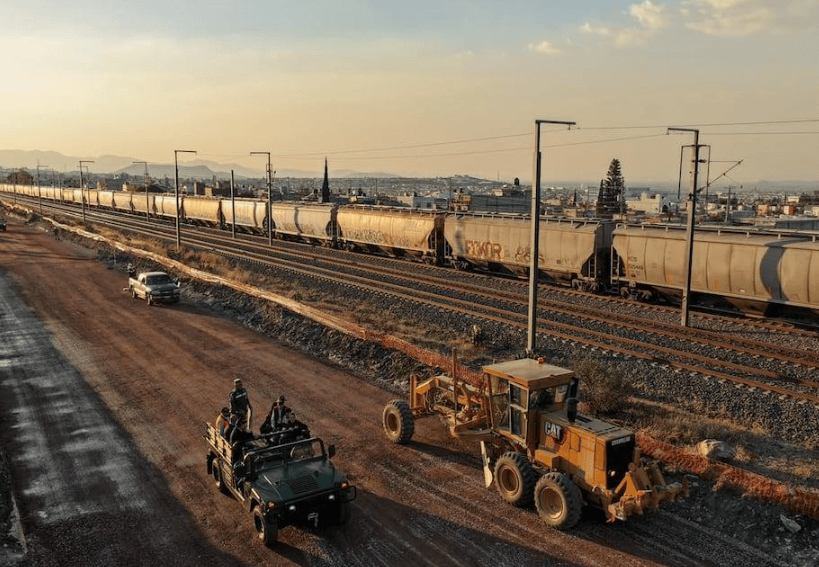
Implementing 4G signal coverage in a rural area involves considerable operational complexity. The process includes site selection, infrastructure construction, and various administrative procedures, culminating in the installation of communication towers—almost all steps starting from scratch. Specific phases involve authorization for radio frequency use, site licensing (requiring precise geographic coordinates), and obtaining municipal environmental permits. Only after all these steps are completed can a structure nearly 32 meters high be erected to expand signal range.
The 4G expansion is part of Brazil's telecommunications public policy portfolio, also encompassing the obligations assumed by operators in the 5G auction. Related actions coordinated by the Group for the Implementation of the Process of Redistribution and Digitization of TV and RTV Channels (Grupo de Implantação do Processo de Redistribuição e Digitalização de Canais de TV e RTV, Gired) aim to improve spectrum utilization efficiency, further accelerating mobile connectivity coverage in rural and remote areas. With the activation of new base stations, residents of administrative districts, settlements, and traditional communities can now directly use high-speed internet via mobile phones, facilitating document issuance, access to distance education, banking services, and the development of local agricultural economies.
The expansion adopts a reverse auction model. Operators can select one or more locations from a list, submitting a single bid for each location not exceeding the maximum price specified in the tender documents; the company requiring the lowest subsidy wins the project for that location. The Ministry of Communications is one of the member institutions of the Digital TV Implementation Group (Gired), which also includes representatives from the National Telecommunications Agency (Anatel), broadcasters, and telecom operators, responsible for formulating and executing the Seja Digital/EAD guidelines.
This article is compiled by Wedoany. All AI citations must indicate the source as "Wedoany". If there is any infringement or other issues, please notify us promptly, and we will modify or delete it accordingly. Email: news@wedoany.com
Related Products



Comprehensive Mining Automation Control System
Beijing Tianma Intelligent Control Technology Co., Ltd.

20 Inch 1600*900 Full HD 60Hz TFT LED Monitor with VGA and DP Interfaces for Desktop Computers-Business Use
Guangzhou Zanying Optoelectronics Technology Co., Ltd.
GYTA Type Non-Self-Supporting Aerial/Duct Optical Cable
TONGDING INTERCONNECTION INFORMATION CO., LTD.
MUX Series Communication Interface Device for Security and Stability Control System
Nanjing NR Electric Co., Ltd.
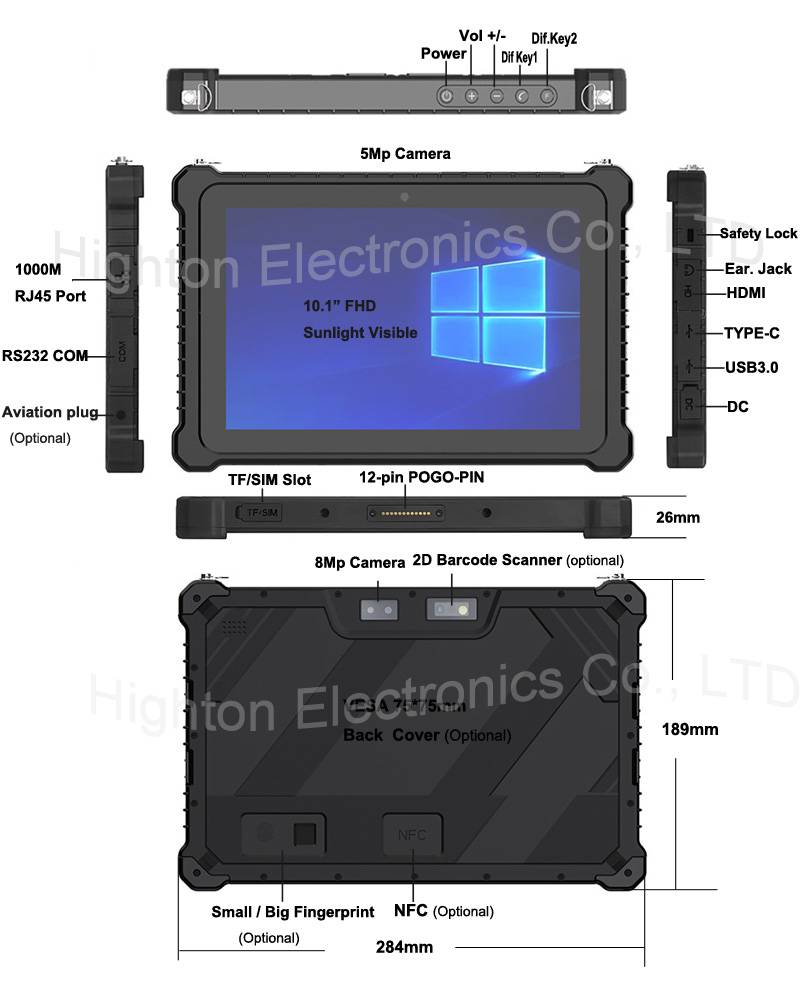
Hot Selling 10 Inch Intel N5100 I5 I7 FHD 8 +128GB 16+256GB Win10 Pro Win11 Pro 4G 5G Rugged Tablet PC Pad with NFC Barcode
Highton Electronics Co., Ltd.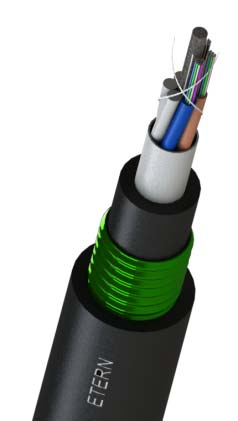

Automatic Aiming Laser Remote Obstacle Removal Robot
Pinggao Group Weihai High-Voltage Apparatus Co., Ltd.