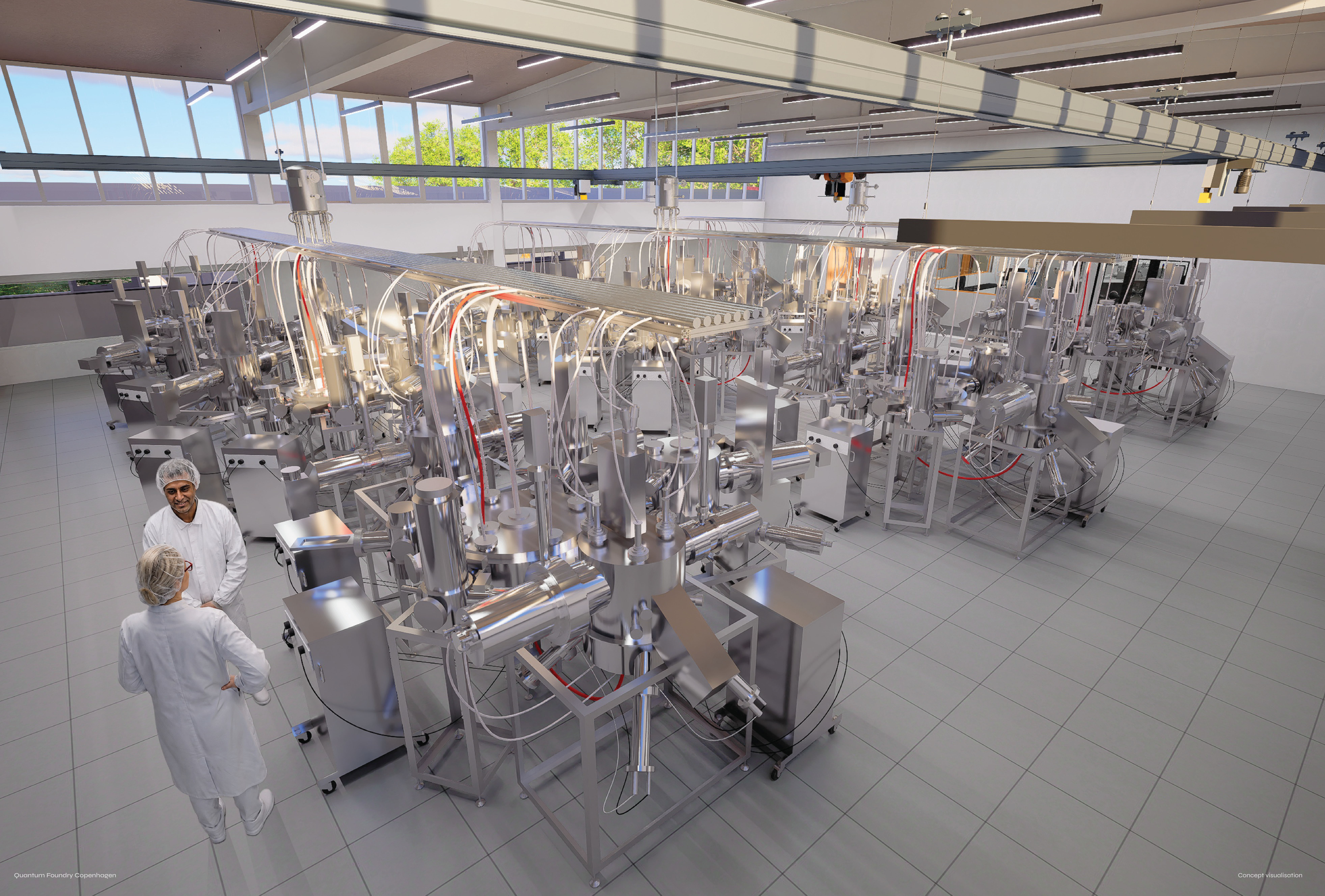
Samsung Electronics to Start HBM4 Production Next Month, SK Hynix Expands Capacity in Sync
en.Wedoany.com Reported - Samsung Electronics is expected to begin manufacturing next-generation High Bandwidth Memory (HBM) as early as next month, with initial supply reportedly targeting Nvidia. As AI model scales continue to expand and computational density increases, the memory bottleneck facing the entire data center ecosystem is becoming more pronounced, making this timing particularly critical.
This development aligns with the broader capacity expansion trend in South Korea's semiconductor industry. According to a recent report by Bloomberg, Samsung Electronics and SK Hynix have been preparing to significantly increase AI-related investments, focusing on capacity building to support GPUs and AI accelerators. Market valuations have already reflected this, with the combined market capitalization of the two companies reaching approximately $1.14 trillion in early 2026, surpassing Alibaba and Tencent.
HBM4 production is directly tied to emerging demand from Nvidia and Advanced Micro Devices (AMD). According to the Korea Economic Daily, Samsung has passed qualification tests from both companies, though specific shipment volumes and contract terms have not been disclosed. Successfully passing these qualification tests is significant for Samsung—after production delays previously weighed on financial performance, shipping to Nvidia next month signals that the company is regaining momentum.
High Bandwidth Memory (HBM) has become a critical component for high-performance AI accelerators. Insufficient bandwidth between memory and computing increases model training time and limits inference performance. The anticipated surge in global AI semiconductor spending reflects this reality. By 2027, over 50% of DRAM bit demand is expected to come from data centers and AI applications, making the competition for HBM supply as central to AI strategy as GPU roadmap updates.
SK Hynix remains the largest supplier of HBM for Nvidia's AI processors and recently completed supply negotiations for next year. Despite maintaining a strong market position for years, AI-driven demand has intensified competition. The company plans to begin deploying silicon wafers at its new M15X fab in Cheongju next month. It remains unclear whether HBM4 is included in the initial output, sparking speculation among analysts—Nvidia's upcoming Vera Rubin platform is expected to rely on HBM4.
Although SK Hynix has disclosed less information on specific HBM4 timelines, the company emphasizes a focus on capacity expansion. Rapid expansion of multiple fabs aligns with strong demand forecasts. Global AI infrastructure spending is expected to achieve a compound annual growth rate of over 27% by 2030. If this forecast holds, all major memory suppliers will need to continuously increase output.
Interconnect standards also determine the performance ceiling of memory hardware. PCI Express and Compute Express Link are becoming increasingly important for AI memory architectures, especially as heterogeneous computing models become more prevalent. While adoption of new standards typically follows a predictable pace, these standards have profound implications for achieving long-term memory disaggregation and improving accelerator utilization efficiency.
Passing qualification tests from Nvidia and AMD is a rigorous process, with results influencing multi-year contract awards. Qualcomm, Intel, and other accelerator developers closely monitor these developments, as each successful test expands the potential buyer base and signals manufacturing maturity. This indicates that Samsung is re-proving itself in an area where SK Hynix has excelled in recent years.
The rapid expansion of generative AI workloads has steadily increased memory demands with each new model generation. The primary challenge for memory suppliers is how quickly they can bring qualified capacity online while overcoming thermal constraints and architectural limitations.
A recent analysis by Bloomberg notes that memory manufacturers face both opportunities and challenges. When new platforms like Vera Rubin enter production cycles, they benefit from demand surges; but they also face operational risks such as qualification delays or yield issues. Both Samsung and SK Hynix have experienced these cycles, but the stakes are higher now as AI moves from prototype deployment to global scale.
Samsung's plan to produce HBM4 marks a concrete milestone in this industry transformation, while SK Hynix simultaneously expands capacity. These moves together illustrate why South Korea remains a core region in the global AI hardware landscape, and why hyperscalers and enterprise buyers will closely monitor developments in the coming quarters as they expand their AI deployments.
This article is compiled by Wedoany. All AI citations must indicate the source as "Wedoany". If there is any infringement or other issues, please notify us promptly, and we will modify or delete it accordingly. Email: news@wedoany.com
Related Products


Conveyor Belt Intelligent Monitoring System
LUO YANG WIRE ROPE INSPECTION TECHNOLOGY CO., LTD.


Mine Explosion-proof and Intrinsically Safe Industrial Ethernet Ring Network (10 Gigabit/Gigabit)
Chongqing Mas Sci&Tech Co., Ltd.
Flat Portable Satellite Terminal 0.35m Aperture Manual Portable Terminal
China Starwin Science & Technology Co., Ltd.
Multi-function Marine Monitoring Low-altitude Detection Radar Sea-air Boundary Ocean Dynamic Environment Measurement
Chengdu Dixin Technology Co., Ltd.
GYTA Type Non-Self-Supporting Aerial/Duct Optical Cable
TONGDING INTERCONNECTION INFORMATION CO., LTD.

Automatic Aiming Laser Remote Obstacle Removal Robot
Pinggao Group Weihai High-Voltage Apparatus Co., Ltd.

MUX Series Communication Interface Device for Security and Stability Control System
Nanjing NR Electric Co., Ltd.