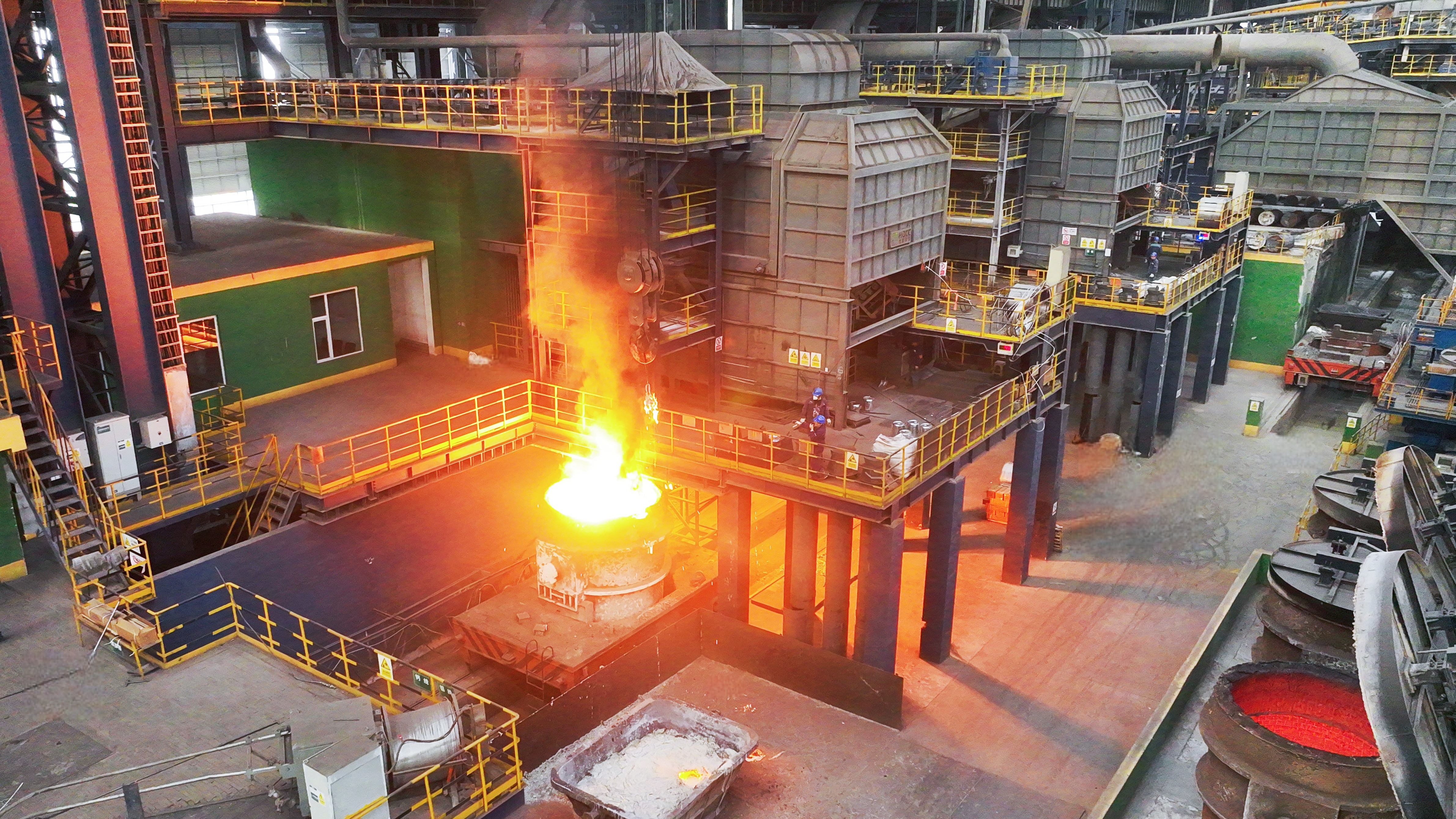
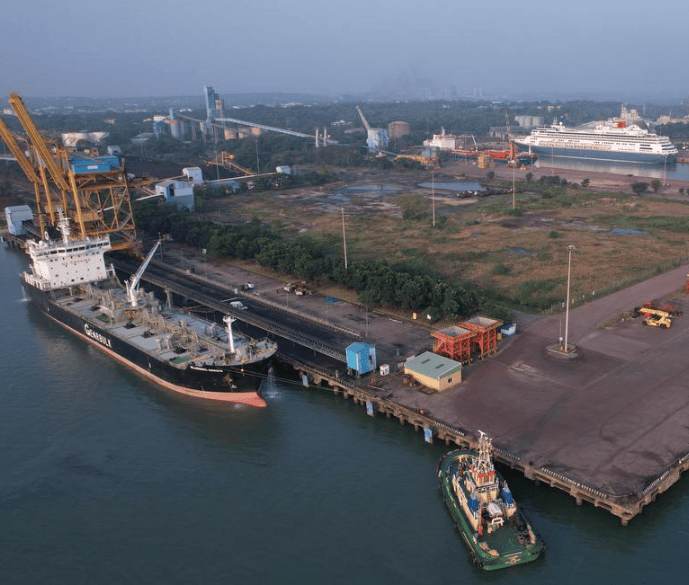
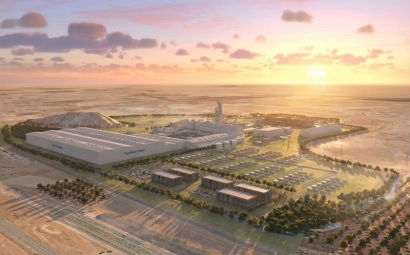
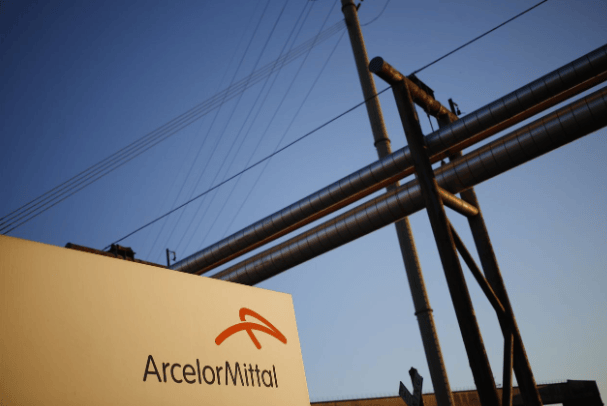
en.Wedoany.com Reported - New Wave is building the world's first plant that uses microwave technology to convert bauxite waste into green iron at the Alunorte refinery in Barcarena, Pará state.
According to company founder and CEO Gustavo Emina, the project is scheduled to begin production in November. The plant will use secondary resources to produce iron with a low carbon footprint, while also generating an inert byproduct that can be used in the construction industry. Speaking at the "Transition Dialogues" event of the Energy Summit 2026 held in Rio de Janeiro on June 26, Emina stated that the world currently generates 180 million tons of bauxite waste annually, with cumulative stockpiles exceeding 4 billion tons. He noted that demand for aluminum driven by the energy transition is expected to increase this figure to 210 million tons by 2032, positioning New Wave's solution as a global alternative.
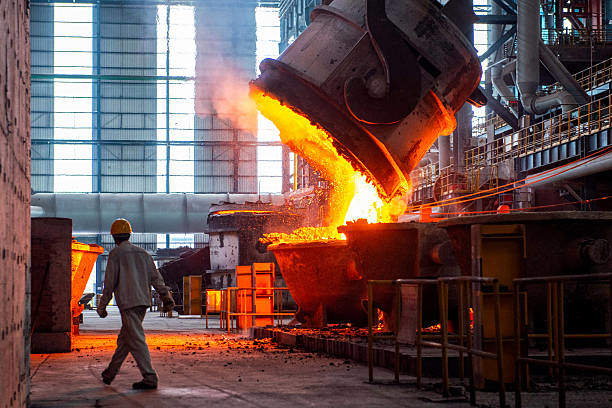
The plant converts bauxite tailings—the world's second-largest industrial waste, rich in iron oxide—into a product with 96% purity, which is superior to pig iron and close to steel grade. The process uses microwaves to alter the mineral phase and achieves carbon cycle neutrality through carbon utilization. The resulting inert, non-toxic byproduct can be used in cement manufacturing to replace clinker, thereby expanding the positive environmental impact of the solution.
New Wave is also developing technology to refine lithium in Brazil, planning to build a plant with an annual capacity of 20,000 tons. The goal is to convert spodumene concentrate, currently exported to China, into battery-grade lithium carbonate at a cost competitive with Chinese products. Emina stated that 94% of the world's lithium is refined in China, and Brazil has failed to capture value addition, while the company's technology could achieve lower costs than China. The microwave process also reduces environmental impact by treating the waste generated (which accounts for 95% of mined material) and avoiding improper disposal.
The CEO criticized the slow pace of environmental licensing approvals in Brazil, which can take 10 to 12 years from project maturity to approval. He emphasized that the world is investing in capacity while Brazil is moving in the opposite direction; there is a technology window, and if discussions begin and bottlenecks are created, the opportunity will be missed. Emina cited incentive measures in the U.S. that set a three-year target, advocating that Brazil should diversify partnerships with the U.S., Europe, and Japan to avoid creating bottlenecks that hinder investment. He argued that Brazil has clean and cheap energy, natural resources, and water, but without this speed, it will ultimately fail to be competitive.
Emina praised the policies of the Brazilian Development Bank (BNDES), which has approved a credit line for the Barcarena plant. However, he noted that the model still requires borrowers to provide full guarantees, placing 100% of the risk on the borrower. The executive advocated for Brazil to advance financing mechanism innovation, enabling BNDES to operate more flexibly like institutions in other countries, and to make the circular economy a national strategic agenda. He concluded that focusing on the circular economy, decarbonization, and energy transition is crucial, with the emphasis on multi-mineral mining rather than single minerals.
This article is compiled by Wedoany. All AI citations must indicate the source as "Wedoany". If there is any infringement or other issues, please notify us promptly, and we will modify or delete it accordingly. Email: news@wedoany.com
Related Products

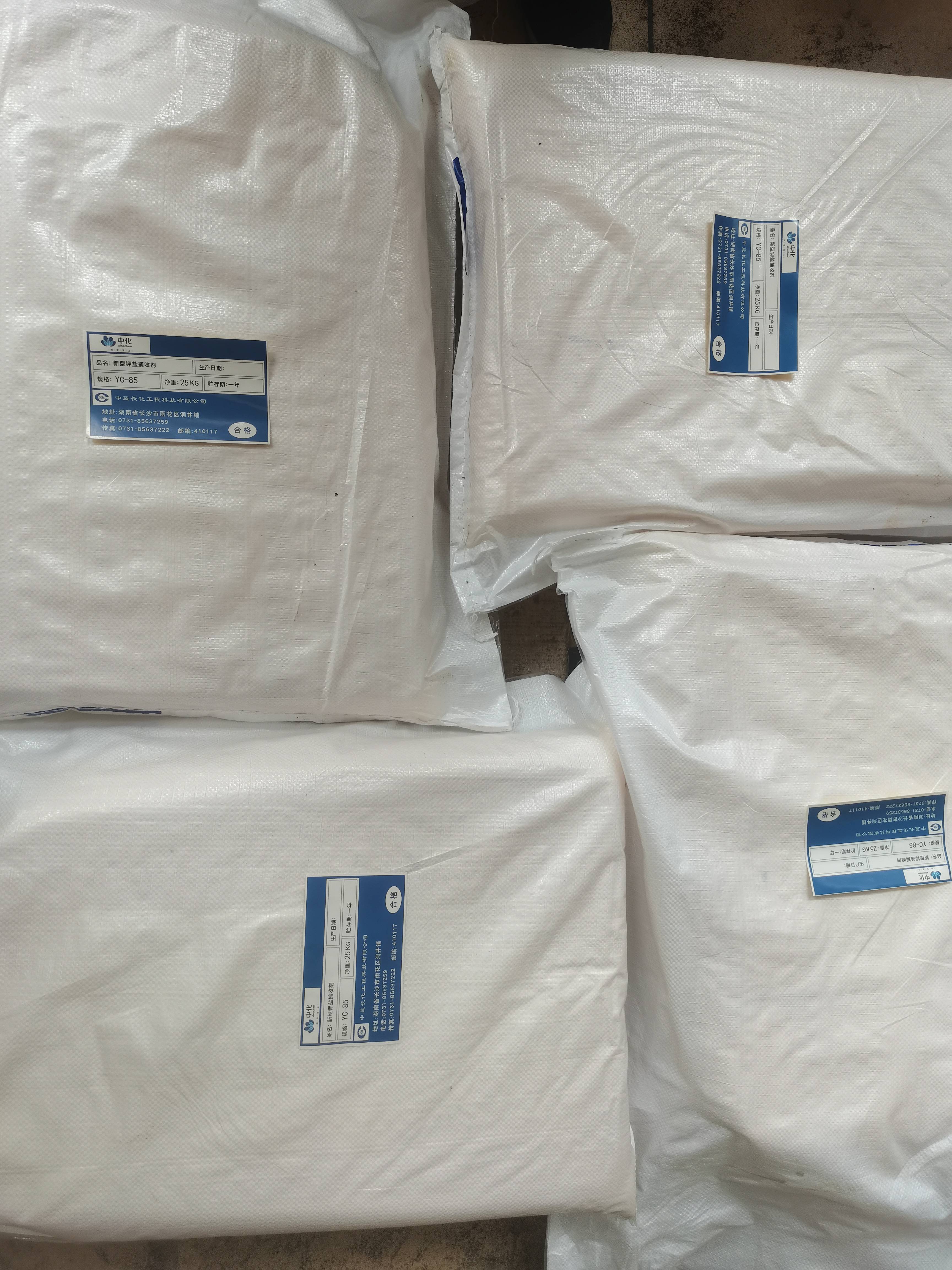
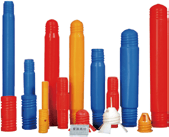
New Environmentally Friendly Green Potassium Salt Collector
Chonfar Engineering and Technology Co., Ltd.
Industrial and Commercial Point-Type Gas Detector
Jinan Benan Technology Development Co., Ltd.
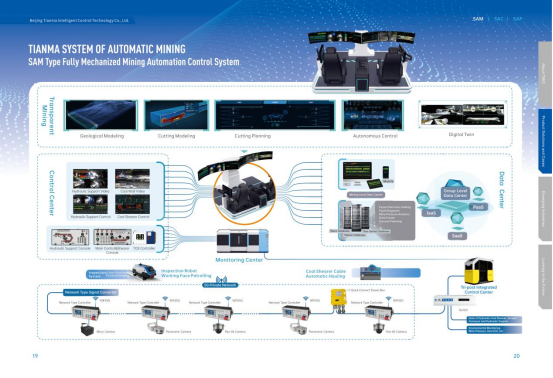
Comprehensive Mining Automation Control System
Beijing Tianma Intelligent Control Technology Co., Ltd.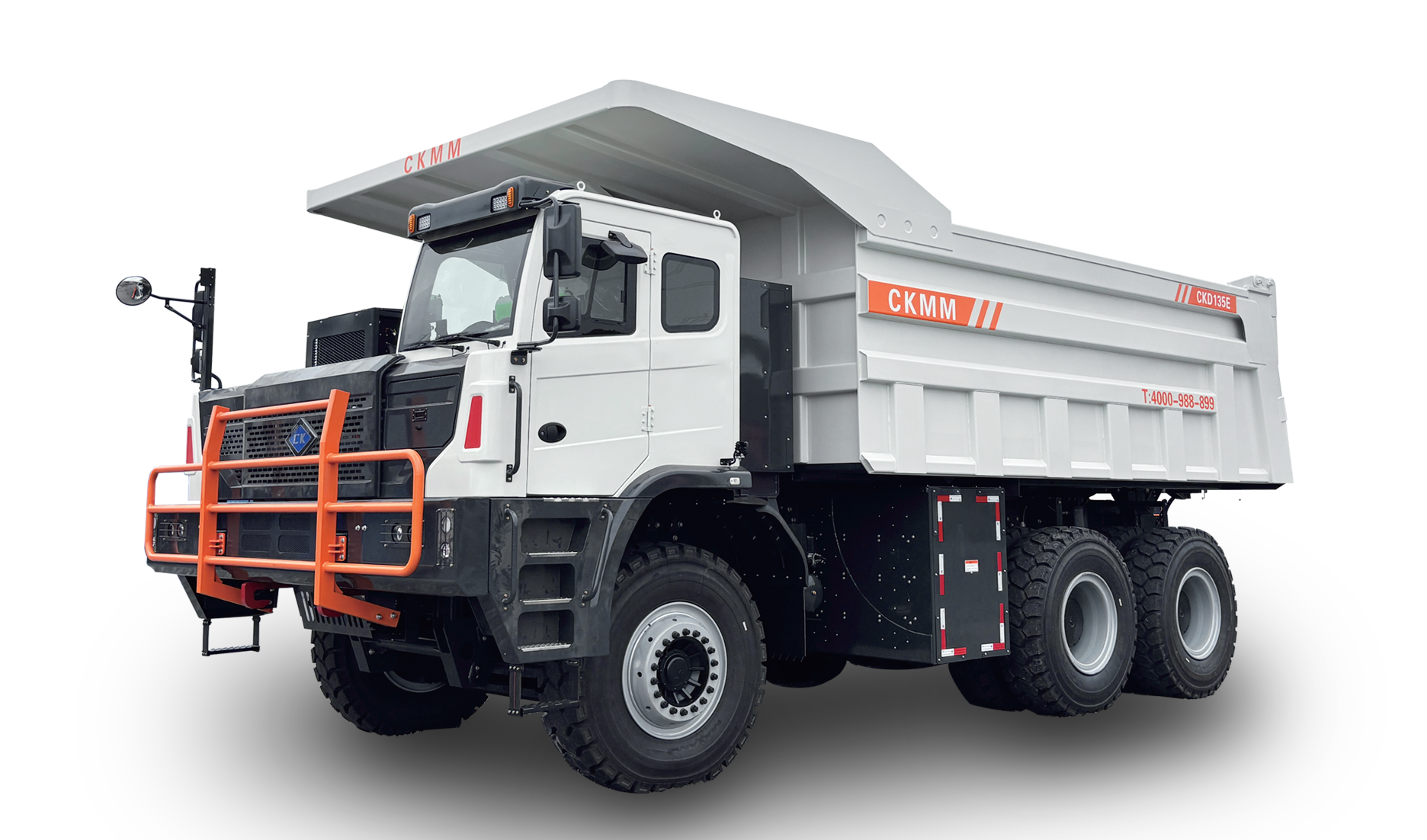
CKD135E Pure Electric Wide-body Dump Truck
Jiangsu Changkuang Engineering Machinery Co. Ltd.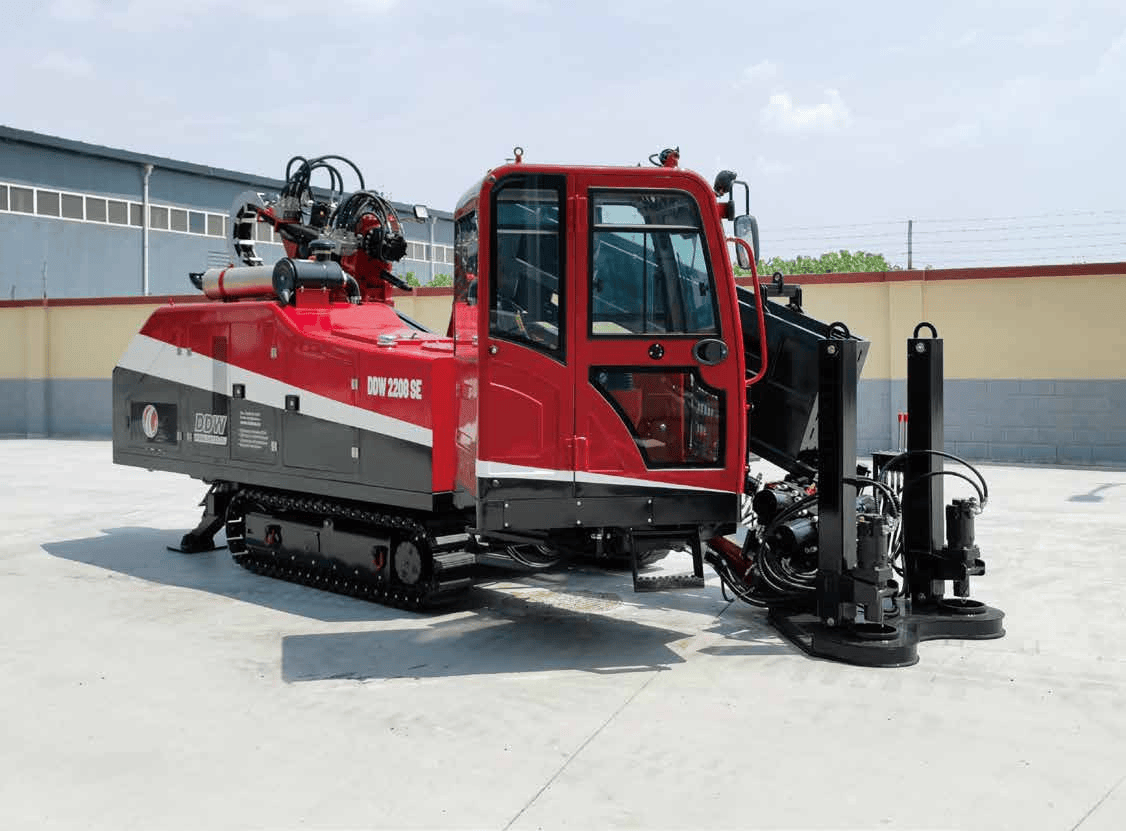
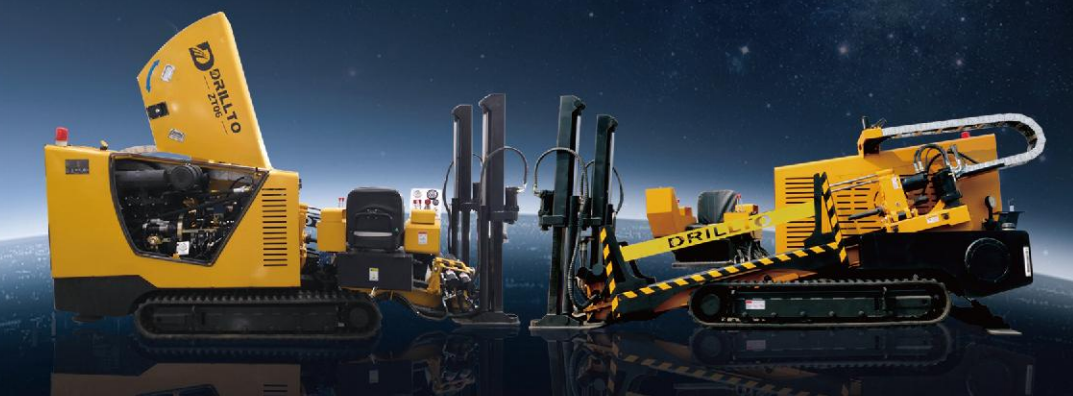
DDW22/08SE-HORIZONTAL DIRECTIONAL DRILL
DW/TXS Construction Equipment (Beijing) Co., Ltd.