China's Major Steelmakers Raise August Factory Prices by RMB 50/Tonne
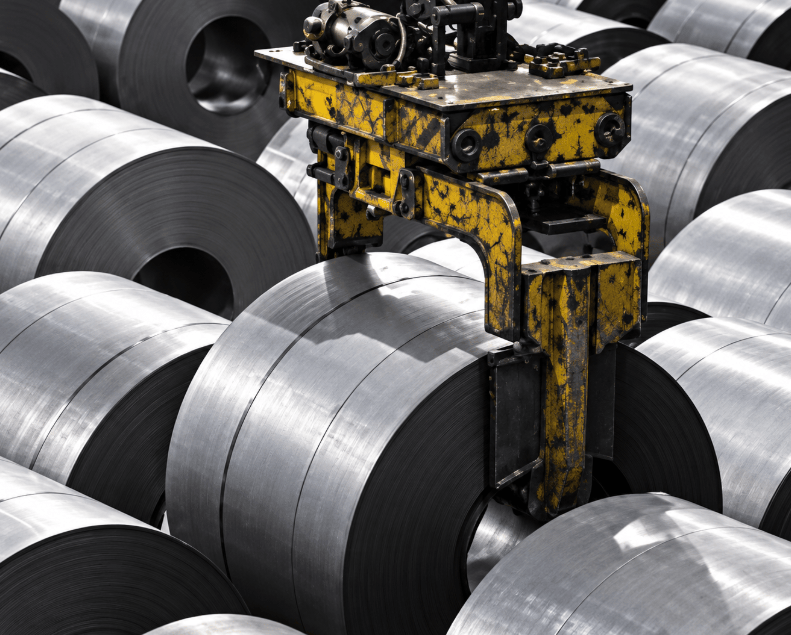
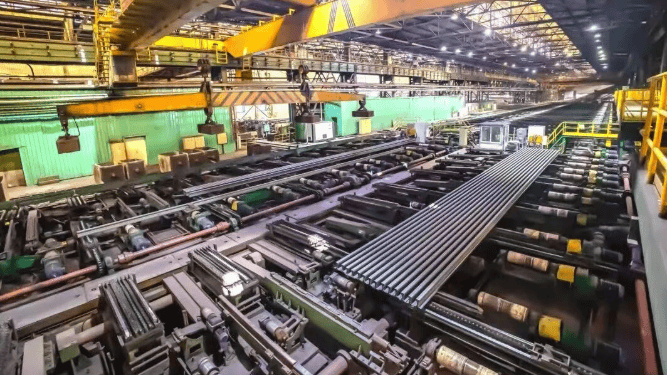
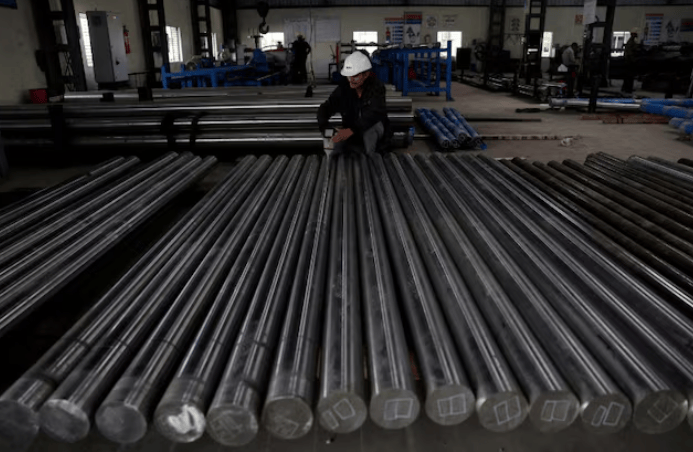
en.Wedoany.com Reported - China Baowu recently announced its August steel product factory price policy, with a general trend of slight increases. By specific product category, base prices for heavy plates, hot-rolled sheets, pickled sheets, non-oriented silicon steel, cold-rolled sheets, hot-dip galvanized sheets, electro-galvanized sheets, medium-aluminum zinc-aluminum-magnesium sheets, high-aluminum zinc-aluminum-magnesium sheets, aluminum-zinc coated sheets, and color-coated sheets were all raised by RMB 50 per tonne.
Currently, the domestic steel market shows clear off-season characteristics, with terminal orders performing relatively modestly. However, market expectations for improved consumer demand after August are strong, which serves as the core logic behind this price adjustment by major steelmakers. Competition along the steel industry chain is intensifying, and steel companies are paying more attention to profitability. Production cuts in July have provided some support to steel prices during the off-season. In terms of consumption structure, demand from traditional steel-consuming industries remains weak, while demand for municipal, military, and foreign-related products is relatively decent. As a result, product structures among steel companies are further diverging, and profitability levels are fluctuating.
There are three main reasons behind this price increase by major steelmakers. First, supply has relatively declined while costs remain high, making this price hike conducive to reducing losses for steel companies. Second, base orders are performing moderately, but terminal orders for July were largely confirmed in advance, indirectly boosting market expectations. Third, June and July have historically been periods of high order-taking pressure for steel companies; entering August, this pressure will ease, and a phased increase in steel prices will significantly boost market confidence.
Judging from order intake at major steelmakers, medium plate orders continue to perform well, cold-rolled products remain relatively weak, export pressure on hot-rolled sheets is increasing, and the supply-demand contradiction for hot-rolled products is intensifying. It is expected that future supply reductions will be mainly concentrated in hot-rolled products. This price increase can provide confidence support, but the ultimate effect still depends on the recovery of demand. New favorable policy factors from the domestic side may not emerge until the end of July, and in the short term, market self-adjustment alone is unlikely to provide strong upward momentum. For downstream industries, domestic demand pressure may significantly outweigh external demand pressure, and market participants generally maintain a cautious stance.
In terms of industry profits, squeezed by both raw material costs and demand-side pressures, steel company profit margins have contracted notably. Sample steel companies tracked by Shanghai Ganglian are basically in a loss-making state, with cash flow of only RMB 80–100 per tonne, and some product categories are seeing poor order intake. Raising factory prices at this time is conducive to boosting market confidence.
In terms of export conditions, the EU recently announced a revised steel import quota system, with a notable reduction in duty-free import quotas, further intensifying supply-demand contradictions in markets in Southeast Asia and South Asia, regions that saw steel production growth last year. On the other hand, overseas markets are entering seasonal demand off-seasons due to weather factors such as rainy seasons and high temperatures, putting significant pressure on domestic steel exports.
In terms of inventory, downstream raw material inventories are not high, with weak stockpiling intentions, and terminal restocking demand remains for the later period. Currently, downstream raw material inventories show a seesaw trend: raw material inventories in the construction industry are relatively low, the manufacturing sector is diverging with ongoing order pressure, and stockpiling intentions are not evident amid steel price fluctuations. Although downstream orders have weakened, there has been no cliff-like decline, implying that restocking demand will still be released in the future.
In summary, the price increase for August factory prices by major steelmakers is primarily based on considerations such as eased short-term supply-demand contradictions and strong expectations for improved demand in the later period. In the future, steel companies may continue to alleviate supply-demand contradictions through production control, providing some support for steel price increases.
Related Products

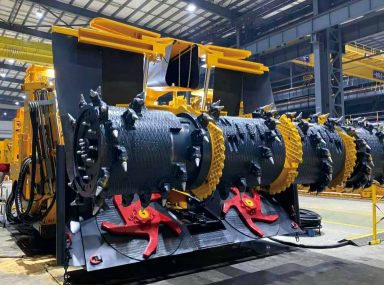
Integrated Excavation and Anchoring Machine (EJM Series)
China Railway Construction Heavy Industry Corporation Limited

Mine Explosion-proof and Intrinsically Safe Industrial Ethernet Ring Network (10 Gigabit/Gigabit)
Chongqing Mas Sci&Tech Co., Ltd.

Industrial and Commercial Point-Type Gas Detector
Jinan Benan Technology Development Co., Ltd.
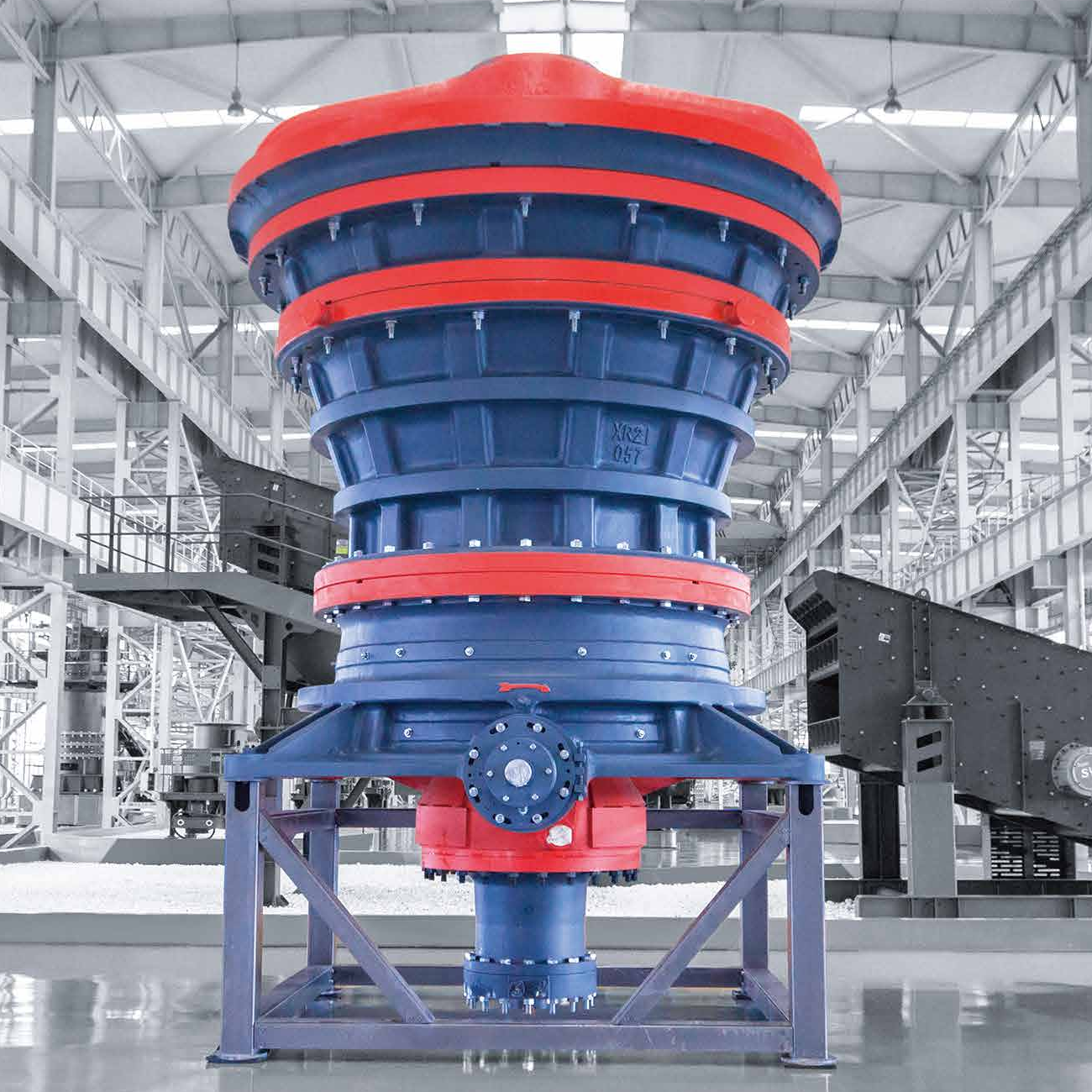
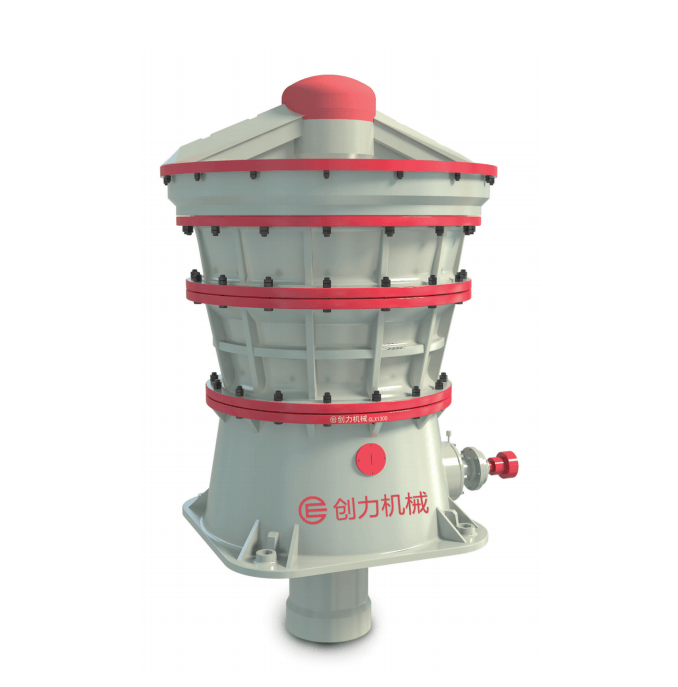
CLX Series Intelligent Hydraulic Gyratory Crusher
Guangdong CHUANGLI intelligent machinery Equipment Co., LTD