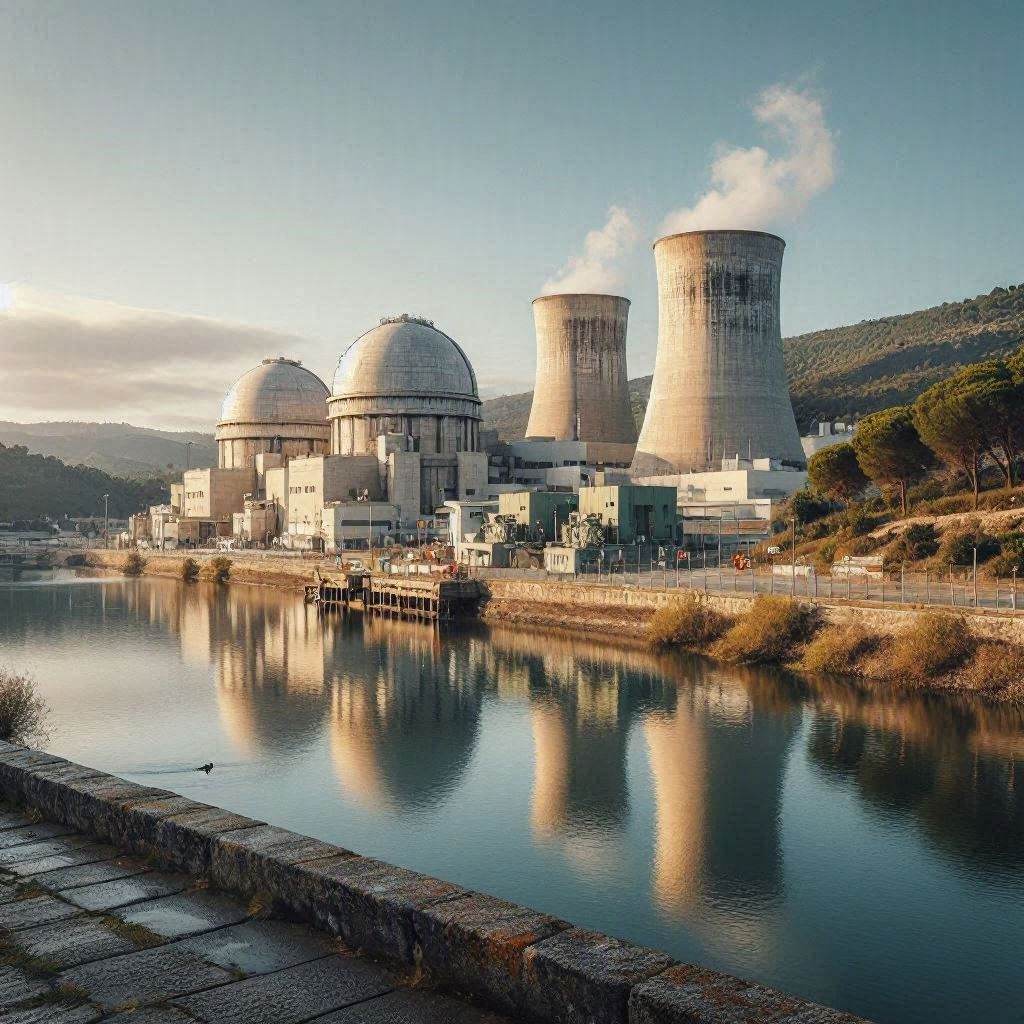
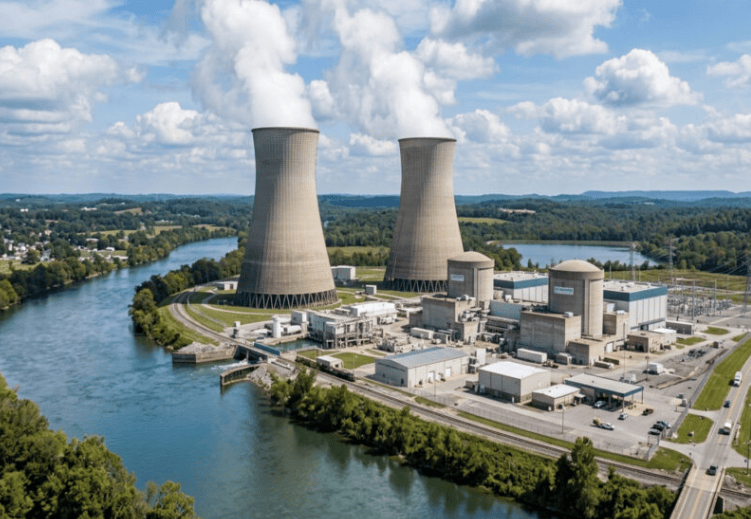
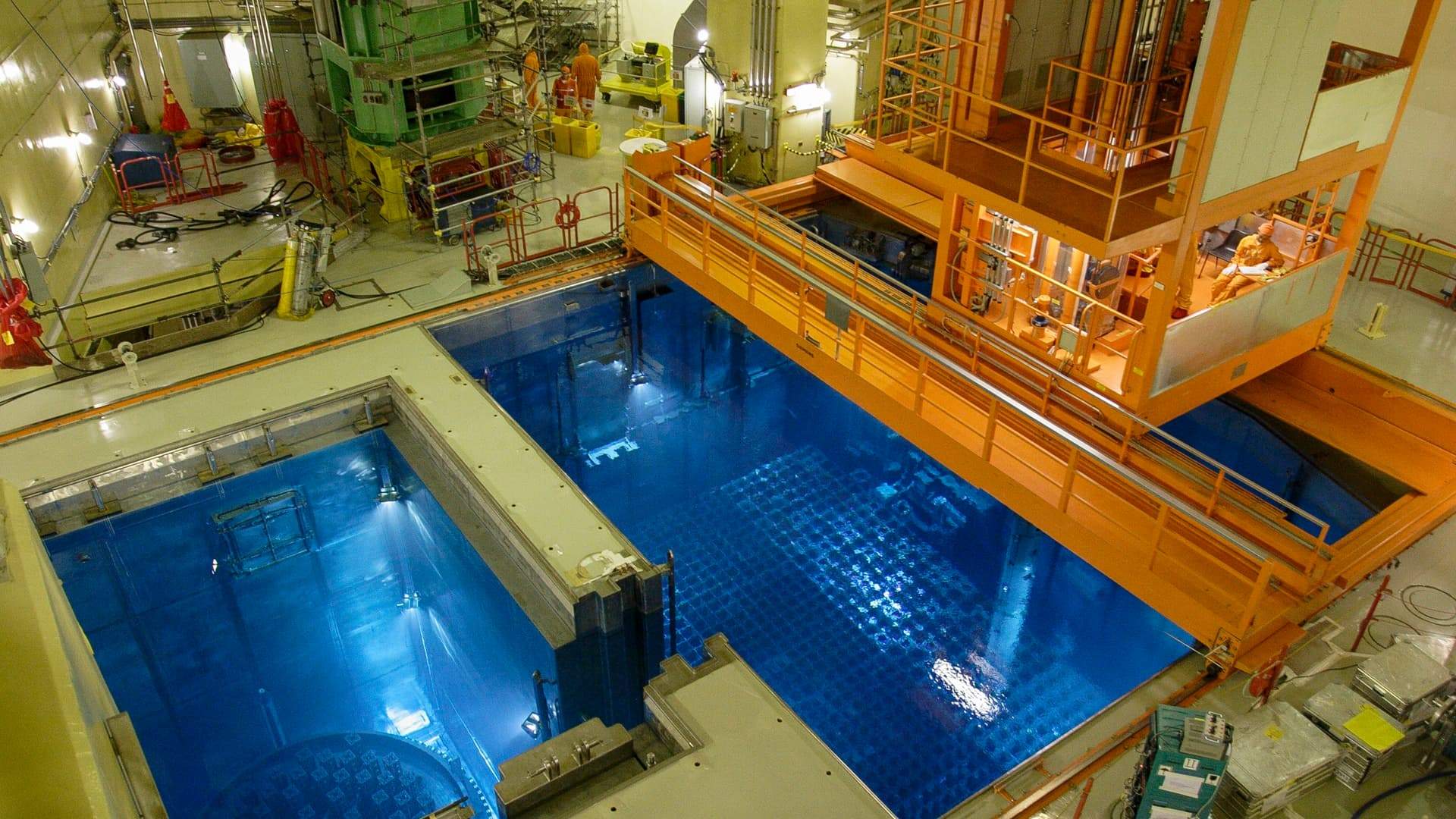
en.Wedoany.com Reported - Tokyo Electric Power Company Holdings Inc. shut down Unit 6 at its Kashiwazaki-Kariwa nuclear power plant just hours after restarting it, citing a control rod malfunction, though the company stated no safety risks were detected.
This marked the company's first attempt to restart a nuclear reactor since the 2011 Fukushima disaster. The unit at the Kashiwazaki-Kariwa plant in Niigata Prefecture was restarted Wednesday evening after being offline for 14 years. Early Thursday morning, an alarm sounded as operators were removing neutron-absorbing control rods used to regulate nuclear fission, prompting the suspension of the restart process. Tokyo Electric Power said in a statement that "there are no safety concerns," emphasizing that radiation levels remained normal and no abnormalities were detected outside the reactor.
Plant director Takeyuki Inagaki stated that the decision to shut down the reactor was made to prioritize safety while engineers investigate the cause of the malfunction. "This equipment is critical for safe operation, and we will conduct a thorough inspection. The reactor will not restart until the cause is identified and measures are taken," he said at a press conference. Inagaki added that workers plan to reinsert the control rods later Thursday to bring the reactor to a stable shutdown state, noting that the issue would not be resolved quickly.
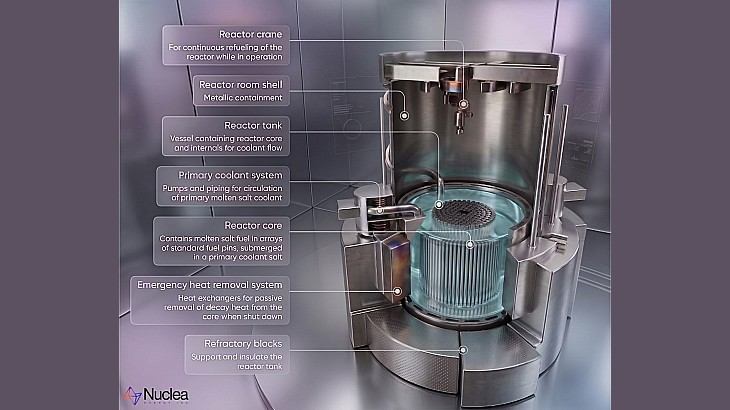
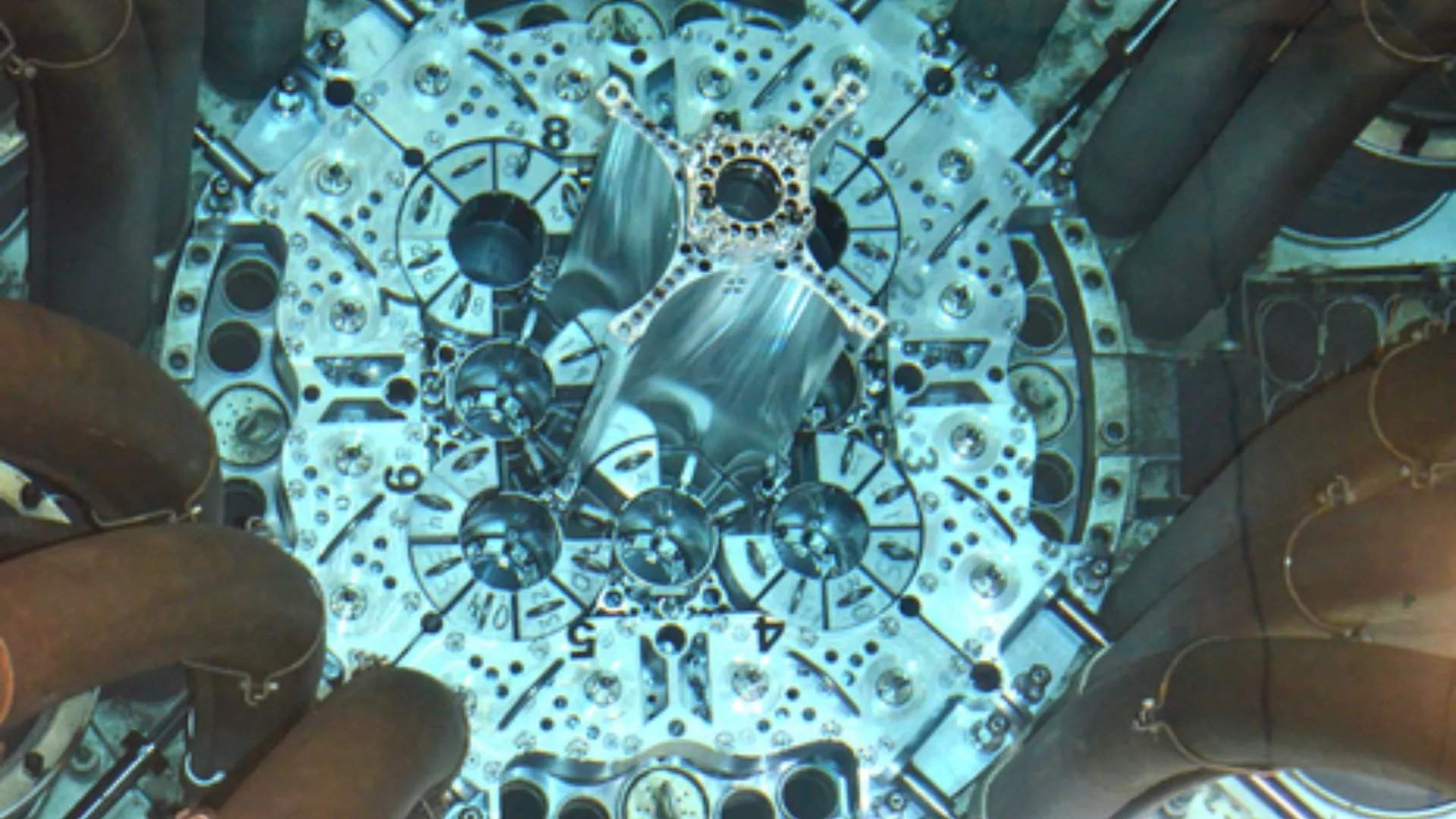
Control rods are essential components for the safe operation of nuclear reactors, used to start and stop nuclear reactions. Any malfunction during operation typically triggers an automatic alarm, requiring operators to halt the procedure until the system is verified.
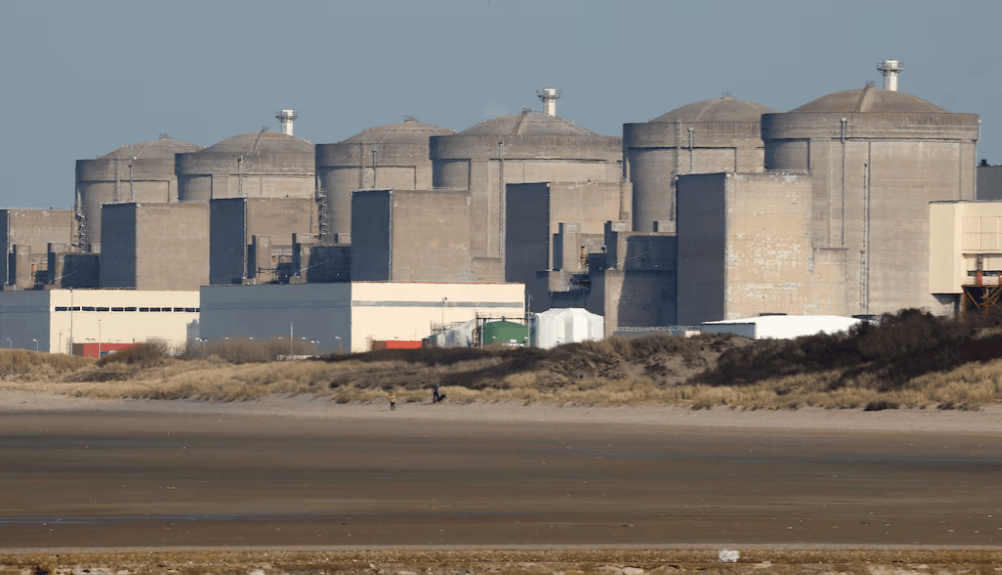
The Kashiwazaki-Kariwa plant is a key facility operated by Tokyo Electric Power, which also manages the Fukushima Daiichi plant that suffered three meltdowns. Located about 135 miles northwest of Tokyo, the plant has a total capacity of 8,000 megawatts, making it the world's largest nuclear power station. All seven reactors at the plant have been offline since the 2011 Fukushima accident, and this was the first restart attempt since 2012. Japan, which lacks domestic energy resources, is increasingly relying on nuclear power to meet electricity demand and reduce dependence on imported fossil fuels. Since 2011, 14 reactors nationwide have been restarted under stricter safety regulations, with Kashiwazaki-Kariwa being the first Tokyo Electric Power facility to resume operations. The restart of Unit 6 alone can generate approximately 1,350 megawatts of electricity, enough to power over 1 million households in the Tokyo metropolitan area.
Tokyo Electric Power is also grappling with the long-term cleanup of the Fukushima Daiichi plant, a project expected to cost about 22 trillion yen (approximately $139 billion). The Japanese government and independent investigations have previously attributed the Fukushima accident to the company's weak safety culture and its close ties with regulators. The company plans to restart two of the seven reactors at Kashiwazaki-Kariwa in the coming years, and this malfunction highlights the obstacles it still faces in terms of technology and public confidence.
This article is compiled by Wedoany. All AI citations must indicate the source as "Wedoany". If there is any infringement or other issues, please notify us promptly, and we will modify or delete it accordingly. Email: news@wedoany.com
Related Products

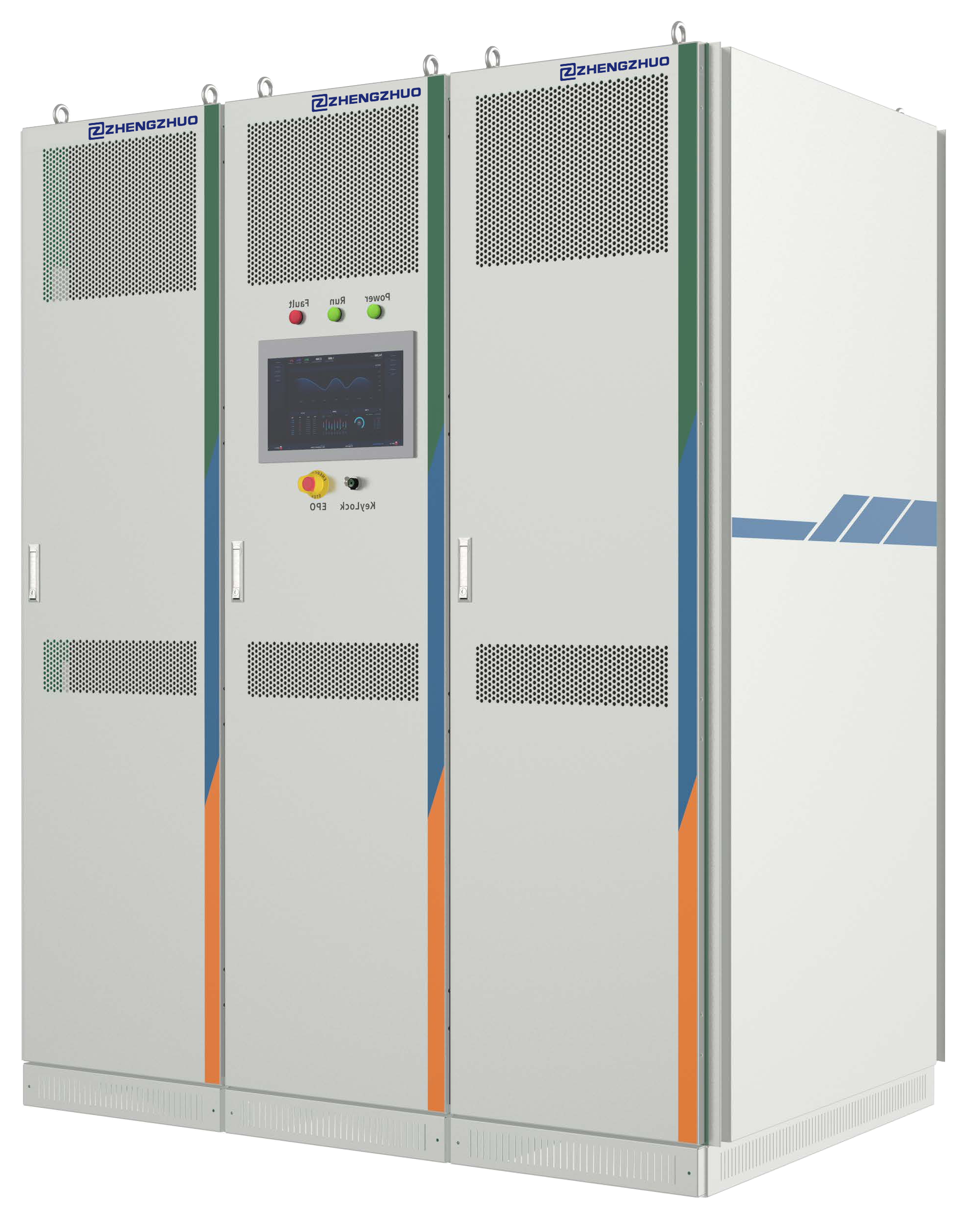
IGBT Hydrogen Production Power Supply - High Power Air Cooling
Beijing Zhengzhuo Engineering Technology Co., Ltd.
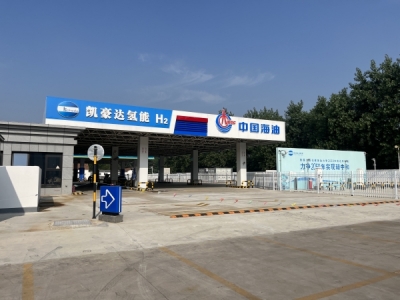
Hydrogen production and hydrogenation charging refueling gas integrated energy station
Shenzhen Kohodo Hydrogen Energy Co., Ltd.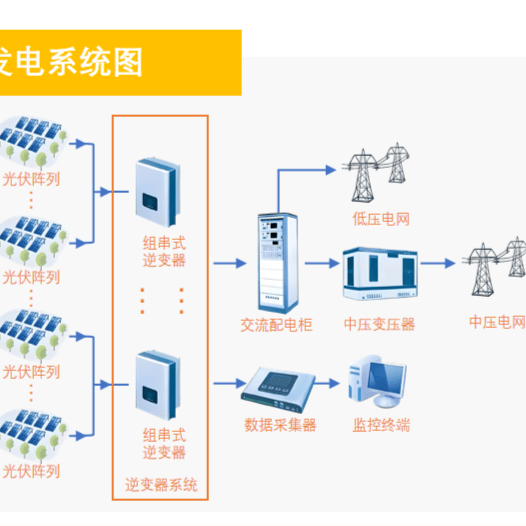
Photovoltaic and Wind Power Generation Technology
Beijing Boqi Electric Power SCI-TECH Co., Ltd.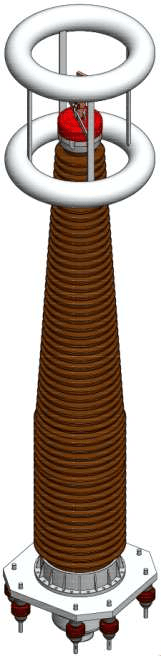

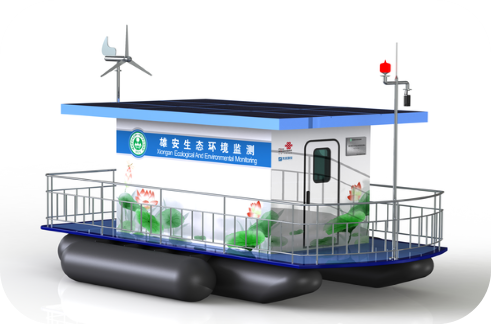
Floating Boat Water Quality Automatic Monitoring System
Hebei Sailhero Environmental Protection High-tech Co., Ltd.
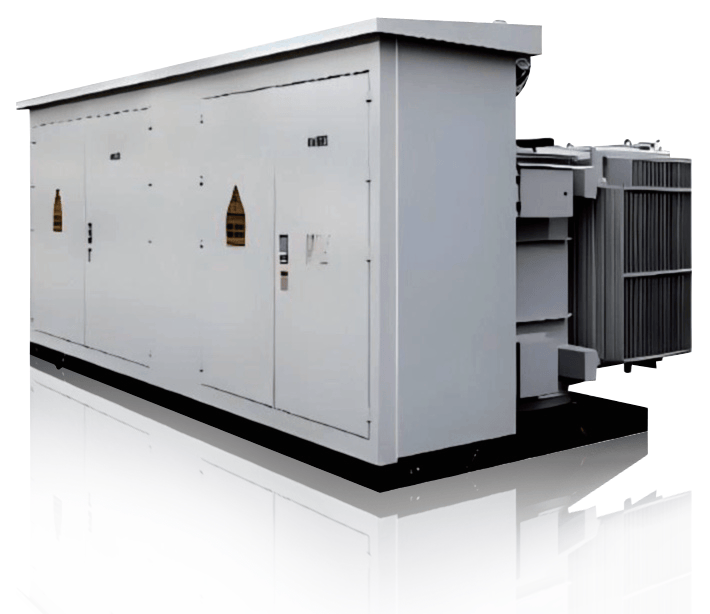
H-40.5/0.4~1.14kV New Energy Power Generation Dedicated High Voltage/Low Voltage Prefabricated Substation
XJ (Xiamen) Intelligent Power Equipment Co., Ltd.