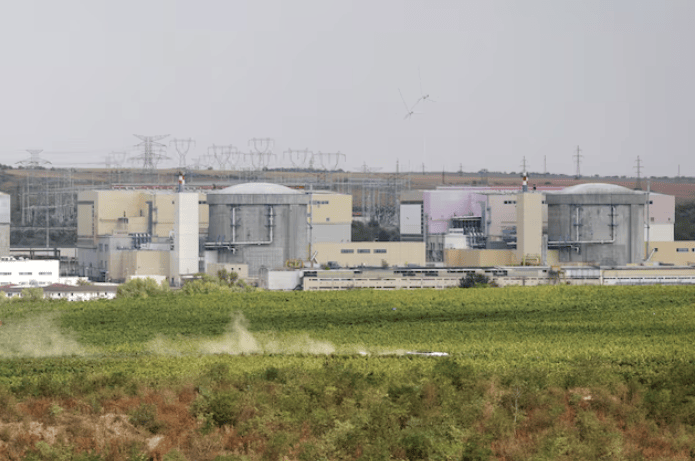
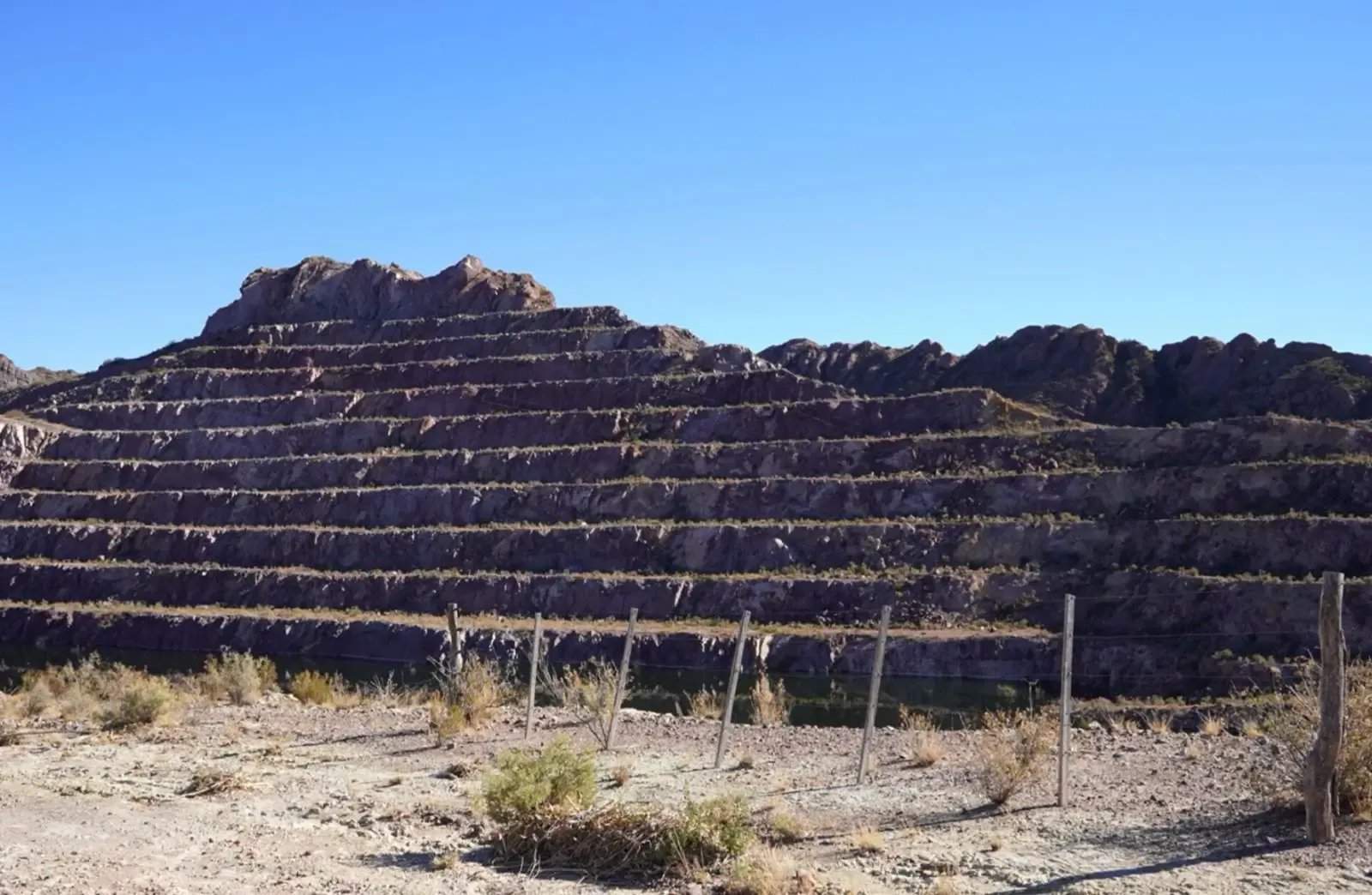
en.Wedoany.com Reported - The Secretariat of Nuclear Affairs of Argentina and the government of Mendoza Province recently conducted a site inspection of the Sierra Pintada uranium mine complex, indicating that it is no longer viewed solely as an environmental remediation site but is being repositioned as a strategic asset in Argentina's nuclear value chain. During this inspection, Nuclear Affairs Secretary Federico Ramos Napoli stated that establishing a social license for uranium mining has been prioritized, marking the first time the national government has so explicitly made social license a prerequisite for restarting the industry.
The Sierra Pintada complex produced approximately 1,600 tons of uranium between 1975 and 1997, accounting for about 20% of the estimated total resources of the deposit, which remains Argentina's largest known uranium deposit. The complex currently retains a refurbished uranium processing plant, already constructed Pools No. 4 and No. 5, a balancing pool, the DN 8-9 final disposal facility, sludge and effluent treatment infrastructure, a radium and arsenic treatment plant under construction, and a 2.6-kilometer water pipeline. The site holds a long-term shutdown permit from the Nuclear Regulatory Authority (ARN), allowing it to maintain operational conditions while fulfilling environmental commitments. The current remediation plan focuses on quarry water treatment, systematically reducing uranium, radium, and arsenic concentrations, with final disposal in facilities lined with double-layer HDPE membranes and equipped with leak detection systems.
Private-sector uranium development is also advancing: Blue Sky Uranium continues to progress the Ivana deposit within the Amarillo Grande project in Río Negro Province, which has completed a preliminary economic assessment; Jaguar Uranium is conducting new exploration activities in Mendoza and Chubut. As private companies move forward, Sierra Pintada represents the most concrete initiative at the national level, with its production history, installed infrastructure, regulatory permits, and active remediation plan.
Ramos Napoli further noted that a return to production could significantly accelerate the remediation of existing environmental liabilities, changing the historical logic that remediation meant the end of the project. He stated that Argentina, with 76 years of nuclear development history and technical capabilities to produce uranium dioxide and uranium hexafluoride, has a competitive advantage for integration into the international supply chain at a time when nuclear energy is regaining importance due to energy security concerns and growing global demand.
Mendoza Province Minister Jimena Latorre emphasized the technical and environmental continuity of the remediation process, stating that remediation work continues and that coordination between the provincial and national governments has revitalized the commitments set forth in the Environmental Impact Statement (DIA) approved in 2019. She noted that the suspension of production was driven by economic factors, and that the current uranium prices, international demand, and energy security have once again become forefront issues in global discussions, a contextual shift that is repositioning Sierra Pintada.
This article is compiled by Wedoany. All AI citations must indicate the source as "Wedoany". If there is any infringement or other issues, please notify us promptly, and we will modify or delete it accordingly. Email: news@wedoany.com
Related Products

Optional Accessory - Auxiliary Sampling Module
Beijing Soaring Electric Technology Co., Ltd.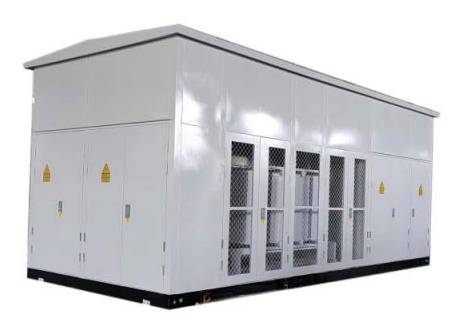
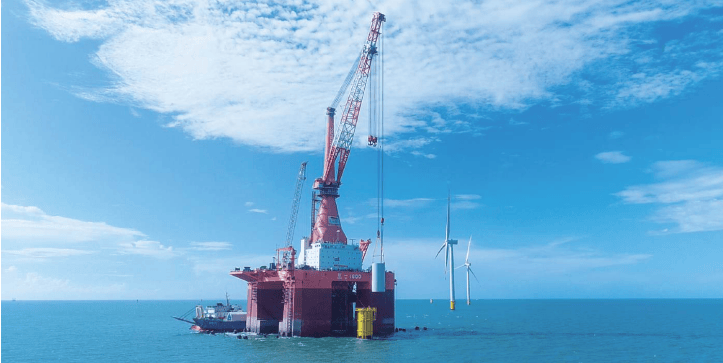
"Shunyi 1600" Deep-submerging Bottom-sitting Multi-functional Wind Power Engineering Vessel
Zhengli Offshore Engineering Co., Ltd.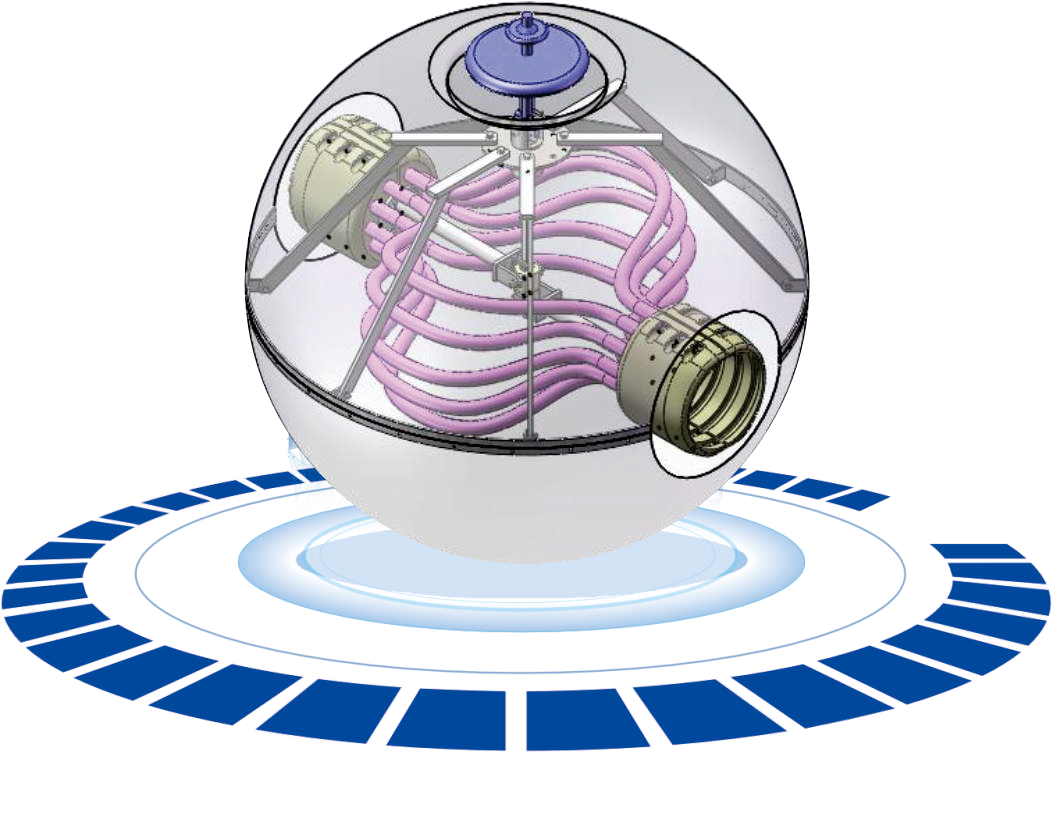
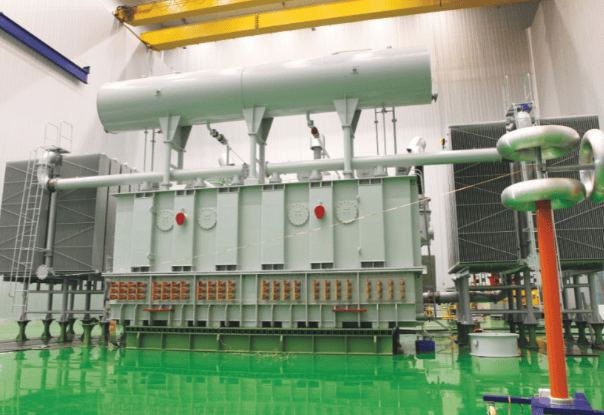
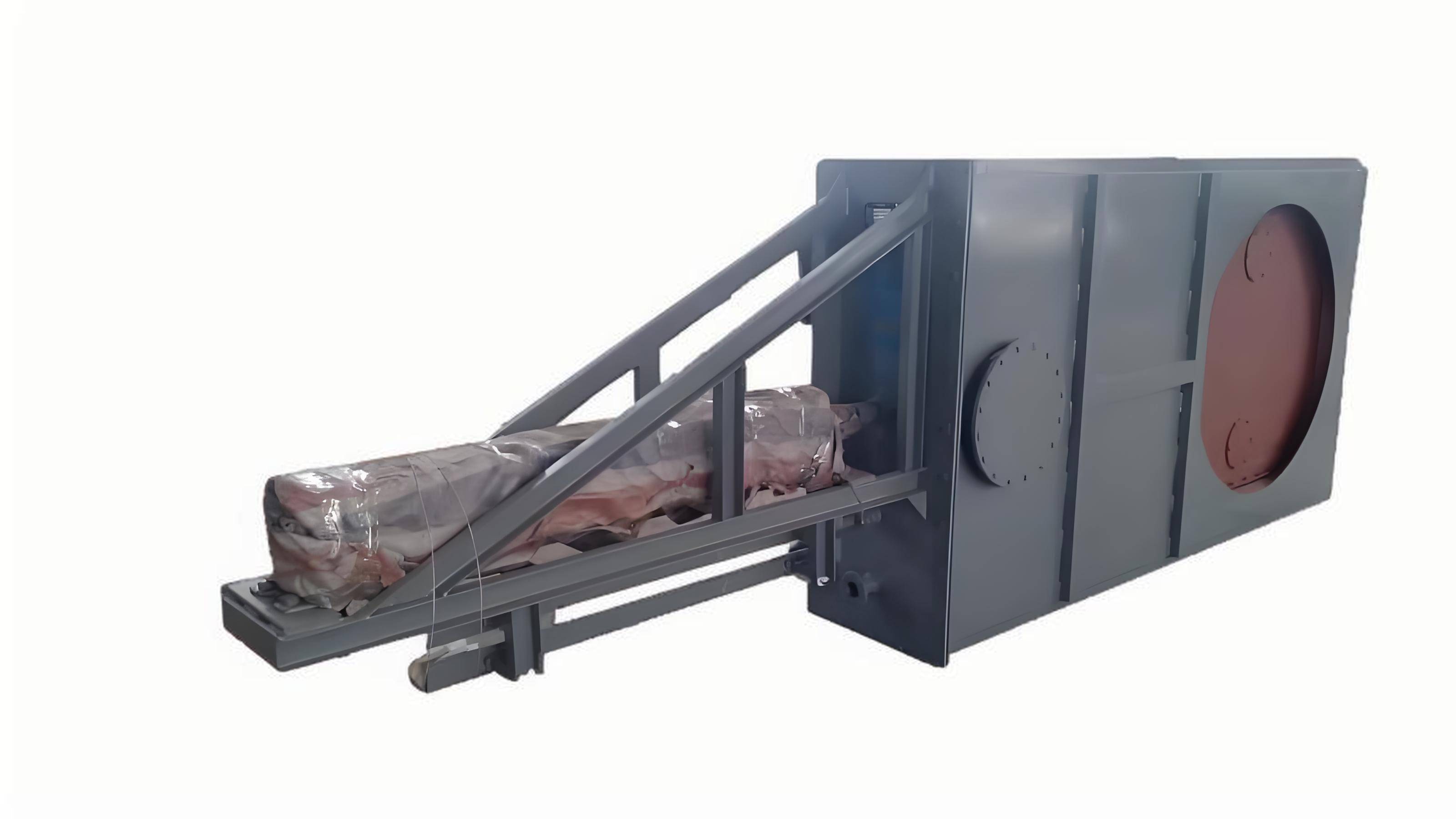
Double-slide Triple-sealed Hot Air Isolation Door
Xi'an Yingchuan Electric Power Equipment Co., Ltd.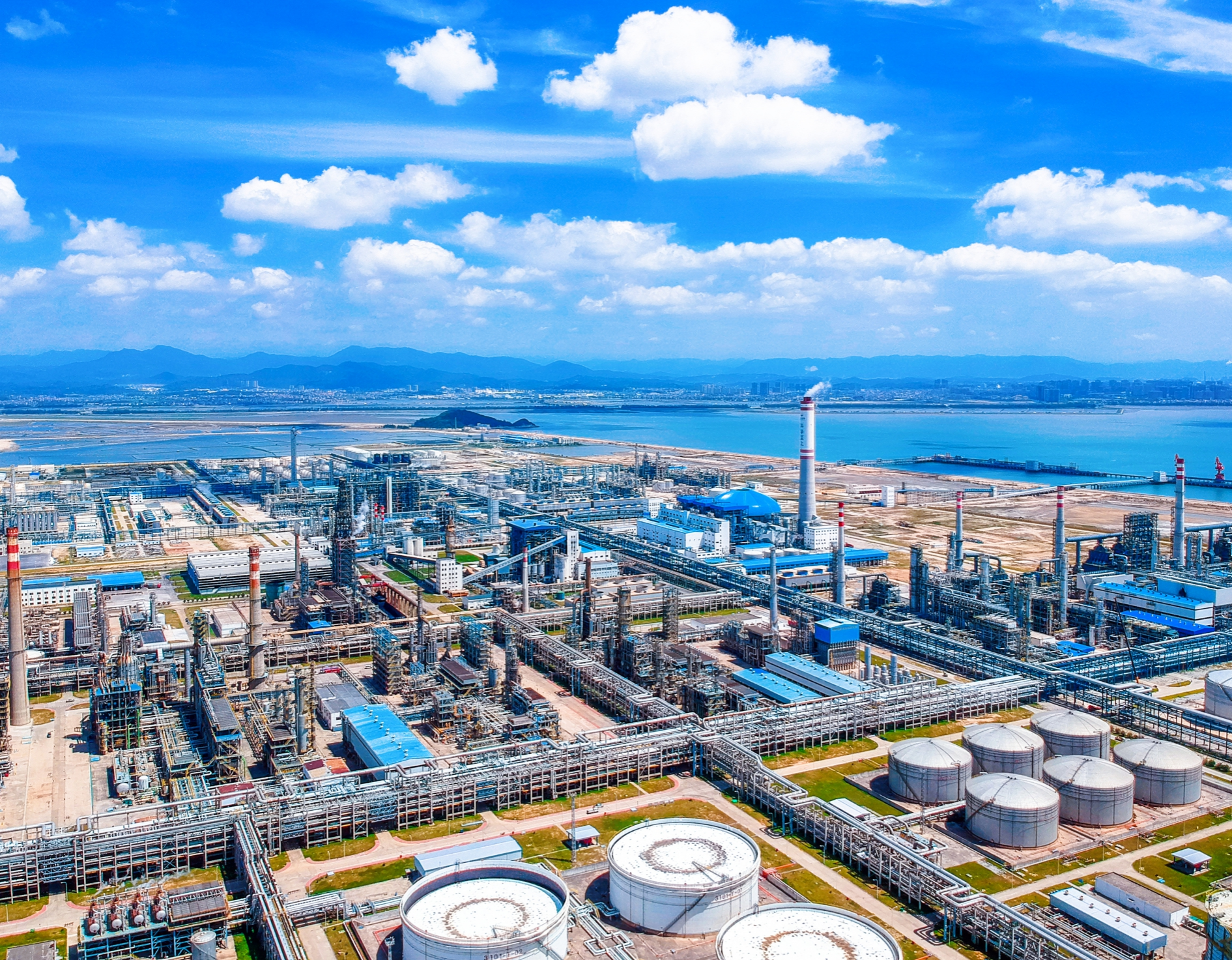
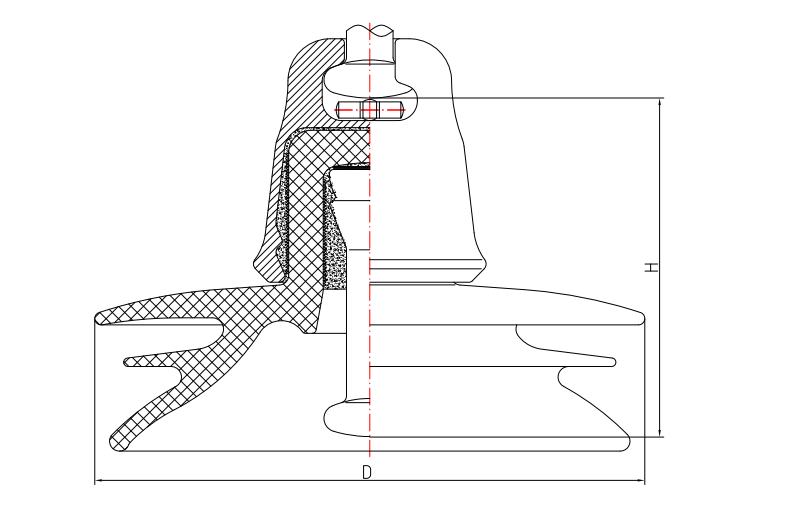
Post-type AC Pollution-resistant Disc Suspension Porcelain Insulator (Triple Umbrella Type)
Shandong High Voltage Insulator Co., Ltd.
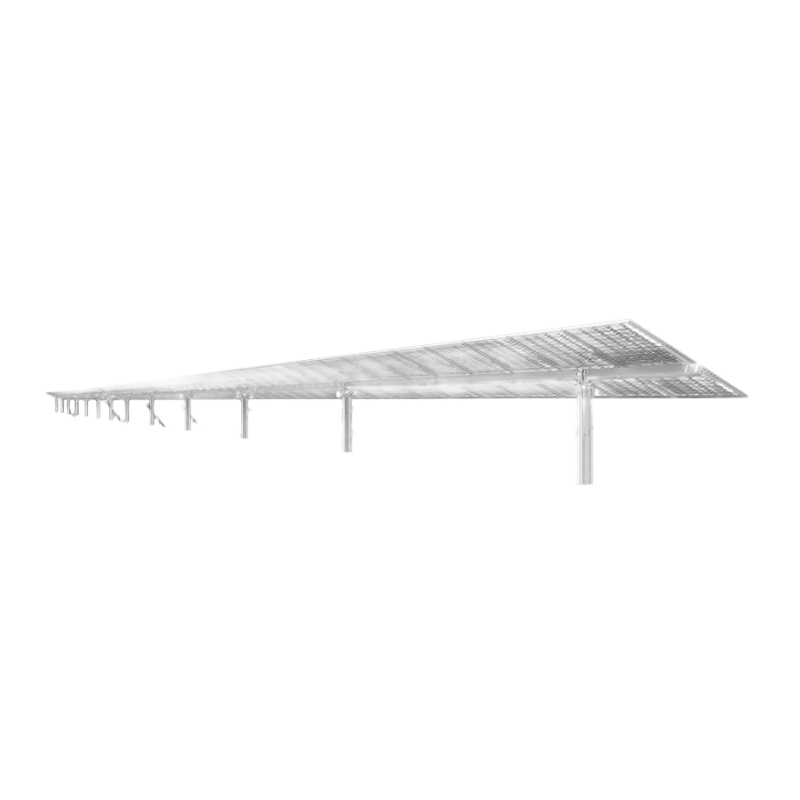
TAI Slew-drive Single-axis Independent 1P Tracking Bracket System
ANTAI TECHNOLOGY CO., LTD.