China's Jingjia Micro Plans to Provide Up to 900 Million Yuan in Loans to Advance GPU Chip Project
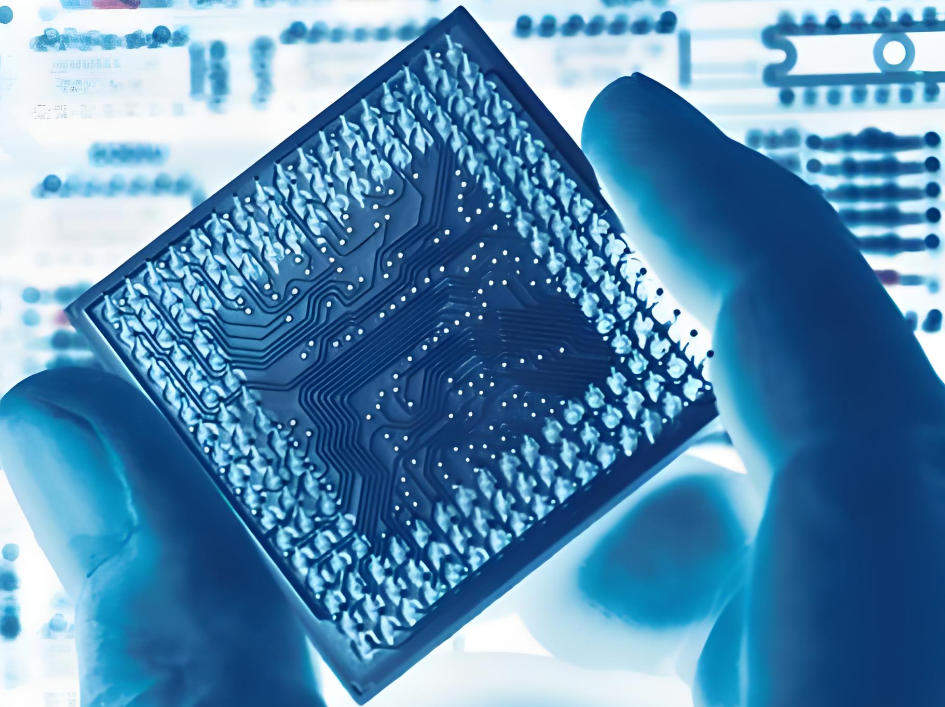
en.Wedoany.com Reported - Jingjia Micro (300474.SZ) announced on June 26 that it plans to provide loans totaling no more than 900 million yuan to its wholly-owned subsidiaries Jingmei and Jinzhiyuan to promote the research and industrialization project of high-performance general-purpose GPU chips. The loans will be disbursed in batches based on the progress of the fundraising projects, with a term from the actual borrowing date to project completion. Management may use the quota on a rolling basis and may repay early or renew the loans.
According to the specific allocation in the announcement, subsidiary Jingmei will receive loans of no more than 200 million yuan, all of which will be used for the "High-Performance General-Purpose GPU Chip Research and Industrialization Project"; Jinzhiyuan will receive up to 700 million yuan, with 500 million yuan invested in the same GPU chip project and the remaining 200 million yuan used for the "General-Purpose GPU Advanced Architecture R&D Center Construction Project."
These two projects are the core fundraising projects of Jingjia Micro's 2023 private placement of A-shares. Among them, the "High-Performance General-Purpose GPU Chip Research and Industrialization Project" has a total investment of 3.781 billion yuan, with 3.029 billion yuan planned to be raised; the "General-Purpose GPU Advanced Architecture R&D Center Construction Project" has a total investment of 964 million yuan, with 798 million yuan planned to be raised.
Jingjia Micro's main business is the research, production, and sales of high-reliability electronic products. Graphics display and control is its traditional advantage area, while the chip direction is positioned as a future strategic focus. The company previously stated at a performance briefing that it will focus on high-performance GPU research and development, adopt a new generation architecture to improve general-purpose computing performance, build a complete supporting software stack ecosystem, adapt to inference and mainstream training frameworks, achieve an efficient computing power utilization model integrating inference and training, and consolidate the foundation of domestic computing power through a software-hardware collaborative optimization path.
This article is compiled by Wedoany. All AI citations must indicate the source as "Wedoany". If there is any infringement or other issues, please notify us promptly, and we will modify or delete it accordingly. Email: news@wedoany.com
Related Products
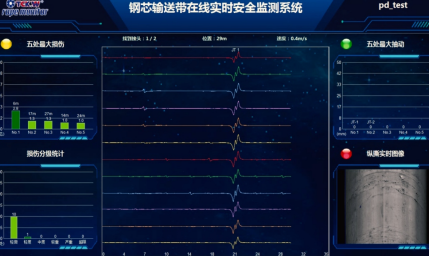

Conveyor Belt Intelligent Monitoring System
LUO YANG WIRE ROPE INSPECTION TECHNOLOGY CO., LTD.

Multi-function Marine Monitoring Low-altitude Detection Radar Sea-air Boundary Ocean Dynamic Environment Measurement
Chengdu Dixin Technology Co., Ltd.
MUX Series Communication Interface Device for Security and Stability Control System
Nanjing NR Electric Co., Ltd.
20 Inch 1600*900 Full HD 60Hz TFT LED Monitor with VGA and DP Interfaces for Desktop Computers-Business Use
Guangzhou Zanying Optoelectronics Technology Co., Ltd.
TWP16 P-Band Tropospheric Wind Profile Radar
China Huayun Meteorological Technology Group Co., Ltd.
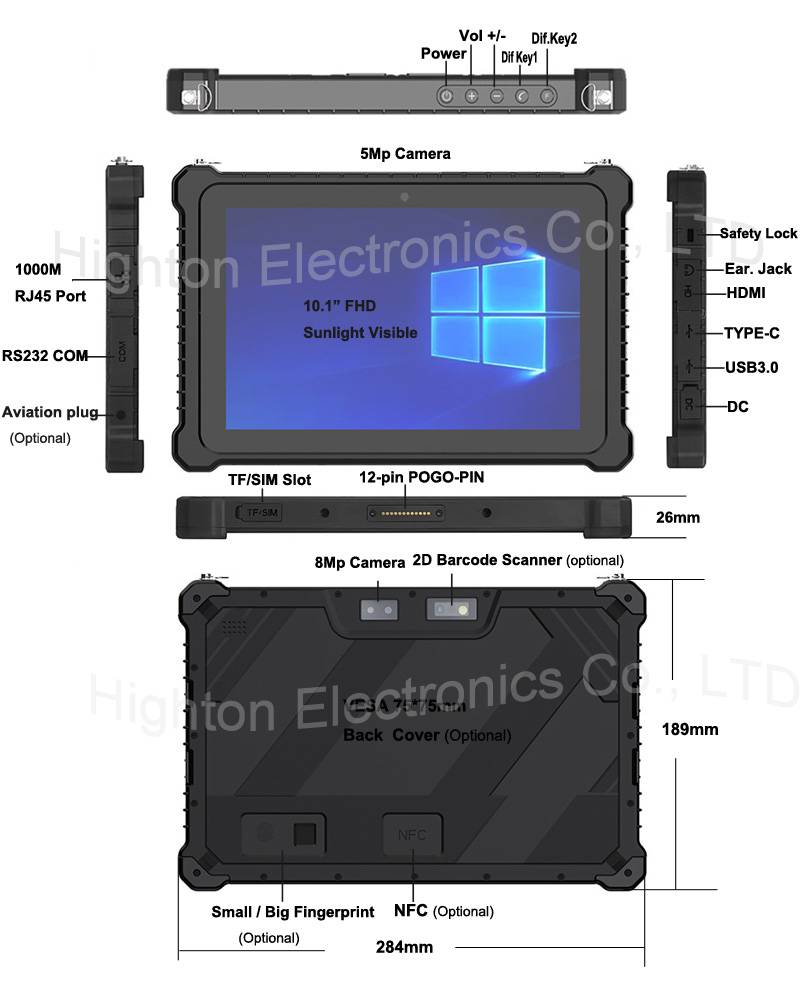
Hot Selling 10 Inch Intel N5100 I5 I7 FHD 8 +128GB 16+256GB Win10 Pro Win11 Pro 4G 5G Rugged Tablet PC Pad with NFC Barcode
Highton Electronics Co., Ltd.