Airbus leads launch of £38 million four-year DECSAM additive manufacturing project in the UK
en.Wedoany.com Reported - Airbus has launched a four-year, £38 million aerospace project aimed at developing and deploying the latest additive manufacturing (AM) technologies, such as beam shaping and in-situ process monitoring, to make metal laser powder bed fusion (L-PBF) additive manufacturing more cost-effective, productive, and sustainable in the production of flight-ready components. The project, named DECSAM, runs from June 2024 to June 2028 and is jointly funded by Innovate UK, the Aerospace Technology Institute (ATI), and the UK Department for Business and Trade.
The DECSAM project prioritizes resource efficiency, material reuse, and circular design principles, with the goal of reducing waste and carbon intensity across the additive manufacturing value chain, helping the aerospace sector transition toward net-zero manufacturing and more sustainable aviation. The project brings together 11 organizations, covering aerospace original equipment manufacturers (OEMs), tier 1 and tier 2 suppliers, small and medium-sized enterprises, and research institutions, spanning the complete UK additive manufacturing supply chain from materials to finished products. Partners include lead partner Airbus Operations Limited, Renishaw plc, ASTM International UK, Authentise Ltd, The Manufacturing Technology Centre Limited, GKN Aerospace Services Limited, Additive Manufacturing Solutions Ltd, APEX Additive Technologies Ltd, Domin Limited, the University of Sheffield, and ToffeeX Limited.
Jacqueline Castle, Chief Technology Officer of the Aerospace Technology Institute, noted that additive manufacturing can unlock new efficiencies in aerospace, including cost reduction, optimized material usage, weight reduction, and the integration of complex components into single parts. The DECSAM project unites a strong consortium to accelerate technology adoption in civil aviation, closely aligning with ATI's additive manufacturing strategy.
DECSAM is built around four key innovation pillars to reduce component costs, improve quality, and shorten the design-build-test cycle in aerospace applications. The Performance pillar focuses on new and improved alloys, multi-physics modeling, and physics-driven design; the Productivity pillar covers high-power lasers, beam shaping, advanced scanning strategies, in-situ monitoring, and closed-loop control; the Scalability pillar involves end-to-end digital threads, automated sustainable factory concepts, and efficient post-processing and inspection; and the Application pillar integrates and develops these technologies to demonstrate overall cost advantages in target products. Planned project outputs include ground and flight test validation parts, validated recycling and reuse powder pathways, broadened powder specifications, validated quality and yield parameter themes, process monitoring software products, and certification pathway guidelines, aimed at accelerating industrial adoption.
GKN Aerospace Services Limited, as a risk and revenue sharing partner for several leading aircraft engines, will leverage its position to integrate multiple technologies developed under DECSAM, demonstrating the cost-effectiveness of powder bed additive manufacturing in future engine products. The company will lead the evaluation and development of new material systems, including sustainable feedstocks, component-based simulation methods, and coordinate research on in-situ inspection and monitoring as well as laser powder bed productivity. Sébastien Aknouche, Senior Vice President of Materials Solutions at GKN Aerospace, stated that the DECSAM project strengthens GKN Aerospace's broader additive manufacturing capabilities, offering environmental, performance, and supply chain advantages compared to traditional material supply chains, while enhancing the UK's technology base and preparing for future production growth.
Although laser powder bed fusion has been flight-qualified, its wider adoption is limited by end-to-end productivity gaps, data and quality fragmentation, and reliance on overseas steps such as powder supply, hot isostatic pressing (HIP), and advanced heat treatment. The DECSAM project bridges these gaps by connecting UK-based material supply, machine capabilities, process quality assurance, robust digital threads, and factory scaling, enabling components to be repeatable and cost-competitive for batch production in the UK, supporting the 2050 net-zero target. Driven by business cases, the project focuses on recycling and UK-manufactured powder, optimized build and nesting, process monitoring with closed-loop control to reduce or eliminate HIP and CT requirements, and parameter and alloy development to shorten finishing times. Cost modeling validation parts, such as aircraft floor beams, demonstrate a shift from the current "as-is" state to a digitally connected, producible "future" state, with cost points enabling additive manufacturing to enter aerospace batch production. Key application cases include ultra-efficient wing and engine structures, as well as hydrogen subsystems such as conformal heat exchangers and fuel cell manifolds.
This article is compiled by Wedoany. All AI citations must indicate the source as "Wedoany". If there is any infringement or other issues, please notify us promptly, and we will modify or delete it accordingly. Email: news@wedoany.com
Related Products
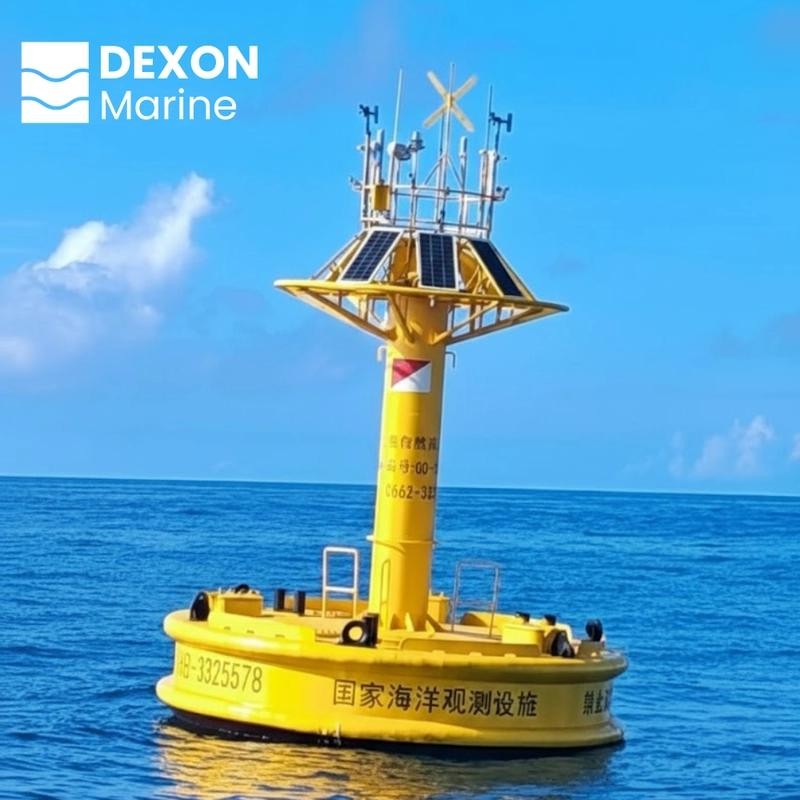

3m intelligent buoy combining navigation safety and real-time marine monitoring integrated navigation and marine monitoring system for real-time maritime data
Chengdu Dixin Technology Co., Ltd.


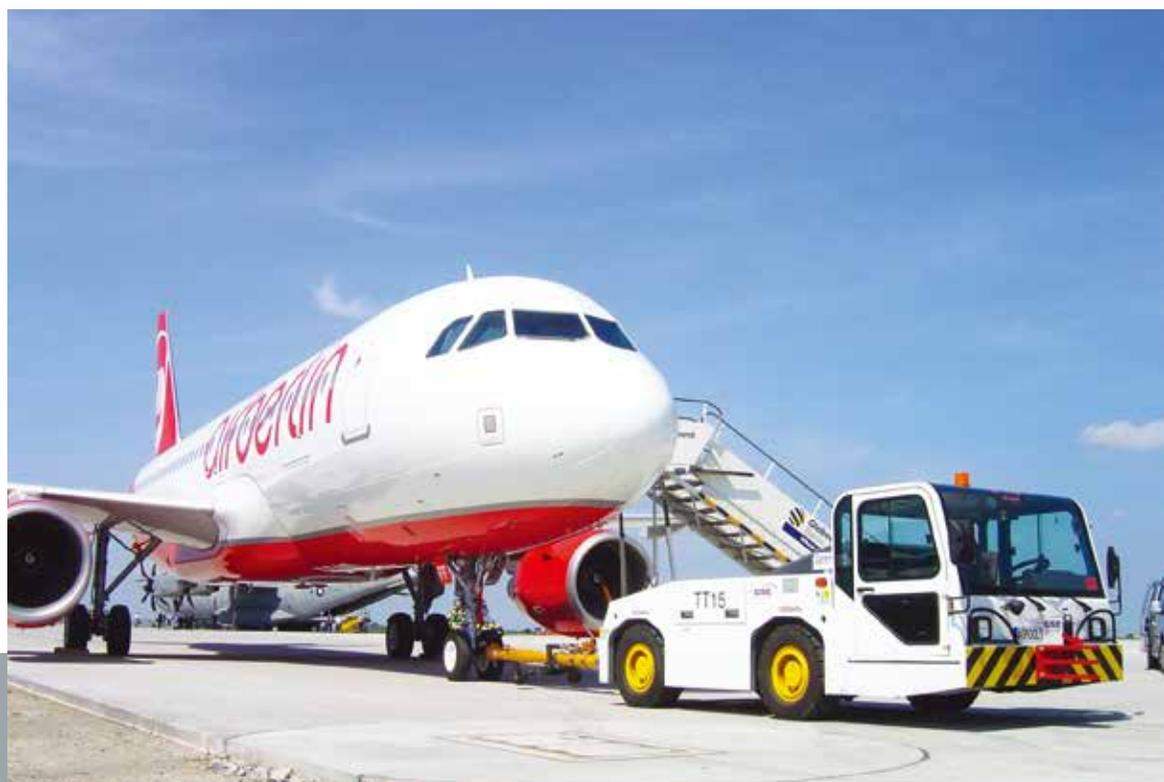
WGQY Series Aircraft Tow Tractor-WGQY15, WGQY27
Weihai Guangtai Airport Equipment Co., Ltd.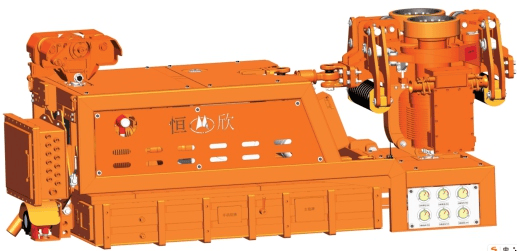
Explosion-proof lithium battery dispatching monorail crane locomotive (permanent magnet frequency conversion integrated machine)
Xiangtan Hengxin Industrial Co., Ltd.
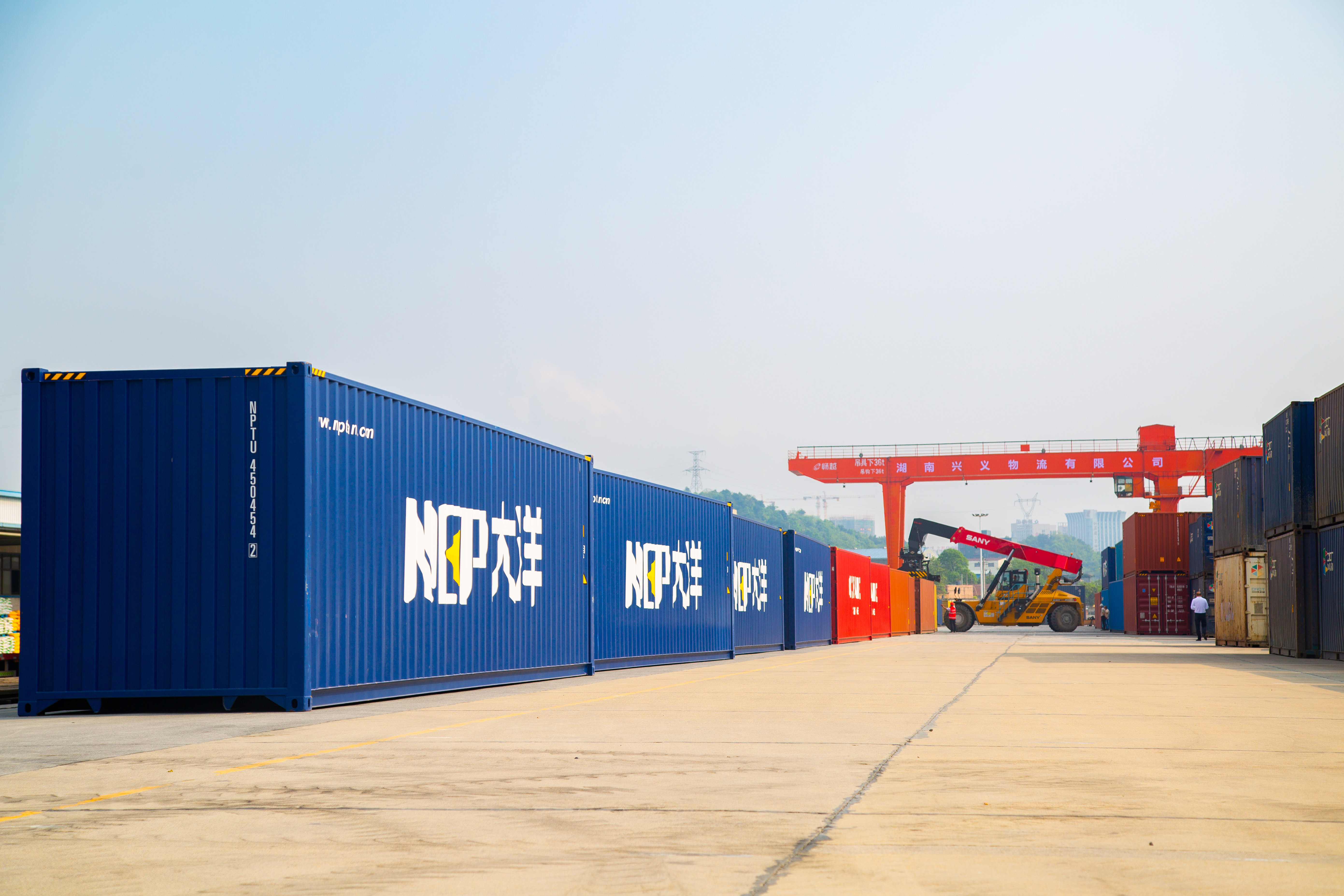
China - Alashankou/Khorgos - Europe Full Range Transportation (Mala/Hamburg/Duisburg/Budapest, etc.)
Shenzhen Neptune Logistics Co., Ltd.