DLA Columbus Test Center Delivers Fixtures in 6 Hours Using FDM Technology
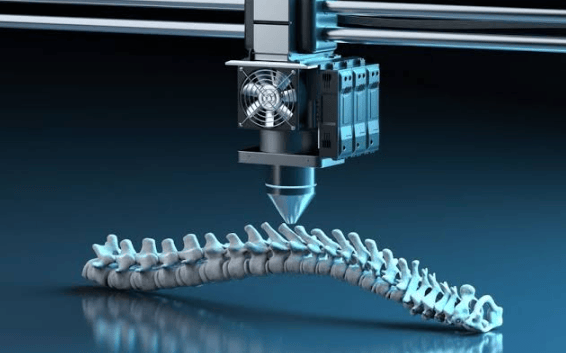
en.Wedoany.com Reported - The Columbus center of the U.S. Defense Logistics Agency (DLA) Weapons Support Product Test Center (PTC) has reduced the production time for test fixtures from weeks or months to just six hours after introducing Fused Deposition Modeling (FDM) 3D printing technology.
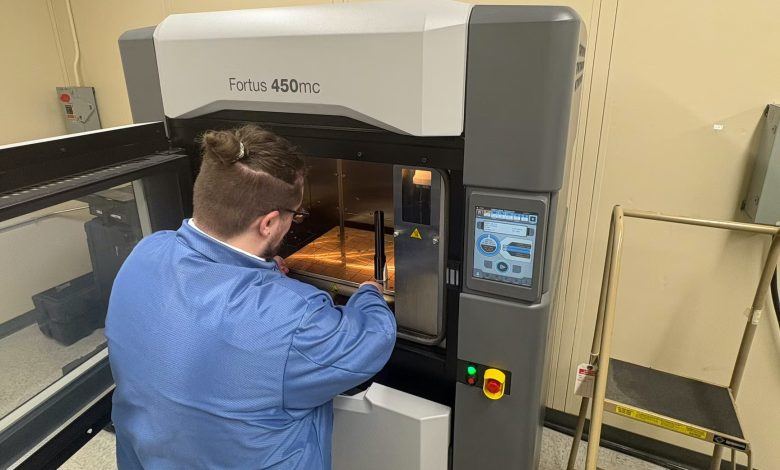
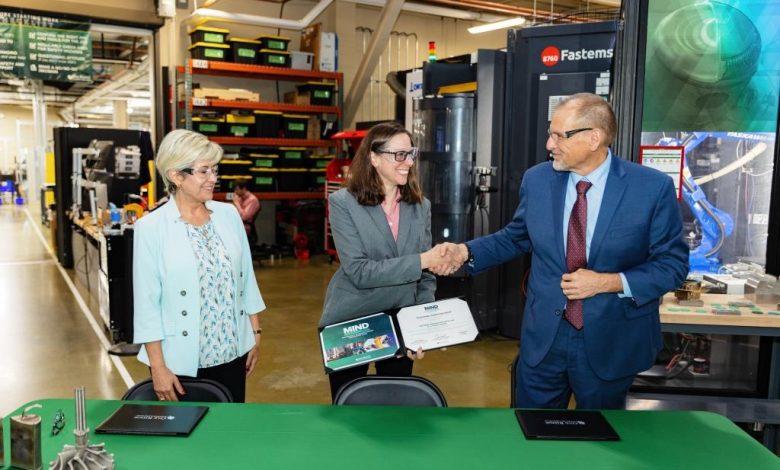
This improvement comes from the "Tools for Testing" initiative launched by the DLA Research and Development Directorate, which provided the PTC with 3D printing and laser scanning equipment. The Columbus PTC conducts quality assurance on approximately 3,000 military weapon system components annually, with each component required to complete the inspection process within 30 days. Jeremiah Jones, supervising electronics engineer at DLA Land and Maritime (Columbus), stated that completing comprehensive evaluations in a short time has always been a challenge due to the uncertainty of daily sample arrivals and the need for custom tools to conduct proper testing.
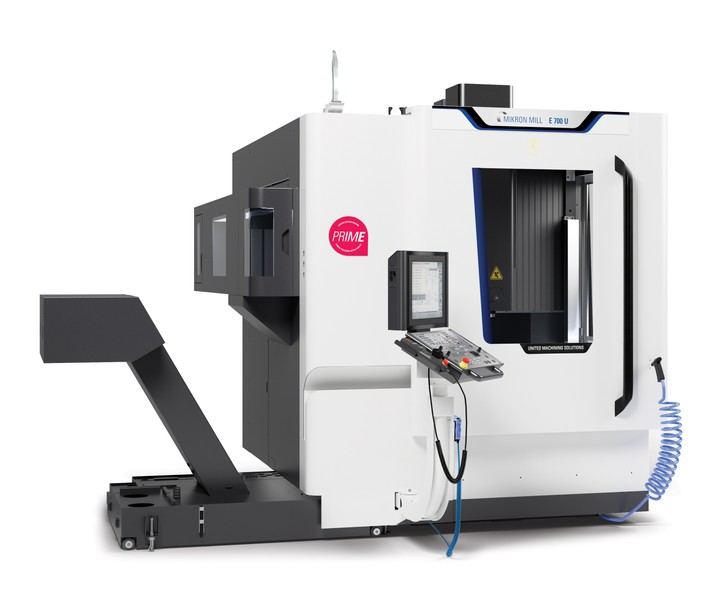
Previously, employees used CNC machining to prepare fixtures for conformance testing, product lot testing, and government first article testing. Electronics engineer Kendall Callahan noted that with the CNC method, a fixture designed by an employee could take weeks to months to produce. The introduction of additive manufacturing began with the installation of a Stratasys Fortus 450mc FDM printer in September 2024, which expanded the range of available materials. While CNC machining previously primarily used aluminum and acrylic, employees can now use a variety of thermoplastics, including ASA, ABS, PEI, and ABS-ESD7—a carbon-impregnated material that dissipates static charge within two seconds, protecting sensitive electronic components during testing.
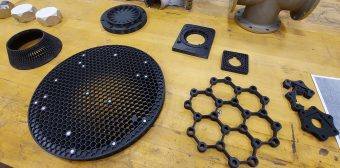
Callahan stated that while aluminum and acrylic were primarily used in the past, fixtures are now manufactured using high-performance thermoplastics capable of withstanding various rigorous tests. With the new process, fixtures with complex geometries that are difficult to achieve with traditional manufacturing methods can be produced within a day or two. The DLA holds a formal institutional role in advancing additive manufacturing within the Department of Defense. DoD Instruction 5000.93 establishes DLA's management of the Joint Additive Manufacturing Model Exchange, a repository of additive manufacturing models shared across military services. Phase 2 of the "Tools for Testing" initiative, scheduled for completion in March 2027, will add one metal 3D printer using powder bed fusion technology to each of the two PTC laboratories, along with CT scanning capabilities, smaller prototype printers, and automatic desktop 3D scanners. Kedric Jones, electronics engineer at DLA Land and Maritime (Columbus), noted that the powder bed fusion process of the metal printer will help produce test fixtures that are currently impossible to manufacture, such as those for higher pressure testing and tensile loads, and can also enable simultaneous printing.
This article is compiled by Wedoany. All AI citations must indicate the source as "Wedoany". If there is any infringement or other issues, please notify us promptly, and we will modify or delete it accordingly. Email: news@wedoany.com
Related Products

Strip Coating and Plating Production Line Equipment
MCC-SFRE HEAVY INDUSTRY EQUIPMENT CO., LTD.
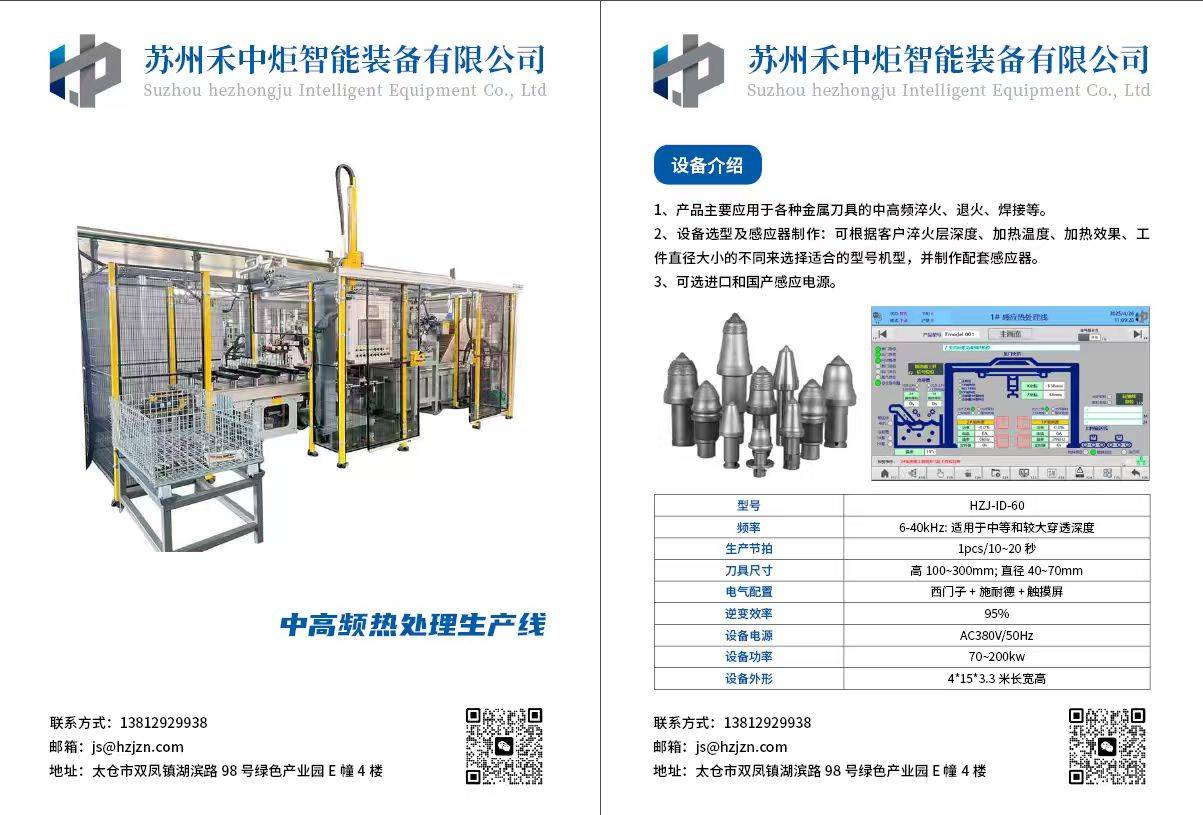
Excavator Bucket Teeth Heat Treatment Production Line
Suzhou Hezhongju Intelligent Equipment Co., Ltd.
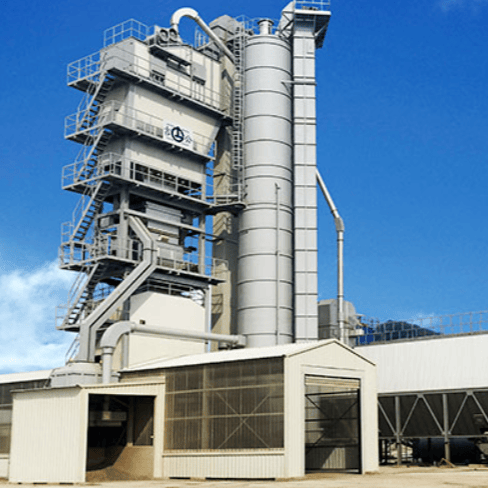
LBH4000 Batch Environmental Protection Asphalt Mixing Plant | Asphalt Batching Plant | Asphalt Mixing Plant
Jilin Province Road Construction Machinery Co., Ltd.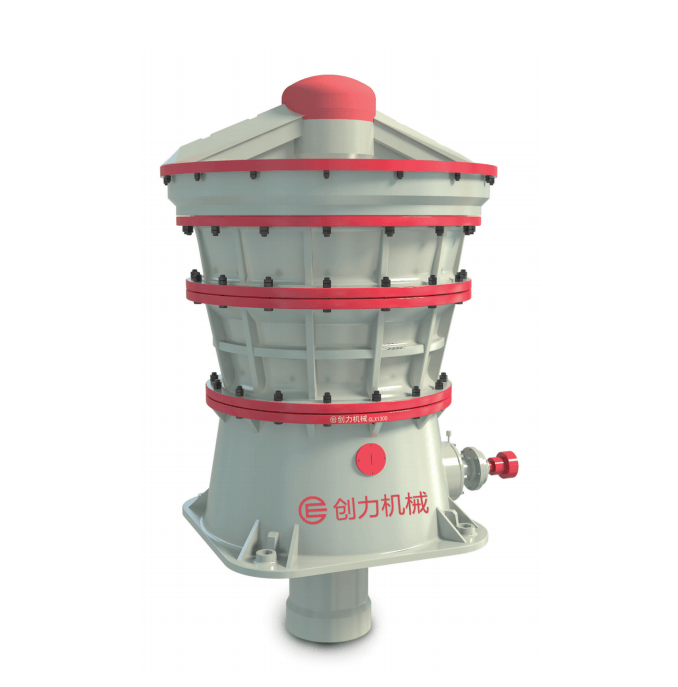
CLX Series Intelligent Hydraulic Gyratory Crusher
Guangdong CHUANGLI intelligent machinery Equipment Co., LTD