Volvo CE Delivers First Four Electric Articulated Haulers to Norway
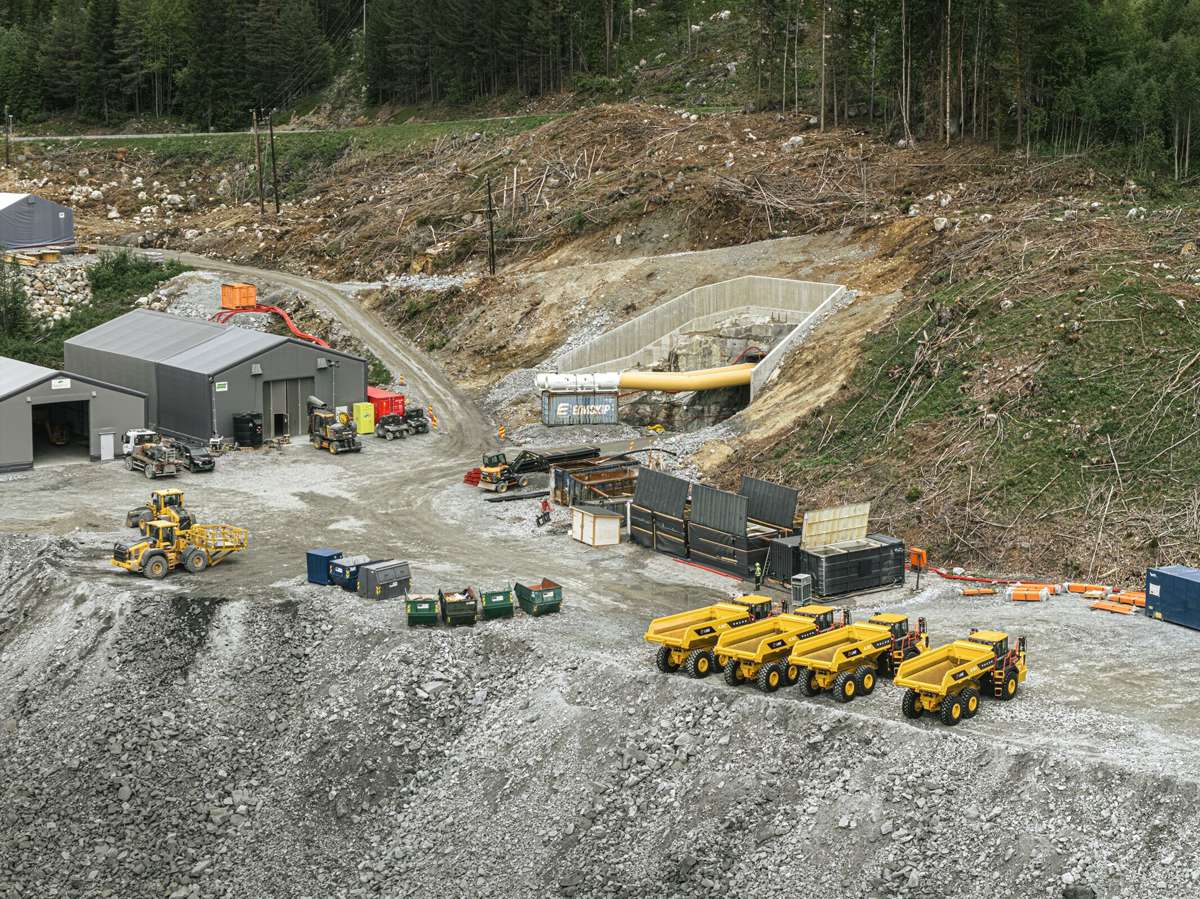
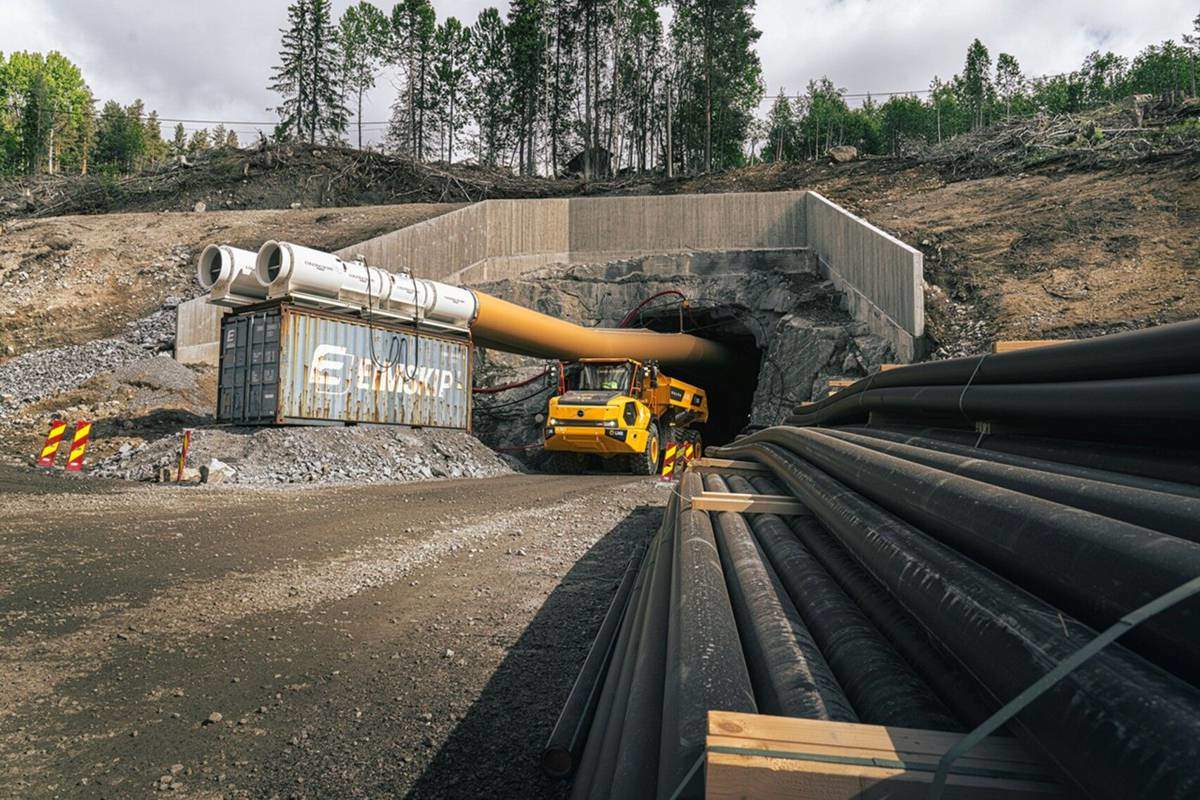
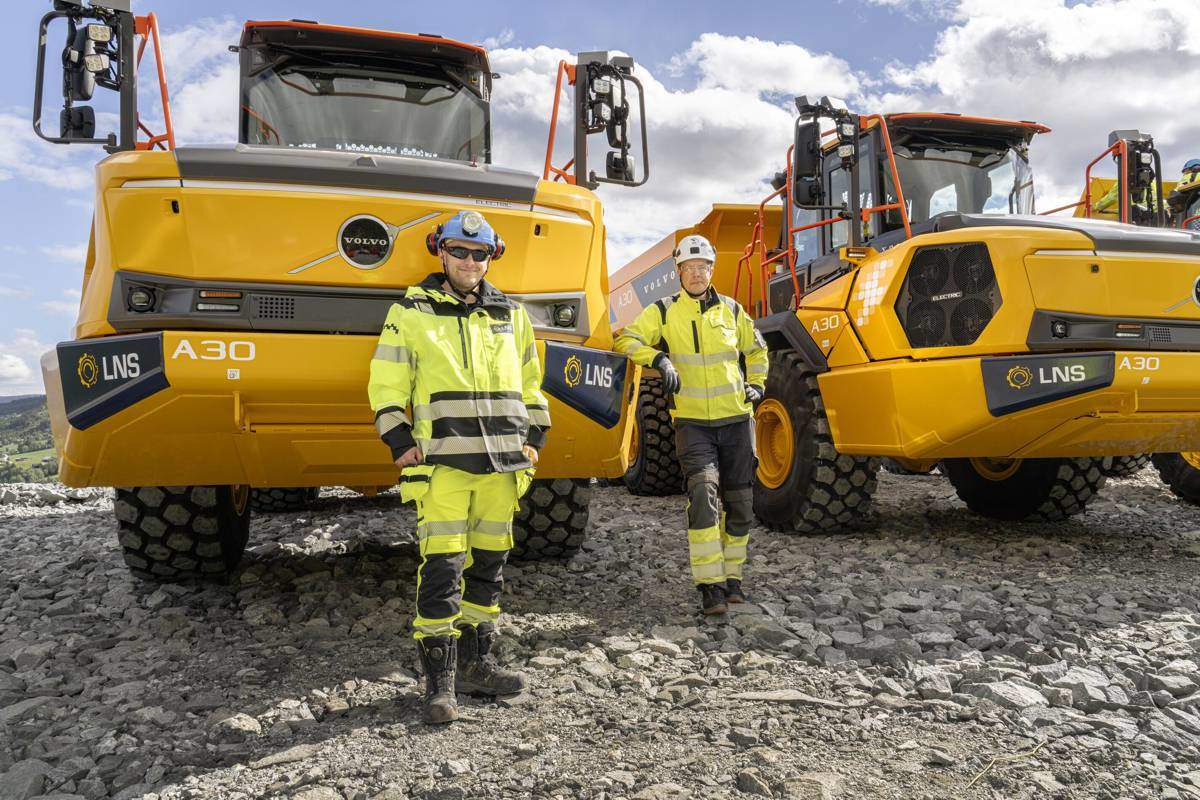
en.Wedoany.com Reported - Volvo Construction Equipment (Volvo CE) has delivered the first four production units of the A30 Electric articulated hauler to Norwegian contractor LNS for the Hemsil 3 hydropower project, marking the world's first customer application of a battery-electric articulated hauler in its class. Three additional units of the same model are scheduled for subsequent delivery. This deployment represents a critical step for heavy earthmoving from pilot projects to commercially significant large-scale civil engineering operations.
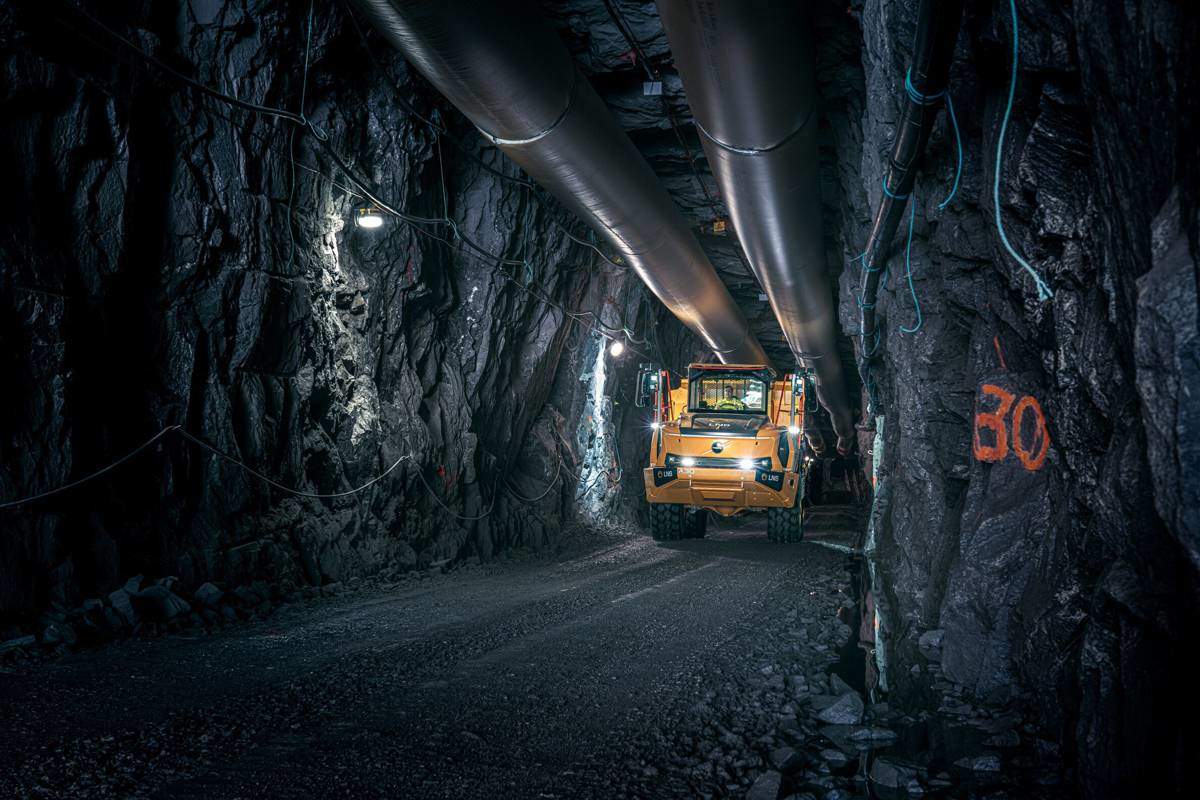
The project is the Hemsil 3 hydropower development by Hafslund Kraft, scheduled for completion in 2029. Construction includes approximately 20 kilometers of tunnel excavation, with the electric articulated haulers used to transport materials during tunnel construction. The tunnel blasting cycle provides regular charging opportunities for transport activities, allowing charging time to be integrated into the normal construction sequence rather than causing additional downtime. This characteristic makes the project particularly suitable for battery-electric transport vehicles. Steffen Solstrand Ludvigsen, LNS Site Project Manager, stated that the equipment operates in tunnels where the blasting cycle allows charging during operational breaks, making the technology commercially viable.
Heavy earthmoving has long been one of the industry's technical challenges. Articulated haulers must traverse rugged terrain under heavy loads and operate continuously, placing extremely high demands on battery capacity, durability, and charging infrastructure. The delivered units are production models, not prototypes, indicating that manufacturing maturity now allows contractors to incorporate them into long-term fleet planning rather than as experimental technology. The advantages of electric equipment in this environment are clear: zero exhaust emissions improve underground air quality while reducing ventilation requirements; lower noise levels also improve working conditions for operators and tunnel construction crews.
The project owner is also accelerating equipment innovation. Lars Oust, Project Manager at Hafslund Kraft, noted that the company places high importance on the environment and adopts a forward-looking approach to construction electrification. He believes customers need to lead market demand to drive the equipment market forward. This case demonstrates how infrastructure owners, by specifying environmental outcomes through procurement decisions, can encourage investment in emerging technologies and bring greater commercial confidence to manufacturers and contractors.
Norway has been an early adopter of battery-electric heavy equipment. Widespread hydropower provides relatively low-carbon electricity, while government incentives and environmental policies have accelerated related investments. The delivered units traveled from Volvo CE's production facility in Braås, Sweden, transported approximately 700 kilometers by Volvo trucks to the Norwegian construction site.
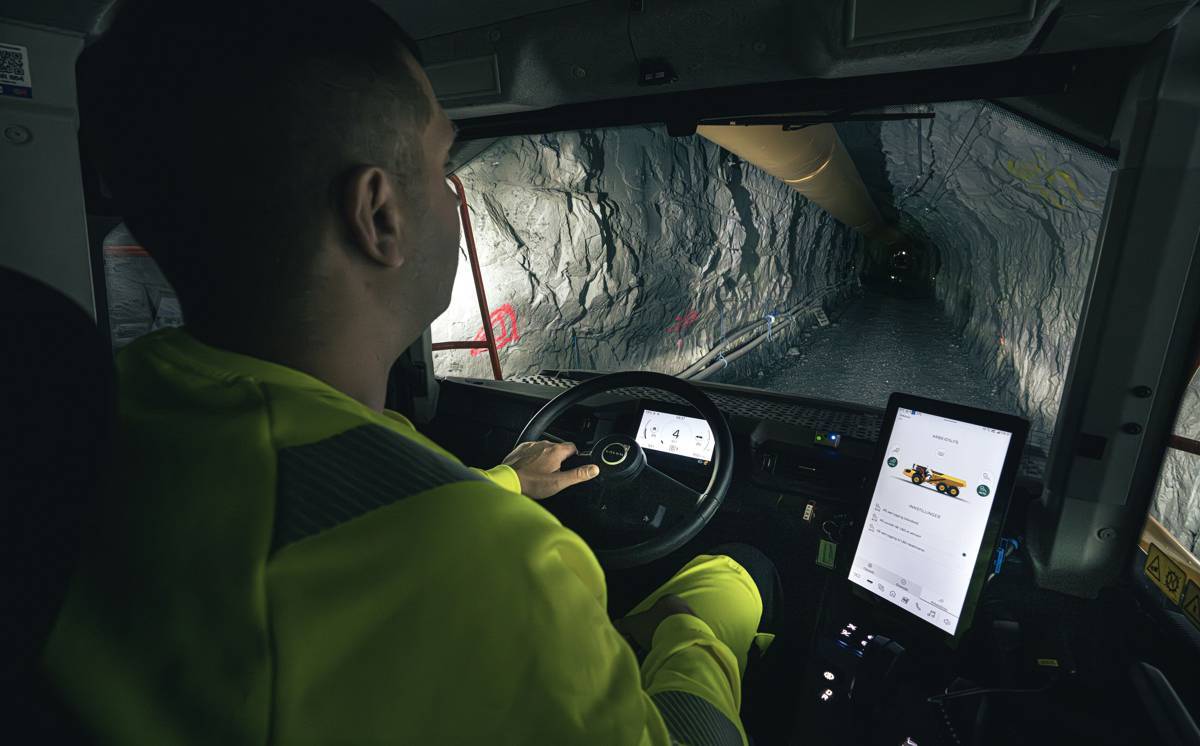
Operator acceptance is one of the key factors influencing commercial success. Przemysla Wessel, the first operator to use the A30 Electric in a customer project, described the equipment as smooth, comfortable, and easy to use, feeling like a step into the future. Positive operator feedback helps determine whether contractors will expand their electric fleets beyond initial demonstration projects.
Charging infrastructure, maintenance support, technician training, and parts supply together form the ecosystem for successful electrification. Volvo CE's Norwegian dealer, Volvo Maskin AS, will provide support throughout the project. David Kristiansund, its Operations Director, stated that Norway is leading the development of zero-emission solutions, and there is strong demand from contractors for such equipment.
This deployment does not mean all heavy construction projects are immediately suitable for battery-electric transport. It demonstrates that carefully matching equipment capabilities with project characteristics can create commercially viable operating models today. Projects involving tunnels, mining, and quarrying with predictable charging opportunities from repetitive transport cycles may become early adopters. As battery technology improves and charging infrastructure expands, the application range of electric equipment is expected to grow further.
This application shows that heavy electric earthmoving equipment has moved from concept demonstrations to production deployment in demanding European infrastructure sectors. The next phase of construction electrification will focus on identifying areas where battery-powered heavy equipment can deliver quantifiable operational and environmental value, rather than merely verifying technical feasibility.
This article is compiled by Wedoany. All AI citations must indicate the source as "Wedoany". If there is any infringement or other issues, please notify us promptly, and we will modify or delete it accordingly. Email: news@wedoany.com
Related Products

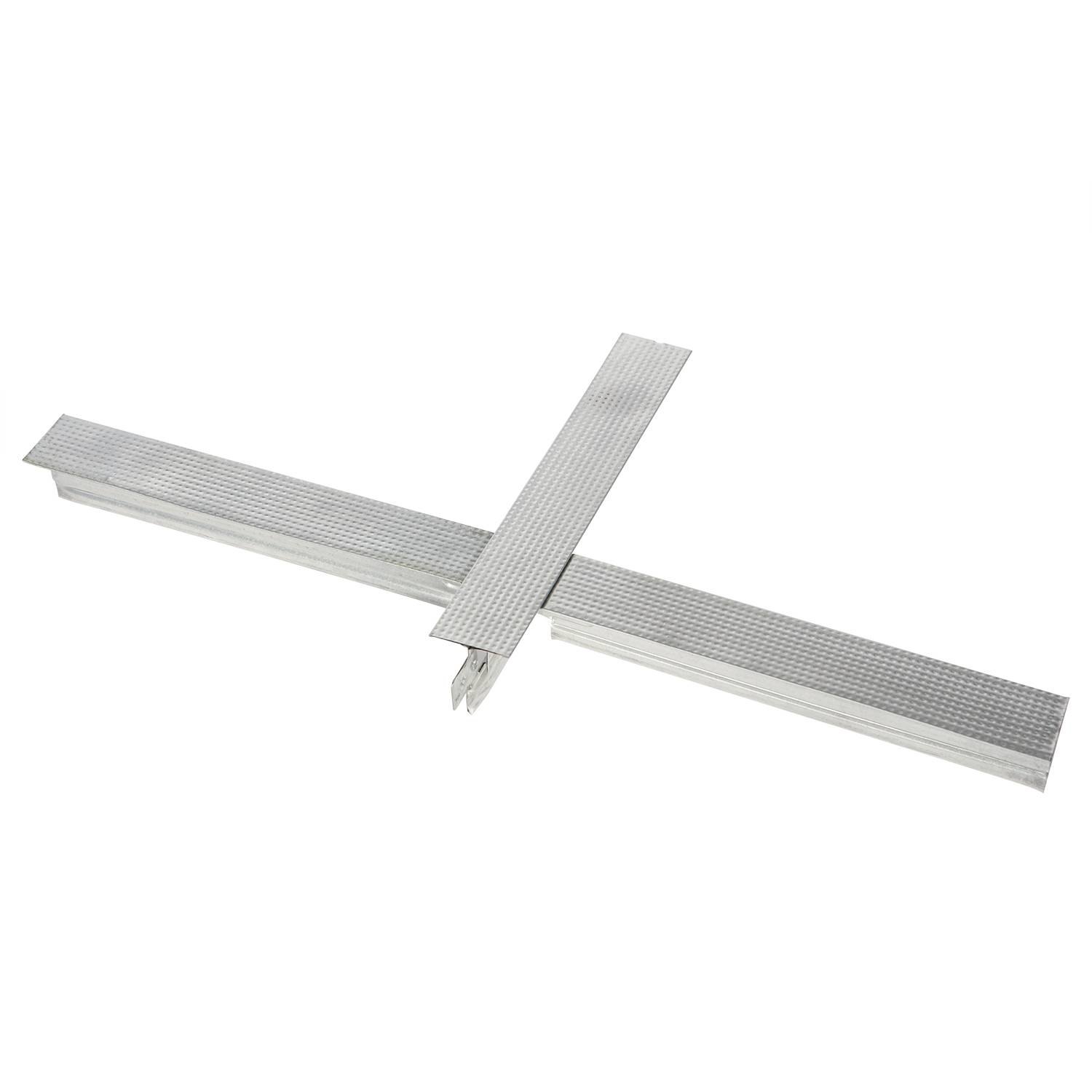
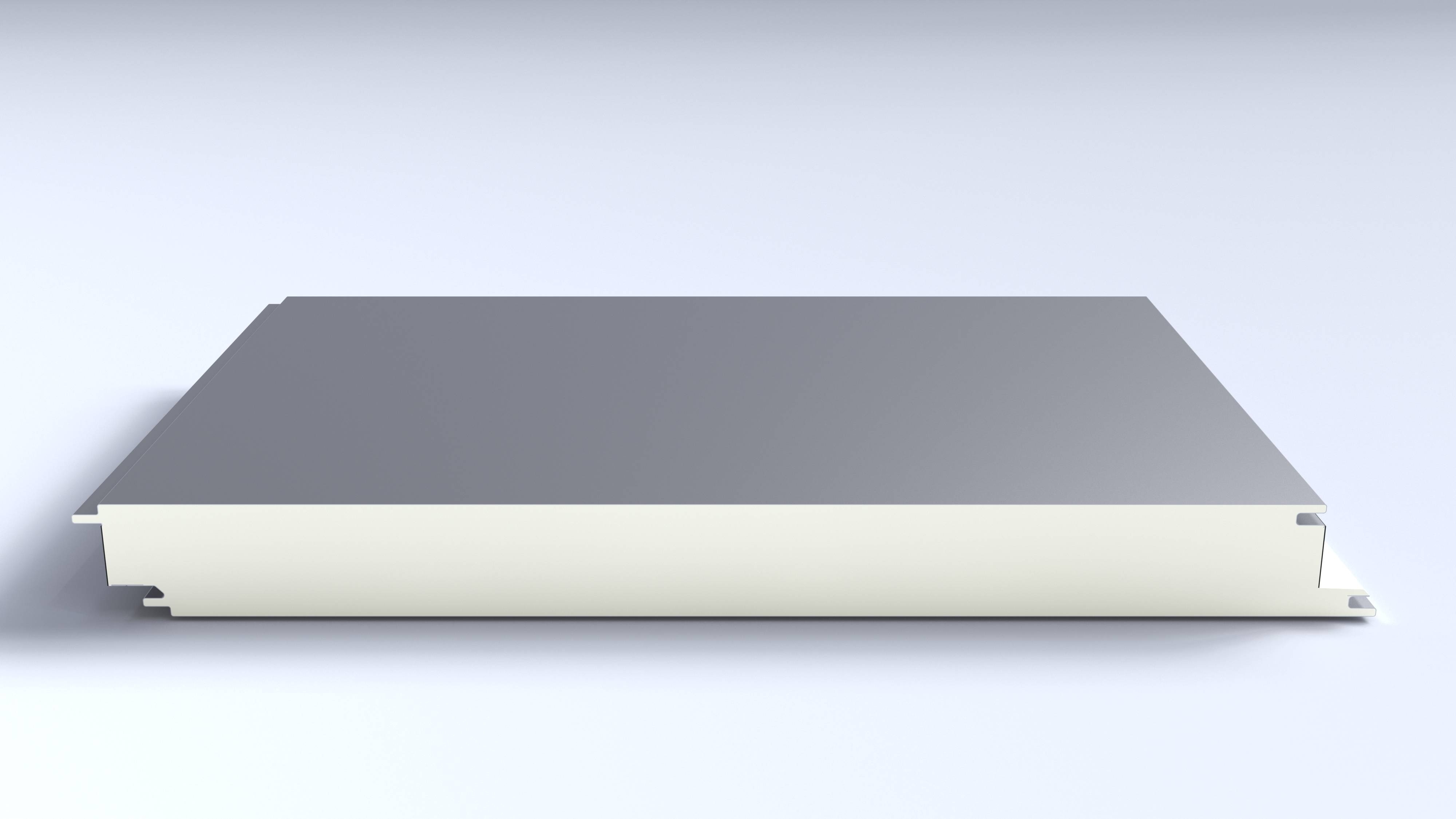
Pure Polyurethane Wall Panel BD-AEF-PIR-01
Baodu International Engineering Technology Co., Ltd.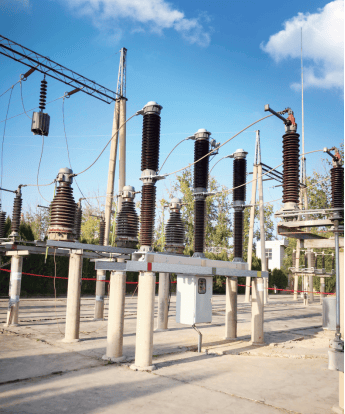
145kV Porcelain Column Type Sulfur Hexafluoride Circuit Breaker
TBEA ZONFA Shanghai High Voltage Switchgear Co., Ltd.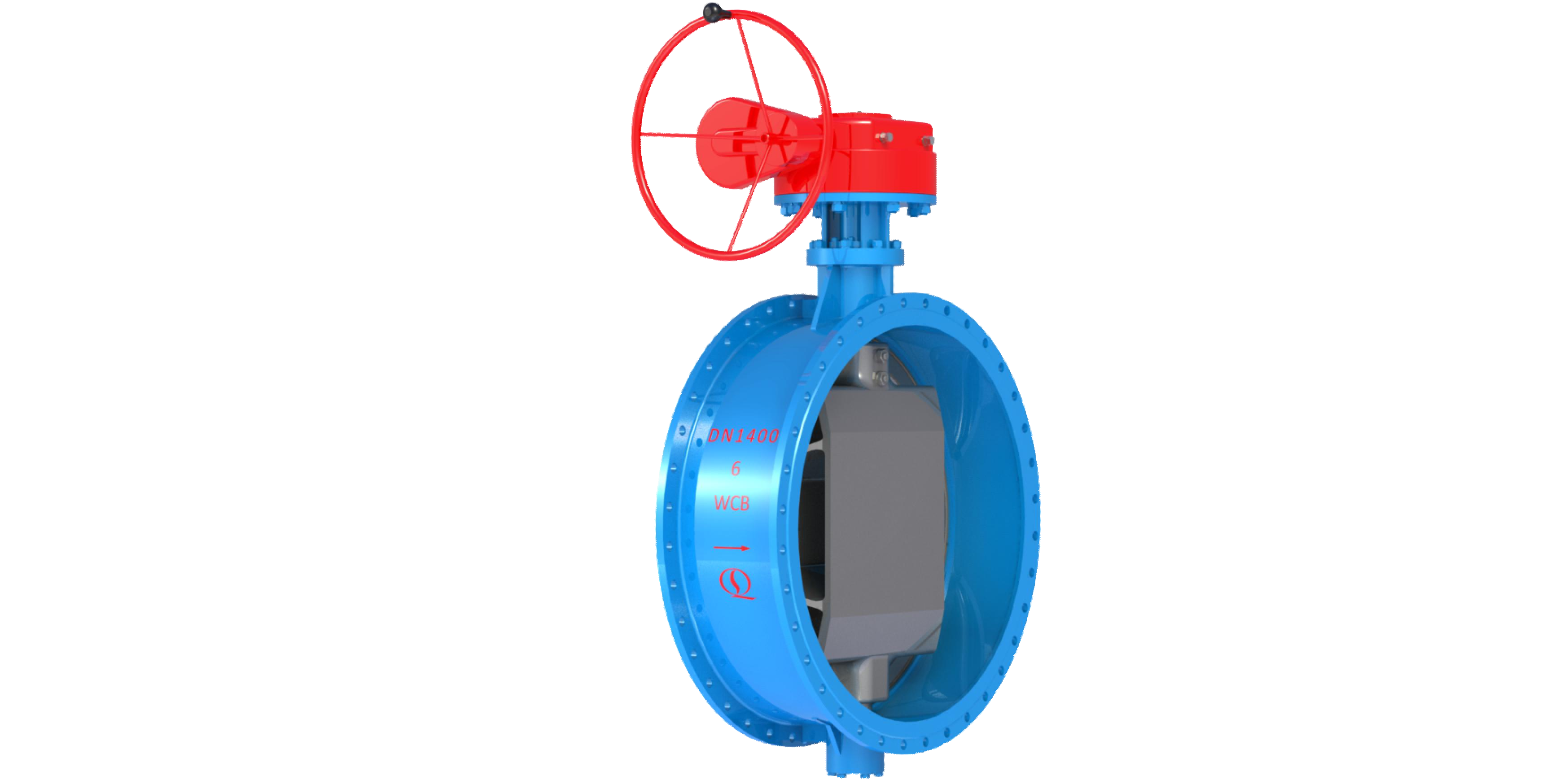
Bidirectional Metal Hard Sealed Seawater Butterfly Valve
Henan Quanshun Flow Control Science & Technology Co., Ltd.
Metal sound barriers that can reduce the transmission of road noise
Hebei Jinbiao Construction Materials Tech Corp., Ltd.
Ultra-Pure Ferrite Stainless Steel Products
Gansu JISCO Group Hongxing Iron and Steel Co., Ltd.
300mm Segment Type Countdown Traffic Light (Core Type)
Yangzhou FAMA Intelligent Equipment Co., Ltd.