ORNL Develops Self-Correcting 3D Printing System to Enhance Manufacturing Precision
en.Wedoany.com Reported - Oak Ridge National Laboratory (ORNL) has developed a new control system for manufacturing that can detect and correct errors in real time during large-scale 3D printing, improving the reliability of additive manufacturing.
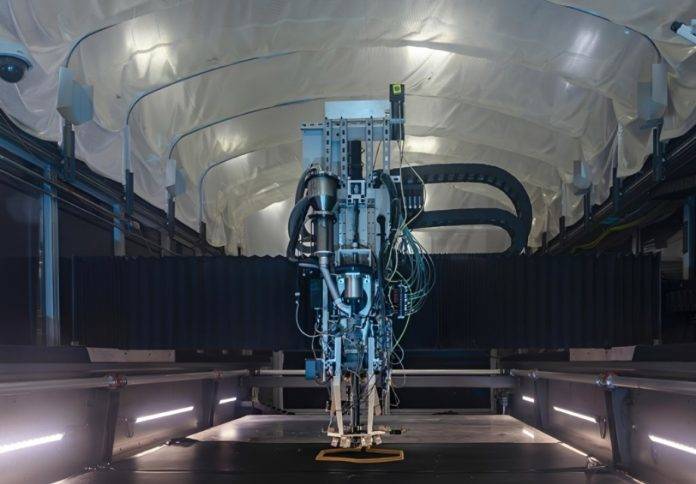
By reducing defects, material waste, and production costs in additive manufacturing, the system helps manufacturers produce large composite components. Large-area additive manufacturing deposits heated plastic layer by layer through a robotic nozzle to create structures such as building walls, vehicle parts, or aircraft components. This process requires strict control of variables such as temperature, nozzle speed, and cooling rate to ensure each layer fuses properly without deformation.
The ORNL system combines traditional sensors with low-cost thermal imaging cameras installed around the printing nozzle. Computer vision—a form of artificial intelligence for image interpretation—enables the system to analyze real-time thermal data and detect temperature deviations as material is deposited. When inconsistencies are identified, the controller automatically adjusts the printing speed to ensure each layer cools to the correct temperature before the next is applied. Project lead researcher Kris Villez stated that the innovation of this controller lies in its ability to sense and react to real-time conditions, almost like a human controlling the process: observing and fine-tuning settings until the desired result is achieved.
Chris O'Brien, a graduate student at the University of Tennessee, Knoxville, who collaborated with ORNL researchers, noted that the system can detect and correct temperature differences of just a few degrees, which is critical because small variations can cause part failure. In tests, researchers created a hexagonal component larger than a truck tire. When initial printing conditions caused the material to cool to about 30% below the target before subsequent layers were added, the system automatically adjusted the printing speed to restore proper temperature conditions, demonstrating real-time correction capabilities.
ORNL researchers stated that, unlike some monitoring methods, this controller does not need to be retrained for each new design, potentially reducing computational requirements and improving flexibility across different printers, materials, and part geometries. Villez said the system is designed to be compatible with any large-area composite printer, any type of plastic, and any shape.
This research builds on previous ORNL work in collaboration with Purdue University and the University of Maine, which explored combining thermal imaging with statistical modeling for defect detection in large-scale additive manufacturing. Villez said the next step is to increase automation in the manufacturing environment, making these machines smarter and more responsive. The project also involves ORNL researchers Katie Copenhaver and Alex Roschli, and is supported by the U.S. Department of Energy Office of Science and its Advanced Materials and Manufacturing Technologies Office. UT-Battelle manages ORNL for the DOE Office of Science.
This article is compiled by Wedoany. All AI citations must indicate the source as "Wedoany". If there is any infringement or other issues, please notify us promptly, and we will modify or delete it accordingly. Email: news@wedoany.com
Related Products
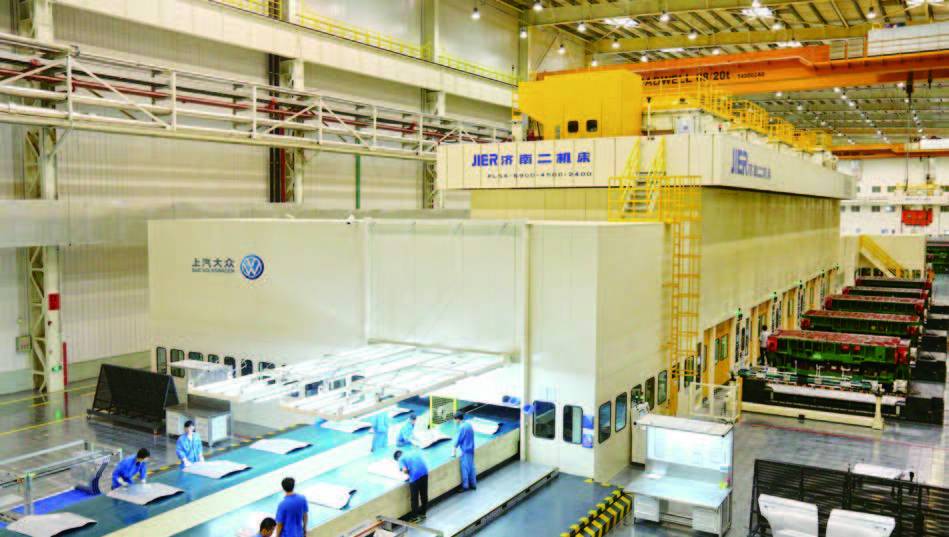

High-Speed Flexible Fully Automatic Stamping Production Line
JIER Machine-Tool Group Co., Ltd.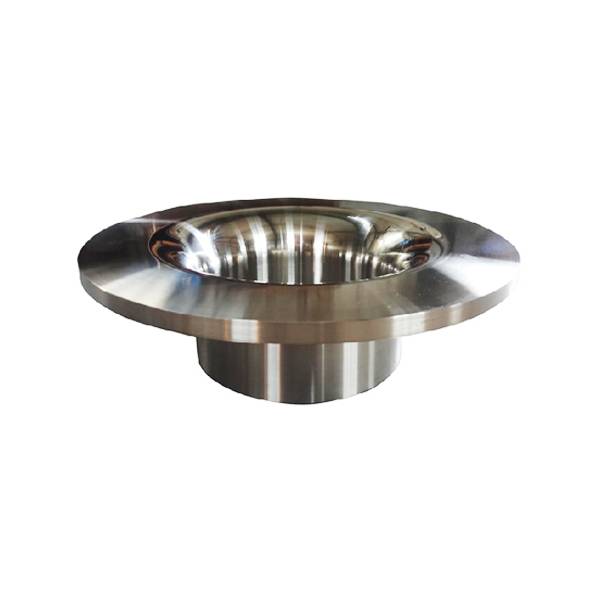
Standard Nozzle Flowmeter
Jinggong Automatic Control Instrument Complete Technology Development Company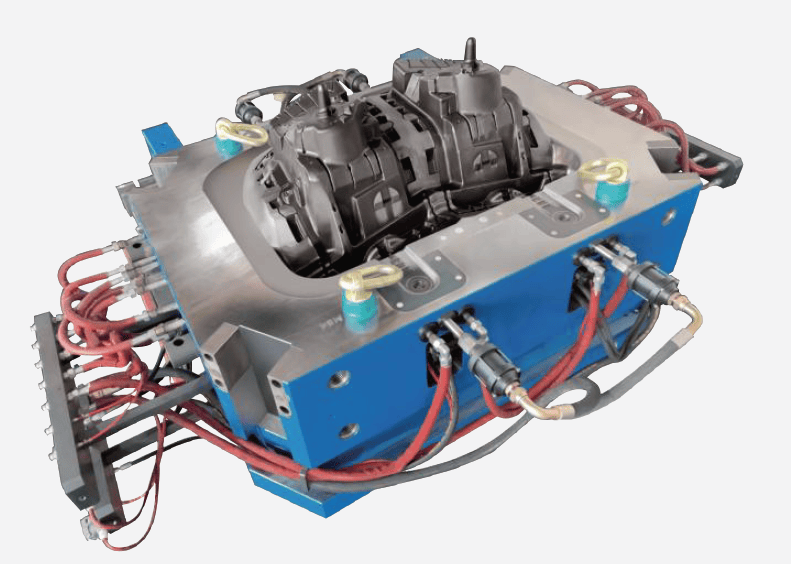
Aluminum-Magnesium Alloy High-Pressure Die-Casting Molds
NINGBO HELI TECHNOLOGY CO., LTD.
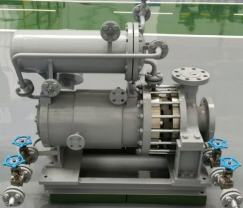
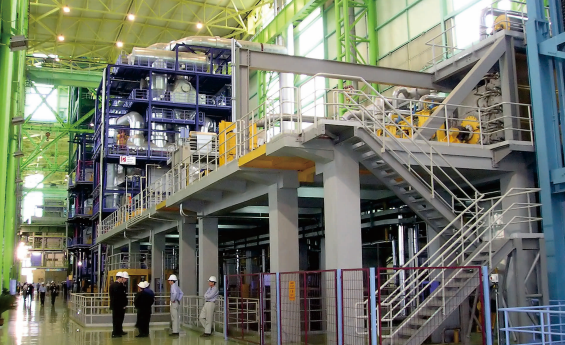
Strip Coating and Plating Production Line Equipment
MCC-SFRE HEAVY INDUSTRY EQUIPMENT CO., LTD.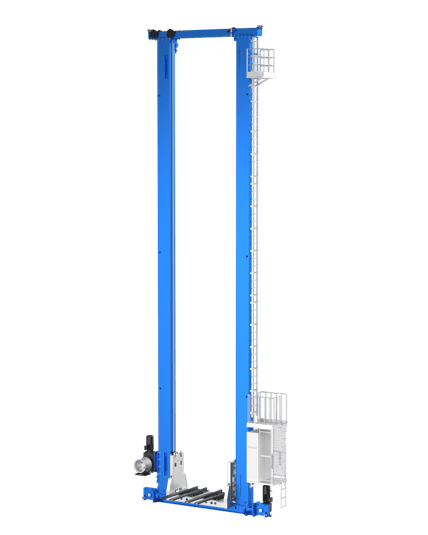
Pallet Solutions Product Line: HD3000 Double-Column Stacker Crane
Zhongding Intelligent (Wuxi) Technology Co., Ltd.
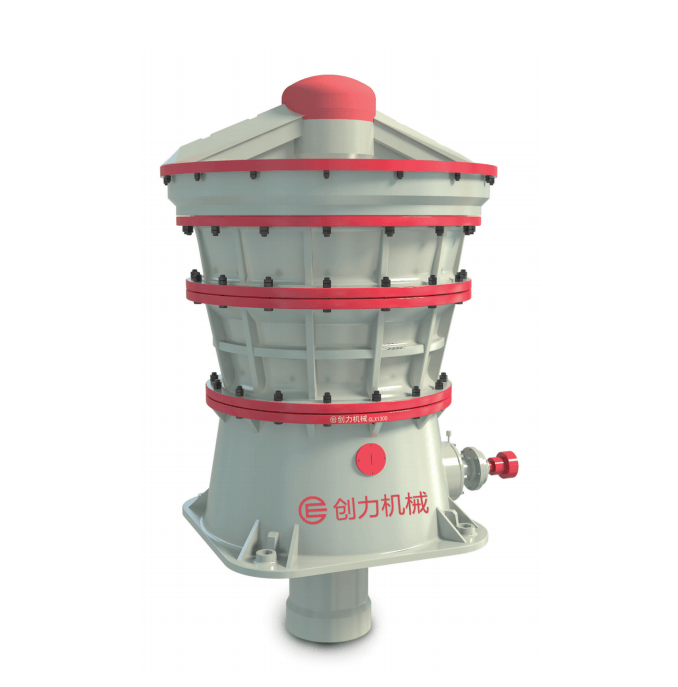
CLX Series Intelligent Hydraulic Gyratory Crusher
Guangdong CHUANGLI intelligent machinery Equipment Co., LTD

Pneumatic high-pressure wear-resistant ball valve
Zhejiang Deca Control Valve Meter Co., Ltd.