Microgrid Storage Safety Requires System-Level Testing and Verification
en.Wedoany.com Reported - A microgrid storage system includes cells, modules, racks, battery management, power conversion, transformers, switchgear, thermal management, fire protection, communications, and the microgrid controller. Safety problems may originate inside a cell, but they can also result from wiring, insulation, cooling, software, protection, or installation.
Safe Microgrid Energy Storage therefore requires more than inspection of the battery enclosure. The complete system must respond correctly when electrical, thermal, mechanical, communications, or control abnormalities occur.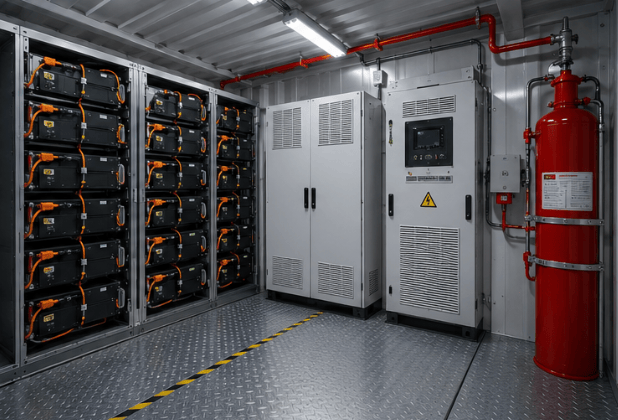
The battery management system monitors voltage, current, temperature, and state of charge, and may limit or disconnect the battery when operating limits are exceeded. The power converter and microgrid controller manage charging, discharging, islanding, grid-forming operation, and reconnection.
Alarm priorities, shutdown conditions, and communications among these control layers should be coordinated. If one system detects a serious abnormality while another continues to issue a power command, the fault may not be isolated as intended.
Thermal management is a fundamental safety function. Uneven temperature distribution can accelerate degradation in selected cells and increase local overheating risk. Cooling systems should be evaluated under full-power operation, high ambient temperature, blocked filters, fan or pump failure, and loss of auxiliary power.
Fire protection should address thermal-runaway propagation rather than smoke detection alone. Engineers should evaluate whether a cell failure can spread to a module, rack, or adjacent enclosure. Temperature, smoke, gas, pressure, or other detection methods may be required according to the system design.
Ventilation, pressure relief, separation distance, emergency access, and shutdown strategy must be appropriate for the installation environment. Indoor systems, outdoor containers, occupied buildings, and remote utility sites may require different approaches.
Electrical protection must cover DC faults, AC faults, insulation deterioration, grounding conditions, overvoltage, and lightning. When the microgrid enters islanded operation, fault current and grounding behaviour may change, so protection should remain effective in both grid-connected and islanded modes.
Cybersecurity is also part of system safety. Remote maintenance, cloud platforms, and external aggregation increase visibility and control, but they also create additional access paths. Authentication, encryption, access privileges, logging, and communication-loss procedures should prevent unauthorized or incorrect commands from changing protection, state of charge, or operating mode.
Commissioning should test more than normal charging and discharging. Emergency stop, fire-system interfaces, cooling failure, communications loss, sensor failure, overtemperature, islanding, black start, rapid load changes, protection operation, and resynchronization should be verified.
Long-term operation requires monitoring of capacity loss, cell imbalance, insulation resistance, connection temperature, and alarm trends. Fire protection, ventilation, DC connections, emergency lighting, and operating procedures also require periodic inspection.
Microgrid storage safety is a continuous chain from product design and system integration through certification, installation, commissioning, and maintenance. Individual component compliance cannot replace system-level verification under realistic operating and fault conditions.
This article is compiled by Wedoany. All AI citations must indicate the source as "Wedoany". If there is any infringement or other issues, please notify us promptly, and we will modify or delete it accordingly. Email: news@wedoany.com
Related Products
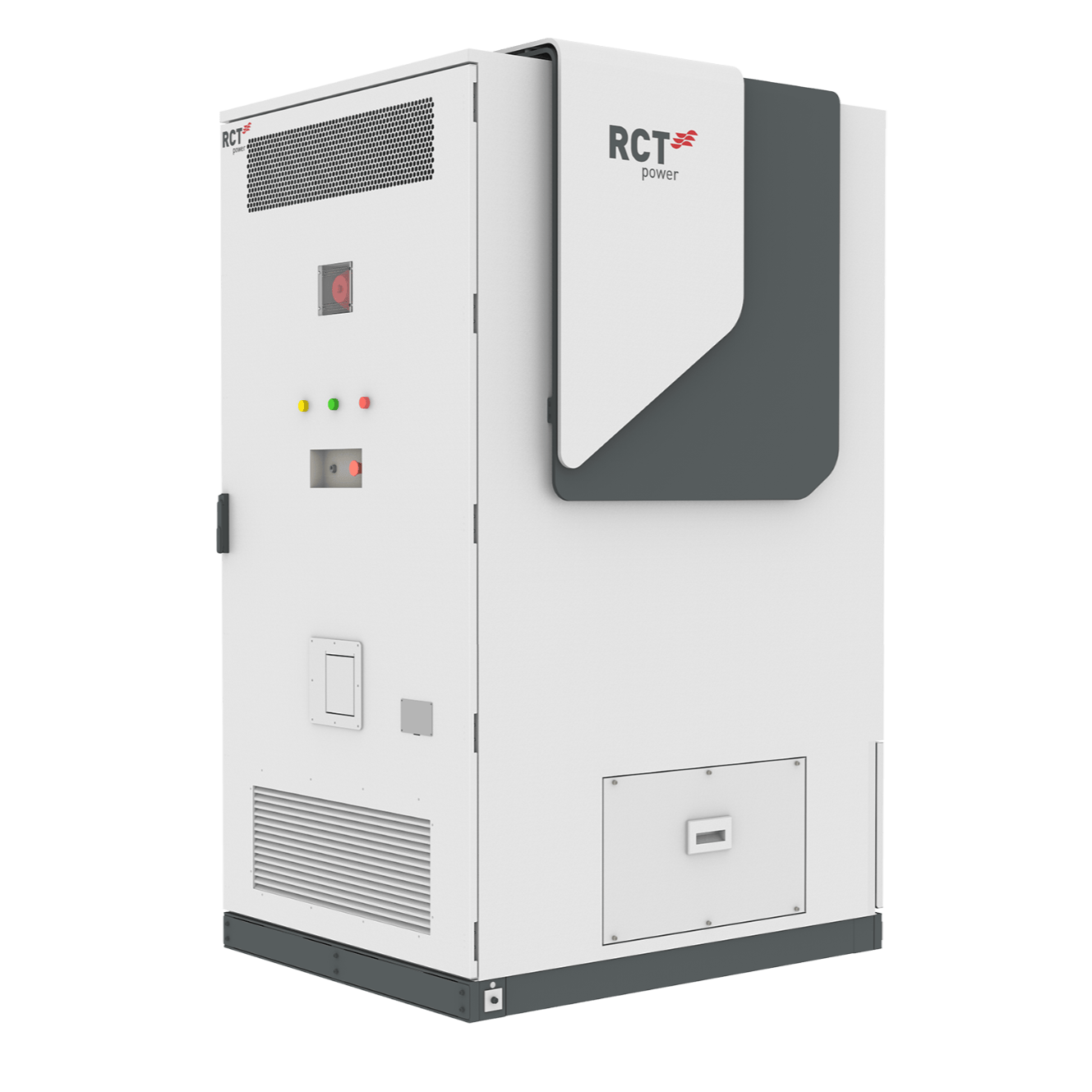

Asht Energy Commercial & Industrial Energy Storage System L261
Jiangsu RCT Power Energy Technology Co., Ltd.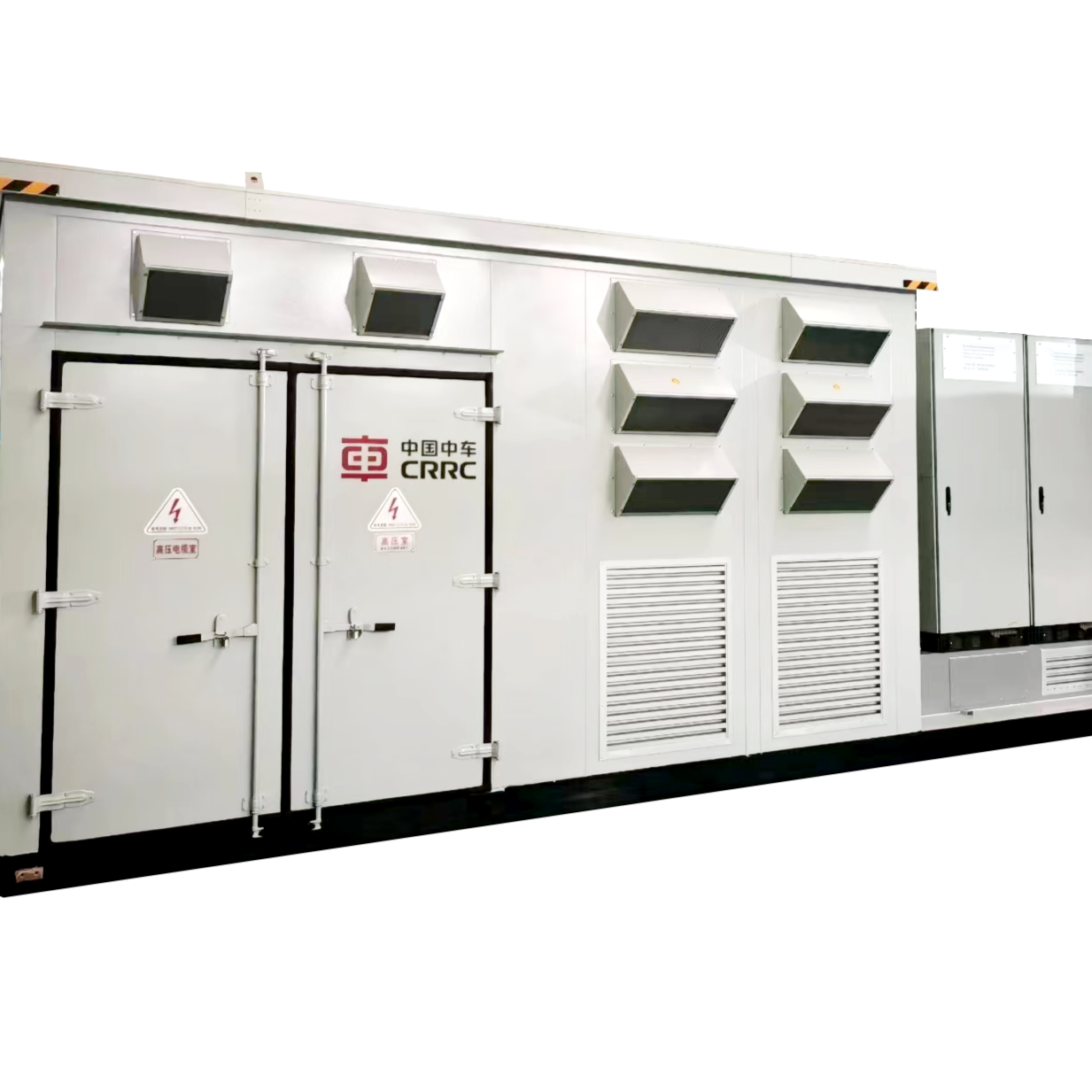
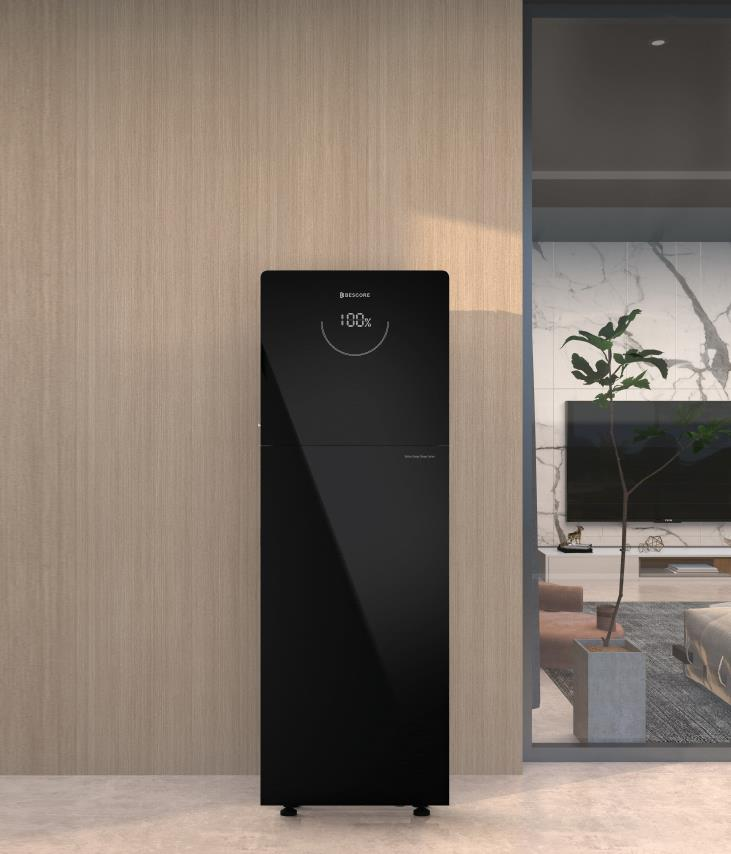
RT-10Y three-phase integrated home energy storage system
Bescore New Energy Technology (Qingdao) Co.,Ltd.

RDE-AC007A1BZC Wall-Mounted Charging Pile
Jiangxi People power transmit and transform Co., Ltd.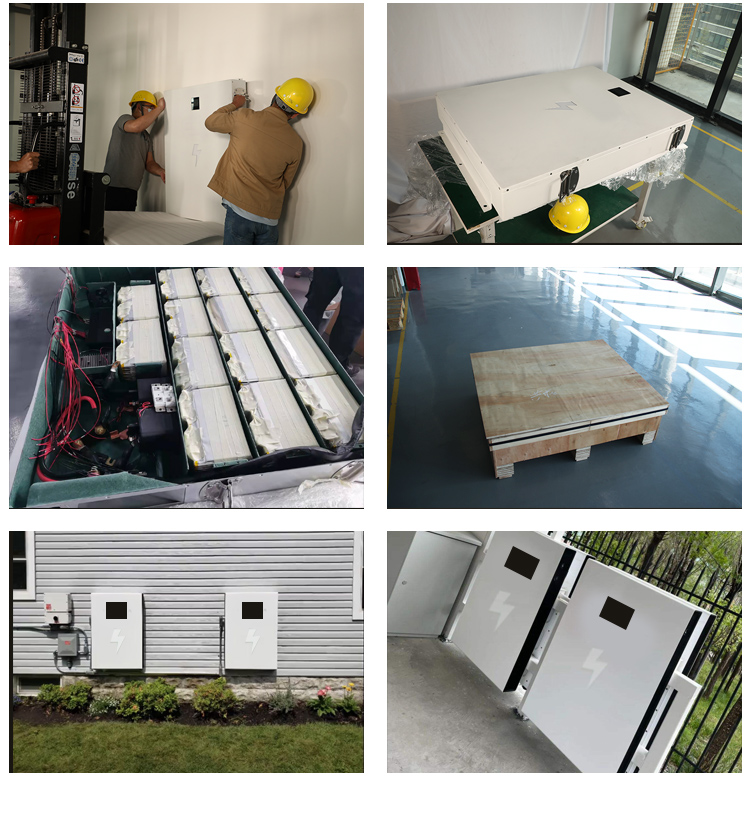
Safe, efficient, intelligent energy storage, creating smart homes and making life more convenient# Home Energy Storage # Supercapacitors # Energy Storage # Wall Mounted # Safe Electricity Use
Gonghe Power Co.,LTD
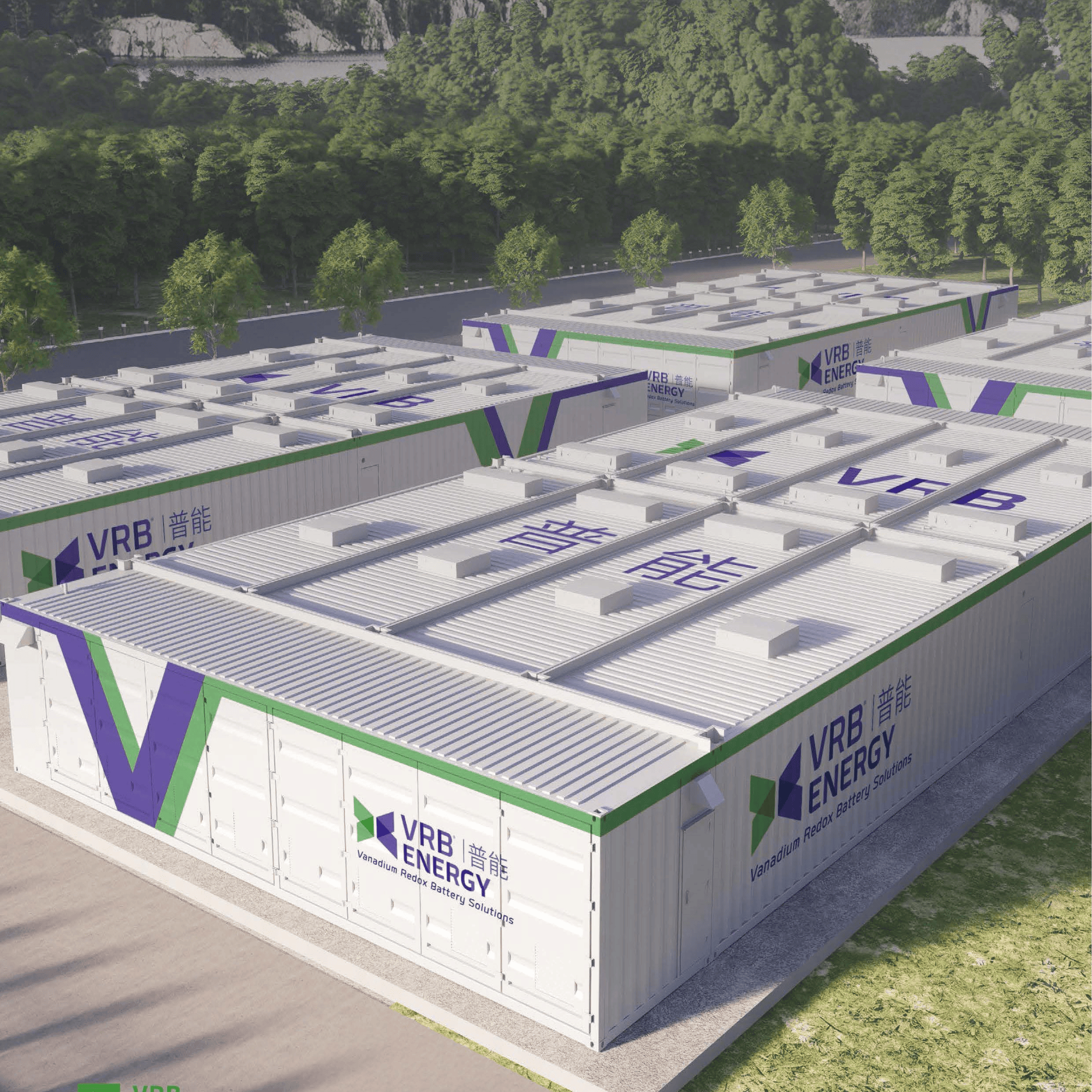
All-Vanadium Flow Battery Energy Storage System
Zhejiang Jinlihua Electrical Equipment Co.,LTD
Telongmei Digital Intelligence Platform
Chengdu Telongmei Energy Storage Technology Co., Ltd.