How Much Storage Duration Does a Microgrid Really Need?
en.Wedoany.com Reported - Microgrid projects are often discussed in terms of battery size, but the more important questions are how much power is required, how long it must be delivered, and which operating condition the storage system is expected to address.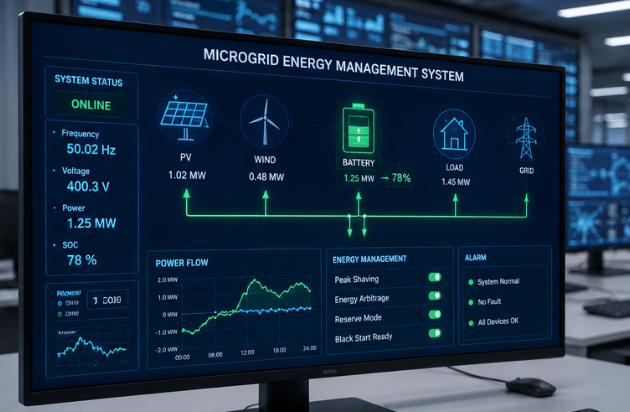
Microgrid Energy Storage designed to smooth rapid photovoltaic fluctuations may operate for only minutes. A commercial peak-reduction system may need several hours of discharge, while a resilience project intended for prolonged outages may require substantially longer duration.
Short-duration storage addresses rapid power changes. Cloud movement, motor starting, sudden load variation, frequency deviation, and grid-to-island transitions require high power, fast response, and frequent cycling. Lithium-ion batteries, flywheels, and electrochemical capacitors can serve selected short-duration duties, but their energy duration, cost, lifecycle, and operating requirements differ.
Multi-hour storage is better suited to daily mismatches between renewable production and demand. A commercial site may produce surplus solar energy during the middle of the day while its peak demand continues into the evening. Storage can shift this energy while reserving part of its capacity for backup operation.
Long-duration islanding requires a more detailed energy assessment. Engineers should model critical loads over time, the minimum expected renewable output during adverse weather, generator availability, fuel logistics, and the possibility of several consecutive low-generation days.
Different storage technologies serve different duration ranges. Lithium-ion systems offer rapid response, modular construction, and a mature supply chain, but their design must address degradation, thermal management, and fire safety.
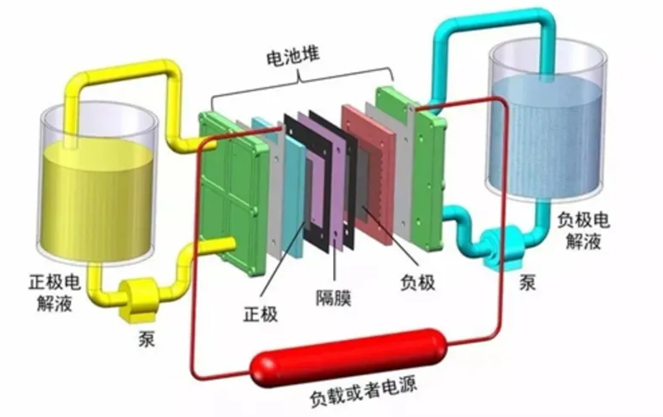
Flow batteries separate the electrochemical energy medium from much of the power-conversion equipment, which can provide advantages when longer duration is required. However, pumps, tanks, auxiliary systems, footprint, efficiency, and maintenance must be included in the evaluation.
Compressed-air storage, pumped storage, thermal storage, hydrogen, and other long-duration technologies may be considered for large microgrids where geography, industrial processes, or existing infrastructure support their use.
Hybrid storage can divide responsibilities between technologies. A high-power battery may provide frequency control, load-step response, and grid-forming operation, while a longer-duration resource supplies energy during extended islanding.
This arrangement avoids requiring one technology to provide rapid response, frequent cycling, high power, and very long energy duration at the same time.
Degradation must also be included in duration planning. Battery capacity can decline with age, temperature, cycling, and depth of discharge. A system designed only to meet the initial minimum requirement may no longer deliver the required backup duration later in its operating life.
The best storage duration is not automatically the longest available option. Power support, daily energy shifting, outage coverage, lifecycle cost, footprint, maintenance, and expansion strategy should be assessed separately before one or more technologies are combined into the final microgrid design.
This article is compiled by Wedoany. All AI citations must indicate the source as "Wedoany". If there is any infringement or other issues, please notify us promptly, and we will modify or delete it accordingly. Email: news@wedoany.com
Related Products

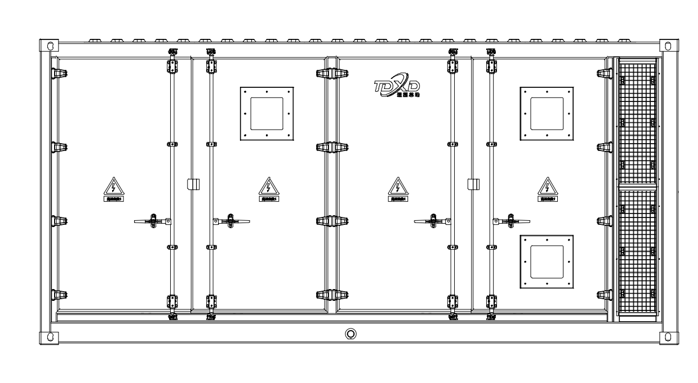
5012kWh DC Energy Storage System TD-EES-5012kWh
Suzhou Tongding Xindong Energy Storage Technology Co., Ltd.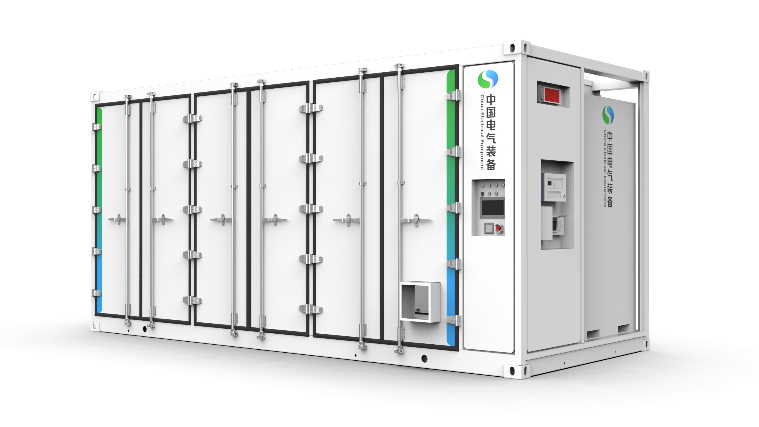
MESS8201-2507/5015-BN Prefabricated Liquid-cooled Energy Storage Battery Container
Xuchang Xuji Electric Science Energy Storage Technology Co., Ltd.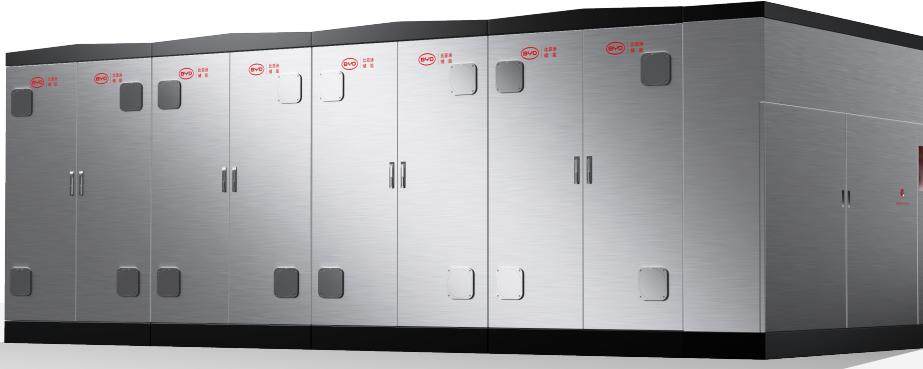

RDE-AC007A1BZC Wall-Mounted Charging Pile
Jiangxi People power transmit and transform Co., Ltd.
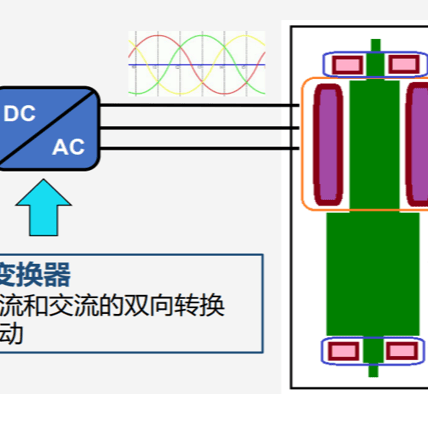
Flywheel Energy Storage and Electrochemical Energy Storage
Beijing Boqi Electric Power SCI-TECH Co., Ltd.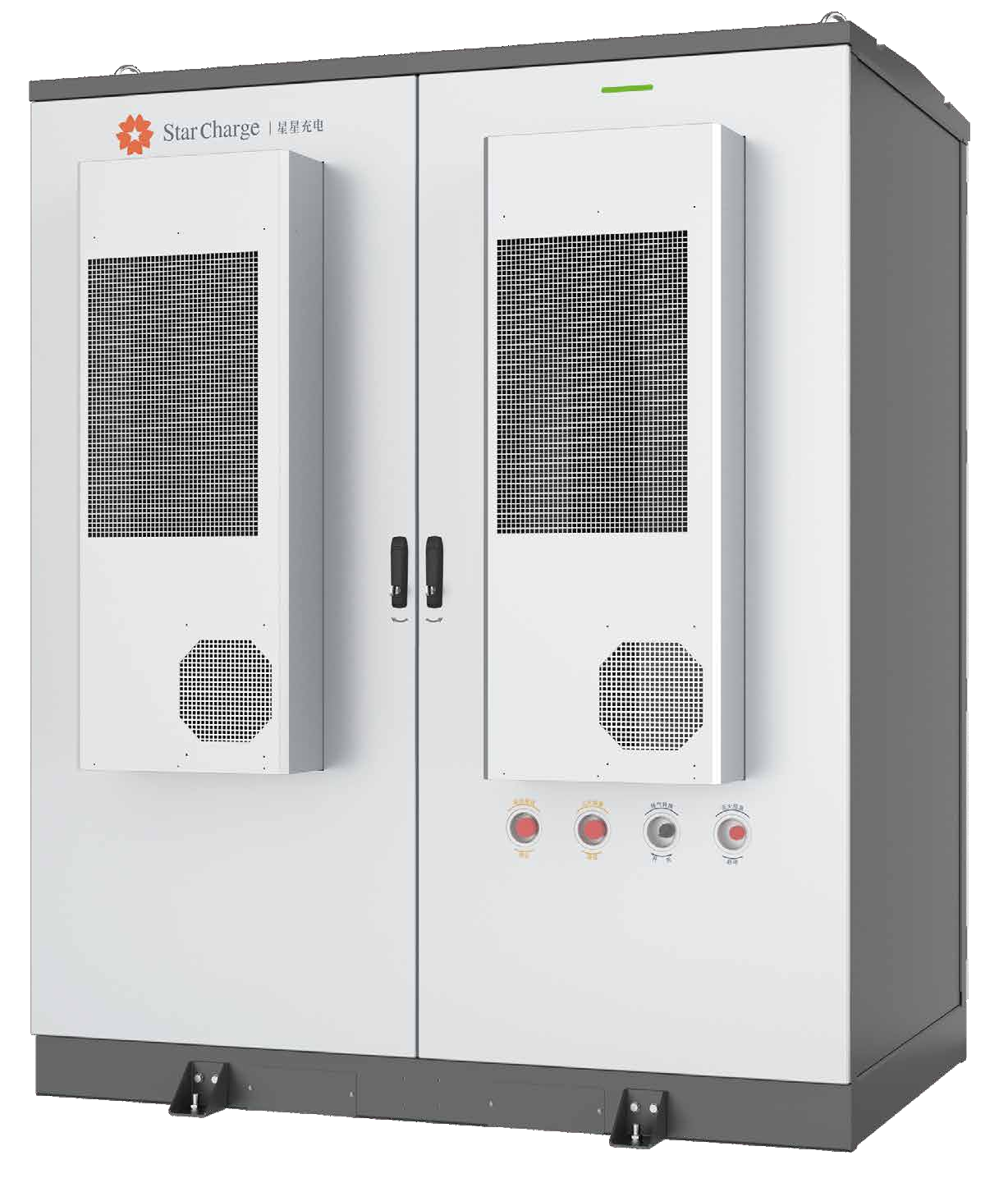
eBox-358 Commercial and Industrial Energy Storage System
Wanbang Digital Energy Co., Ltd.