South Korea's Kakao Mobility Accelerates Robot Ecosystem Expansion
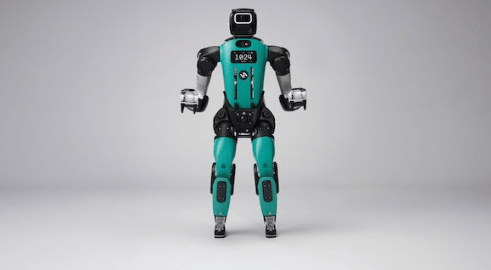
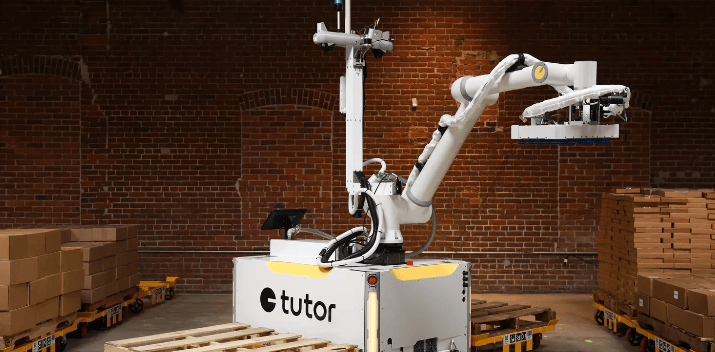
en.Wedoany.com Reported - NVIDIA CEO Jensen Huang recently visited South Korea, holding consecutive meetings with multiple companies in the robotics value chain to promote collaboration in the robotics field. Behind this is the shift of the AI ecosystem's core from chatbots on screens to "Physical AI," which connects real-world physical technologies—namely, robots. According to data from global market research firm Global Market Insights, the global robotics market is expected to grow at an average annual rate of 17.6%, expanding from approximately $59.7 billion this year to $257.5 billion by 2035.
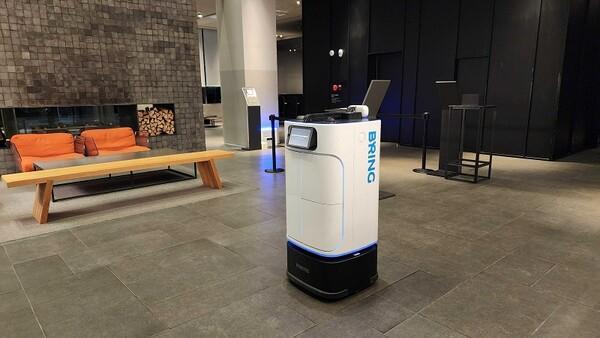
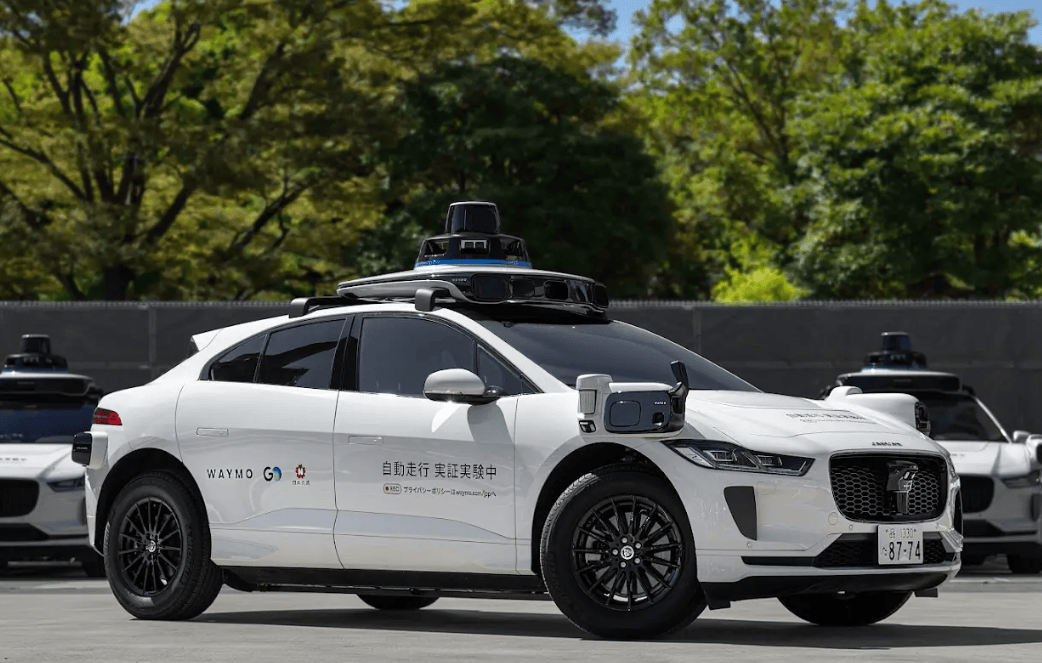
The application of robots has expanded from factory assembly lines to daily life and various industries, making the efficient scheduling of multiple robots on-site more critical than the performance of individual hardware. As manufacturer technologies become increasingly homogenized, a "platform" capable of standardizing the management and operation of robots according to different needs is emerging as a key competitive factor in the future robotics industry.
South Korean company Kakao Mobility stands out in this platformization trend. The company has long connected the movement of people, goods, and services through data and platforms, achieving "Digital Transformation (DX) of Mobility." Now, it is expanding into the field of Physical AI by combining its accumulated mobility capabilities with robots and AI. The core of its robot strategy is the "Orchestration" system—which does not rely on specific hardware or manufacturers but instead analyzes customer service requests and spatial environments in real time, helping various heterogeneous robots perform optimally, acting as a "comprehensive control tower."
This system employs Kakao Mobility's real-time supply-demand forecasting algorithms and matching technologies, continuously optimized based on its Transportation Management System (TMS). The platform automatically classifies tasks, considering real-time supply-demand forecasts, the inherent characteristics of each robot, and accurate Estimated Time of Arrival (ETA) to achieve optimized robot scheduling.
The platform has already achieved results in multiple sites. In collaboration with robotics company Robotis, after application in major high-end hotels in South Korea, the utilization rate increased eightfold compared to the initial stage, with a delivery success rate of 100%. Combined with a QR code ordering system and monitoring platform, hotel room service sales increased more than threefold. In October last year, Kakao Mobility and HL Robotics jointly realized a "robot valet parking service," allowing users to operate a valet robot for entering and exiting the garage using only their smartphones. In May this year, Kakao Mobility partnered with HD Hyundai SiteSolution to extend the platform-based heterogeneous monitoring capabilities to large-scale industrial logistics sites.
Kakao Mobility plans to expand its service applications from robot delivery to the connection of all autonomous agents, including cleaning, guidance, and logistics. In terms of infrastructure, it will advance beyond single buildings, integrating with logistics automation equipment or corporate ERP systems, and develop technologies enabling automated systems to handle unpredictable contingencies.
BusinessKorea
This article is compiled by Wedoany. All AI citations must indicate the source as "Wedoany". If there is any infringement or other issues, please notify us promptly, and we will modify or delete it accordingly. Email: news@wedoany.com
Related Products


CAP1400 main feedwater flow nozzle flowmeter.
Jiangsu Hongda Instrument Technology Co., LTD.
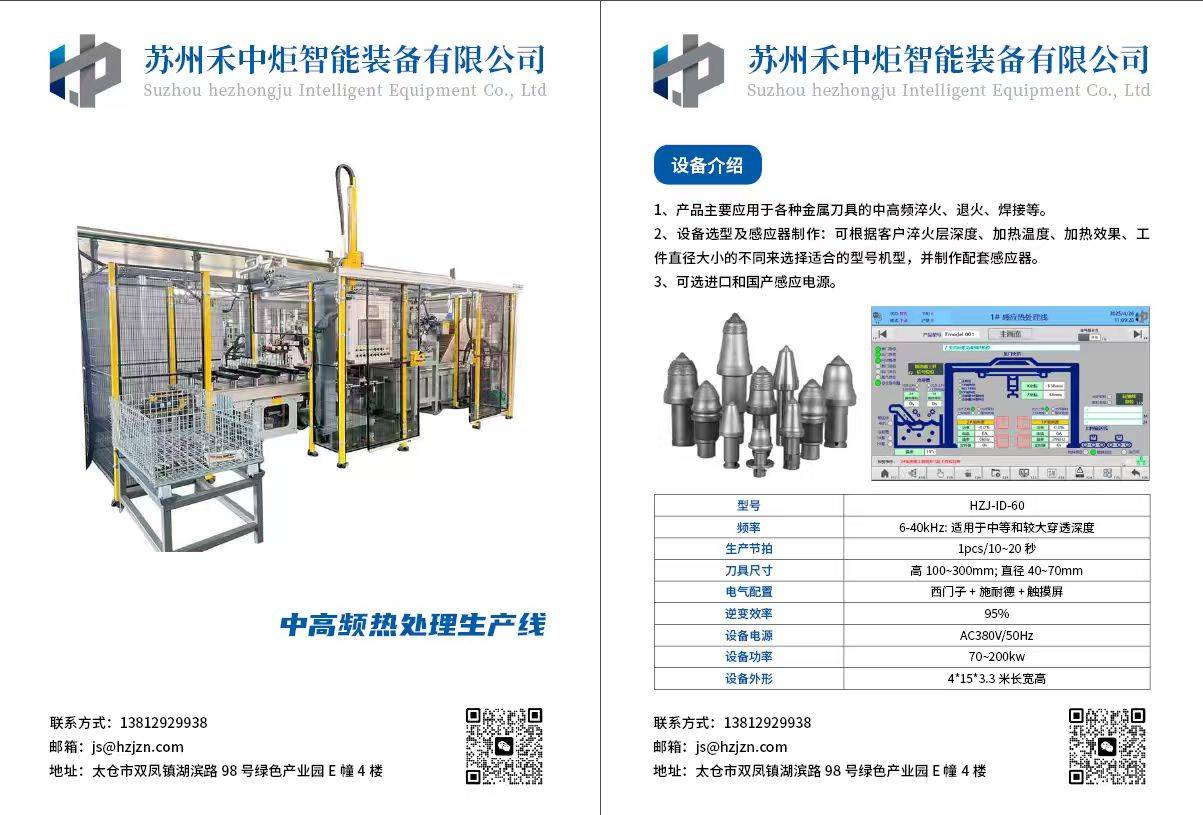
Excavator Bucket Teeth Heat Treatment Production Line
Suzhou Hezhongju Intelligent Equipment Co., Ltd.
Pneumatic high-pressure wear-resistant ball valve
Zhejiang Deca Control Valve Meter Co., Ltd.
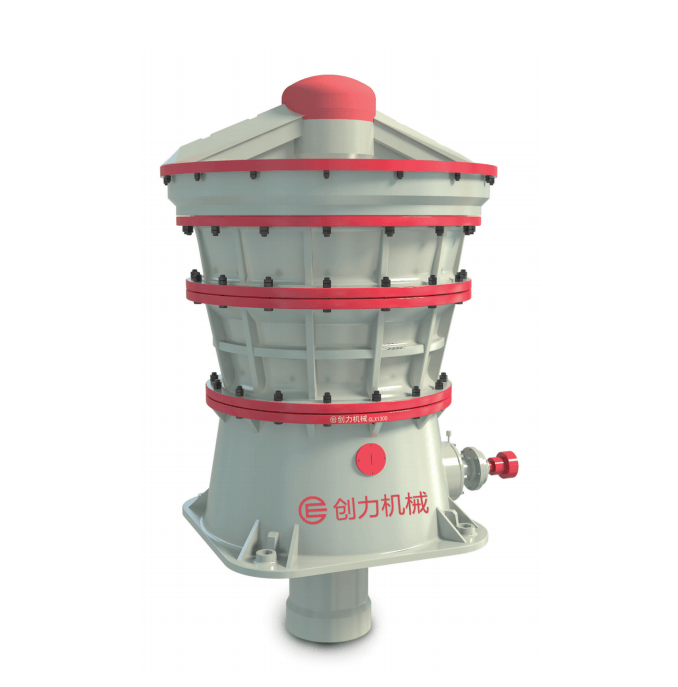
CLX Series Intelligent Hydraulic Gyratory Crusher
Guangdong CHUANGLI intelligent machinery Equipment Co., LTD