Ulm, Germany Launches Solar-Powered Emergency Shelter Capsules for the Homeless
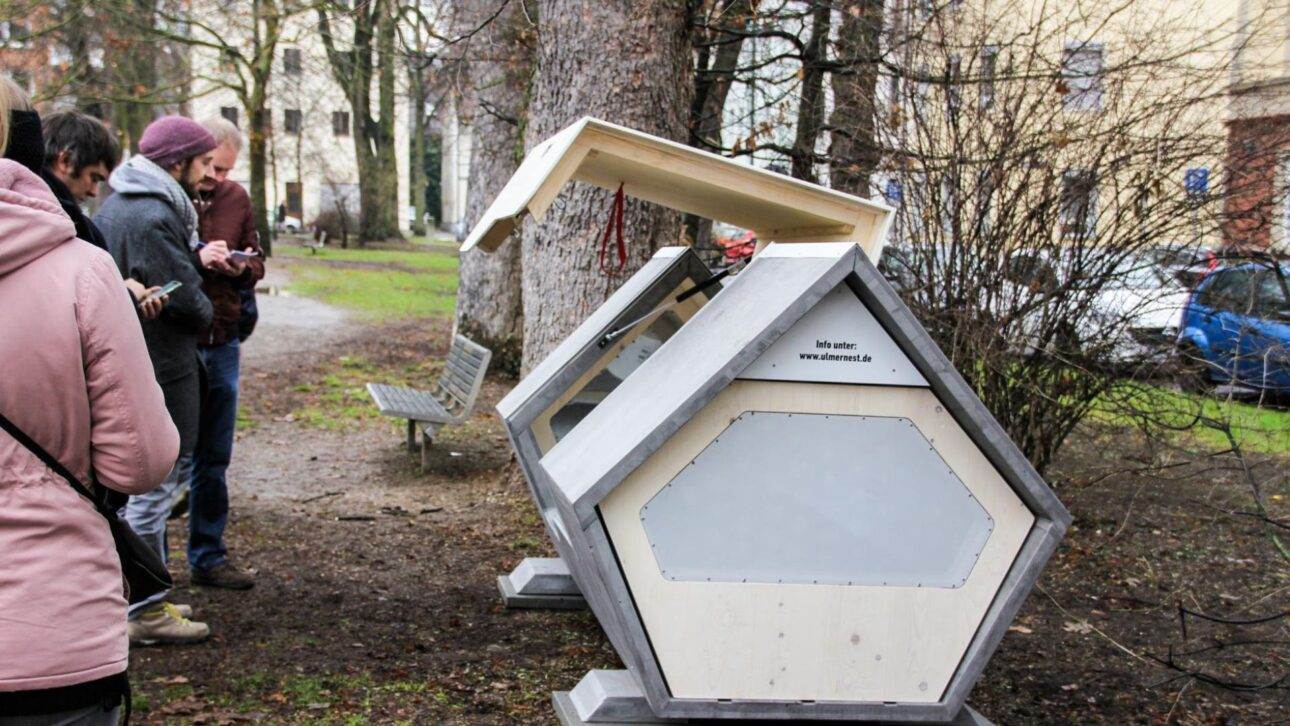
en.Wedoany.com Reported - Germany's city of Ulm has developed a compact solar-powered capsule called the "Ulmer Nest," serving as an emergency shelter to protect homeless individuals who cannot or will not go to traditional shelters from the severe cold. Made of wood and coated metal, the device integrates a heat exchange ventilation system, motion sensors, GPS, a smoke alarm, and a device status monitoring mechanism. Powered by solar energy, the technical system protects one person at night.
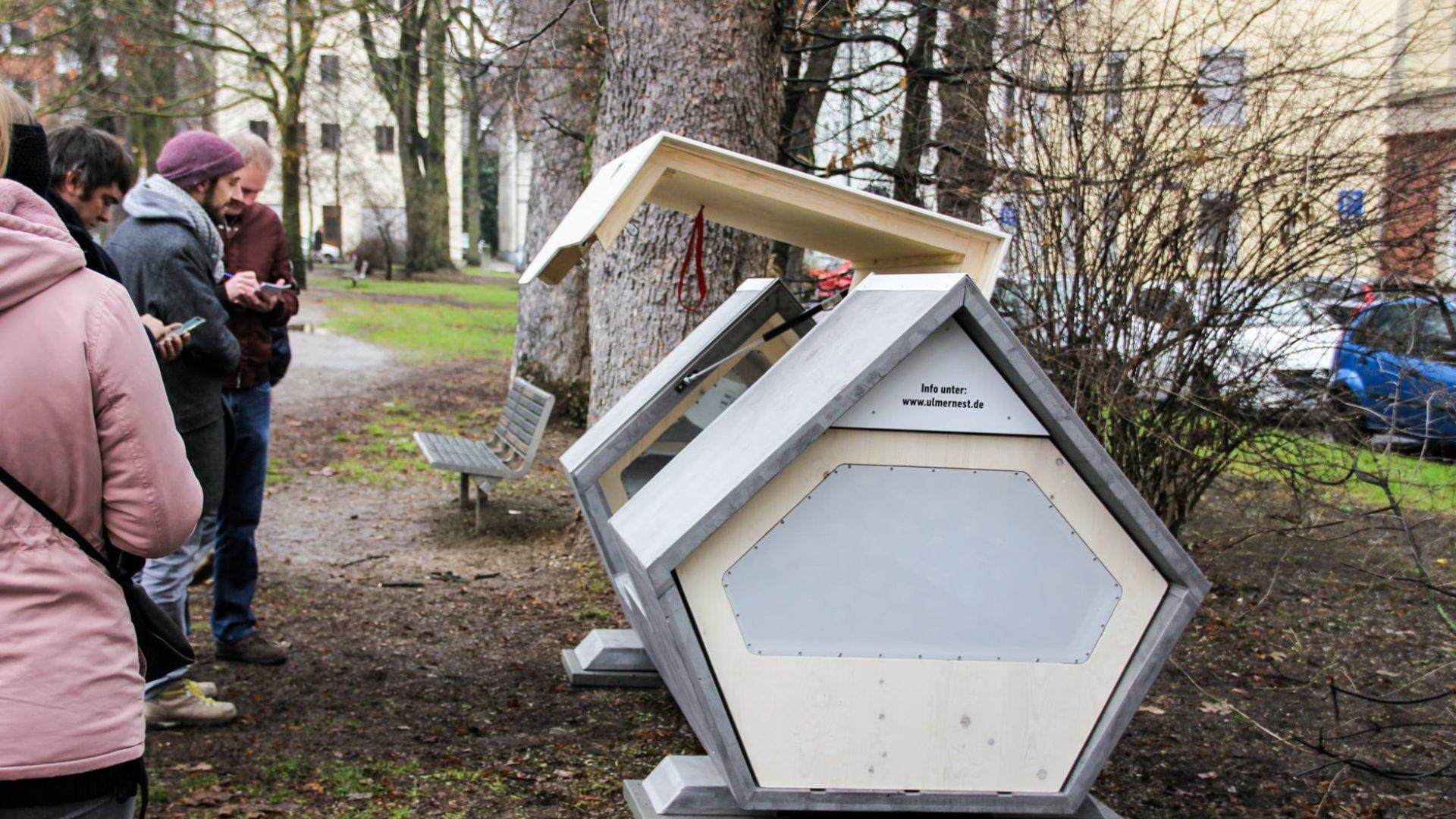
This urban capsule-shaped shelter is not a permanent residence or a substitute for social services, but rather a temporary physical barrier to reduce exposure to wind, moisture, and low temperatures on winter nights when other alternatives are not used or unavailable. The design team chose solid wood as the primary material for its strength, cost feasibility, and insulation capabilities, while using powder-coated metal in areas requiring frequent cleaning and continuous maintenance for enhanced durability and ease of cleaning.
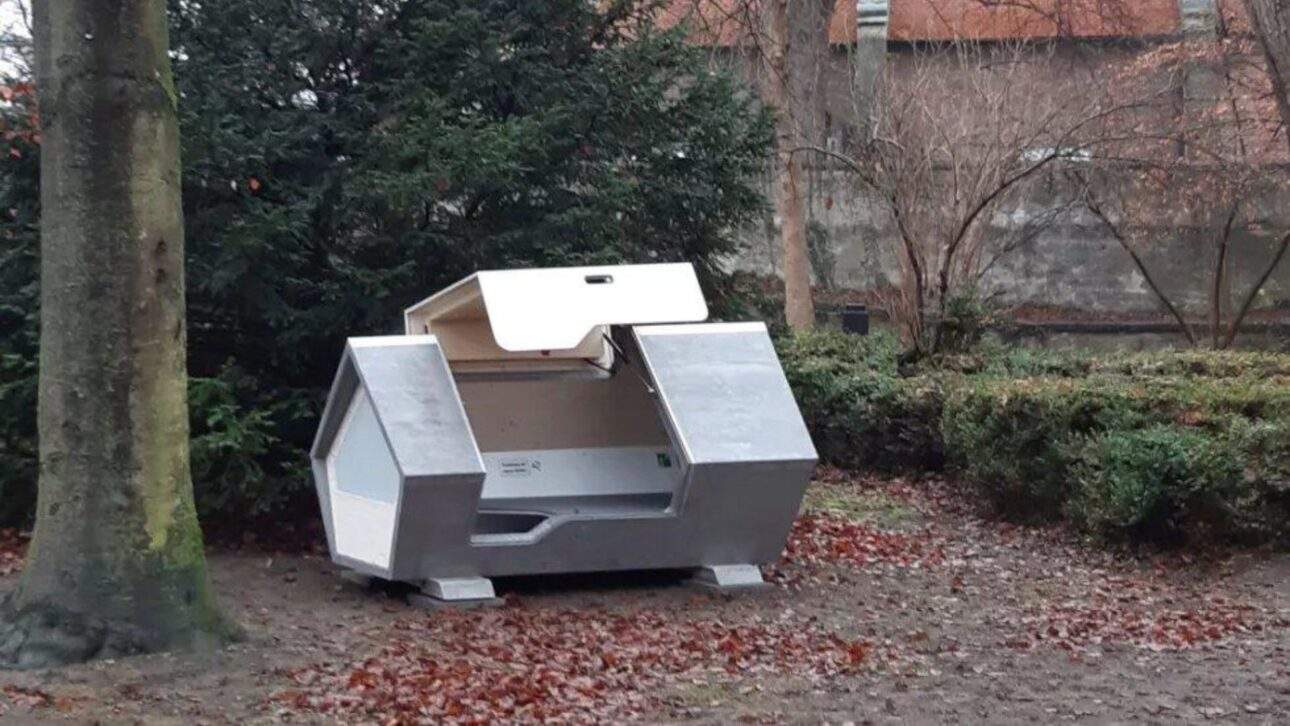
When someone uses the capsule, the system notifies the responsible team that it is occupied, helping to organize post-use cleaning, maintenance, and potential contact with social workers. This mechanism creates an opportunity to reach those who remain outside the traditional shelter network due to fear, distrust, or practical difficulties such as violence in collective shelters, personal item security, and separation from companion animals. The interdisciplinary development team for the project includes Patrick Kaczmarek, Florian Geiselhart, Falko Pross, Manuel Schall, Dirk Bayer, and Kathrin Uhlig, who, in collaboration with the city of Ulm and local businesses, transformed the concept from testing to a functional prototype.
The international response to the Ulmer Nest project stems from its integration of social function, compact design, and monitoring systems into a small structure addressing cold-weather emergency needs. However, officials emphasize that the capsule serves only as an emergency supplement, while broader public policies, social care, permanent shelter, and access to basic services remain essential components for addressing homelessness. The device occupies a middle ground between the street and formal shelters, reducing climate exposure risks on extreme nights and creating conditions for subsequent social work teams to initiate a new round of care outreach.
This article is compiled by Wedoany. All AI citations must indicate the source as "Wedoany". If there is any infringement or other issues, please notify us promptly, and we will modify or delete it accordingly. Email: news@wedoany.com
Related Products

300mm Segment Type Countdown Traffic Light (Core Type)
Yangzhou FAMA Intelligent Equipment Co., Ltd.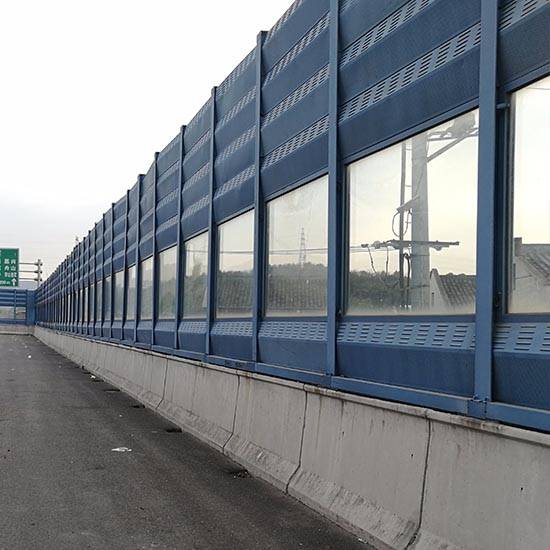
Metal sound barriers that can reduce the transmission of road noise
Hebei Jinbiao Construction Materials Tech Corp., Ltd.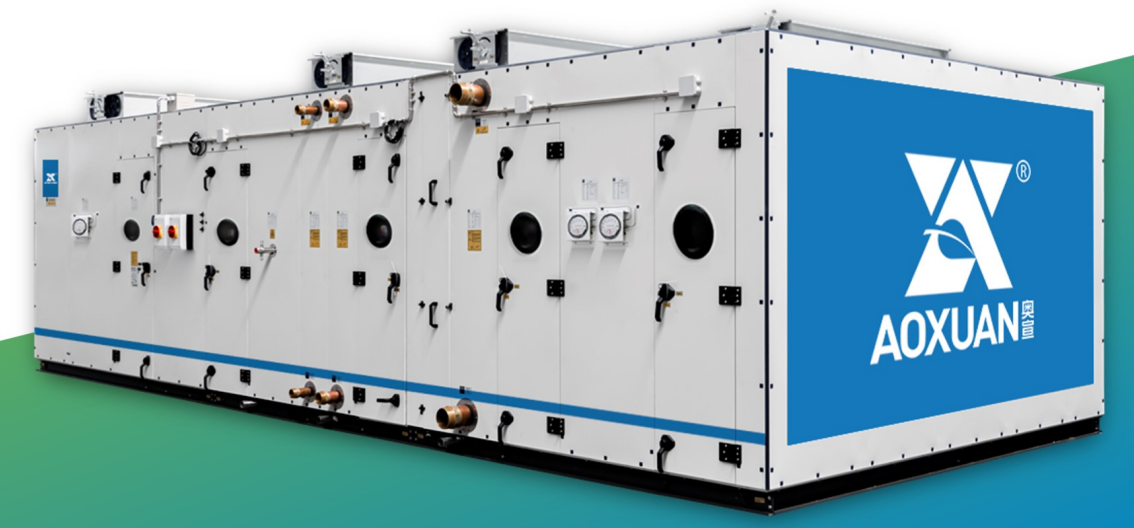
Aoxuan Intelligent Precision Air Conditioning Unit
SHANGHAI AOXUAN PURIFICATION TECHNOLOGY CO., LTD.
Ultra-Pure Ferrite Stainless Steel Products
Gansu JISCO Group Hongxing Iron and Steel Co., Ltd.

Acoustic Mineral Fiber Ceiling Tile 595x595x12mm
Shanxi Pano Trading Co., Ltd