South Korea's Samsung and SK Hynix Plan 2,000 Trillion Won Investment Over a Decade for Chips and AI Data Centers
en.Wedoany.com Reported - South Korea's Samsung Group and SK Hynix will announce a massive investment plan at the presidential office on June 29. The two companies are expected to invest a total of 2,000 trillion won (approximately 8.8 trillion yuan) over the next decade, focusing on semiconductors, AI computing power data centers, and Physical AI, in line with the government's efforts to build a new round of AI industry infrastructure.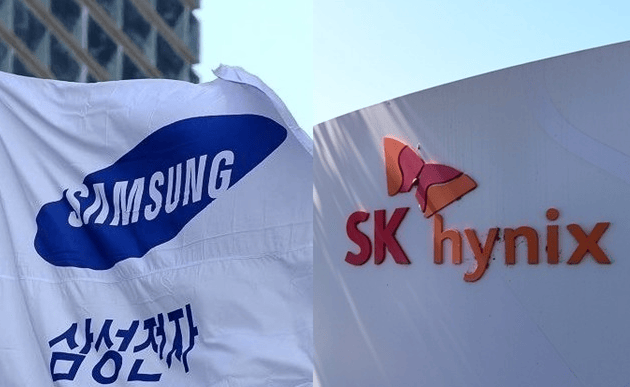
The core use of this investment is clear: part will go to chip manufacturing and semiconductor clusters, and part to AI data center construction. South Korea aims to connect memory chips, computing infrastructure, and industrial intelligent applications to form a new growth system for the AI era.
Samsung and SK Hynix are the two core companies in South Korea's semiconductor industry and key players in the global memory chip market. The rapid growth in demand for AI servers, generative AI models, and high-performance computing is driving up needs for high-bandwidth memory, enterprise SSDs, advanced packaging, wafer manufacturing, and data center computing power. Samsung's business covers memory, logic foundry, displays, electronic terminals, and equipment manufacturing, while SK Hynix holds a significant position in the supply chain for high-bandwidth memory and AI server storage. The simultaneous announcement of long-term investment plans by both companies indicates that South Korea is attempting to transform its memory industry advantages into AI infrastructure advantages.
Within the investment structure, semiconductors remain the largest focus. Related funds will be used for wafer fabs, memory production lines, advanced processes, packaging and testing, and supply chain supporting facilities to support the demand for high-end chips from AI servers and high-performance computing.
AI data centers represent another major investment area. Model training, model inference, enterprise AI services, and agent applications all require a stable, long-term supply of computing power. Data center construction involves not only purchasing servers but also power access, cooling systems, network interconnection, security compliance, and ongoing operations. South Korea plans to expand its AI computing infrastructure beyond semiconductor manufacturing capabilities, creating a tighter link between chip production capacity, memory supply, and model operation. For Samsung and SK Hynix, AI data centers also expand the application outlets for memory chips, high-bandwidth memory, and server-grade storage products.
The inclusion of Physical AI in the same investment direction indicates that South Korea wants to move AI from online models to manufacturing sites. Physical AI requires the coordination of robots, sensors, industrial data, control systems, edge computing, and automated production lines, ultimately serving factory operations, logistics scheduling, equipment maintenance, and productivity improvement. South Korea has a foundation in automobiles, electronics, ships, displays, semiconductor equipment, and precision manufacturing. Combining industrial data with AI models can bring large model capabilities into more real-world production processes, rather than remaining solely at the software service level.
This round of investment is also related to resource pressures in South Korea's semiconductor clusters. The power and water supply capacities of existing clusters in Yongin and Pyeongtaek are nearing their limits. Further expansion will amplify constraints on land, electricity, water resources, housing, transportation, and talent. South Korea needs to find more investment locations for new semiconductor fabs and AI data centers, extending some projects from the capital area to other regions. The southwestern region, local industrial parks, and supporting power and water resources will directly impact the capacity to undertake subsequent projects.
For the South Korean economy, the 2,000 trillion won investment plan is not just an expansion plan for two companies but also an action to reconfigure industrial infrastructure around the AI era. Chip manufacturing determines AI hardware supply, data centers determine computing service capabilities, and Physical AI determines whether AI technology can enter manufacturing, logistics, and industrial sites. A sufficiently large amount is only the first step. Whether projects can truly materialize depends on whether construction sites, approval progress, power and water supply support, equipment procurement, talent supply, and customer demand can advance in sync.
After the investment plans of Samsung and SK Hynix are announced, the market will focus on the respective investment scales of the two companies, the locations of the first batch of projects, the fund allocation between semiconductors and AI data centers, and the level of infrastructure support provided by the South Korean government. If new projects can be built smoothly, South Korea will form stronger synergies in AI memory chips, computing data centers, and Physical AI applications. If resource support lags, the mega-investment may face issues such as extended construction timelines and increased operating costs.
This article is compiled by Wedoany. All AI citations must indicate the source as "Wedoany". If there is any infringement or other issues, please notify us promptly, and we will modify or delete it accordingly. Email: news@wedoany.com
Related Products


Comprehensive Mining Automation Control System
Beijing Tianma Intelligent Control Technology Co., Ltd.
Flat Portable Satellite Terminal 0.35m Aperture Manual Portable Terminal
China Starwin Science & Technology Co., Ltd.
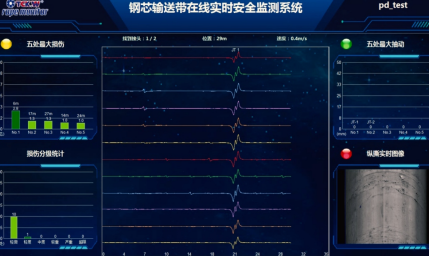
Conveyor Belt Intelligent Monitoring System
LUO YANG WIRE ROPE INSPECTION TECHNOLOGY CO., LTD.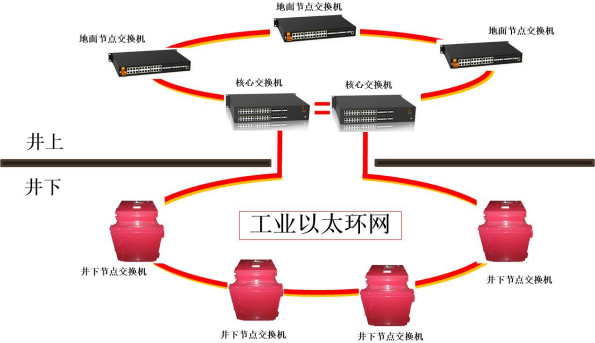
Mine Explosion-proof and Intrinsically Safe Industrial Ethernet Ring Network (10 Gigabit/Gigabit)
Chongqing Mas Sci&Tech Co., Ltd.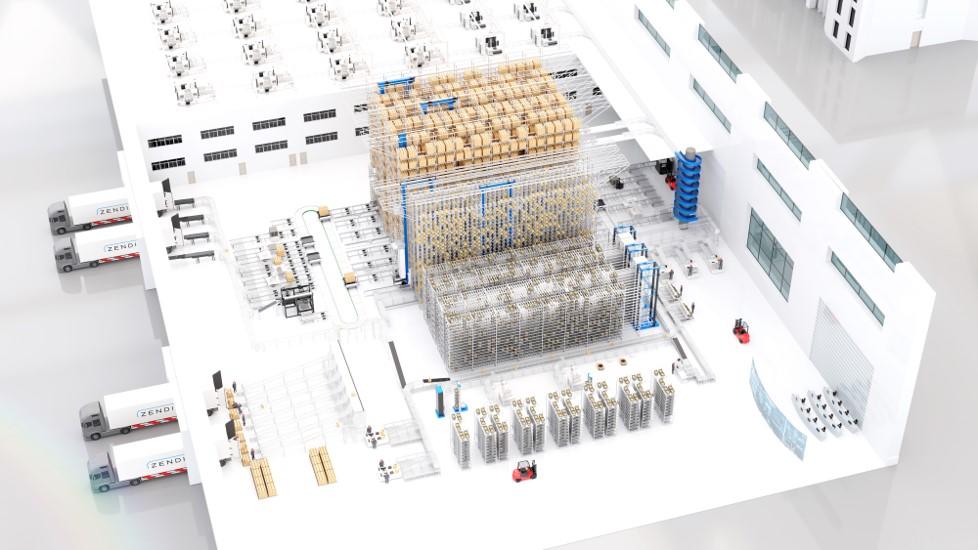
One-Stop Steward Service for the Entire Logistics System Integration Chain
Zhongding Intelligent (Wuxi) Technology Co., Ltd.