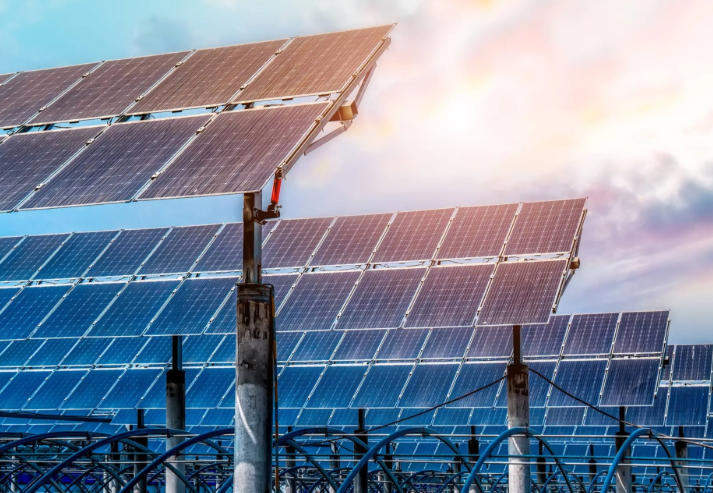
Two Million Solar Panels at Nevada's Gemini Solar Project Alter Desert Microclimate
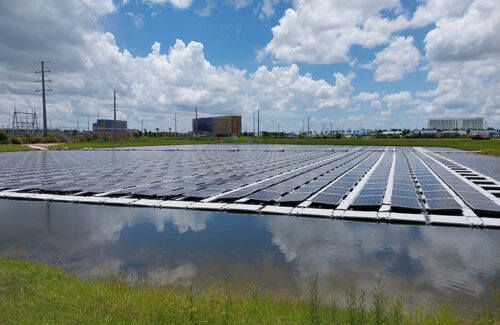
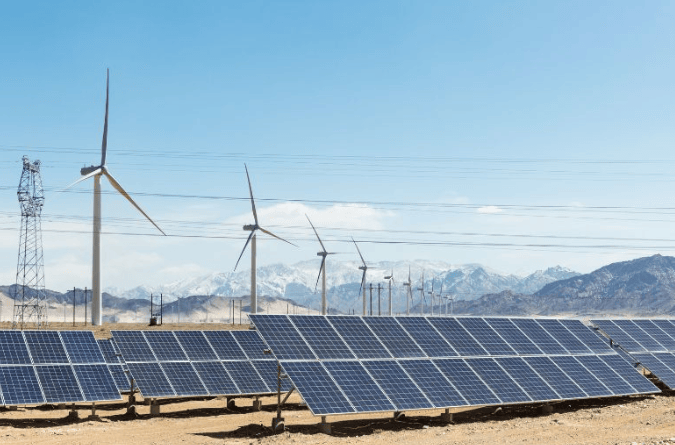
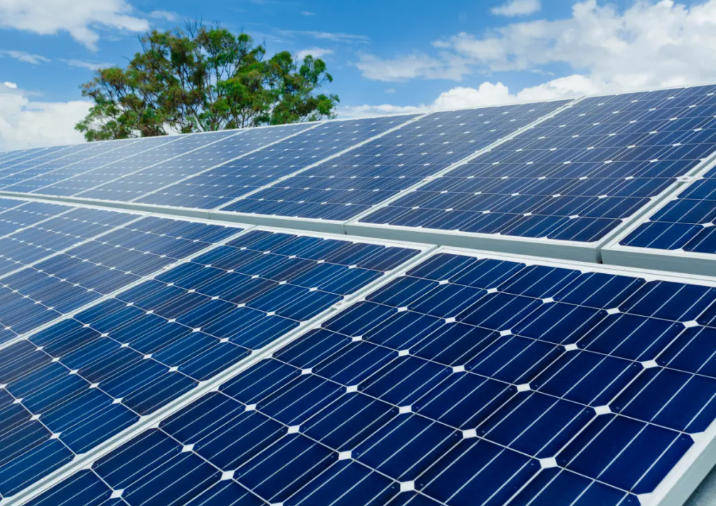
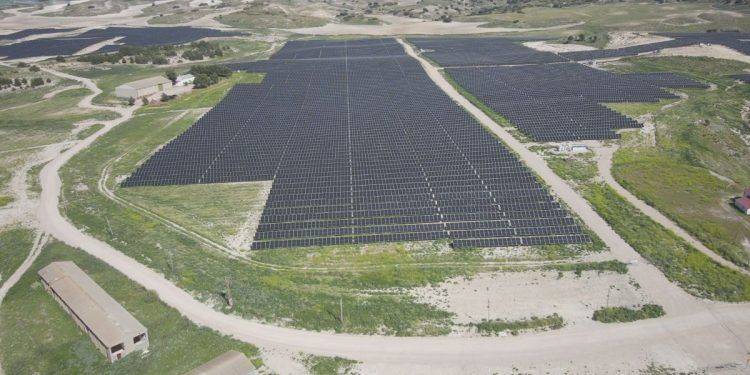
en.Wedoany.com Reported - A new study by the United States Geological Survey (USGS) shows that the Gemini Solar Project near Las Vegas, Nevada, is altering the microclimate and soil environment of the desert where it is located. This research has given rise to a concept called "ecovoltaics," which posits that solar panels can beneficially modify the space they occupy, rather than necessarily disrupting desert ecosystems.
Global electricity demand has grown at a record pace over the past decade. Data from the International Energy Agency (IEA) indicates that global electricity consumption is expected to exceed 29,000 terawatt-hours, driven primarily by the expansion of artificial intelligence data centers, electrification, and rapid industrialization. Although solar deployment has reached record levels (with 605 gigawatts of new capacity added globally), the growth of green energy still lags behind the surge in consumption, widening the energy gap and forcing operators to rely on fossil fuels to fill the shortfall, which directly increases carbon emissions.
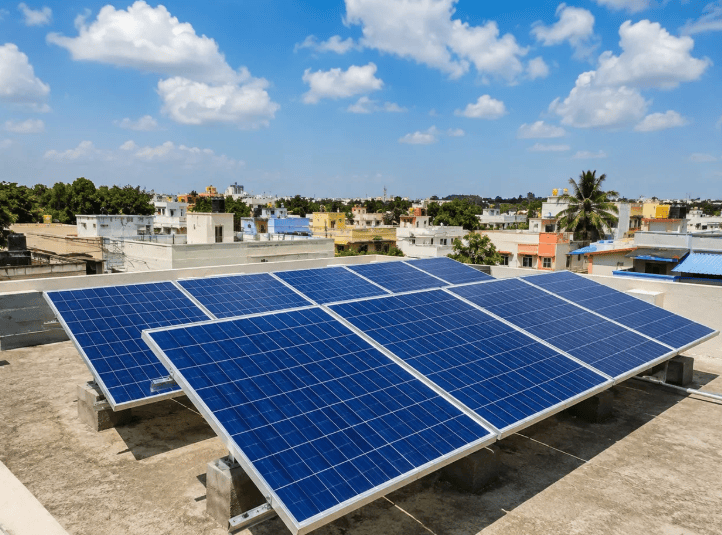
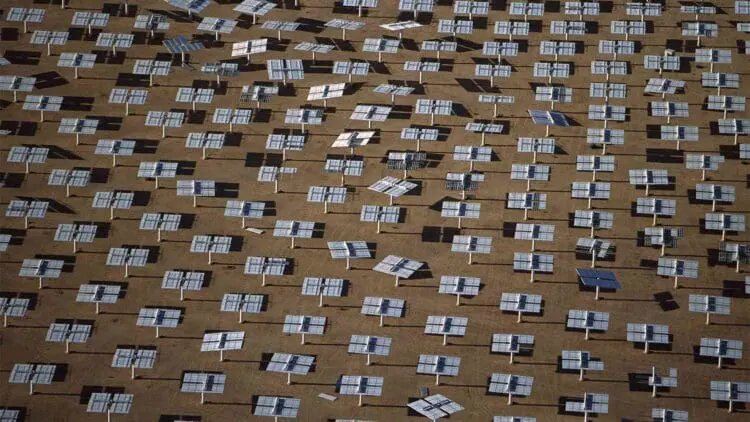
Utility-scale solar power plants require vast tracts of land, often competing with farmers for fertile farmland, impacting food production and native ecosystems, leading to opposition from local communities and land-use restrictions. To overcome these obstacles, the industry has begun turning to desert regions. For the Gemini Solar Project, a landmark project featuring two million solar panels, the research team analyzed behavioral differences in the open spaces between panels compared to undisturbed desert land. The study was published in the Journal of Environmental Management under the title "Ecovoltaic solar energy development effects on microclimate, temperature, and soil moisture in panel array interspaces in a warm desert."
The results show that the panels act as a protective barrier for the ground: they reduce wind speed and block intense direct solar radiation from reaching the ground surface, thereby decreasing evaporation and allowing the soil to retain higher moisture levels. Temperature patterns also changed, with morning and evening shadows lowering daytime soil surface temperatures, while deeper soil layers remained slightly warmer and more stable, helping to protect native seeds and underground microbial networks. The project demonstrates that engineering can adapt to the environment by preserving natural terrain and managing microclimates, providing a reference model for large-scale solar development in other desert regions.
This article is compiled by Wedoany. All AI citations must indicate the source as "Wedoany". If there is any infringement or other issues, please notify us promptly, and we will modify or delete it accordingly. Email: news@wedoany.com
Related Products

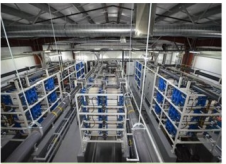
Perfluorinated Ionic Membrane-CM-10N Series Membrane
Guizhou Juneng Century Technology Co., Ltd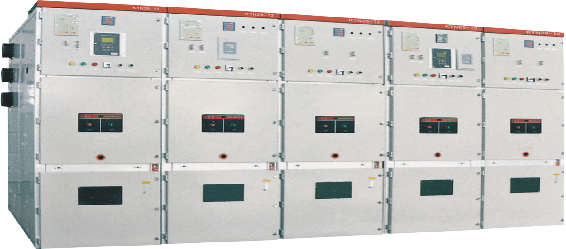
KYN28-12/24 Indoor High-Voltage Metal-Clad Removable Switchgear
Shenzhen Zhaoyang Hui Technology Co., Ltd.
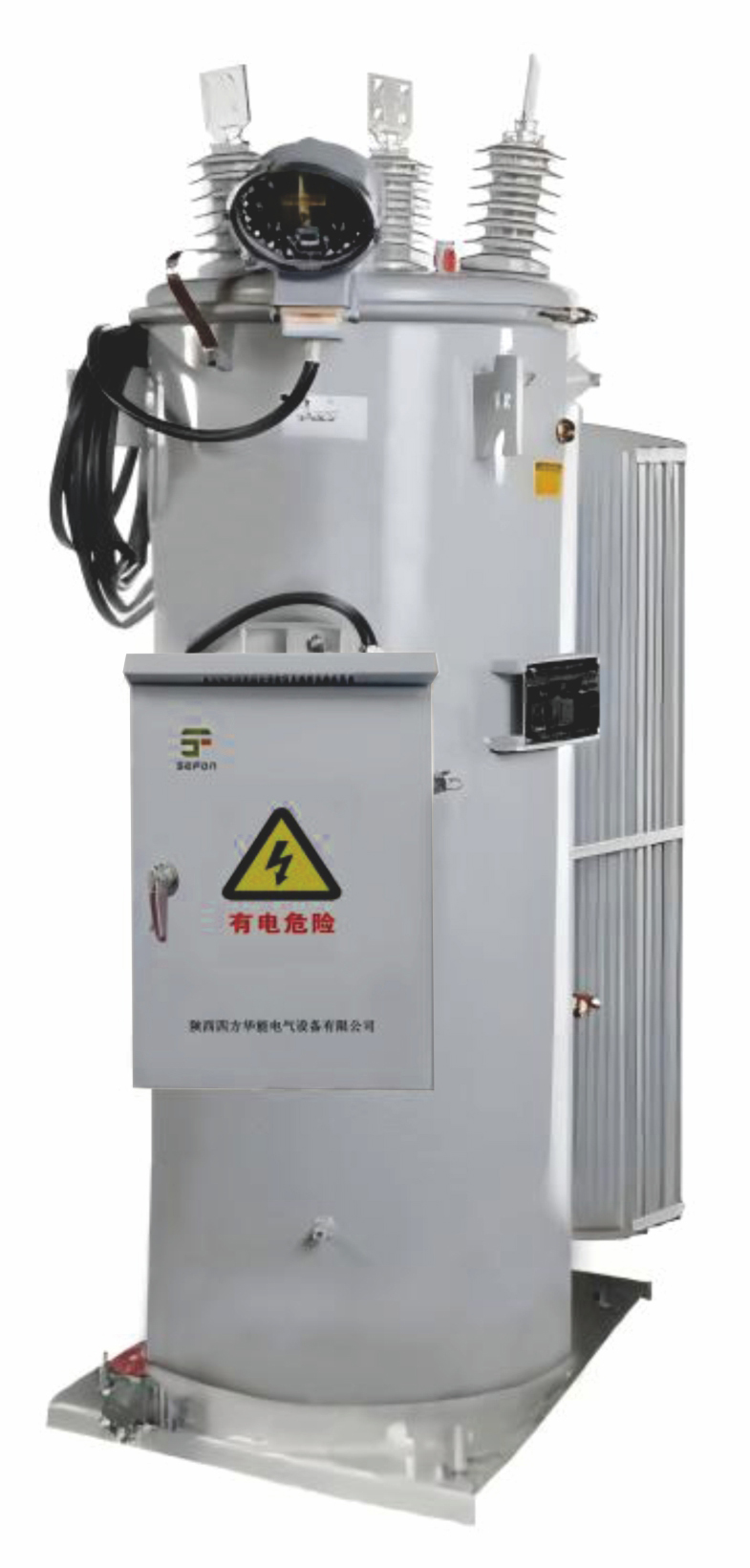
Single-Phase Automatic Voltage Regulator(AVR)
Shaanxi Sefon Electrical Equipment Co.,Ltd.

Forest and Grassland Heat Source Infrared Monitor
China Huayun Meteorological Technology Group Co., Ltd.
Ultrasonic Wind Speed and Direction Instrument
Kingmach Measurement & Monitoring Technology Co., Ltd.