Solar, Storage, and EV Charging Require Coordinated Site-Level Control
en.Wedoany.com Reported - The expansion of electric company fleets, logistics vehicles, employee charging, and public charging facilities is creating new electrical demand at industrial and commercial sites.
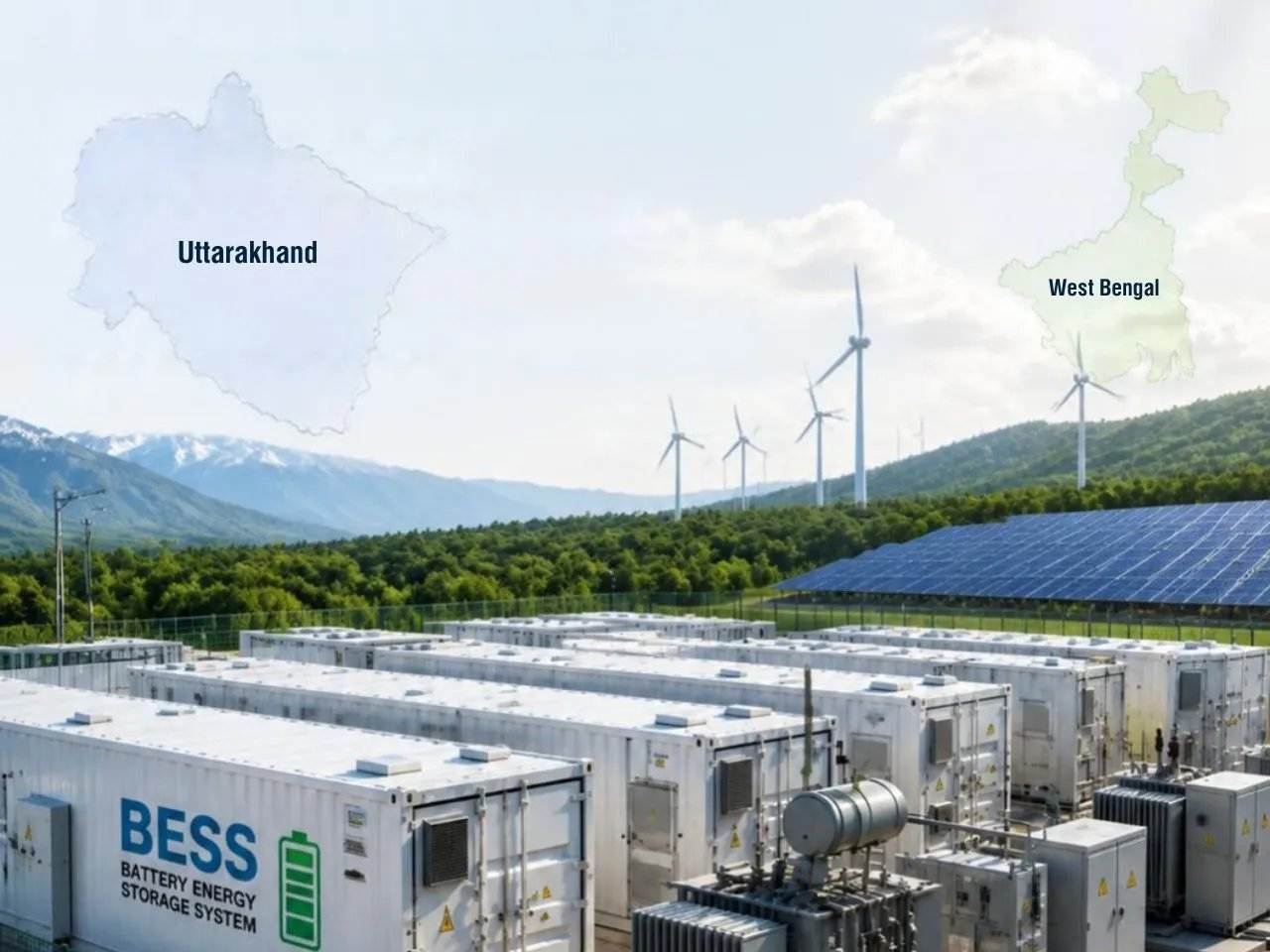
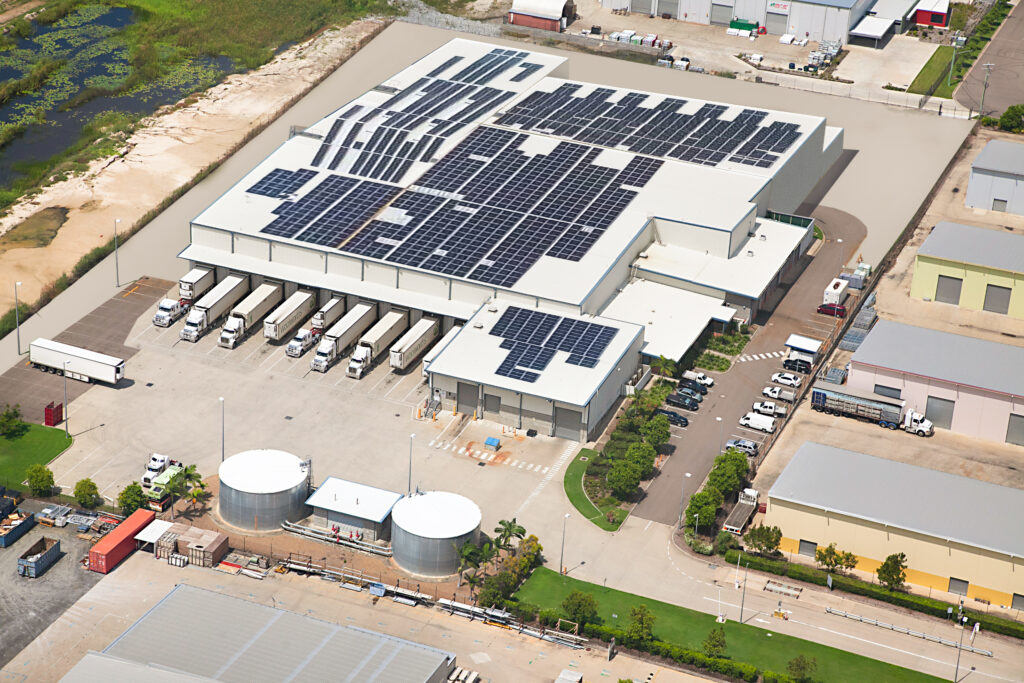
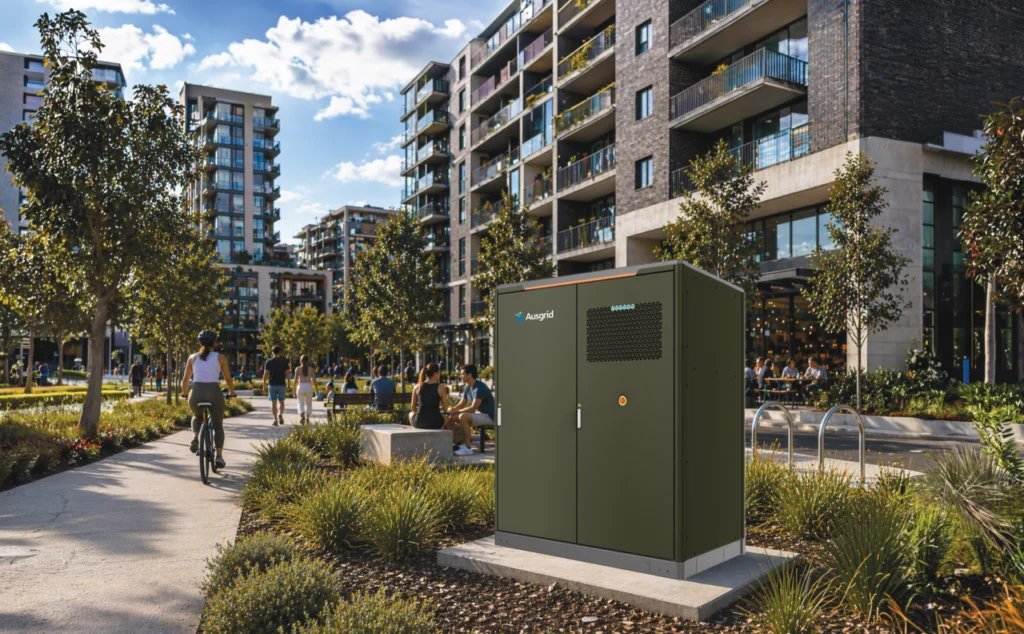
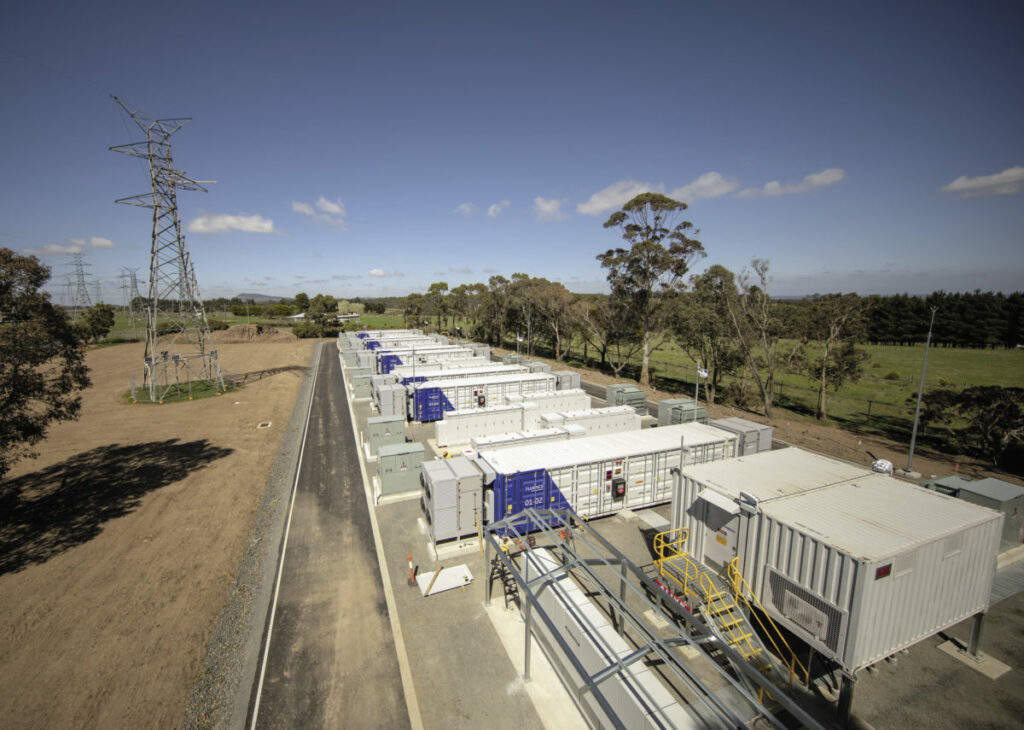
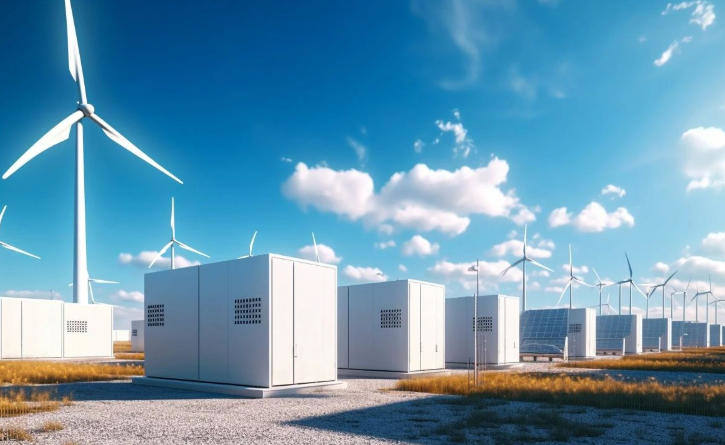
Commercial and Industrial Energy Storage can work with onsite photovoltaic generation and managed charging to reduce short-duration demand peaks and improve the use of existing distribution capacity.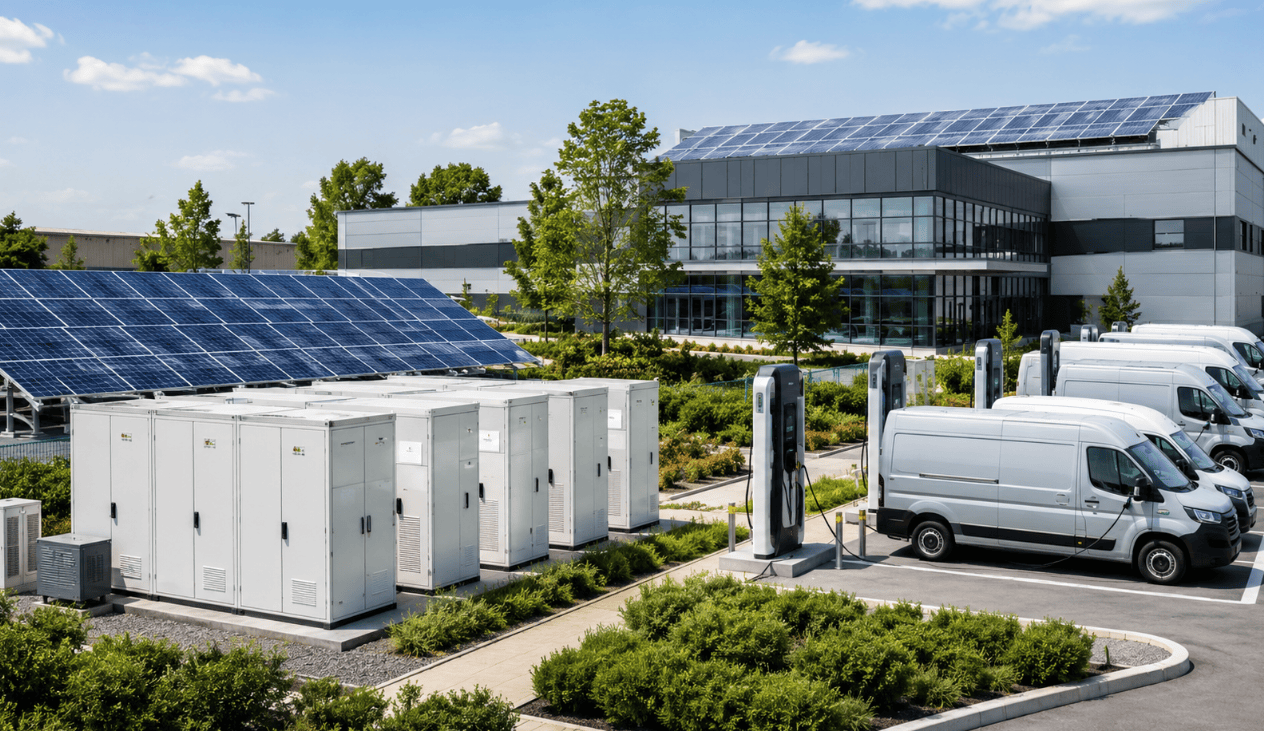
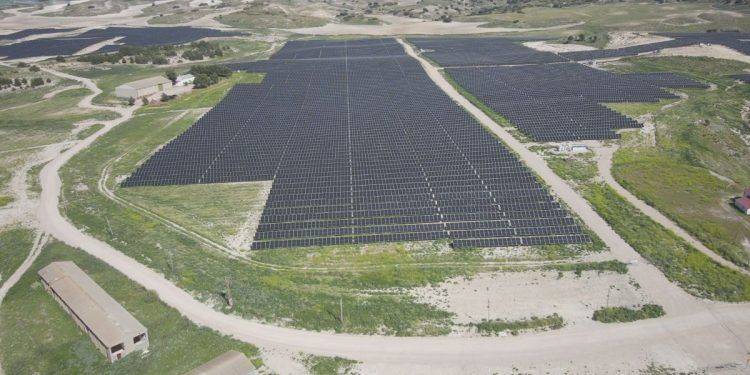
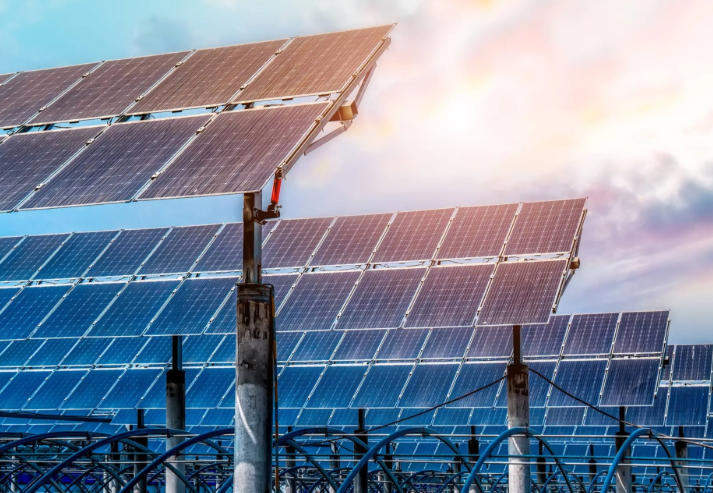
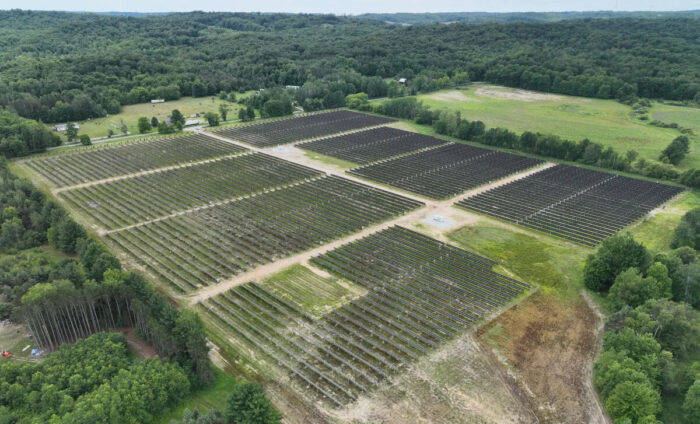
During periods of high solar production, photovoltaic energy can supply facility loads and vehicle charging. Surplus production may charge the battery for use when charging demand rises or solar output falls.
The battery can also provide power when the combined charging and production load approaches the transformer or utility interconnection limit. This may reduce short-duration capacity pressure, but storage should not be treated as a permanent replacement for fundamentally insufficient electrical infrastructure.
Vehicle behaviour is a central design input. Employee cars may remain onsite for many hours and can charge flexibly. Logistics vehicles may require high power during a short turnaround period.
Managed charging can allocate available power according to vehicle departure time, battery state, charging priority, facility demand, and local generation. Storage then addresses the residual peak that cannot be removed through charging control alone.
Battery power should reflect the expected charging shortfall. Battery energy should reflect how long that shortfall continues. Efficiency, reserve requirements, degradation, and simultaneous site services should also be included.
Solar and storage schedules must be coordinated. A battery that is fully charged before midday may be unable to absorb surplus photovoltaic energy. A battery intentionally kept empty for solar charging may be unable to support an earlier charging or production peak.
During a utility outage, the control system should prioritize critical facility loads. Vehicle charging may be reduced or disconnected unless fleet mobility is itself part of the emergency plan.
Site-level energy management can also prepare the facility for demand response or aggregation. The amount of flexibility offered externally should remain within transformer limits, battery operating limits, vehicle requirements, and local resilience priorities.
A solar-storage-charging project creates value only when the three systems operate under one coordinated strategy. Equipment co-location without integrated forecasting and control does not automatically reduce peak demand or defer electrical upgrades.
This article is compiled by Wedoany. All AI citations must indicate the source as "Wedoany". If there is any infringement or other issues, please notify us promptly, and we will modify or delete it accordingly. Email: news@wedoany.com
Related Products


Off-Grid Fuel Cell Supercharging Station (180kW Configuration)
Shanghai REFIRE Group Limited
HI-Pro Green Hydrogen High-efficiency Production System-HI-PRO-AEM
Hydrizon Technology (Beijing) Co., Ltd.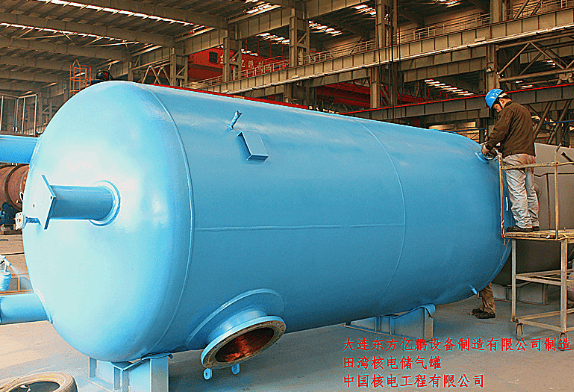
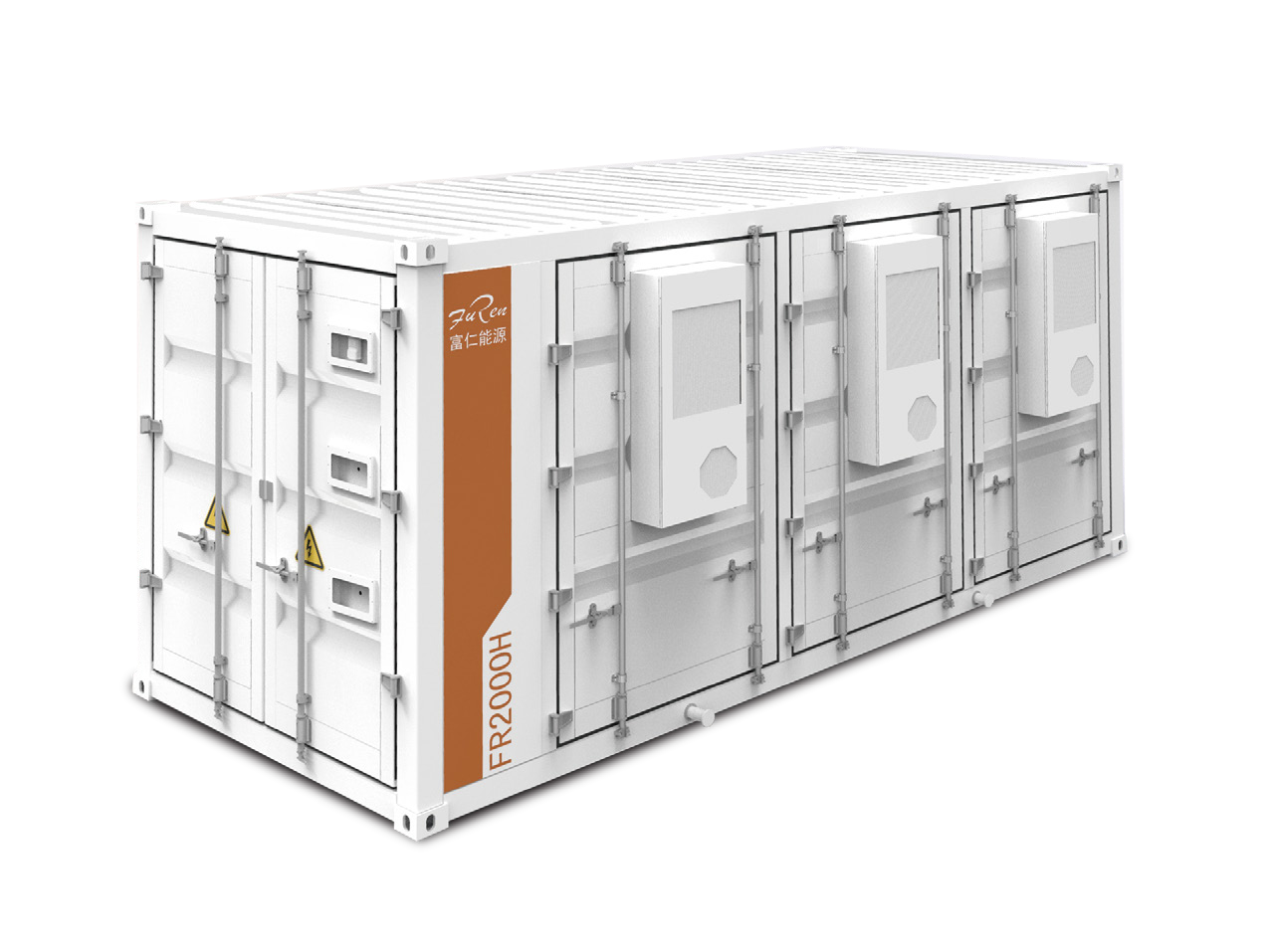
FR2000H 2.15MWh (Air-cooled) 20-foot Containerized Energy Storage System
Jiangyin Furen High-tech Co., Ltd.
714CD Series C-Band Weather Radar
Chengdu Zhongdian Jinjiang Information Industry Co., Ltd.
Perfluorinated Ionic Membrane-CM-10N Series Membrane
Guizhou Juneng Century Technology Co., Ltd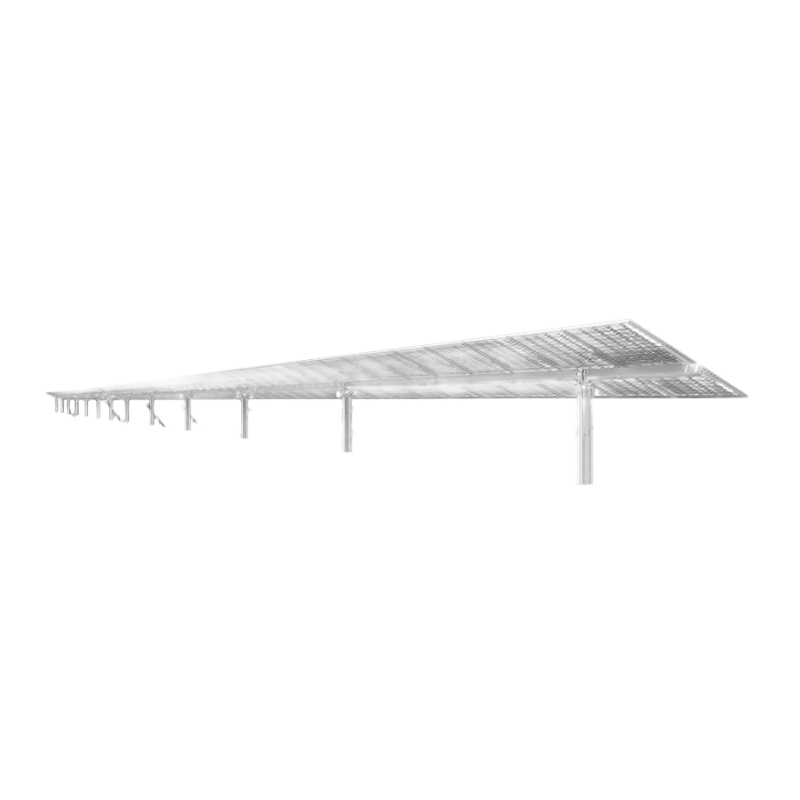
TAI Slew-drive Single-axis Independent 1P Tracking Bracket System
ANTAI TECHNOLOGY CO., LTD.
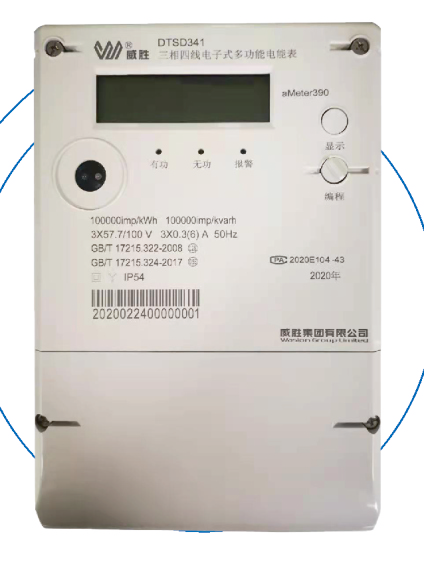
Overseas IEC Gateway Energy Meter - DTSD341/DSSD331-aMeter390
Wasion Group Limited Co., Ltd.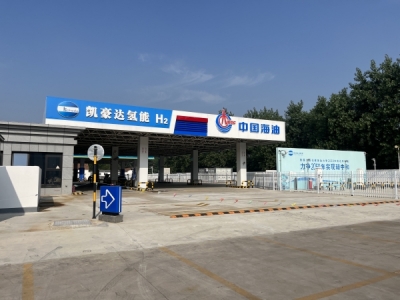
Hydrogen production and hydrogenation charging refueling gas integrated energy station
Shenzhen Kohodo Hydrogen Energy Co., Ltd.