Can Commercial and Industrial Batteries Replace Diesel Backup?
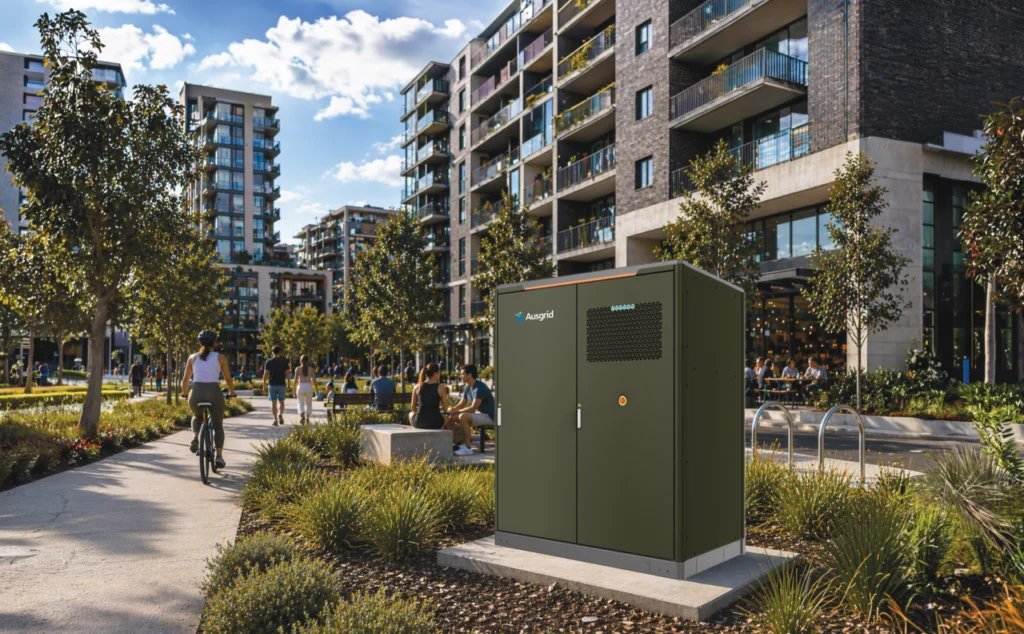
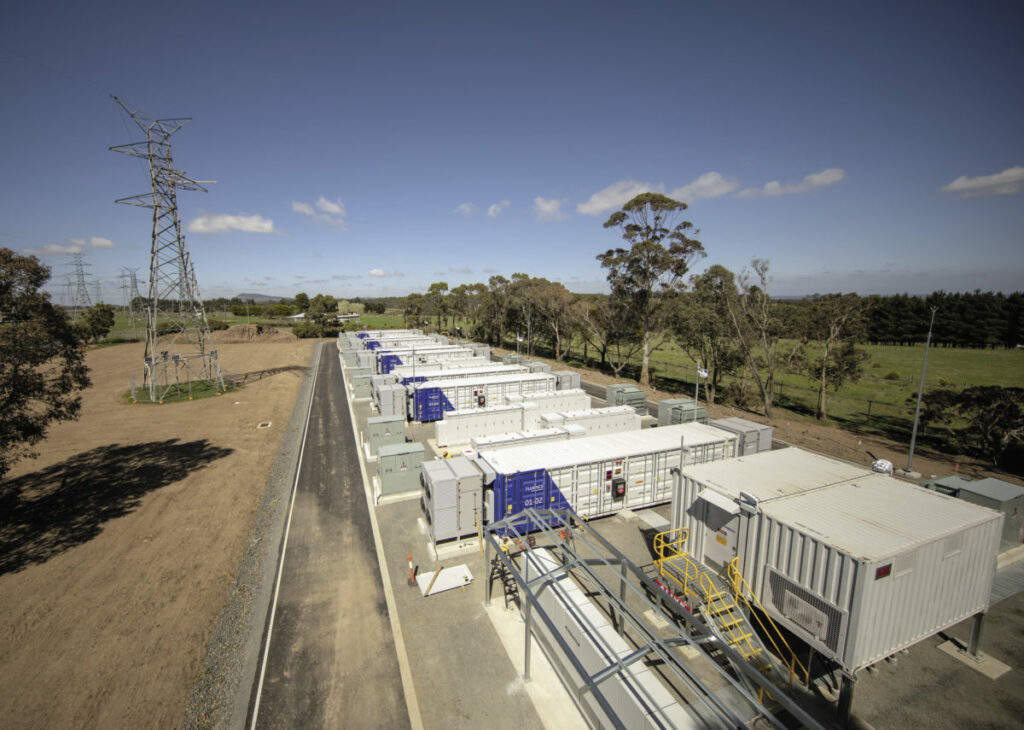
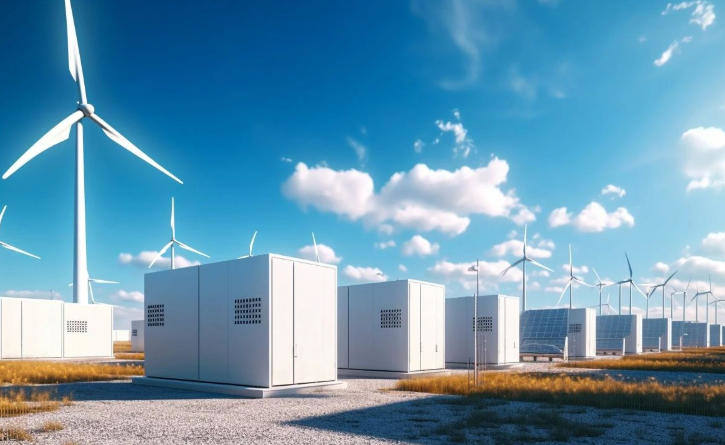
en.Wedoany.com Reported - Battery systems are increasingly expected to provide backup power for factories, cold-storage facilities, data infrastructure, healthcare-related buildings, and commercial campuses.
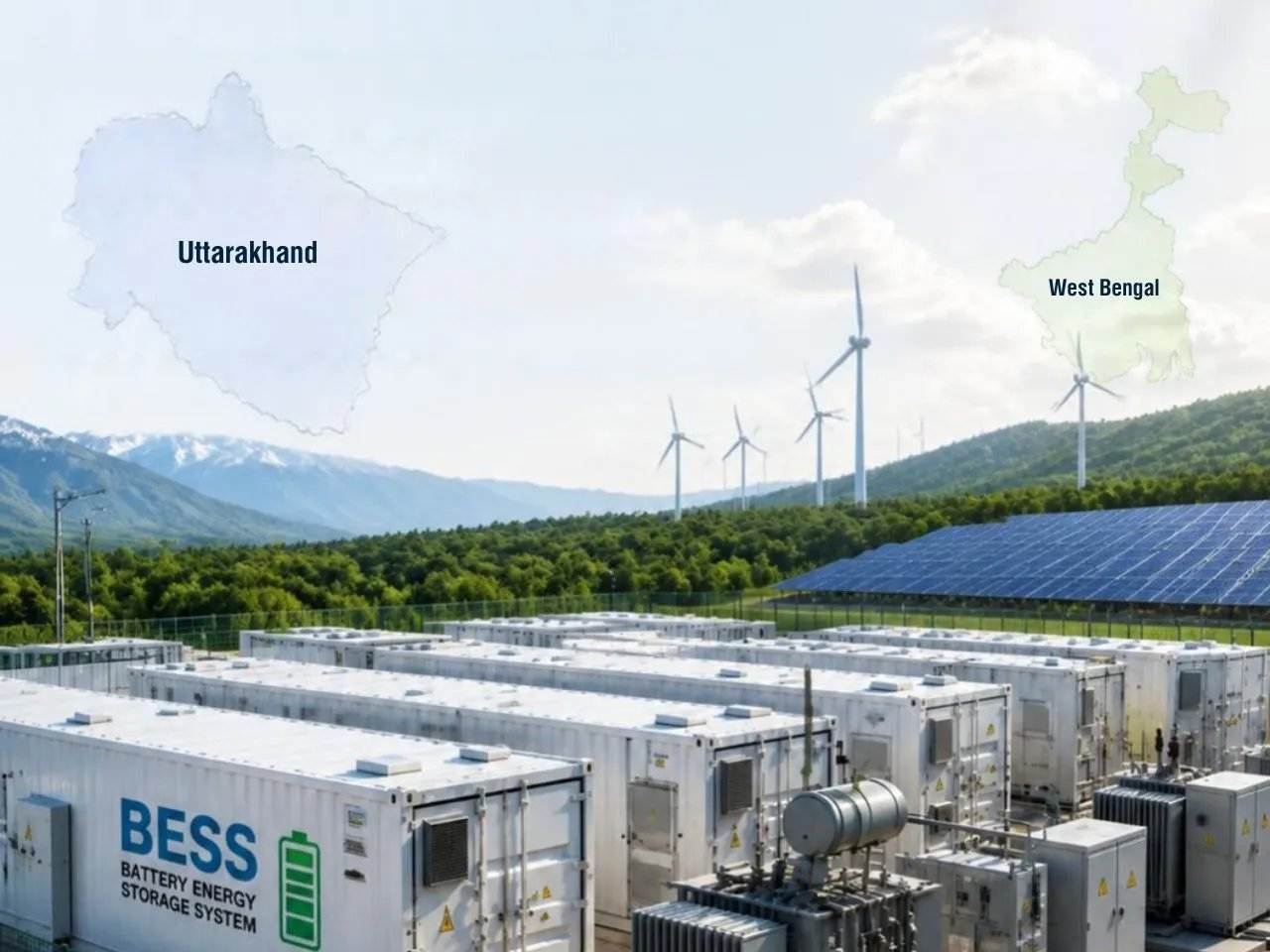
Whether Commercial and Industrial Energy Storage can replace a diesel generator depends on outage duration, critical-load requirements, motor starting, available renewable generation, and the required level of resilience.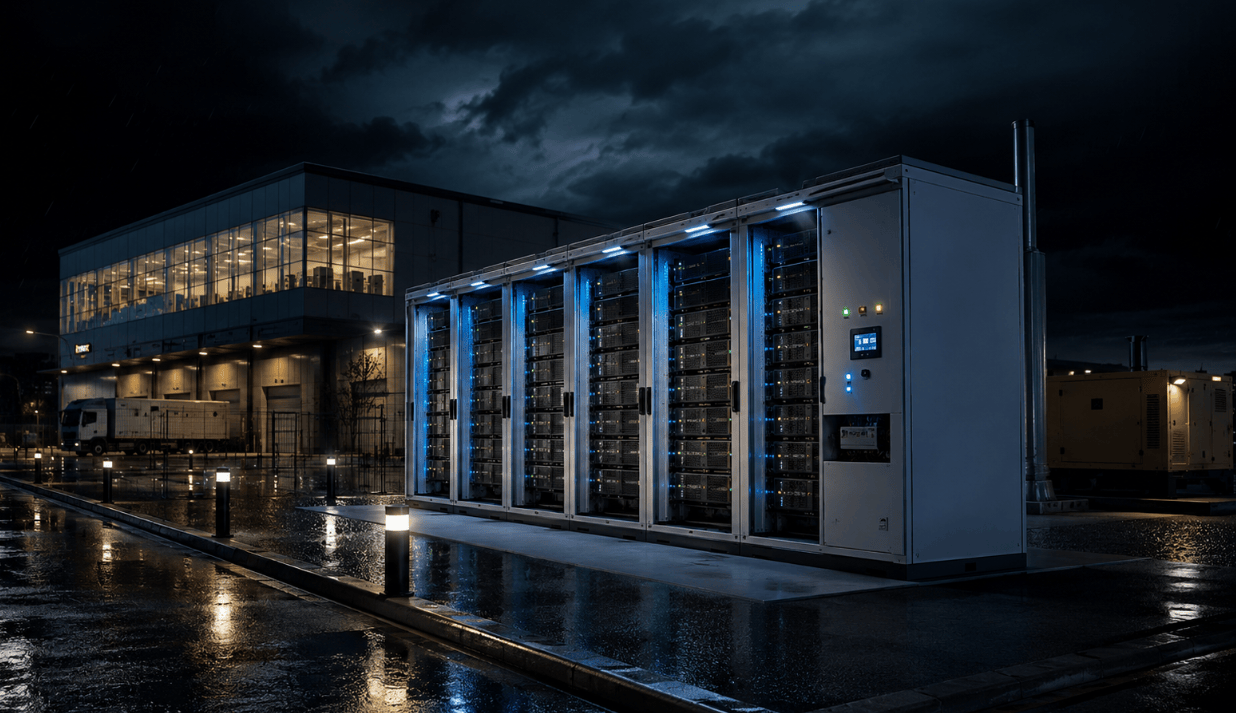
Batteries offer very fast response. When the utility supply fails, a properly designed power-conversion system can support selected loads while other generation resources are starting.
This response is valuable for controls, communications, lighting, cooling, and processes that cannot tolerate a long transfer delay. However, a battery contains a limited amount of energy.
Short outages may be covered entirely by storage. Longer outages require sufficient battery duration or additional energy from photovoltaic generation, engine generators, or other onsite resources.
Load classification is therefore the first design step. Life-safety, fire protection, communications, process controls, refrigeration, and selected production equipment may receive priority. Nonessential charging, comfort loads, and deferrable processes can be disconnected.
Serving only the critical load can reduce the required battery power and energy substantially compared with attempting to operate the entire facility.
Motor starting and transformer energization must also be evaluated. Pumps, compressors, chillers, and fans may require short-duration power above their normal operating demand. The inverter must maintain voltage and frequency during these transitions.
Backup duration should not be based only on average historical outages. Severe weather, equipment repair, transmission damage, and fuel disruption can create longer events.
Diesel generators provide sustained energy and can be refuelled, but they introduce starting delay, emissions, noise, low-load inefficiency, and maintenance. A hybrid design can use the battery for immediate response and variable load while the generator provides longer-duration energy.
Storage can also create daily value through peak management and photovoltaic utilization. The control system must preserve sufficient emergency state of charge rather than using all available energy for economic dispatch.
The correct question is not whether batteries always replace diesel generators. It is which combination of battery duration, renewable generation, dispatchable generation, and load management delivers the required resilience at an acceptable lifecycle cost.
This article is compiled by Wedoany. All AI citations must indicate the source as "Wedoany". If there is any infringement or other issues, please notify us promptly, and we will modify or delete it accordingly. Email: news@wedoany.com