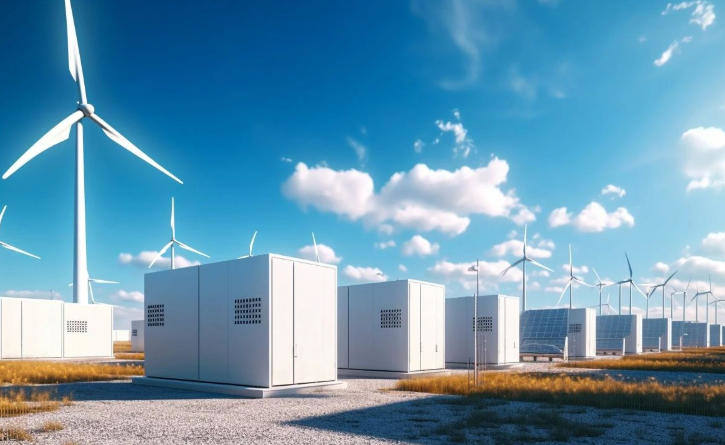
Safety Management for Commercial and Industrial Battery Storage
en.Wedoany.com Reported - Commercial battery systems are frequently installed close to factories, warehouses, offices, production equipment, and occupied facilities. Safety cannot therefore be assessed only by checking whether the battery cells have passed an individual product test.
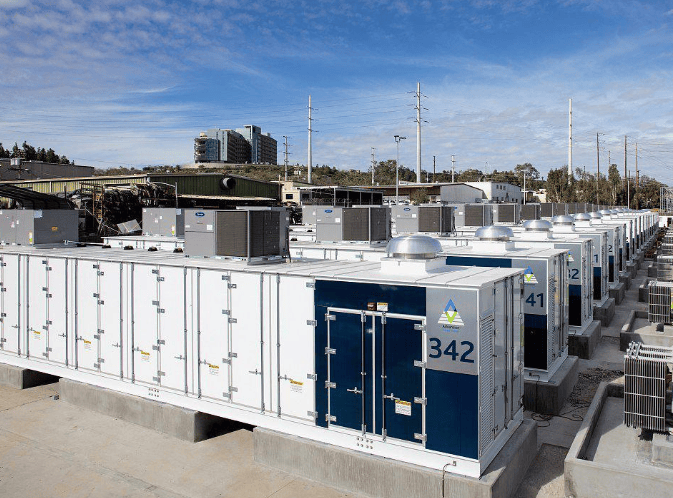
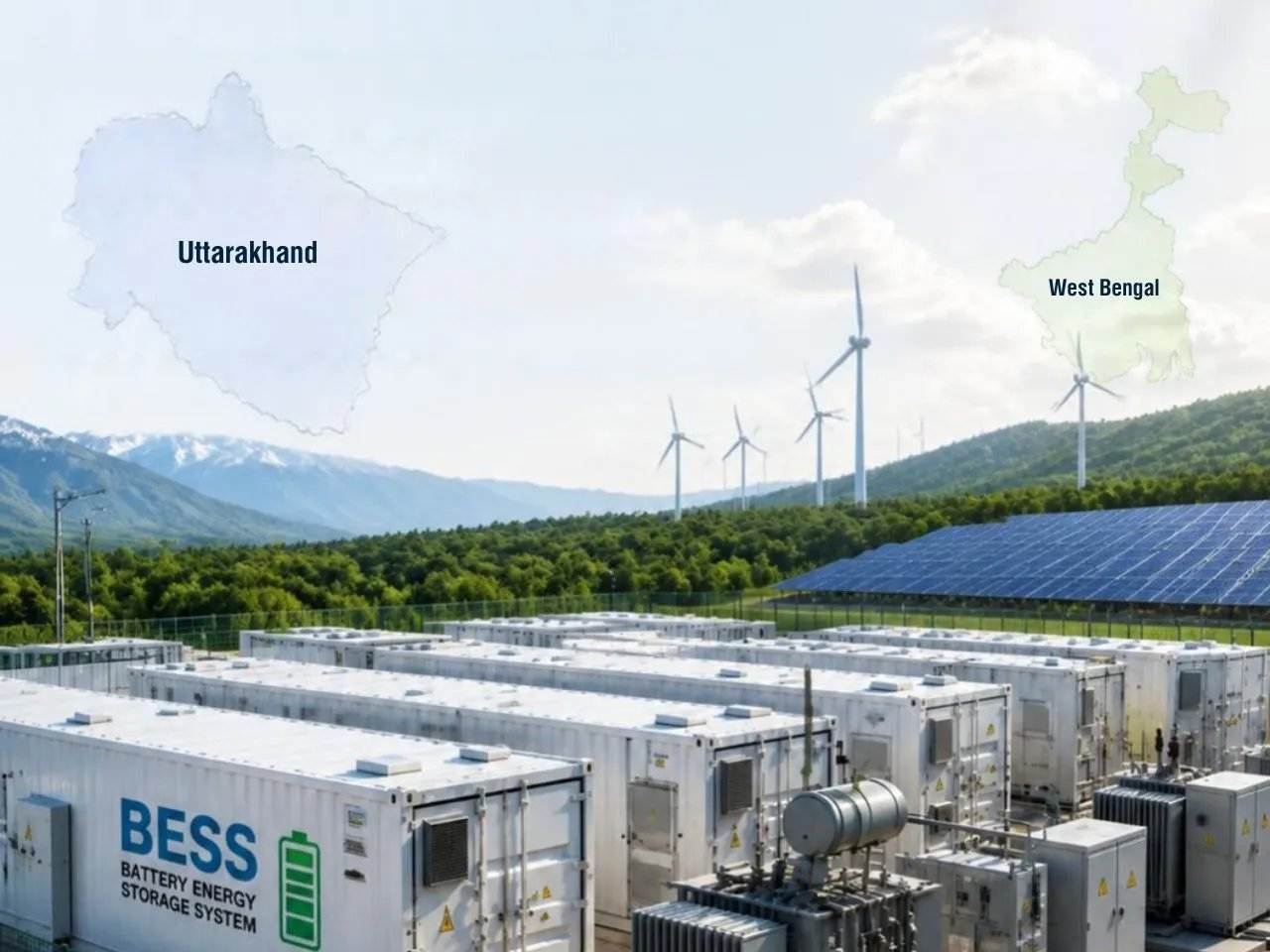
Commercial and Industrial Energy Storage combines cells, modules, racks, battery management, power conversion, thermal management, fire protection, communications, and energy management into one operating system.
Thermal runaway is a major lithium-ion battery hazard. Internal defects, external short circuits, overcharge, overheating, or mechanical damage may initiate reactions that generate additional heat and combustible gases.
If thermal isolation and system design are inadequate, a failure can spread from one cell to neighbouring cells, modules, racks, or enclosures.
The battery management system should monitor cell voltage, temperature, current, state of charge, insulation condition, and communications. It should restrict operation or isolate the battery when defined safety limits are exceeded.
Thermal management affects both safety and degradation. Cooling systems should maintain acceptable conditions during high ambient temperature, full-power operation, and selected equipment failures.
Fire-safety assessment should consider the actual battery technology and system configuration. Thermal-runaway propagation testing can provide information about heat release, gas generation, ignition, propagation, and the potential effect on neighbouring equipment.
Detection alone is not sufficient. The system requires defined shutdown, isolation, ventilation, alarm, and emergency-response actions after smoke, gas, temperature, pressure, or electrical abnormalities are detected.
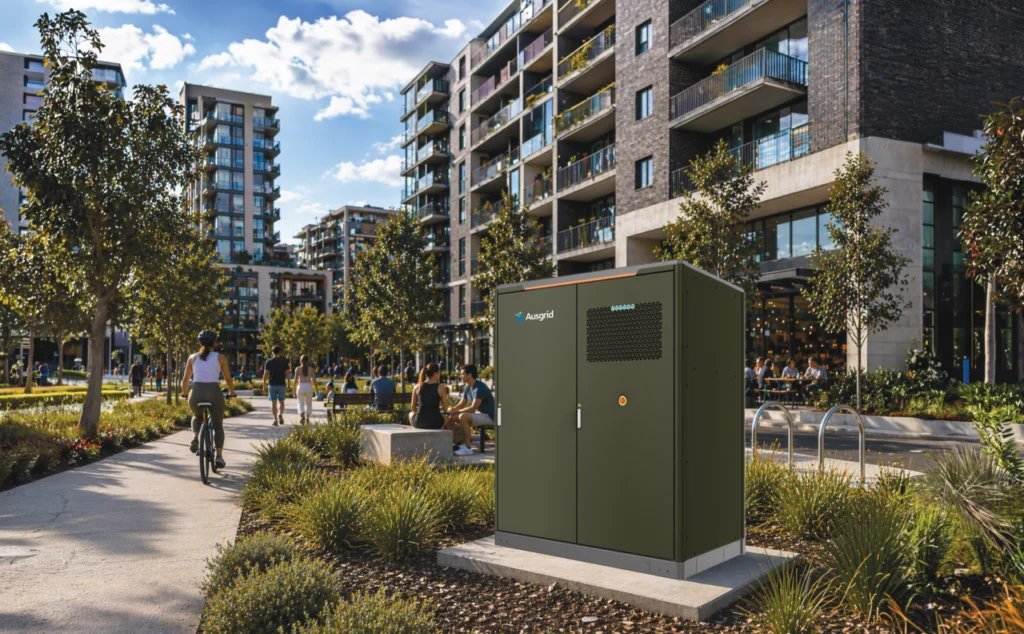
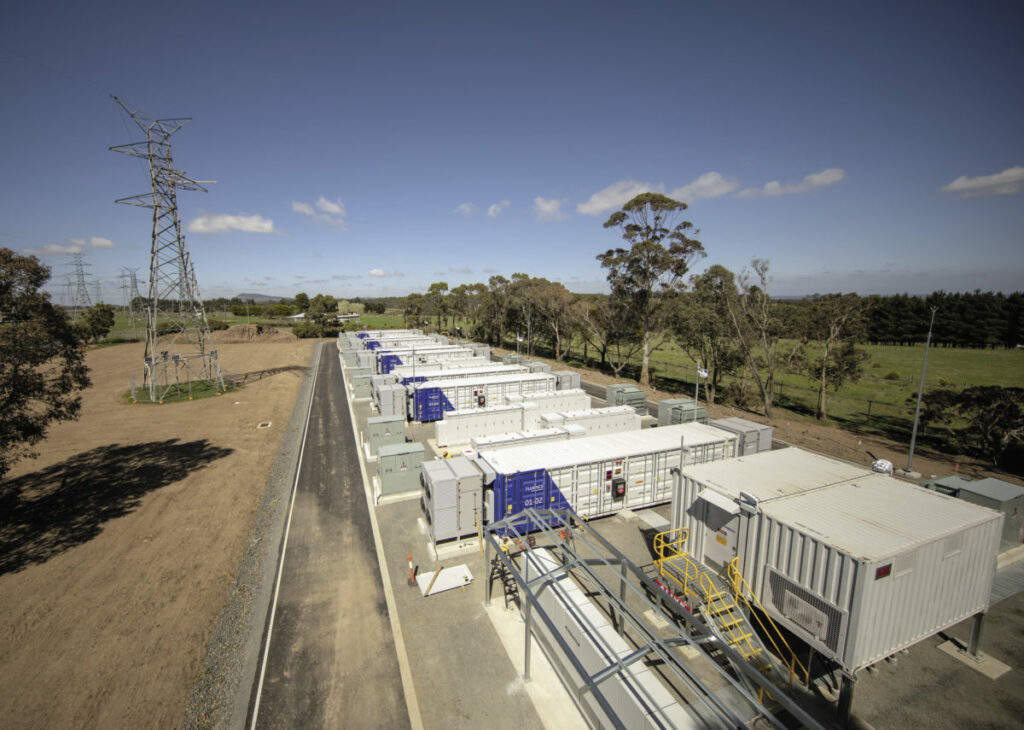
Equipment spacing and location must reflect the installation. Indoor battery rooms, outdoor cabinets, and containerized systems have different ventilation, fire-service access, drainage, and evacuation requirements.
Facility operators should provide emergency personnel with system-location drawings, battery information, electrical isolation points, emergency-stop procedures, and relevant response documentation.
Long-term maintenance should review cell imbalance, capacity degradation, connection temperature, insulation condition, cooling performance, sensor calibration, and fire-protection readiness.
Cybersecurity and software configuration also affect safety. Unauthorized changes to state-of-charge limits, power commands, or protective settings can move the system outside its intended operating boundary.
Battery safety is a continuous lifecycle responsibility covering engineering, certification, installation, commissioning, operation, incident response, and decommissioning. Economic operation should never bypass the protection and reserve limits required for safe service.
This article is compiled by Wedoany. All AI citations must indicate the source as "Wedoany". If there is any infringement or other issues, please notify us promptly, and we will modify or delete it accordingly. Email: news@wedoany.com
Related Products



Standard Nozzle Flowmeter
Jinggong Automatic Control Instrument Complete Technology Development Company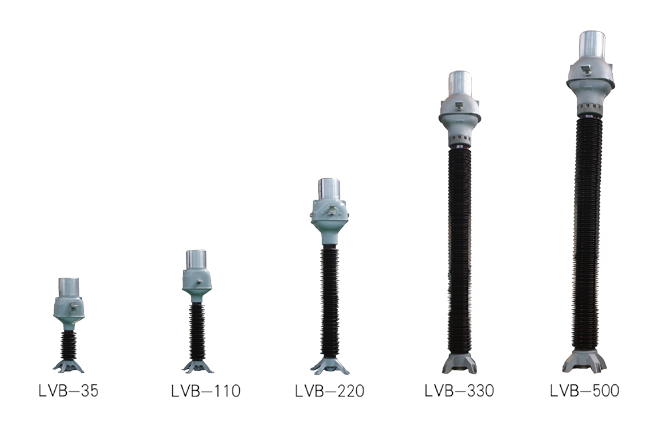
LVB Series 35-500kV Oil-immersed Inverted Current Transformer
Shandong Taikai Instrument Transformer Co., Ltd.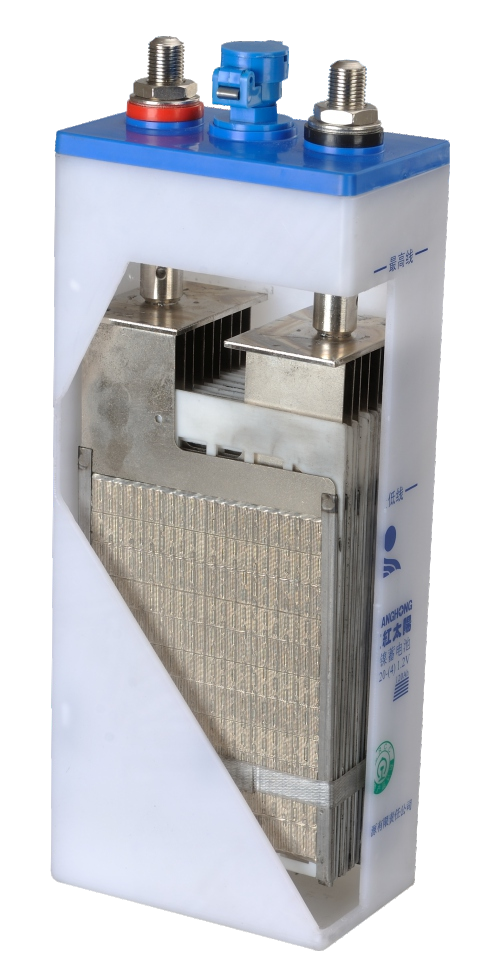
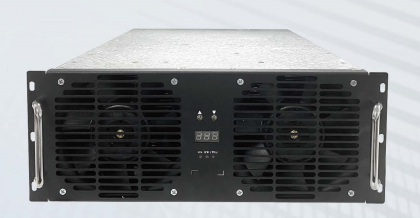
80kW Megawatt Supercharging Module TH80F10030C9
Shijiazhuang Tonhe Electronics Technologies Co., Ltd.
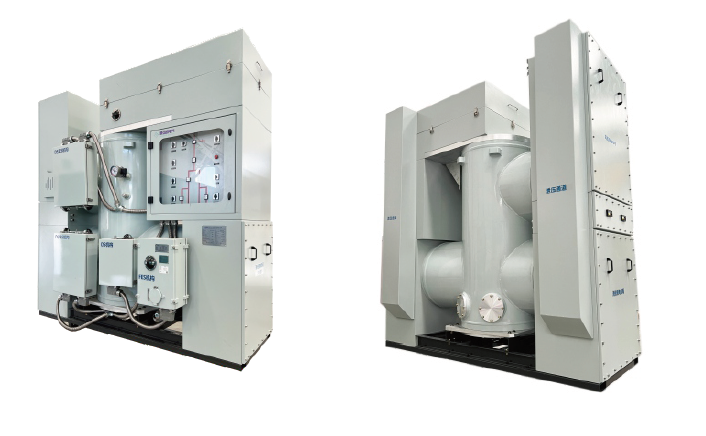
72.5kV 1250A 31.5kA SF6 free Gas-insulated Metal-enclosed Switchgear
Zhejiang Juhonkia Intelligent Electric Co., Ltd.
Electromagnetic Fluid Seawater Floating Oil Separation and Recover Equipment
Huate Magnet Group Co., Ltd.
Double-slide Triple-sealed Hot Air Isolation Door
Xi'an Yingchuan Electric Power Equipment Co., Ltd.
KYN28-12/24 Indoor High-Voltage Metal-Clad Removable Switchgear
Shenzhen Zhaoyang Hui Technology Co., Ltd.