US-based Cogent sells 10 data centers for $225 million
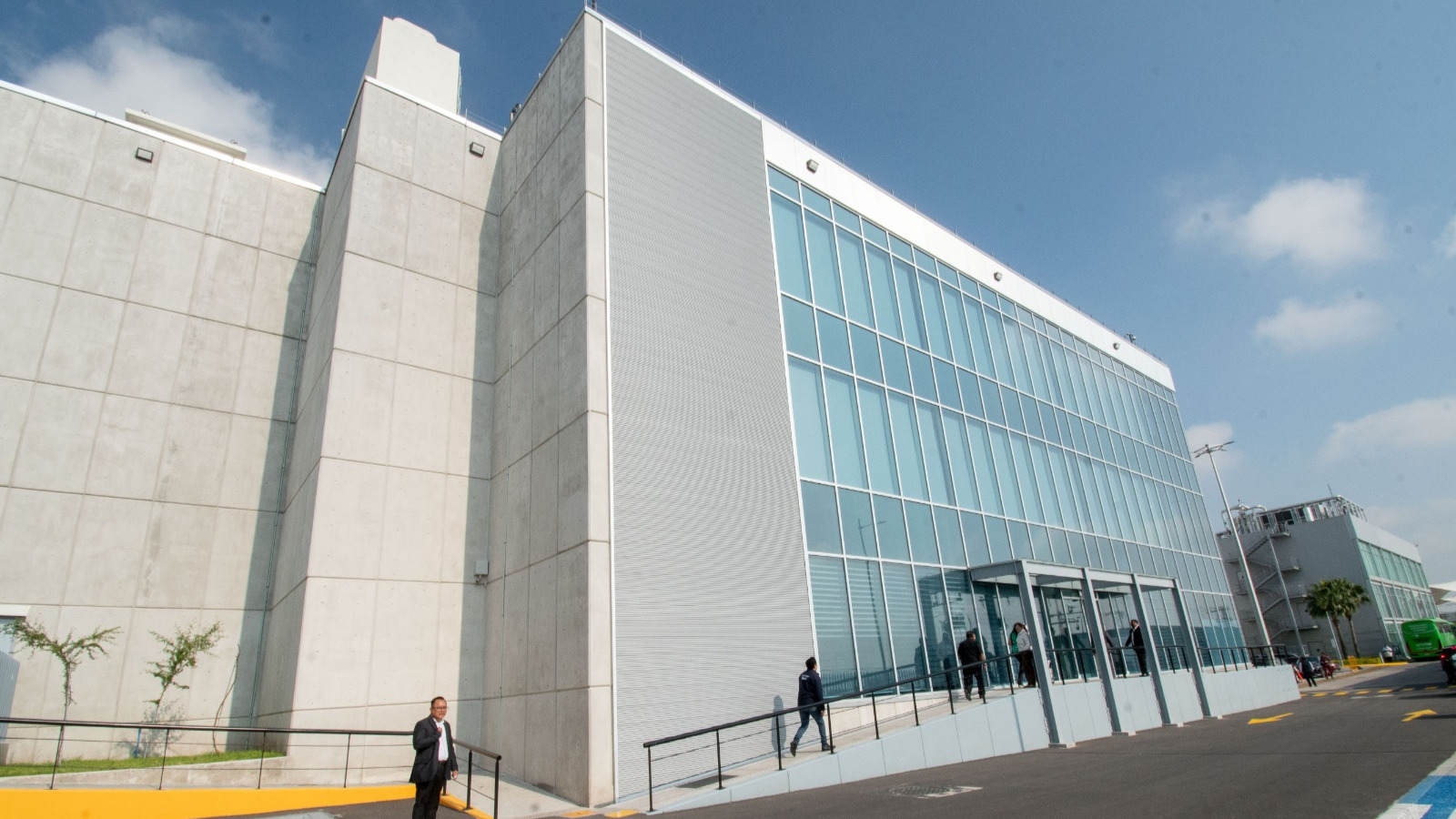
en.Wedoany.com Reported - On June 29, Cogent Communications, a US internet access and network service provider, announced that its indirect wholly-owned subsidiary, Cogent Fiber, has completed the sale of 10 data center facilities for a total consideration of $225 million in cash. The buyer is a newly established entity backed by infrastructure investment firm I Squared Capital. The transaction was previously finalized in a definitive agreement signed in May, and this announcement marks the completion of asset delivery. Following the sale, Cogent will monetize part of its data center assets and continue to focus its business on high-speed internet access, dedicated network services, fiber optic networks, and enterprise connectivity services.
This transaction is not merely a disposal of facility assets. For Cogent, the data center sale allows it to recover cash, optimize its asset structure, and reduce the capital and management resources consumed by non-core facility operations.
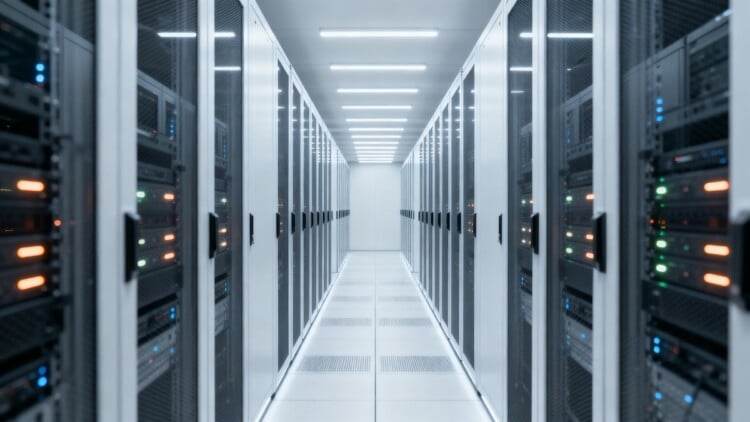
The buyer, I Squared Capital, will use these 10 data centers as a starting point for an AI inference and edge hosting platform in the US. I Squared Capital previously noted that these assets are distributed across nine US markets, with a combined power capacity of approximately 53 megawatts and about 259,000 square feet of hosting space, covering regions such as Chicago, Atlanta, and Houston. Unlike traditional centralized training clusters, AI inference demands emphasize proximity to users and network nodes, stable power supply, and low-latency connectivity. I Squared Capital plans to continue investing in facility upgrades, expansions, and subsequent acquisitions after the deal closes, integrating these data centers into an operational platform tailored for AI inference, edge computing, and hosting services.
The value of data center assets is being repriced by AI demand. Power capacity, network connectivity, and urban location have become key criteria for determining whether small and medium-sized data centers can support AI inference workloads.
Cogent itself is a facility-based network operator, primarily providing low-cost, high-speed internet access and dedicated network services across multiple global markets. After acquiring certain assets from Sprint, the company gained a portfolio of network and data center resources, subsequently undertaking asset restructuring. By selling these 10 data centers, Cogent can more concentratedly operate its all-optical IP network, enterprise bandwidth, wavelength services, and cross-regional connectivity business. For network operators, data centers that lack sufficient synergy with core network services can consume operational, maintenance, power, and upgrade capital; asset sales free up cash while retaining connectivity and transmission businesses more aligned with the company's long-term positioning.
This transaction also reflects the divergence in the US digital infrastructure market. Large cloud providers and AI training enterprises require hyperscale campuses, dedicated power, and massive GPU clusters, while AI inference, edge computing, enterprise hosting, and low-latency applications are better suited for distributed urban nodes. I Squared Capital's acquisition of Cogent's data centers targets precisely this type of distributed AI infrastructure opportunity. As AI applications enter areas such as customer service, search, industrial vision, financial risk control, enterprise office, and edge terminals, inference computing will increasingly occur closer to users and data sources. Data centers with advantages in power, network, and urban coverage will continue to attract infrastructure capital attention.
After the transaction closes, the focus will fall on two fronts: whether Cogent can use the sale proceeds to improve its financial structure, strengthen its network business, and enhance service profitability; and whether I Squared Capital can complete data center upgrades, transforming the original hosting assets into scalable platforms for AI inference and edge computing. The US data center market is currently influenced by power approvals, urban land use, cooling retrofits, network access, and customer contract cycles. The $225 million is merely the starting point for assets entering a new platform; the true industrial value will depend on subsequent expansion speed, customer onboarding capabilities, and the actual demand for AI inference workloads.
Related Products

TWP16 P-Band Tropospheric Wind Profile Radar
China Huayun Meteorological Technology Group Co., Ltd.

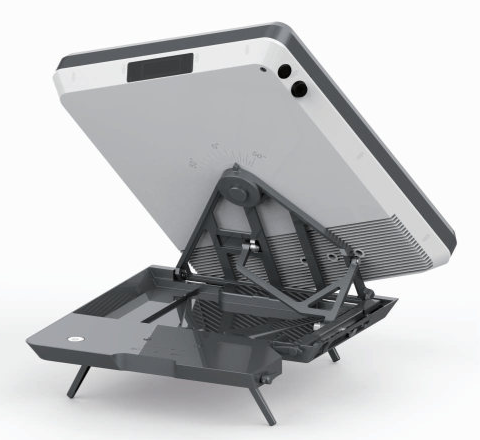
Flat Portable Satellite Terminal 0.35m Aperture Manual Portable Terminal
China Starwin Science & Technology Co., Ltd.
Comprehensive Mining Automation Control System
Beijing Tianma Intelligent Control Technology Co., Ltd.

MUX Series Communication Interface Device for Security and Stability Control System
Nanjing NR Electric Co., Ltd.