Côte d'Ivoire Signs Vocational and Technical Education Reform Agreement with French Tech Abidjan
en.Wedoany.com Reported - Côte d'Ivoire authorities last week signed a "Industrial-Technical and Vocational Education Pact" (PIETP) with French Tech Abidjan, aiming to involve startups in defining the skills needed by innovative enterprises, thereby bridging the gap between training provided by technical institutions and the demands of the rapidly expanding technology ecosystem.

Under the agreement, startups commit to promoting adjustments to training curricula to better align with digital career needs, particularly in data, artificial intelligence, and cybersecurity. The pact also clarifies the role of startups in modernizing teaching infrastructure, developing internships, work-study programs, and mentorship initiatives, as well as encouraging young women to enter the technology field. Additionally, the agreement establishes a permanent consultation framework between innovative enterprises and vocational training stakeholders.
The agreement was signed as Côte d'Ivoire works to strengthen human capital to implement its digital transformation strategy. In recent years, the country has introduced several measures to support innovation, including the enactment of the Startup Act in 2023, the construction of digital infrastructure, the gradual reduction of internet access costs, and the promotion of incubator development.
The growth of French Tech Abidjan reflects this trend. Founded in 2015 with just a few companies, the community now brings together 75 technology enterprises covering fintech, cloud services, cybersecurity, data, artificial intelligence, and educational technology, making it a key player in the country's digital innovation.
According to the International Finance Corporation (IFC), 230 million jobs in sub-Saharan Africa will require digital skills by 2030. By bridging the gap between training institutions and innovative enterprises, Côte d'Ivoire is attempting to anticipate labor market needs, where skilled talent in data, cybersecurity, artificial intelligence, and software development is most in demand.
Related Products







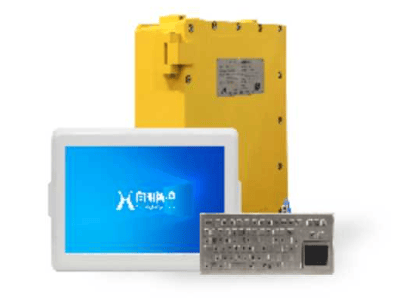
KJD127(A) Mining Explosion-Proof and Intrinsically Safe Computer
Taiyuan Xiangming Intelligent Control Technology Co., Ltd.
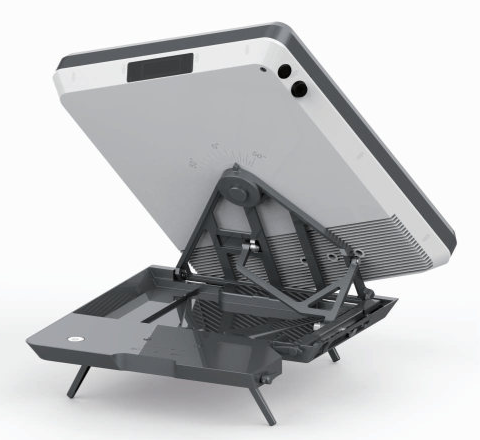
Flat Portable Satellite Terminal 0.35m Aperture Manual Portable Terminal
China Starwin Science & Technology Co., Ltd.
Industrial and Commercial Point-Type Gas Detector
Jinan Benan Technology Development Co., Ltd.