China's BYD Delays Self-Developed AI Chip, Continues to Use Horizon Robotics Solutions
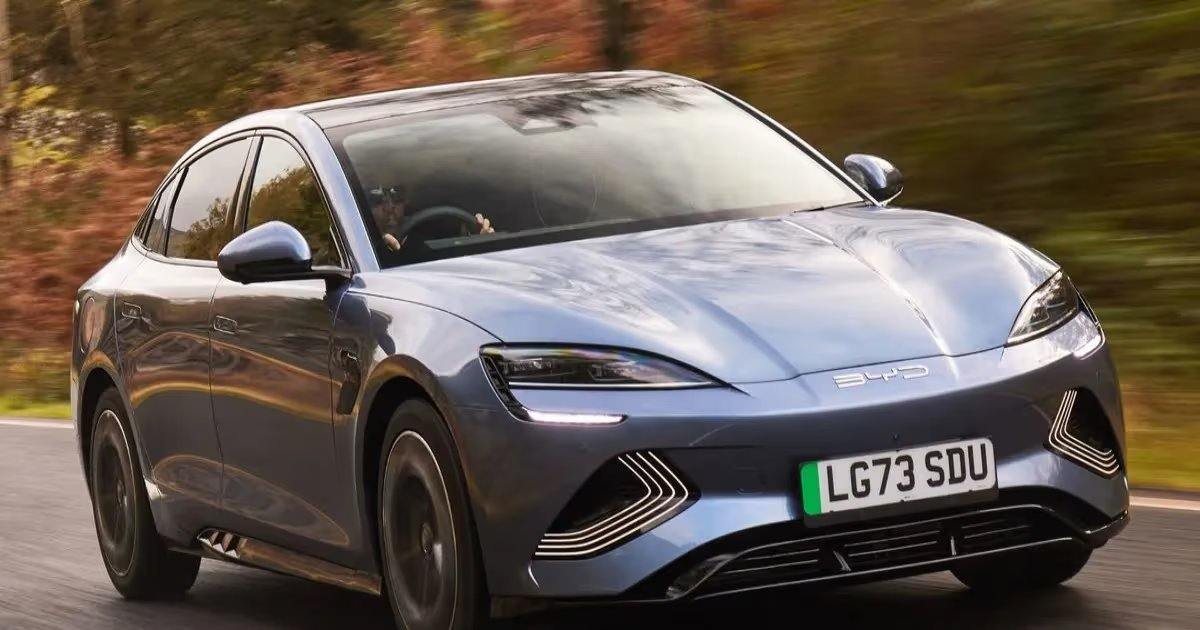
en.Wedoany.com Reported - BYD continues to adopt Horizon Robotics' Super Drive 2.0 platform in its latest tested Seal model, indicating that the company still relies on external suppliers for advanced driver-assistance systems rather than rushing to switch to self-developed AI chips. BYD Chairman Wang Chuanfu and Horizon Robotics CEO Yu Kai jointly evaluated the system's performance, suggesting that system development is nearing maturity.
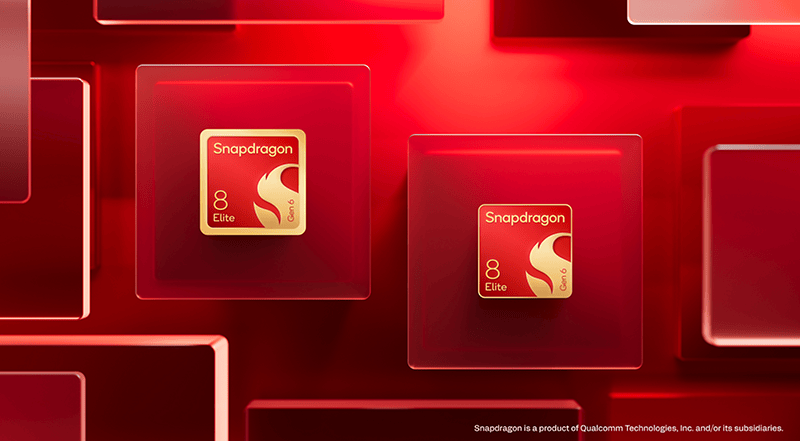
Engineers are optimizing the communication method between the vehicle's cameras and the central computing unit, aiming to extract better performance from the existing architecture before the arrival of next-generation hardware. BYD has previously showcased its self-developed AI processor, the Xuanji A3, which uses a 4nm process and delivers 700 TOPS of computing power, but it has not immediately replaced third-party solutions.
According to industry reports, BYD's self-developed chip is scheduled to enter production in 2027 and will first be installed in high-end models of the Denza brand. Until then, Horizon Robotics and other chip suppliers will continue to support BYD's high-volume models. Using mature third-party processors can reduce manufacturing costs per vehicle by 1,500 to 4,000 yuan, a cost advantage that quickly accumulates in mass production. Meanwhile, Horizon has already supplied millions of processors to BYD, backed by a mature supply chain foundation.
The automotive AI chip market is highly competitive, with NVIDIA maintaining its market dominance while Horizon Robotics is also expanding its share. Competitor Tesla's autonomous driving technology is facing regulatory scrutiny and accident investigations. BYD's pragmatic approach helps maintain product stability and reliability while buying time for its self-developed chip to mature.
By leveraging existing technology to reduce costs, BYD can allocate these funds to other technological developments or price competition. This move also sends a message to the industry: the transition to self-developed technology does not have to be rushed, and a gradual approach combined with external collaboration can be equally effective. The testing of the BYD Seal demonstrates that the company currently prioritizes product performance and quality over a full pursuit of technological independence.
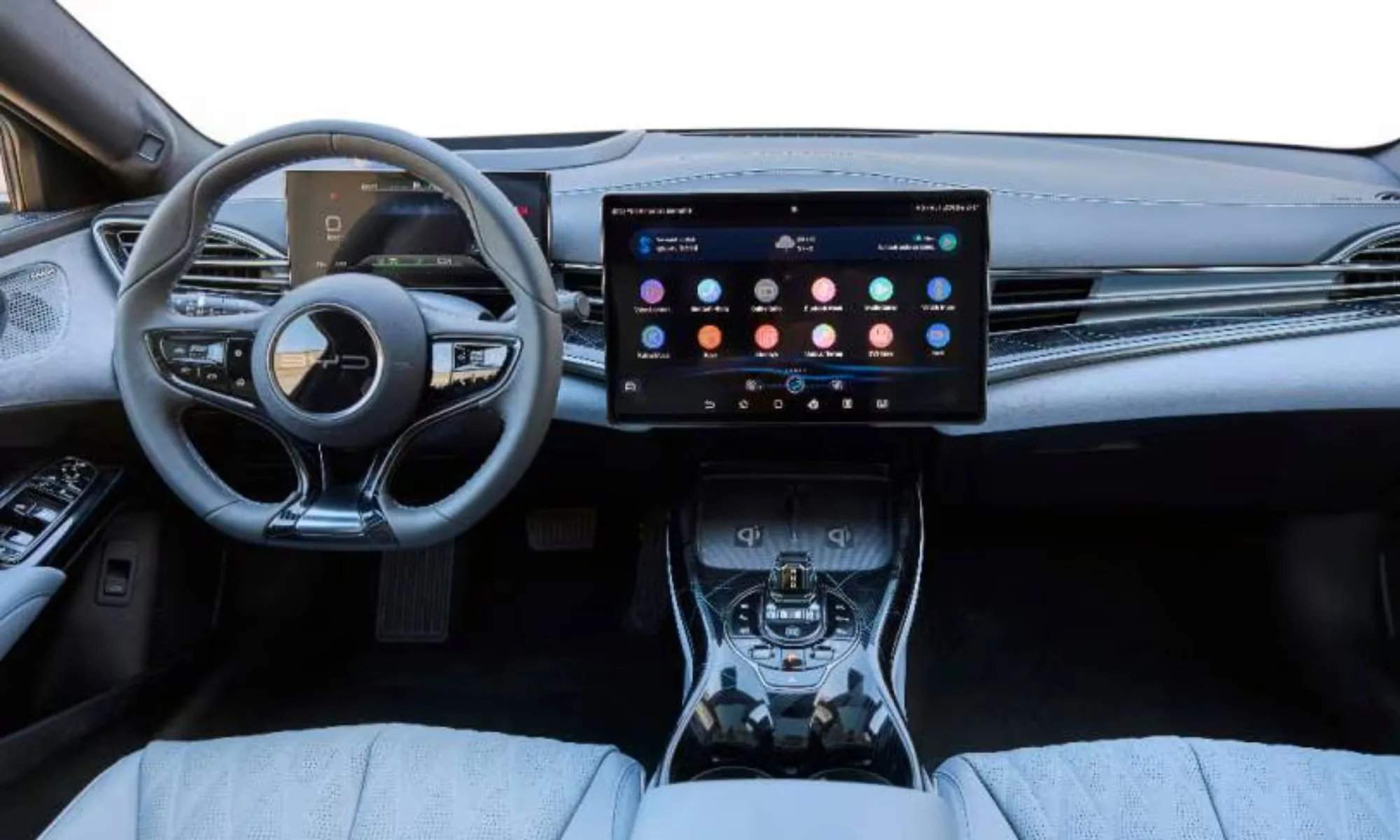
BYD's decision to delay its self-developed AI chip and continue using Horizon robotics technology reflects a mature business strategy. The company has not fallen into the rhythm of rushing to use its own technology but instead focuses on what is best for its products and consumers in the present. This strategy allows BYD to maintain competitiveness in the global electric vehicle market in both the short and long term, while preparing for the technological upgrade of the Xuanji A3 chip in 2027. BYD's approach also serves as a reference for other automakers: in the technology race, what matters is not speed, but making the right decisions on when to leap and when to wait.
Related Products


20 Inch 1600*900 Full HD 60Hz TFT LED Monitor with VGA and DP Interfaces for Desktop Computers-Business Use
Guangzhou Zanying Optoelectronics Technology Co., Ltd.
One-Stop Steward Service for the Entire Logistics System Integration Chain
Zhongding Intelligent (Wuxi) Technology Co., Ltd.
Industrial and Commercial Point-Type Gas Detector
Jinan Benan Technology Development Co., Ltd.



Multi-function Marine Monitoring Low-altitude Detection Radar Sea-air Boundary Ocean Dynamic Environment Measurement
Chengdu Dixin Technology Co., Ltd.