GE Aerospace Additive Technology Center Deploys Over 90 Machines, Uses Engineering Plastic Cooling Towers
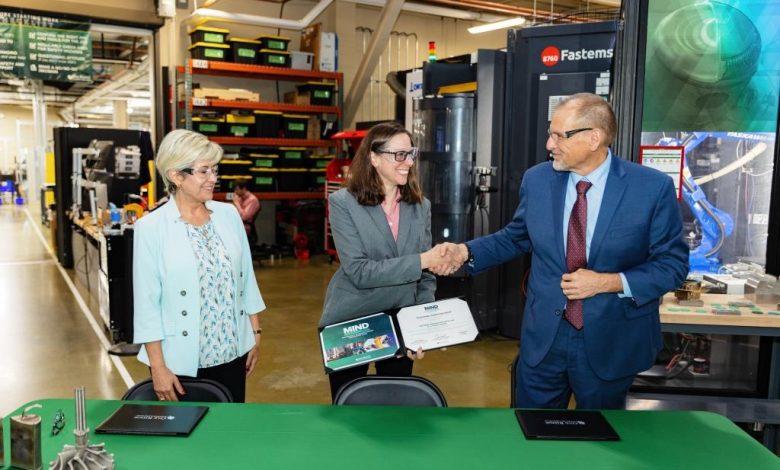
en.Wedoany.com Reported - As metal additive manufacturing moves toward mass production, process cooling systems are becoming a critical factor in ensuring production stability. GE Aerospace's Additive Technology Center in West Chester, Ohio, exemplifies this trend. The center, which uses laser powder bed fusion technology to support the development and production of advanced aircraft engine components, has deployed over 90 additive manufacturing machines, covering parts such as fuel nozzles and gearboxes.
At the GE Aerospace facility, laser powder bed fusion systems are used to manufacture components with complex geometries, precise features, and weight reduction. The laser itself does not generate high temperatures, but the metal powder absorbs concentrated laser energy to form a melt pool, resulting in significant heat accumulation. For manufacturers operating high-value additive equipment, a cooling system that cannot maintain stable performance may lead to operational interruptions, maintenance issues, or loss of production time.
According to data from the Wohlers Report 2026, global additive manufacturing revenue reached $24.2 billion in 2025, a year-over-year increase of 10.9%. Although the growth rate is lower than pre-pandemic levels, the market is maturing as manufacturers focus on installed capacity, production applications, and repeatable process performance.
To address cooling issues, the facility adopted engineering plastic cooling towers made of high-density polyethylene (HDPE). Steve Coppock, a consulting engineer at Armour & Associates, the consulting firm responsible for the project design, stated that the company had achieved good results using such cooling towers previously, leading to the recommendation for this project. The first cooling tower was installed at the end of 2022, followed by an additional unit as production capacity expanded. The project selected the Paragon induced draft model from Delta Cooling Towers, featuring a seamless molded shell that eliminates potential maintenance points such as panel joints, seams, fasteners, and sealants. It is equipped with a direct-drive fan system, a variable frequency drive motor, and a 20-year shell warranty.
The performance of the cooling tower goes beyond heat dissipation and corrosion resistance. At the GE Aerospace site, the tower is located between two buildings. The project team initially elevated it close to the roofline to reduce noise reflection, but actual operation showed that equipment noise was lower than expected. The variable frequency drive allows the fan to adjust speed based on heat load demand, helping to reduce unnecessary energy consumption.
For additive manufacturing plants, the reliability of cooling towers directly impacts production continuity. Laser powder bed fusion systems are the core of the facility, but their continuous operation capability depends significantly on the stability of supporting systems. Process cooling is not a background detail but an integral part of the infrastructure that keeps metal additive manufacturing production running smoothly.
Related Products


CAP1400 main feedwater flow nozzle flowmeter.
Jiangsu Hongda Instrument Technology Co., LTD.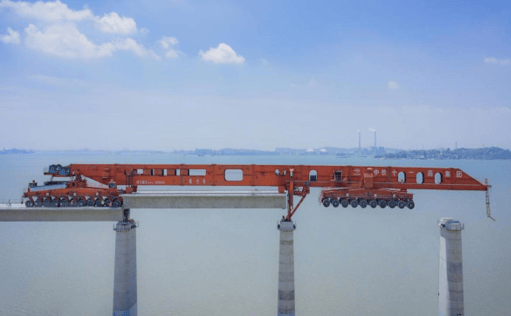
High-Speed Railway Lifting, Transporting, and Erecting Equipment: Integrated Transport and Erection Machine
Hanjiang Heavy Industry Co., Ltd. of China Railway 11th Bureau Group

Industrial and Commercial Point-Type Gas Detector
Jinan Benan Technology Development Co., Ltd.
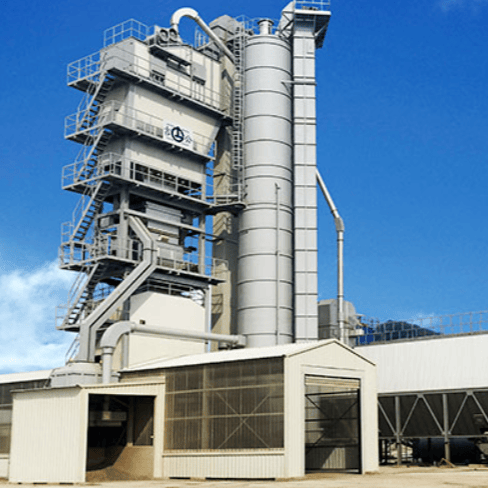
LBH4000 Batch Environmental Protection Asphalt Mixing Plant | Asphalt Batching Plant | Asphalt Mixing Plant
Jilin Province Road Construction Machinery Co., Ltd.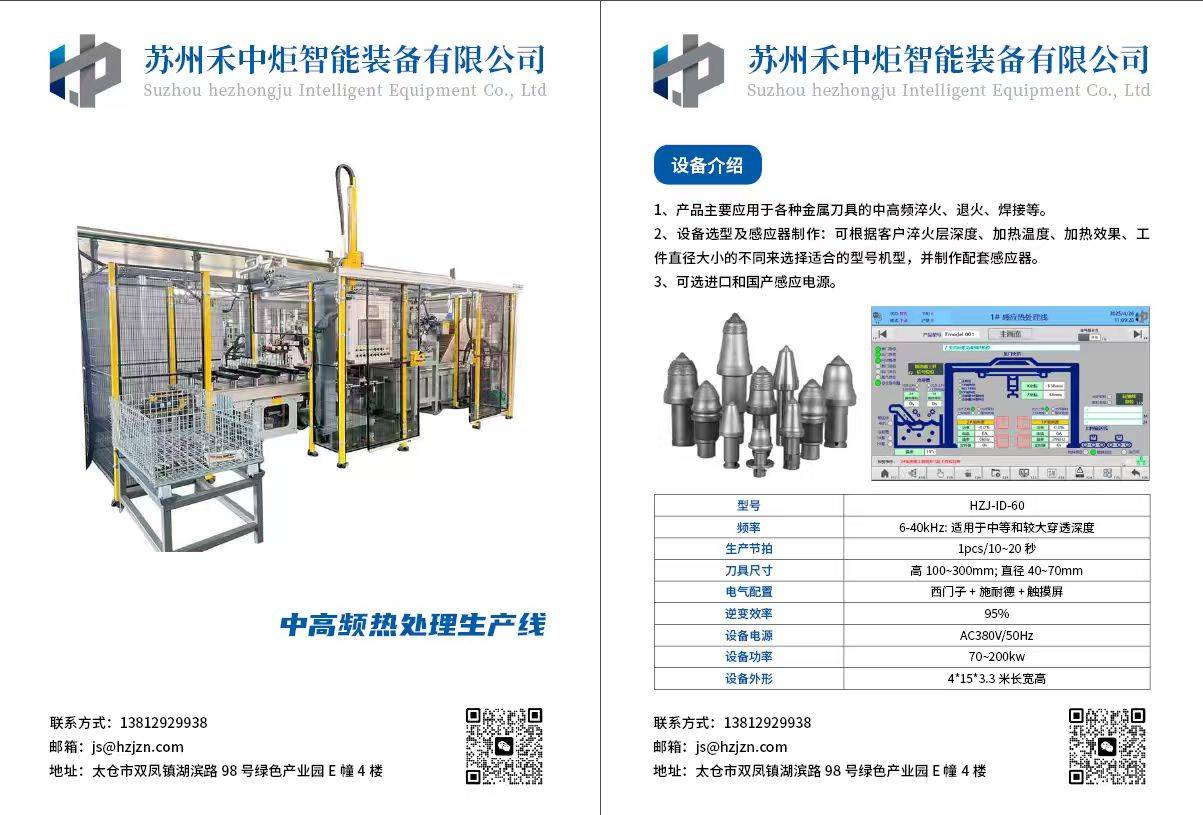
Excavator Bucket Teeth Heat Treatment Production Line
Suzhou Hezhongju Intelligent Equipment Co., Ltd.
Pneumatic high-pressure wear-resistant ball valve
Zhejiang Deca Control Valve Meter Co., Ltd.