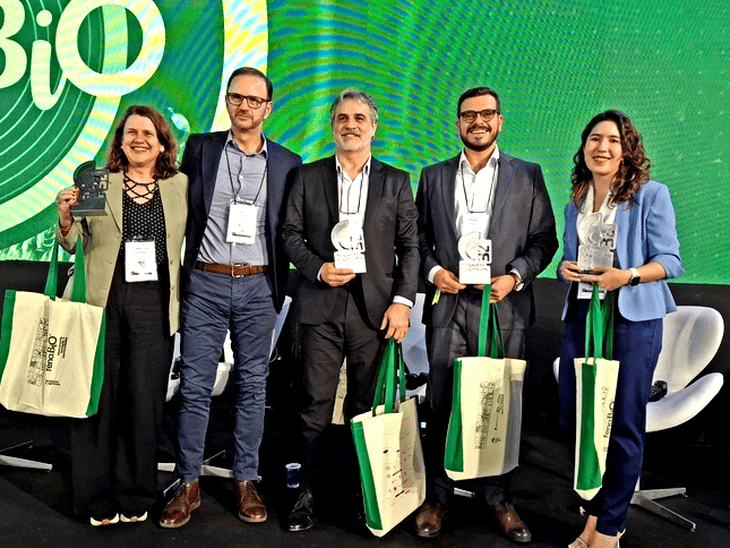
President of the Spanish Renewable Energy Association: Biomethane Project Approvals Take 3 to 5 Years
en.Wedoany.com Reported - Laureano Parrilla, President of the Biogas Division of the Spanish Renewable Energy Association (APPA), stated that the public consultation on the draft Royal Decree promoting biomethane development is a positive signal for the industry, although the draft currently only defines a basic framework and has yet to address key issues such as sustainability certification. Parrilla emphasized that the decree references the EU regulation on promoting biogas production, effective January 26, 2026, which requires member states to continuously strive to maximize the use of existing infrastructure and eliminate potential regulatory barriers.
The draft proposes gradually increasing minimum quotas for renewable gas in the Spanish natural gas market: 0.5% in 2028, 1.1% in 2029, 1.8% in 2030, 2.5% in 2031, 3.3% in 2032, 4.1% in 2033, 5% in 2034, and 6% in 2035. Parrilla noted that this target is ambitious, but achieving the initial 6% quota requires incentives. Based on the timeline, with a benchmark installed capacity of 50 GW, 30 plants would need to be built by 2028, and 350 plants by 2035 to reach the 6% quota. Spain currently has only 20 to 25 biomethane plants, indicating a clear political and national commitment to drive industry development.
Parrilla believes the draft does not fully align with industry demands. The industry requires not only quotas and various forms of support but also the valorization of digestate and clarity on social sustainability certification. He fears the decree could become a new bureaucratic hurdle for project legalization or conflict with other regulations. Parrilla specifically noted that the draft stipulates random certification for new facilities not yet in operation. Currently, the Spanish biomethane sector faces severe regulatory obstacles, including stringent requirements from public administrations, difficulties in grid access and connection, and project approval times of 3 to 5 years. He warned that if these barriers persist, investments may shift to other countries, as there is a real risk of investment loss when funds see project approvals taking up to five years.
Regarding project implementation challenges, Parrilla pointed out that biomethane technology itself is demanding, involving site selection, appropriate distance from towns, logistics management, gas injection grid access points, waste management, and digestate disposal. The project approval process is lengthy, cumbersome, and subject to changing standards, while also facing social opposition. Some objections are unfounded, such as claims that biomethane causes cancer, which scientists have proven false. He believes that projects with reasonable site selection, technical design, and a distance of 1.5 kilometers from towns are entirely feasible, but require local governments willing to listen to explanations.
Parrilla emphasized that biomethane plants bring multiple benefits to local economies: improving waste treatment efficiency, producing organic soil improvers to enhance farmers' profitability, achieving energy independence for towns, attracting industrial development, and creating 6 to 14 direct jobs. He called on Spain to learn from good practices in countries like France, Italy, and Germany, and provide equivalent incentives for biomethane projects. Parrilla concluded that without biomethane, Spain cannot achieve decarbonization and energy transition, as the power grid has already maximized electrification, and the non-electrifiable portion must be addressed through biomethane, with existing pipelines and consumers ready to use this gas.
This interview was published in the print edition of Renewable Energy magazine, Issue 252.

Related Products
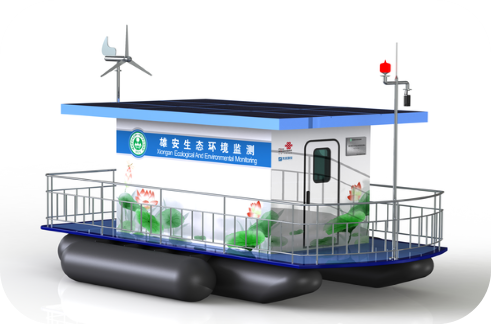

Floating Boat Water Quality Automatic Monitoring System
Hebei Sailhero Environmental Protection High-tech Co., Ltd.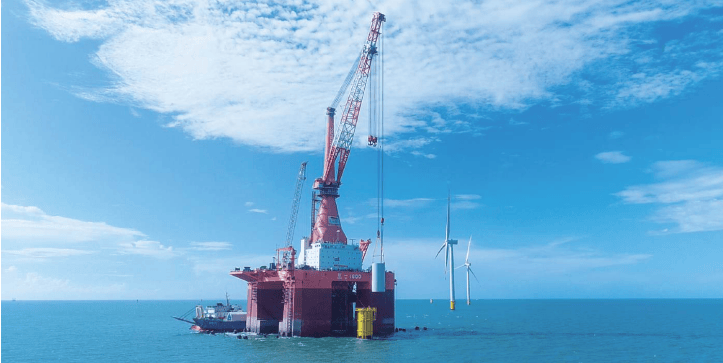
"Shunyi 1600" Deep-submerging Bottom-sitting Multi-functional Wind Power Engineering Vessel
Zhengli Offshore Engineering Co., Ltd.
Forest and Grassland Heat Source Infrared Monitor
China Huayun Meteorological Technology Group Co., Ltd.

Prefabricated Houses and Electrical Energy Boxes
Chengdu Ruilong Machinery Manufacturing Co., Ltd.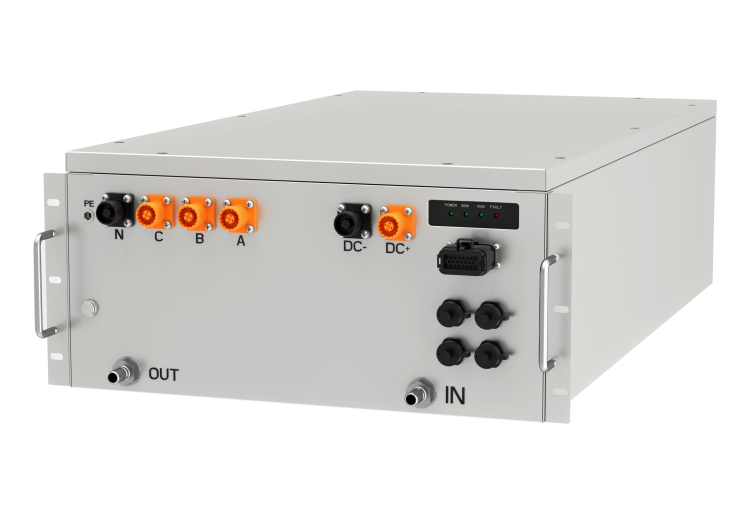
Mars (Liquid Cooling) Series Industrial and Commercial Energy Storage Converter High Protection Module
Shenzhen Winline Technology Co., Ltd.