India's First Hydrogen-Powered Train Completes Trial Run
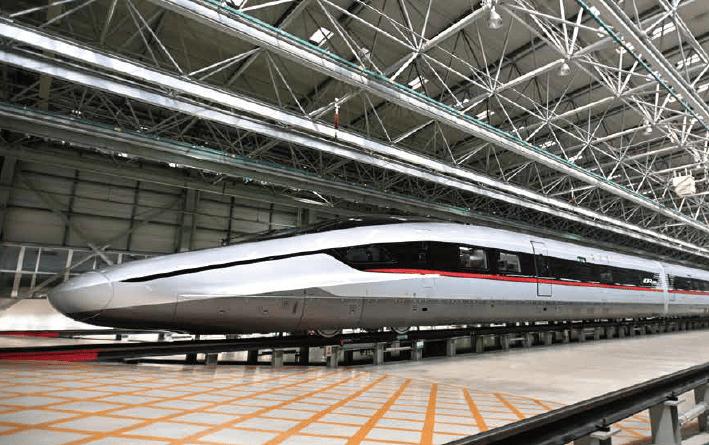
en.Wedoany.com Reported - India's first hydrogen-powered train has completed its trial run on the Jind-Sonipat route in Haryana, marking a step toward low-emission traction for the country's railways. The indigenous train set, developed and tested by the manufacturing and technology division of Indian Railways, underwent a series of performance checks including speed trials, braking and stability tests, and verification of the hydrogen fuel system.
During the trial run, the train achieved its target speed and passed sway and safety assessments, a necessary step before obtaining certification for regular operations. The onboard hydrogen fuel cells convert hydrogen into electricity, emitting only water vapor during operation, thereby helping to reduce greenhouse gas and particulate matter emissions on non-electrified routes. The trial also evaluated onboard storage capacity, refueling readiness, and integration with existing railway signaling and safety systems.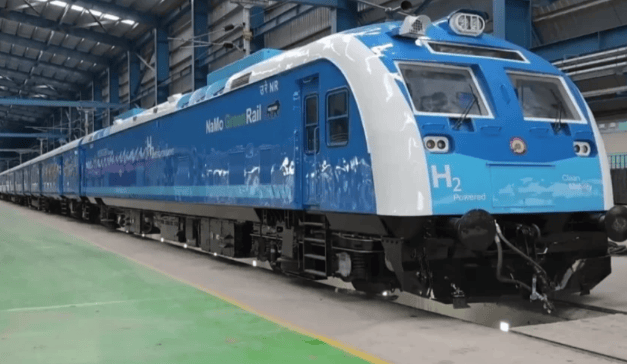
Developed indigenously in India with contributions from domestic factories and technology partners, the train set demonstrates the country's enhanced domestic capabilities in alternative-fuel railway vehicles. The project followed regulatory and safety clearance processes for prototype testing, and is part of broader efforts to diversify power sources for railways where electrification is not yet feasible or as a complementary low-carbon option.
If approved for regular service after remaining tests and approvals, the hydrogen-powered train set could offer a viable zero-emission alternative for regional and branch lines, reducing reliance on diesel on non-electrified corridors. However, operators will need to build hydrogen production and refueling infrastructure, and establish staff training and maintenance systems to ensure the safety and economic viability of large-scale operations.
This trial run aligns with India's national goals to reduce transportation emissions, demonstrating concrete steps toward decarbonizing rail transport while leveraging domestic manufacturing capabilities. Large-scale adoption will depend on life-cycle cost comparisons with electrification and diesel options, the availability of green hydrogen, and supportive policies driving infrastructure deployment.
Related Products

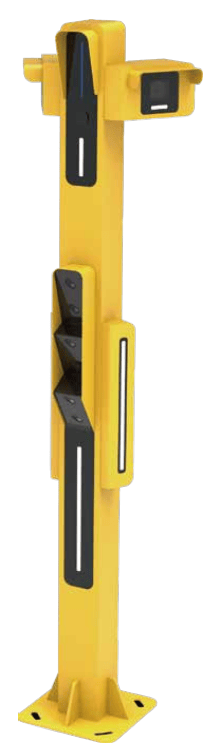
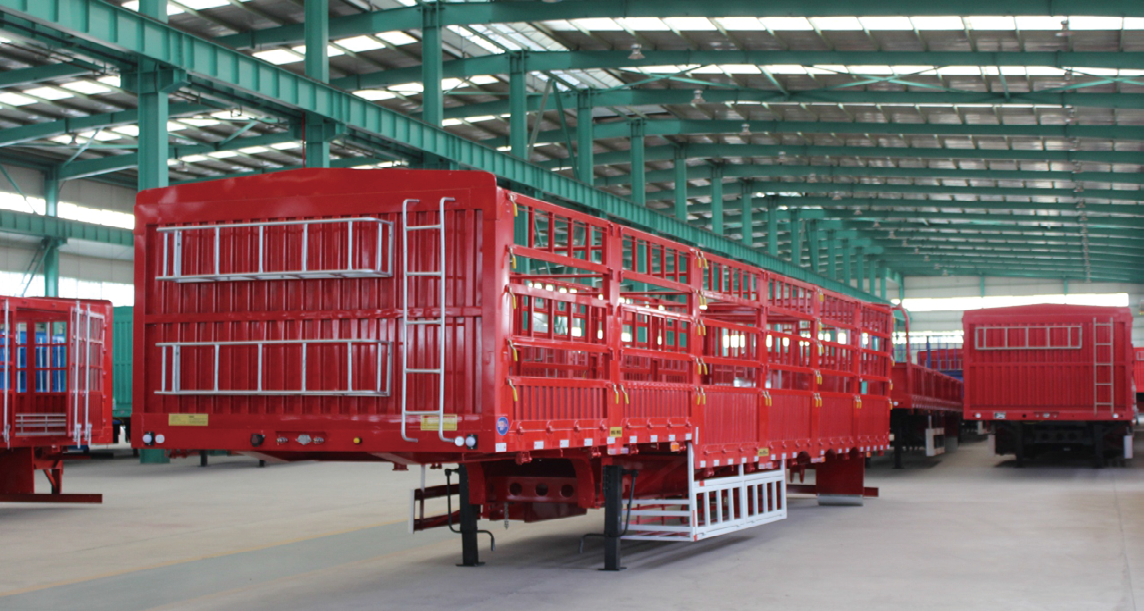
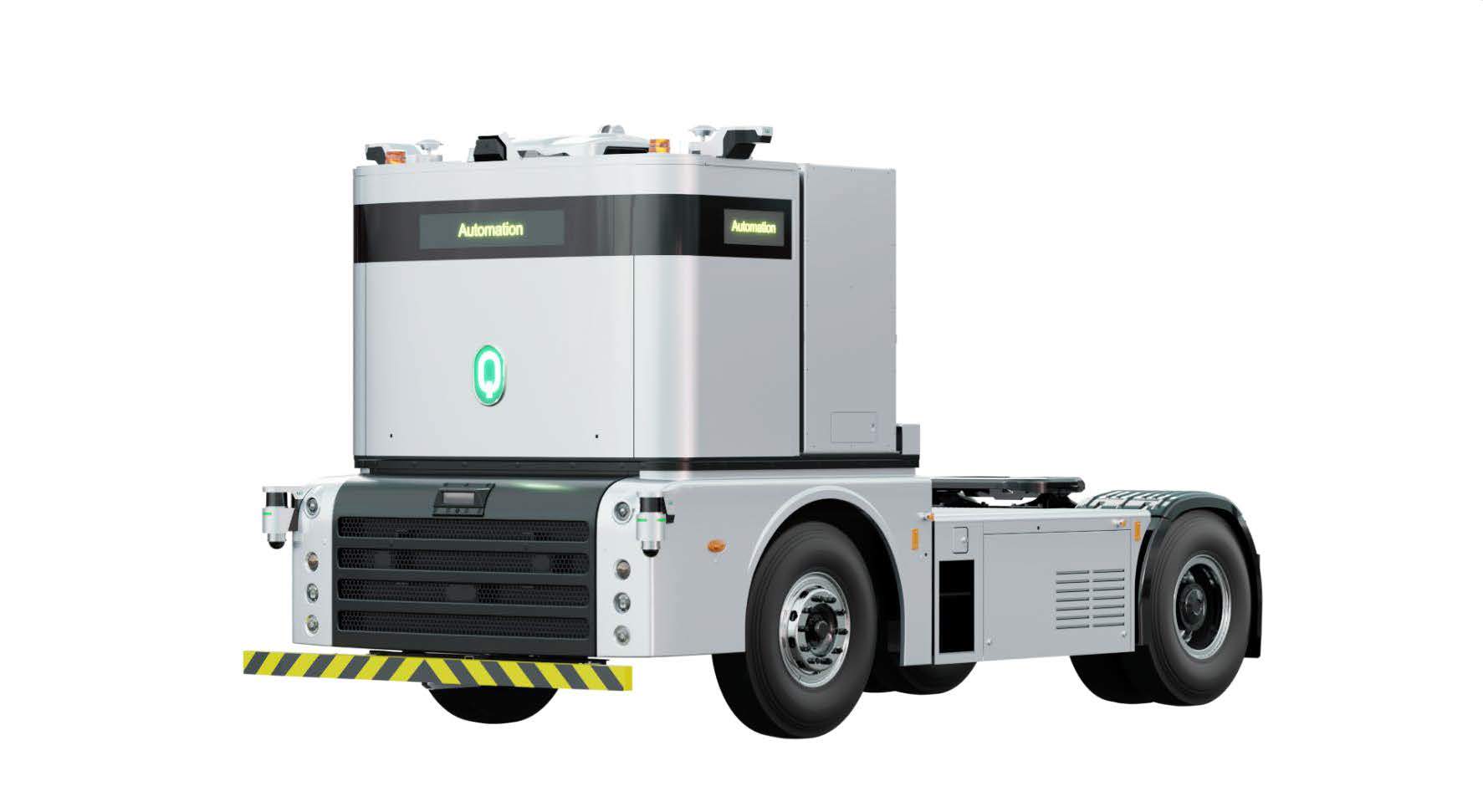
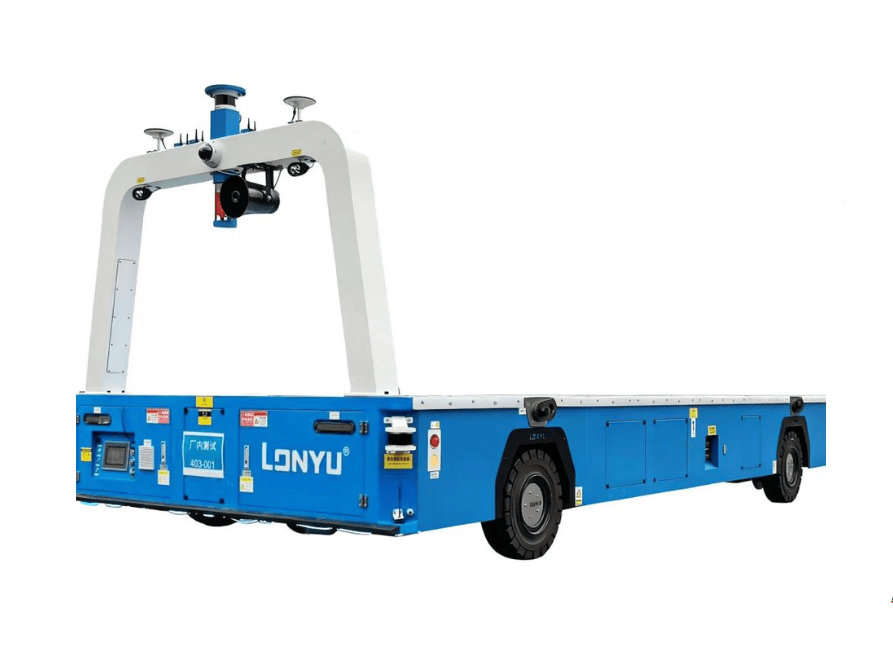
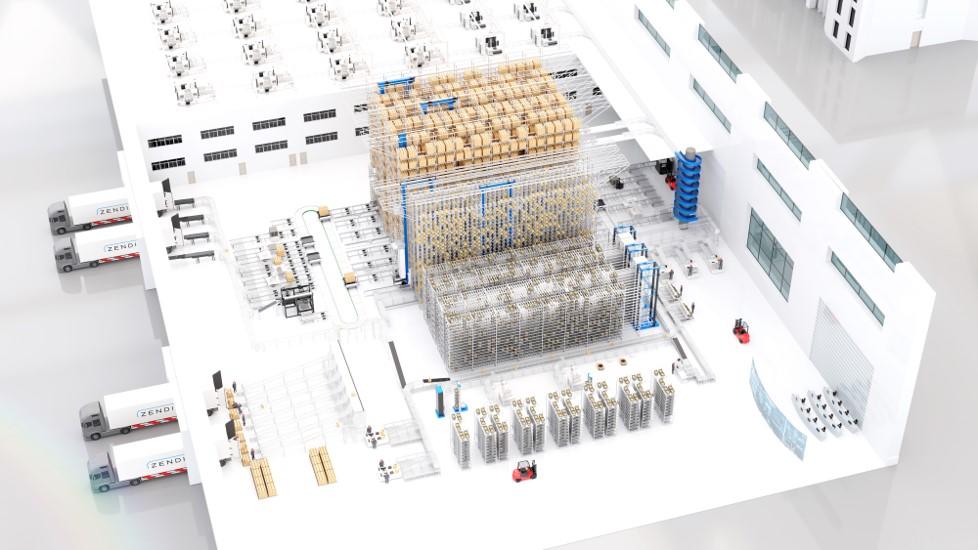
One-Stop Steward Service for the Entire Logistics System Integration Chain
Zhongding Intelligent (Wuxi) Technology Co., Ltd.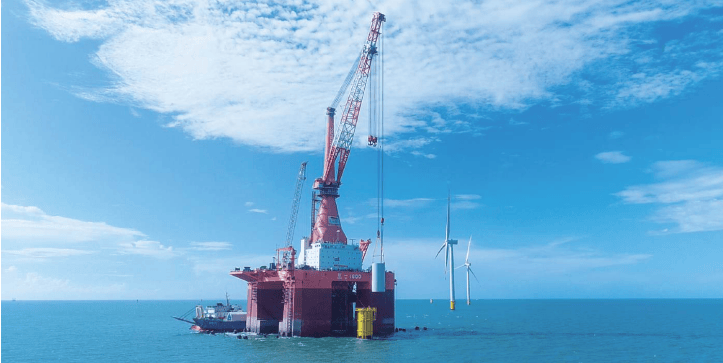
"Shunyi 1600" Deep-submerging Bottom-sitting Multi-functional Wind Power Engineering Vessel
Zhengli Offshore Engineering Co., Ltd.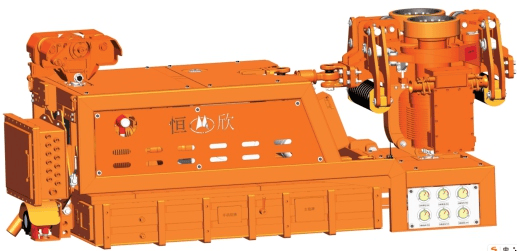
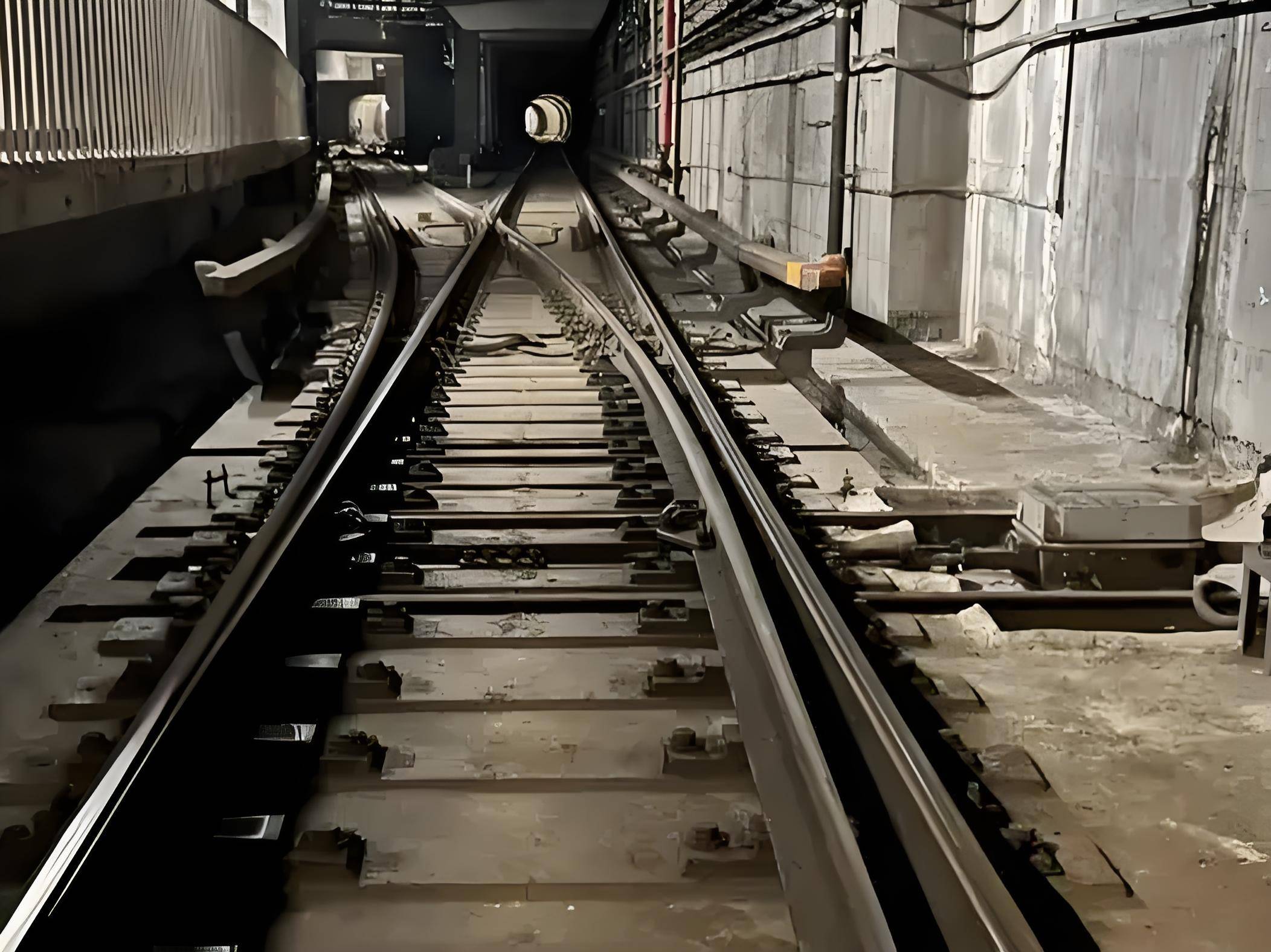
Explosion-proof lithium battery dispatching monorail crane locomotive (permanent magnet frequency conversion integrated machine)
Xiangtan Hengxin Industrial Co., Ltd.