Paraguay Submits 2026 Mercosur Critical Minerals Roadmap
en.Wedoany.com Reported - Paraguay, during its pro tempore presidency of Mercosur (Southern Common Market), submitted a roadmap for the bloc's critical minerals plan, which Brazilian President Luiz Inácio Lula da Silva described as a "starting point" for the group to achieve strategic autonomy. The proposal aims to fill a gap in the region's strategic resources: the bloc currently lacks a joint assessment of its own mineral potential and a list of priority projects for joint development.
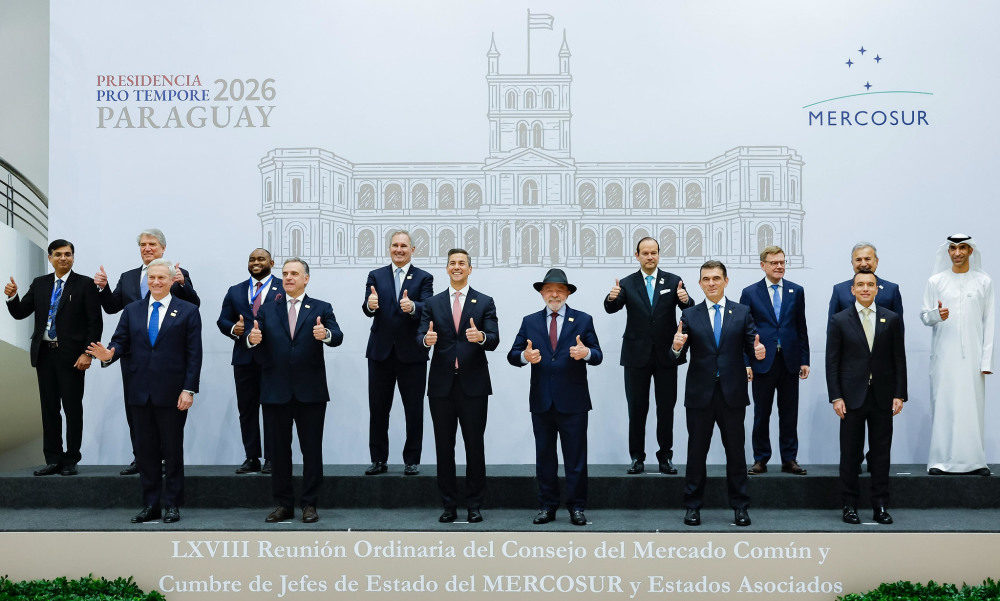
Mercosur member states include Argentina, Bolivia (in the process of accession), Brazil, Paraguay, Uruguay, and Venezuela (suspended). Associate members include Chile, Colombia, Ecuador, Guyana, Panama, Peru, and Suriname. "We have abundant reserves of critical minerals, which are indispensable assets for decarbonization and the digital revolution. Developing regional industrial chains that include higher value-added stages is a matter of national security and sovereignty," Lula said in a speech to bloc leaders. He also noted that Mercosur "still lacks a common map of its own potential and an assessment of strategic projects that can be jointly developed."
The initiative comes amid a growing global race for critical minerals such as lithium, copper, nickel, graphite, and rare earths. These raw materials are essential components for batteries, electric vehicles, wind turbines, solar panels, data centers, and defense equipment. Two weeks ago, the Group of Seven (G7) issued a statement agreeing to reduce dependence on suppliers of critical minerals and rare earths, aiming to find alternatives to Chinese supply chains and launching its own alliance. South America holds some of the world's largest reserves of these resources, including the lithium triangle formed by Argentina, Bolivia, and Chile, as well as Brazil's reserves of graphite, nickel, manganese, and rare earths. This discussion has also intensified months after Mercosur signed a trade agreement with the European Union, whose strategic interests include diversifying global supply chains for critical raw materials and reducing dependence on China.
As the final achievement of Paraguay's presidency of the bloc—Uruguay will take over on July 1—the Mercosur Critical Minerals Roadmap is presented against a backdrop where resource-holding countries are beginning to discuss how to move beyond exporting raw ore. For example, Lula advocates for developing regional industrial chains with higher added value, aiming to attract investment in stages such as beneficiation, refining, component manufacturing, and industrial development. This aligns with a legal framework proposal approved by the Brazilian Chamber of Deputies in early May. However, there is no consensus within the bloc. Argentina, under Javier Milei, has signaled its intention to go its own way. In February, Argentina signed an agreement with the United States on related topics, focusing on mineral exports. Milei himself did not attend the heads of state meeting this Tuesday, citing domestic affairs. Besides Lula, attendees included Paraguayan President Santiago Peña, Uruguayan President Yamandú Orsi, Chilean President José Antonio Kast, and Ecuadorian President Daniel Noboa.
In other developments, the governor of Rio Grande do Sul, Eduardo Leite (Brazilian Social Democracy Party), stated this Tuesday (June 30) that a "substantial" portion of the funds from the privatization of the state's mining company (CRM) will be used to finance a just transition for coal mining in the state, with one strategy being to promote economic development in regions dependent on fossil fuels. During the Brazilian national team match on Monday (June 29), electricity consumption dropped significantly due to the game time (2:00 PM) coinciding with peak distributed solar generation, leading the National Electric System Operator (ONS) to curtail approximately 20 GW of renewable energy generation—a figure equivalent to the combined installed capacity of the Belo Monte and Tucuruí hydroelectric plants. According to the monthly electricity market report from the Energy Research Company (EPE), national electricity consumption reached 48,021 GWh in May 2026, a 2.1% year-on-year increase, marking the second consecutive month of growth in monthly consumption. According to the scientific journal *Nature*, the European heatwave, which most severely impacted central and northern regions, was characterized by temperatures at least two degrees Celsius above average for at least three consecutive days, with unprecedented temperatures recorded in northern Spain, France, the entire United Kingdom, Germany, Poland, Denmark, Lithuania, Latvia, and Sweden. An analysis of U.S. congressional press releases by Inside Climate News shows that since 2025, mentions of climate change by elected Democrats have sharply declined following President Donald Trump's decision to attack Iran, being replaced by the issue of energy costs. U.S. President Trump demanded on Truth Social an immediate reduction in domestic gasoline prices, stating he would not accept price increases due to speculation. JBS stated that Âmbar Energia, the energy company of the J&F group, will invest 65 million reais to expand biomethane production at three Friboi plants in Mato Grosso do Sul and São Paulo states, with an expected annual increase of over 14 million cubic meters. Registration is now open for the 5th Energy Efficiency Olympiad (ONEE), a competition open to 8th and 9th grade students nationwide, and for the first time extended to 10th and 11th grade students. Biodiesel producer Binatural has job openings at its plants in Goiás and Bahia states and its São Paulo office, covering operational, technical, corporate, R&D, and commercial areas.
Related Products



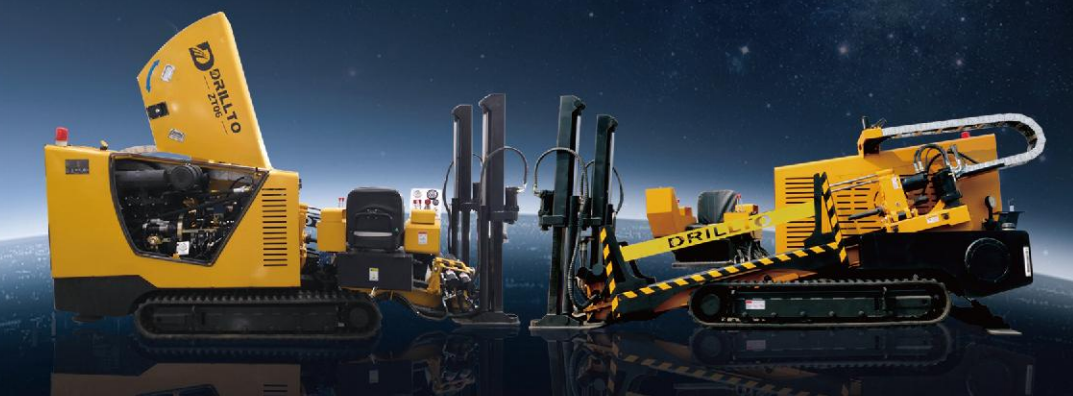
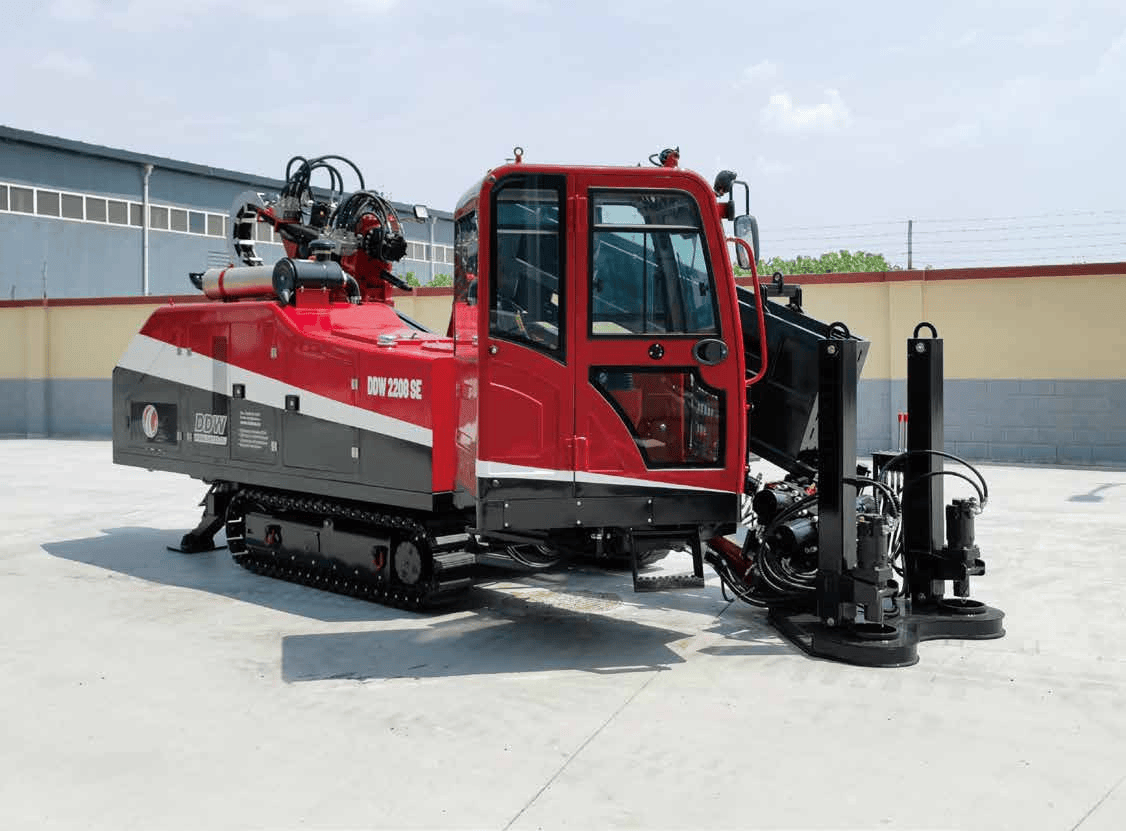
DDW22/08SE-HORIZONTAL DIRECTIONAL DRILL
DW/TXS Construction Equipment (Beijing) Co., Ltd.
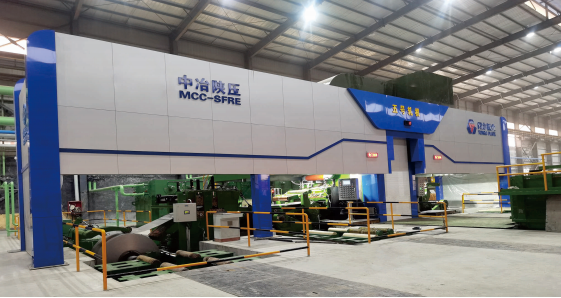
1050-1750mm Steel Strip Single-stand Reversible Cold Rolling Production Line
MCC-SFRE HEAVY INDUSTRY EQUIPMENT CO., LTD.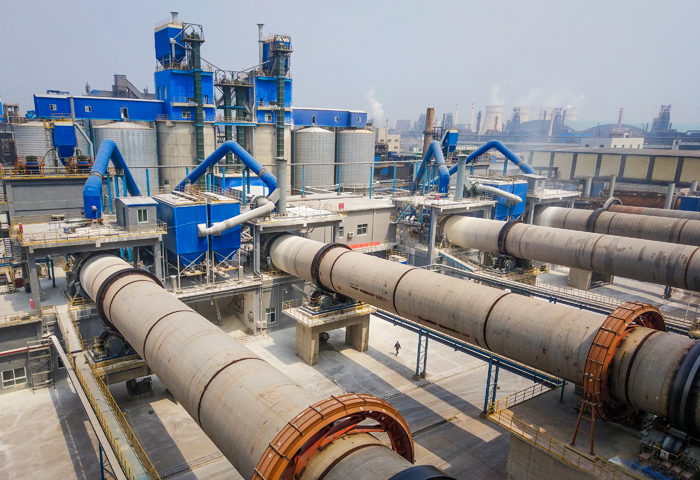
CITIC Heavy Industries Metallurgical Equipment Steel Smelting Engineering Equipment
CITIC Heavy Industries Co., Ltd.